Southern California Precipitation

Let's talk about something that might surprise you: rain in Southern California! When you think of this sunny paradise, you probably picture beaches, palm trees, and endless blue skies. And while that’s definitely a big part of the Southern California charm, there’s a whole other side to it that’s equally fascinating – its relationship with the sky’s tears.
Why is precipitation here so interesting? Well, for starters, it's a bit of a mystery! Unlike regions that get predictable drenchings, Southern California’s rainfall is like a moody artist, showing up when it feels like it, sometimes in dramatic bursts and other times not at all for long stretches. This unpredictability makes every drop precious and every storm a topic of conversation.
The purpose and benefits of this seemingly scarce water are immense. It’s the lifeblood of everything here, from the sprawling urban landscapes to the delicate desert ecosystems. Think about it: the water we drink, the fruits and vegetables that grace our tables, the very greenness that sometimes peeks through the golden hills – it all starts with rain.
Must Read
The Big Picture: Where Does Our Water Come From?
Southern California is a master of water management, and precipitation is just one piece of a much larger puzzle. While we get a decent amount of rain during the cooler months (typically from November to March), it’s not enough to sustain our large population and vibrant economy on its own. That’s where ingenious water systems come in!
A significant portion of our water supply comes from imported water. This means water is transported over hundreds of miles from distant regions with more abundant water sources. The State Water Project (SWP) is a massive undertaking that brings water from Northern California down to Southern California. Another major source is the Colorado River, managed by the Metropolitan Water District of Southern California (MWD), which serves millions of people across multiple states.
But let's not forget our local heroes! Local groundwater basins are incredibly important. When it does rain, especially during those heavier storm events, a good portion of that water soaks into the ground, replenishing these vital underground reservoirs. We also have sophisticated recycling and desalination plants, turning wastewater into clean drinking water and seawater into freshwater, respectively. These technologies are becoming increasingly crucial in ensuring a reliable water supply.
When the Skies Open Up: The Excitement of a Rainstorm
When the forecast calls for rain in Southern California, there’s a palpable sense of anticipation. It's not just about the water; it's an event! The smell of rain on dry earth, known as petrichor, is a universally loved scent, and here it’s a special treat. Suddenly, the landscape that might have been looking a bit parched takes on a richer hue.
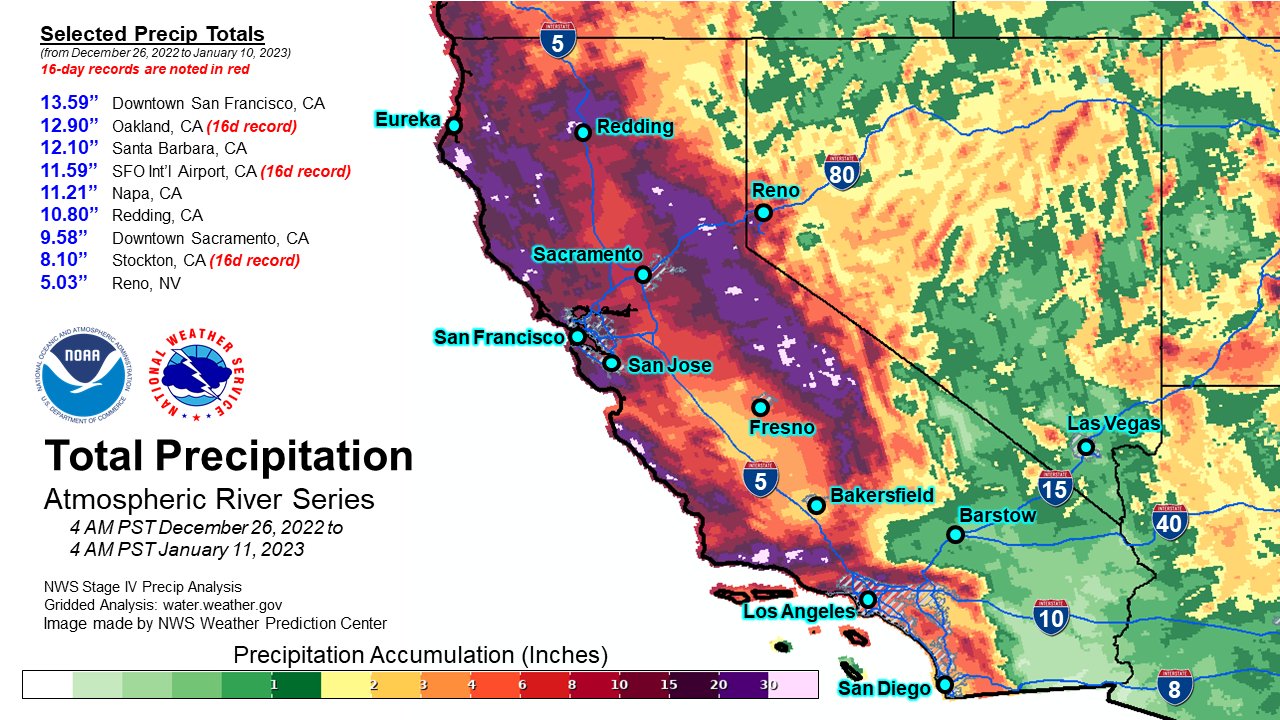
Winter storms are our primary source of natural precipitation. These can range from gentle, misty drizzles that last for days, providing a slow, steady drink to the land, to powerful atmospheric rivers. These atmospheric rivers are like long, narrow bands in the sky that carry a huge amount of moisture. When they make landfall, they can bring intense rainfall and sometimes even snow to the higher elevations, which then melts and contributes to our water supply throughout the year.
The beauty of these storms is how they transform the environment. Wildflowers, dormant for months, erupt in a riot of color after sufficient rainfall, especially in areas like Anza-Borrego Desert State Park. The normally arid mountains turn a vibrant green, and waterfalls that are usually just trickles become majestic cascades.

The Challenge and the Opportunity: Making Every Drop Count
While we appreciate every raindrop, Southern California also faces a significant challenge: drought. The region is naturally arid, and climate change is making weather patterns more extreme, leading to longer and more severe droughts. This is why conservation and smart water management are not just buzzwords; they are essential practices for survival and prosperity.
During dry periods, the impact is felt across the board. Water restrictions become common, landscapes turn brown, and the risk of wildfires increases dramatically. This is where the ingenuity of Southern Californians shines. We've become experts at water conservation – from Xeriscaping (using drought-tolerant plants) to taking shorter showers and fixing leaky faucets. Every individual effort, no matter how small it seems, contributes to a much larger collective goal.
Learning about our local precipitation patterns and the journey of our water can be a fun and educational experience. It connects us to our environment and highlights the incredible efforts that go into providing a reliable water supply in a region that, at first glance, might seem like it has it all. So next time you see those clouds gathering, remember that for Southern California, it's not just weather; it's a lifeline and a reason to celebrate!