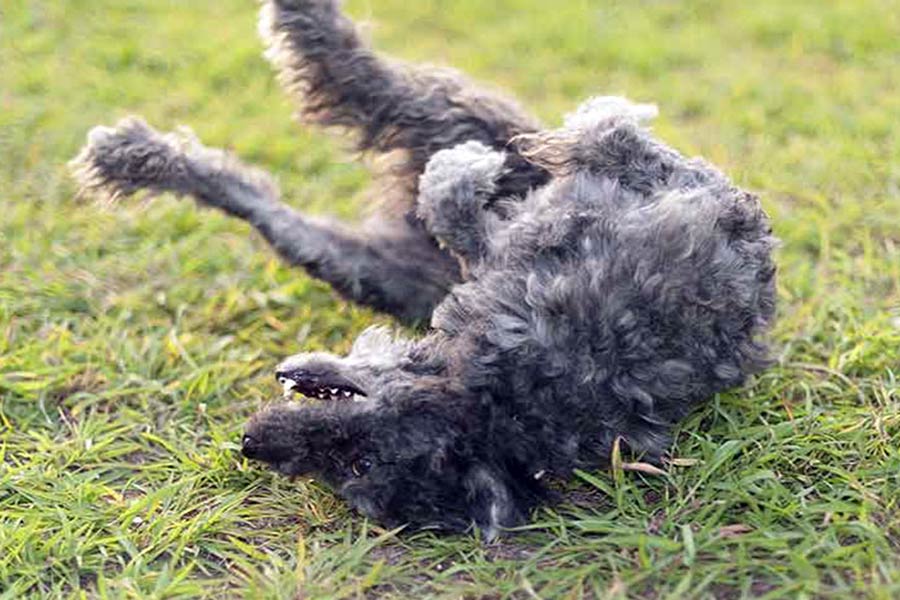
Signs Of A Tapeworm In A Dog

Alright, gather ‘round, fellow dog-lovers, and let’s talk about something that’s about as glamorous as a surprise enema: tapeworms in our furry best friends. Now, before you start picturing some sci-fi movie monster slithering out of Fido’s backside, let’s take a deep breath and get down to the nitty-gritty. It’s not as dramatic as you might think, but it’s definitely something you want to spot sooner rather than later. Think of this as your friendly, slightly-gross, café gossip session about potential parasitic hitchhikers.
So, how do these little… segments… even get into our beloved pups? Well, it’s usually a bit of a two-step tango. The most common culprits get passed around by fleas. Yes, those tiny, jumpy vampires. If your dog accidentally (or enthusiastically) chomps down on an infected flea while grooming, poof – instant tapeworm party in their intestines. It’s like a microscopic potluck where the main course is… well, your dog’s insides. Pretty neat, huh? (Okay, not neat. Gross. Very, very gross.)
The other way is through eating raw or undercooked meat, or even by scavenging through the carcasses of wild animals. So, if your Fido has a penchant for midnight dumpster diving or thinks a juicy mouse is a gourmet appetizer, you might want to keep an extra eagle eye on them. Basically, tapeworms are opportunistic little freeloaders who see your dog as their all-you-can-eat buffet and five-star resort.
Must Read
So, What Exactly Are We Looking For? The “Oh Dear, Is That…?” Moments.
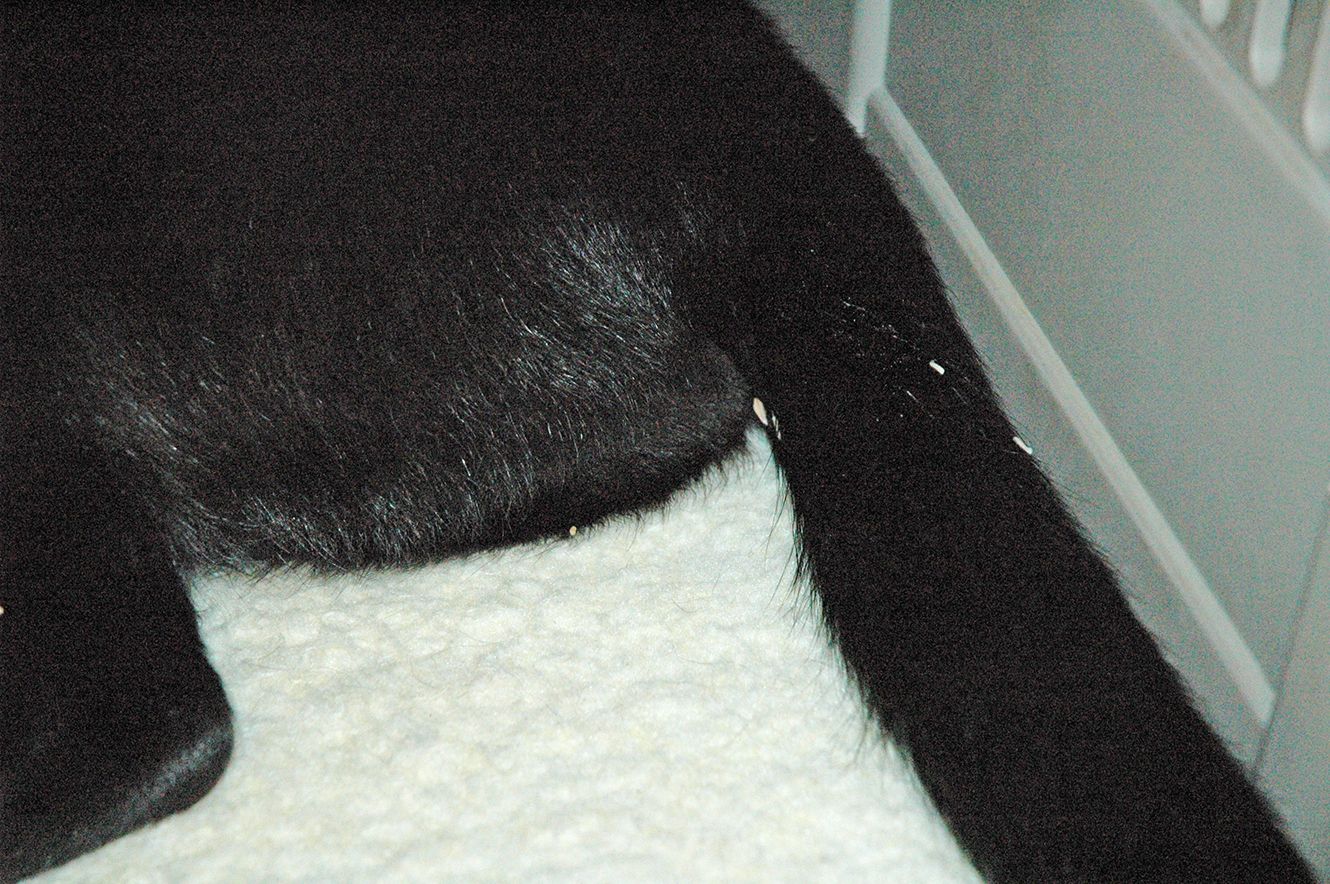
Let’s get down to the detective work, shall we? The most classic sign, the one that usually makes people go, “Whoa, what is that?” is finding little rice-grain-shaped things clinging to your dog’s backside or, gulp, in their poop. These aren’t just any old kibble remnants, folks. These are actual segments of the tapeworm, called proglottids. They’re like the worm’s little independent living quarters, filled with eggs, just waiting for their chance to start a new life… in another unsuspecting host.
Imagine tiny, mobile sesame seeds or cucumber seeds that have decided to take a vacation on your dog. When they’re fresh, they might be a little moist and pale. But as they dry out, they can become firm and yellowish, looking remarkably like, you guessed it, grains of rice. It’s a bit like a nature documentary, but unfortunately, it’s happening right in your own backyard… or on your own dog.
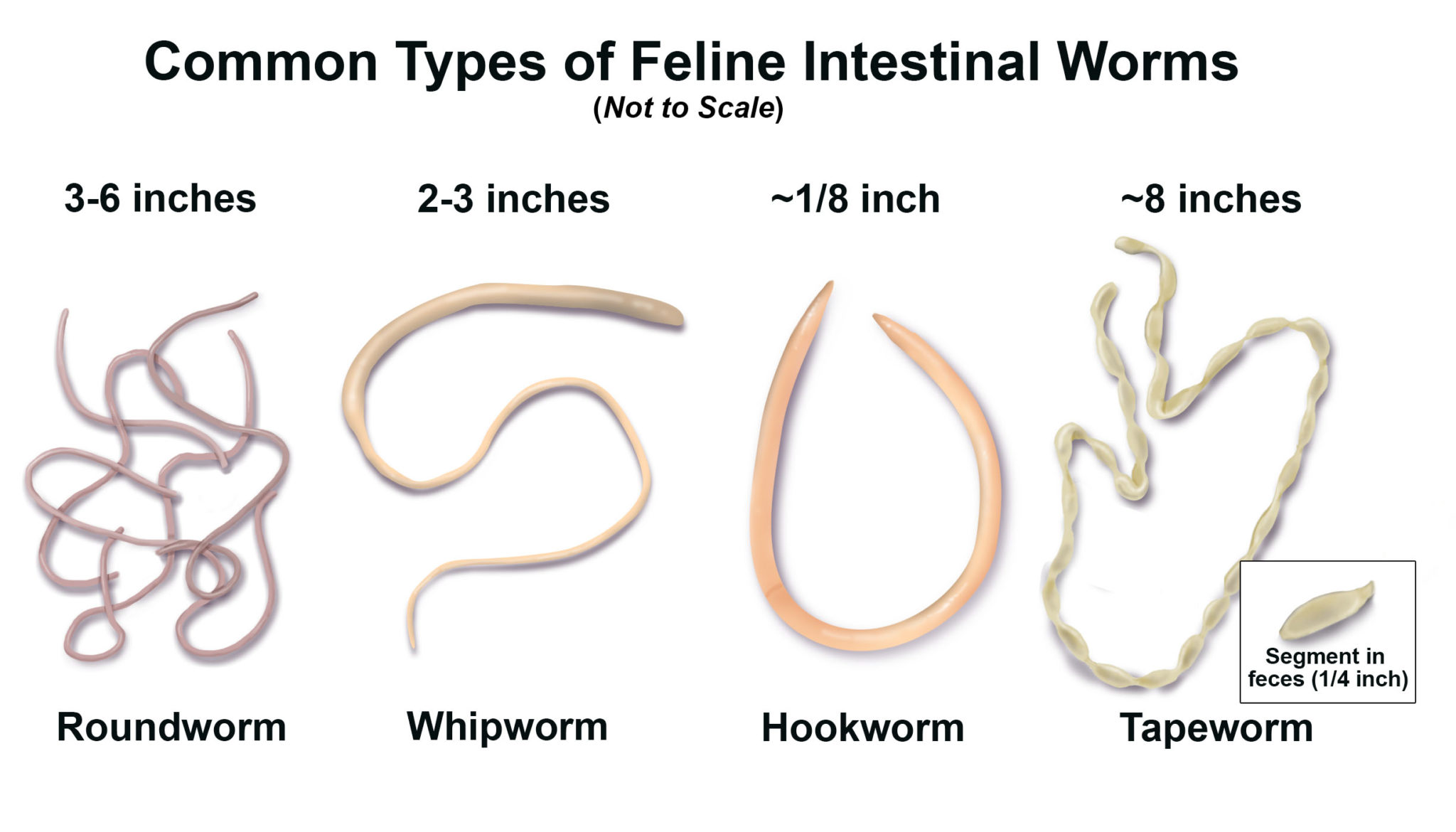
And where do these little rice-lets hang out? They often get stuck around the anal glands, making your dog feel like they’ve got a permanent case of itchy butt. This leads us to the next, and arguably more embarrassing, sign.
The Butt-Scooting Ballet: A Sign of Something More Sinister.
Ah, the infamous butt scoot. You see your dog dragging their hindquarters across the floor like they’re auditioning for a breakdancing competition. While it can be caused by other things, like full anal glands or allergies, tapeworm irritation is a major culprit. Those rogue rice segments are tickling, irritating, and generally making your dog’s nether regions feel like a disco ball gone rogue.
It’s not just a funny visual gag; it’s a cry for help! They’re trying to scratch that impossible itch, to dislodge the invaders. So, if you see more butt-scooting than usual, it’s time to investigate further. Think of it as your dog’s way of saying, “Hey, something’s not right down here, and I’m not talking about needing more belly rubs!”

It’s important to remember that this isn’t a “one and done” situation. As the proglottids detach and move around, they can cause ongoing discomfort and itching. It's like having a tiny, uninvited party guest who keeps rearranging the furniture.
Beyond the Rice Grains: Other Subtle (and Not-So-Subtle) Clues.
While the rice grains and butt scooting are the rockstars of tapeworm symptoms, there are other, sometimes less obvious, signs to watch out for. These can include:
- Changes in Appetite: Your dog might suddenly be ravenous, constantly begging for food as the tapeworm feasts on their nutrients. Or, conversely, they might lose interest in their meals, feeling nauseous or generally unwell. It’s like their internal appetite regulator has gone haywire.
- Weight Loss: Even with a voracious appetite, your dog might start to shed pounds. This is because the tapeworm is literally stealing the goodness from their food before their body can absorb it. Imagine eating a giant pizza and then realizing half of it has mysteriously vanished before it hits your stomach. Frustrating, right?
- Vomiting: In some cases, especially with heavy infestations, you might see your dog vomit. And sometimes, just sometimes, you might even see an actual tapeworm (or a piece of one) in the vomit. This is where things get really exciting, in a way no one ever wants to experience. It’s the visual confirmation that your suspicions were, sadly, correct.
- Diarrhea: While not always present, diarrhea can be another symptom. It’s your dog’s body’s desperate attempt to expel whatever is causing them distress.
- Dull Coat and General Lethargy: When your dog isn’t feeling well, their coat can lose its shine, looking dull and lackluster. They might also become less energetic and more prone to naps, not because they’re being lazy, but because their body is fighting a silent battle.
It’s like your dog is slowly being deflated, piece by piece. The tapeworm is the tiny, unseen thief, siphoning off their energy and vitality. And let’s be honest, a dull coat is about as attractive as a wet dog in a snowstorm.

The Surprising Truth About Tapeworm Segments (and Why You Shouldn't Panic Just Yet!)
Here’s a fun (and slightly disturbing) fact: these detached segments can actually move on their own! Yes, they have little muscles and can wiggle their way around. So, even if you’ve cleaned up a poop with some rice grains, don’t be surprised if you see more migrating around your dog’s bum. They’re like tiny, independent contractors of inconvenience.
Now, here’s the good news: tapeworms in dogs, while unpleasant, are generally treatable and rarely life-threatening. They’re not going to sprout legs and walk away (though sometimes it feels like it with those moving segments!). The most important thing is to recognize the signs and get your dog to the vet. They’ll be able to diagnose the specific type of tapeworm and prescribe the appropriate medication.
Think of your vet as the ultimate exterminator. They’ve seen it all, from the microscopic to the… well, the rice-grain-sized. They’re not going to judge you or your dog. They’re there to help restore your furry friend to their parasite-free, butt-scoot-free glory.
Prevention is Key: Be a Proactive Pup Parent!
So, how do we avoid this whole rice-grain-on-the-butt debacle in the first place? Prevention, my friends! Regular flea and tick prevention is your absolute best friend here. It’s like putting up a “No Vacancy” sign for those flea-borne tapeworm larvae. Talk to your vet about the best options for your dog’s lifestyle.
Also, be mindful of your dog’s eating habits. If they’re prone to scavenging or eating raw meat, supervision and training are crucial. Keep those tempting, potentially parasite-ridden treats out of reach. It’s about being a vigilant guardian of your dog’s digestive tract.
And finally, regular vet check-ups are a must. Your vet can spot early signs of parasites, even before you notice them. So, schedule those appointments, keep up with the preventatives, and keep an eye out for those tell-tale rice grains. Because a happy, healthy, and non-tapeworm-y dog is the best dog of all!