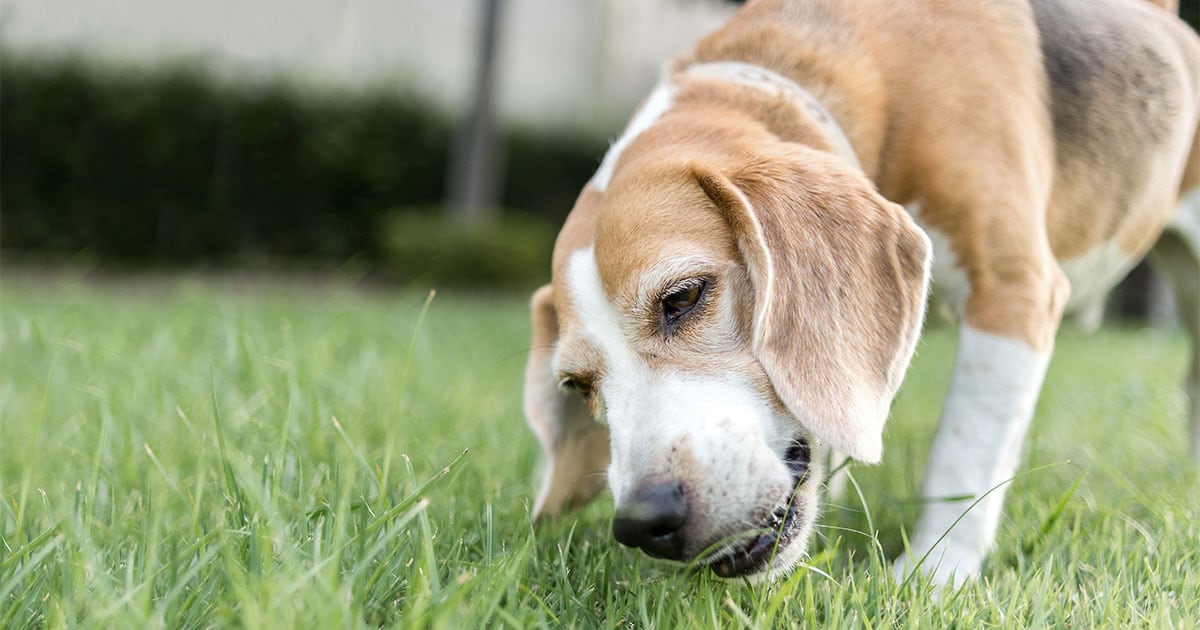
Should I Let My Dog Eat Grass
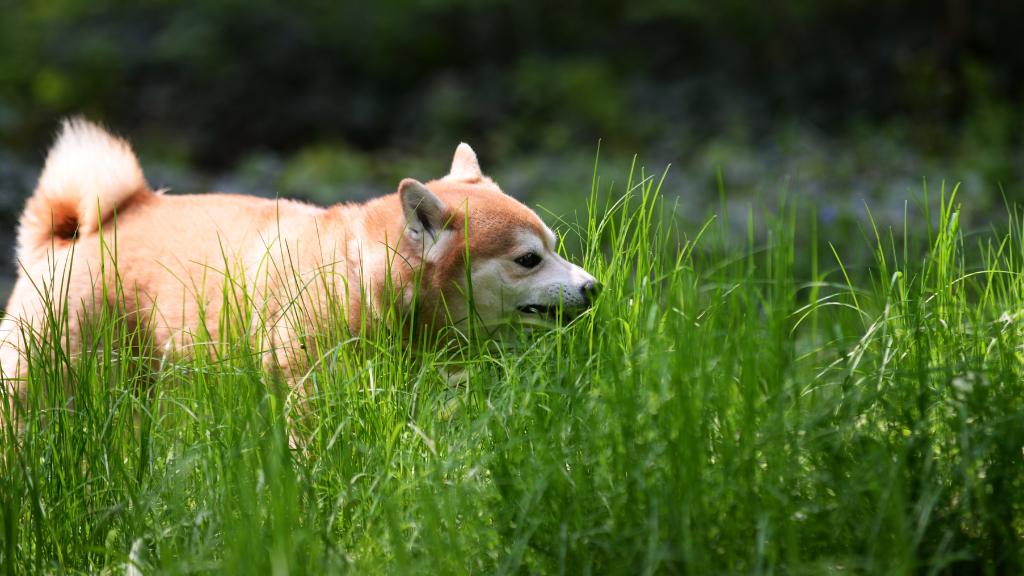
Ah, the age-old question that has probably crossed the mind of every dog owner who’s ever witnessed their furry friend dive headfirst into a patch of clover like a tiny, four-legged lawnmower. "Should I let my dog eat grass?" It sounds so simple, right? Like deciding whether to have toast or cereal for breakfast. But with our dogs, it often feels like a much bigger, more mysterious decision.
You’re out for a walk, enjoying the fresh air, maybe humming a tune, and then it happens. Your usually dignified companion, the one who sniffs every lamppost with the intensity of a bomb disposal expert, suddenly goes full-on grazing mode. Their head is down, their tail might be wagging a little (or maybe they’re just really focused, you never know with dogs), and they’re munching away like they’ve discovered the secret to a long, happy life is a mouthful of dandelions.
And you, you stand there, leash in hand, feeling a mix of mild panic and utter bemusement. Is this normal? Are they okay? Are they secretly a sheep in dog’s clothing? Is this going to lead to… you know… that?
Must Read
Let’s be honest, we’ve all seen it. That little "urp" sound that sometimes follows a particularly enthusiastic grass-munching session. It’s a sound that can send a shiver down your spine, no matter how many times you’ve heard it. It’s like the universe’s way of saying, "Yep, they ate grass. And now, well…”
But before you launch into full-on emergency mode, let’s take a breath and explore this whole grass-eating phenomenon. It’s less a sign of impending doom and more of a quirky canine habit that’s been puzzling us for ages.
The Great Grass Debate: Why Do They Do It?
So, why the sudden urge to become a vegetarian for a few minutes? There are a few theories, and honestly, it’s probably a bit of a mix of them all for different dogs.
One of the most common explanations is that dogs eat grass because they have an upset stomach. Think of it as their natural, DIY antacid. The roughage of the grass, and perhaps the tickling sensation it causes, can trigger vomiting. It’s like they’re saying, "Okay, something’s not sitting right in here, let’s try to… ahem… clear the pipes." You’ve probably experienced something similar, right? That feeling where you just need to… well, you know. It’s not pleasant, but sometimes it’s the quickest way to feel better.
Another theory is that they’re just… hungry. Or maybe they’re not getting enough fiber in their diet. Think about it – if you were a creature whose primary diet was meat, but you occasionally got a bit of kibble, wouldn’t you be tempted by that tempting green stuff in the backyard? It’s like when you’re on a strict diet and you catch a whiff of freshly baked cookies. Resistance is futile!

Then there’s the behavioral aspect. Some dogs might just like the taste or texture of grass. It’s a novel sensation, a little earthy adventure for their taste buds. It’s like us finding a new snack food that’s surprisingly addictive. One day you’re not thinking about it, the next you’ve inhaled half a bag of oddly flavored chips and you can’t explain why.
And for some, it might simply be a learned behavior. They see other dogs doing it, or they’ve done it before and it resulted in a perceived benefit (like that relief after vomiting), so they just keep doing it. It’s like that one friend who always orders the weirdest thing on the menu, and you just follow suit because, hey, maybe it’s good!
It’s also worth noting that some dogs are just more prone to it than others. You might have one dog who’s a meticulous eater, only touching their designated dog food, and then another who’s a free spirit, exploring all the culinary delights the natural world has to offer.
Is it Harmful? The Doggie Diet Dilemma
So, the big question: is it actually bad for them? In most cases, the answer is a resounding no, not really. If your dog nibbles on grass occasionally and doesn’t seem unwell afterward, you’re probably in the clear.
However, there are a few caveats. Think of it like eating a questionable-looking berry you find on a hike. Most of the time, it’s probably fine. But sometimes, you just don’t want to risk it, right?
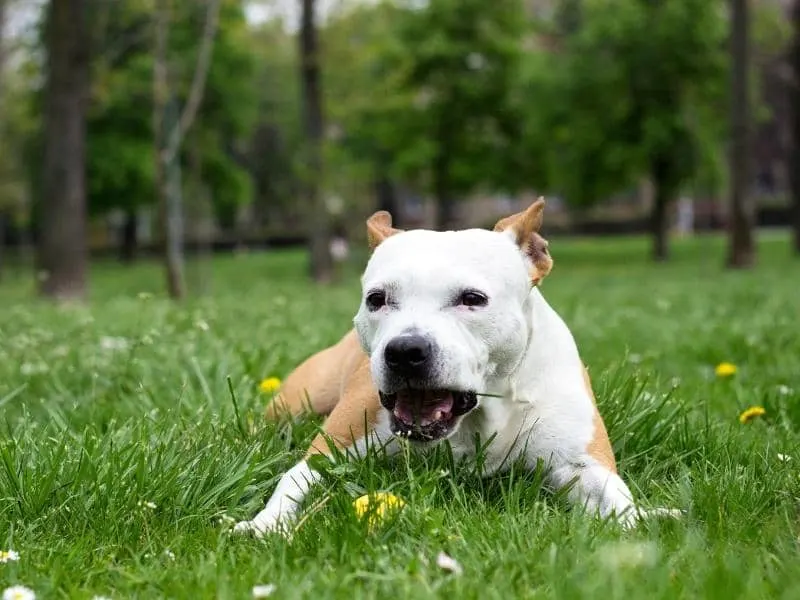
The main concern is what might be on the grass. If the grass has been treated with pesticides or herbicides, that’s obviously not good. It's like accidentally eating a salad that's been doused in cleaning fluid – nobody wants that. So, if you’re in an area where you suspect chemicals have been used, it’s best to steer your pup clear.
Also, avoid areas where other animals might have… well, left their mark. Nobody wants their dog ingesting something that’s best left to the ecosystem’s natural decomposition processes. It’s a bit like trying to pick up litter off the street – you’re just not sure what you’re going to get.
And if your dog is eating grass to the point of making themselves sick every single time, or if they’re showing other signs of illness like lethargy, diarrhea, or vomiting without apparent cause, then it's definitely time to have a chat with your vet. They’re the ultimate authority on all things doggy health, and they can help you figure out if there’s an underlying issue.
But for the casual grass nibbler? They’re probably just enjoying a little green snack.
The Vomiting Conundrum: Is it a Sign of Trouble?
Ah, the dreaded "urp." It’s the sound that makes dog owners everywhere pause, look around frantically, and then sigh with a mixture of resignation and concern. Is grass-eating always a prelude to a colorful mess on your freshly cleaned floor?
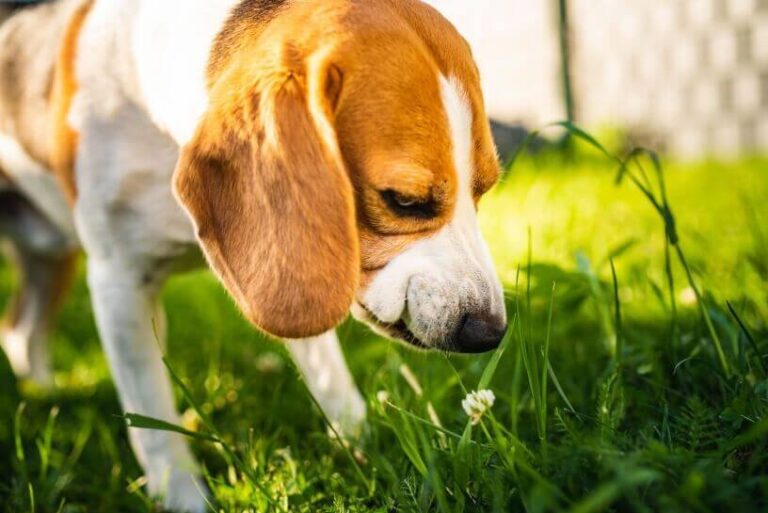
Not necessarily. While it's true that many dogs vomit after eating grass, it's not a universal rule. Some dogs can happily graze without any ill effects. It's a bit like how some people can handle spicy food and others… well, others reach for the milk within seconds.
If your dog does vomit after eating grass, and it’s an isolated incident, it's likely their way of clearing their stomach. They might have eaten something that didn't agree with them, or they just felt a bit off, and the grass was their chosen method of self-medication. You’ve probably done something similar, right? You’ve felt that uncomfortable fullness, and suddenly you just feel the need to… well, you get the idea.
The key is to observe. If this happens frequently, and your dog seems uncomfortable or distressed, then it’s worth investigating further. A vet can help rule out any underlying digestive issues or dietary deficiencies. They might suggest a change in food, or perhaps a supplement to help with their digestion. It’s like when you’re feeling a bit sluggish, and you realize you need more iron in your diet – a simple fix can make all the difference.
But if it’s a one-off event, and your dog goes back to their happy, bouncy self afterwards, then you can probably chalk it up to a quirky canine habit.
When to Worry (and When to Just Roll Your Eyes and Smile)
So, when should you start brewing the vet appointment? As we touched upon, a few red flags might indicate something more is going on:

- Frequent and excessive grass eating: If your dog is spending more time grazing than playing fetch, it might be a sign they’re trying to address something.
- Vomiting after every grass-eating session: This isn’t just a one-off attempt to feel better; it’s a pattern that could indicate discomfort.
- Other symptoms of illness: Lethargy, loss of appetite, diarrhea, or changes in behavior alongside grass-eating are all reasons to seek professional advice.
- Eating grass in areas with potential toxins: This is a no-brainer. Keep them away from treated lawns or areas you suspect are contaminated.
But for most of us, the occasional backyard munchies are just part of the charm of owning a dog. They’re little creatures with big personalities, and sometimes those personalities involve a sudden, inexplicable urge to consume chlorophyll.
Think about it. You’re out in the park, your dog is gleefully rolling in the grass, and then, chomping noises. You could get worked up about it, or you could just smile. Because honestly, it’s a pretty funny sight. They look so pleased with themselves, like they’ve just discovered the meaning of life in a blade of grass.
It’s those little quirks that make us love them, isn’t it? The way they chase their tail with utter seriousness, the way they greet you at the door like you’ve been gone for a decade, and the way they sometimes decide that the best snack on earth is right there, under their paws.
So, should you let your dog eat grass? In moderation, and with a keen eye for any potential hazards, the answer is generally yes. It’s a natural behavior, and for most dogs, it’s not a cause for alarm. Just make sure the grass is safe, and if you have any concerns, your vet is always your best friend. Otherwise, let them enjoy their little green indulgence. It’s just another one of those delightful mysteries that makes life with a dog so wonderfully… dog-like.
After all, who are we to judge? We’ve all had those moments where a simple salad just doesn't cut it, and we crave something a little more… primal. Our dogs are just a lot more honest about it!
So next time you see your furry friend embarking on their grassy adventure, take a moment to appreciate it. It’s a small, harmless, and often hilarious part of the doggy experience. And who knows, maybe they’re just trying to tell us something about the simple joys of nature. Or maybe they just really like the taste of lawn.