Rib Eye Steak Vs T Bone Steak
I remember my first real steakhouse experience. I was maybe fourteen, a gangly kid with an insatiable appetite and absolutely no idea about the finer things in life. My parents, bless their hearts, decided it was time for a "grown-up" meal. We walked into this place that smelled of butter and something wonderfully, mysteriously savory. The menus were thick and intimidating. I, of course, pointed at the most expensive thing I could find – probably a misguided attempt at being fancy. It turned out to be a T-bone. I had no clue what that meant, just that it looked epic on the menu description.
When it arrived, it was a beast. A bone right in the middle, like a tiny, edible prehistoric fossil. And then, the taste. Oh, the taste. It was a revelation. But even then, I vaguely recall my dad nudging my mom and saying something about how he preferred his usual Ribeye. And that's when the seed of steak knowledge, however small and dusty, was planted in my young brain. This whole steak thing? It wasn't just about grilling meat; it was about choices. And that, my friends, is a slippery slope that inevitably leads to the age-old debate: Ribeye versus T-bone.
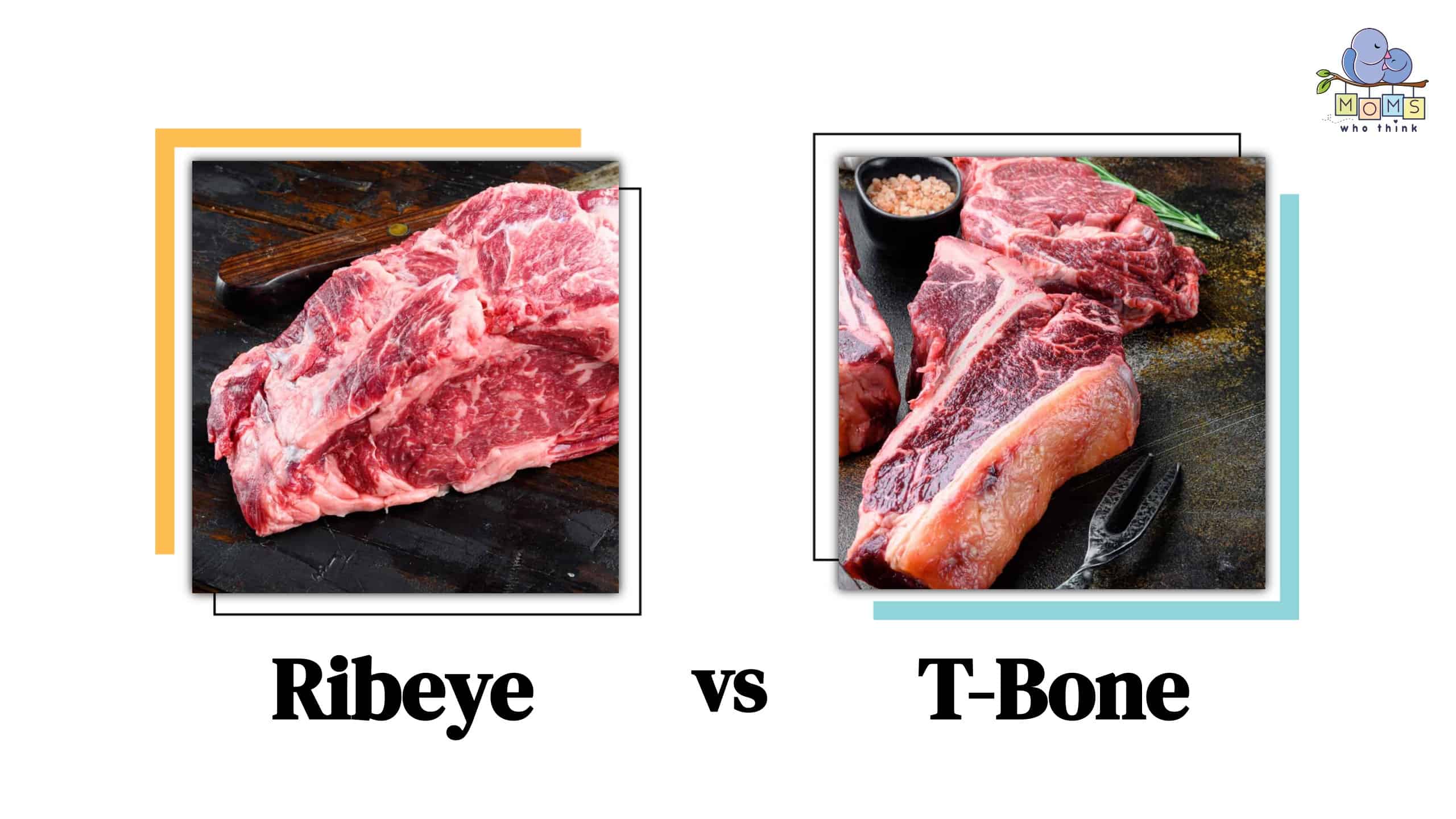
So, let's dive into the delicious world of premium beef cuts. We're not talking about the sad, greyish pucks you sometimes see masquerading as steak at a budget barbecue. No, no, no. We're talking about the real deal. The kind of steaks that make you want to put on your best sweatpants and declare it a national holiday. And at the heart of many a steak lover's conundrum are these two titans: the Ribeye and the T-bone. They’re both fantastic, don't get me wrong. But they are, dare I say, different breeds of delicious.
Must Read
The Contenders Enter the Ring
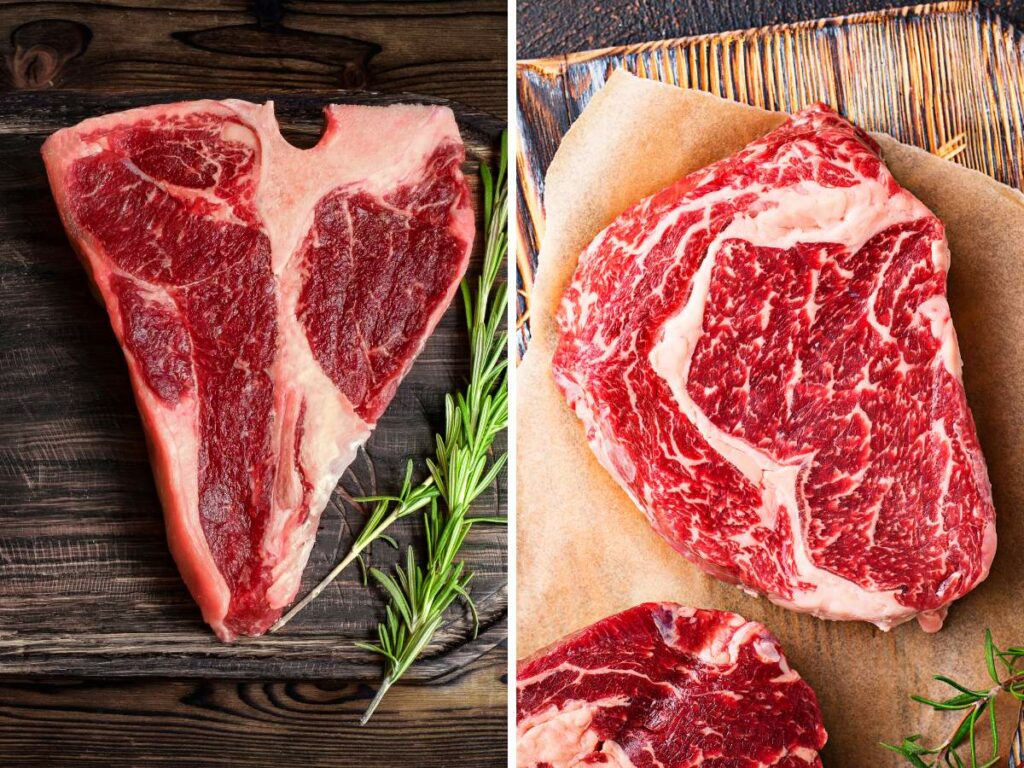
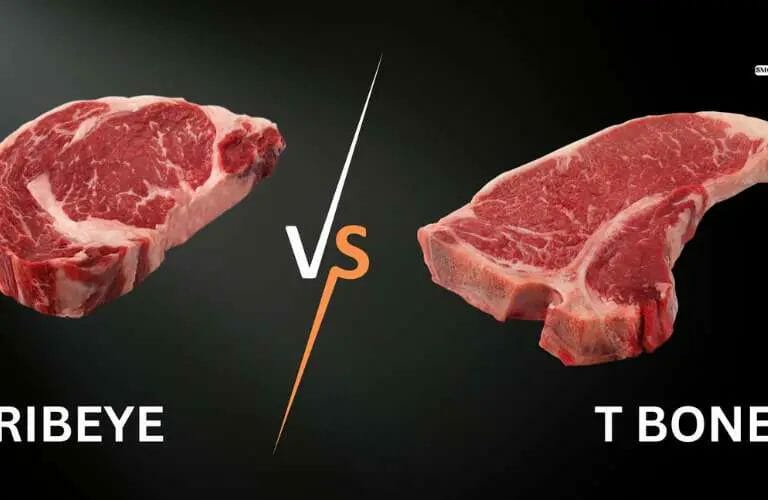
Picture this: you’re at the butcher counter, or scrolling through an online gourmet shop, and there they are. Two glorious cuts, promising untold culinary joy. One is often a beautiful, marbled disc. The other, a formidable presence with a bone jutting out like a culinary exclamation point.
Let's start with the undisputed king of marbling, the Ribeye. This beauty comes from the rib section of the cow, as the name so helpfully suggests. And what’s special about the rib section? Well, it's a less worked muscle. Think about it: the ribs are pretty much just chilling there, providing protection. This means the muscle fibers are more tender, and crucially, it’s where the magic of intramuscular fat, or marbling, really shines. That little web of white fat interspersed throughout the red meat? That's your ticket to flavor town, folks. It melts during cooking, basting the steak from the inside out, creating an unbelievably juicy and tender experience.
The Ribeye is often prized for its rich, buttery flavor. It has a lovely beefy taste that’s amplified by the fat. It's also incredibly versatile. You can get it boneless, which is super convenient for grilling and slicing, or bone-in, which some argue adds even more flavor during cooking due to the marrow and bone juices. It’s the steak that whispers sweet nothings of indulgence. The one you order when you want to feel truly pampered.
Now, let’s pivot to the T-bone. This is a steak with a bit of a dual personality. It’s a cut from the short loin, and it's defined by that distinctive T-shaped bone that separates two different muscles: the larger, more tender New York Strip (also known as the Kansas City Strip or Sirloin) on one side, and the smaller, incredibly succulent filet mignon on the other. It's like getting two steaks for the price of one, a real bargain for the indecisive or the greedy. 😉

The appeal of the T-bone is undeniable. You get the robust, chewy texture and bold flavor of the strip, and then, BAM! You hit the jackpot with the melt-in-your-mouth tenderness of the filet. It's a culinary adventure on a plate. However, it's important to note that the filet mignon on a T-bone is typically smaller than a standalone filet. And because it contains two distinct muscles with different cooking times, it can be a bit trickier to cook perfectly. You might find one side is just right, while the other is leaning towards a bit too done or not done enough. This is where your grilling prowess, or your trusty meat thermometer, really comes into play. Are you up for the challenge?
The Flavor Profile: A Tale of Two Textures
When we talk about flavor, it's not just about the beefiness. It's about how that beefiness is delivered. The Ribeye, with its abundant marbling, offers a consistent, rich, and almost sweet beef flavor. Each bite is a celebration of pure, unadulterated steak. It’s forgiving, too. Even if you’re not a seasoned grill master, a Ribeye is more likely to stay juicy and flavorful. The fat is your built-in safety net.
The T-bone, on the other hand, is a symphony of contrasting textures and flavors. The New York Strip side brings a more pronounced beefy character, a firmer chew, and a slightly more robust taste. It’s the steak that makes you feel like you’re really sinking your teeth into something substantial. Then you get to the filet mignon side, and it’s a completely different ballgame. It’s delicate, tender, and almost melts on your tongue. Its flavor is milder, more refined. So, when you're eating a T-bone, you're constantly shifting your palate, experiencing a dynamic range of sensations. It’s the steak that keeps you on your toes, in the best possible way.
Think of it this way: the Ribeye is like a perfectly smooth, creamy chocolate truffle. It’s consistently decadent. The T-bone is more like a box of assorted chocolates. You get a variety, and each piece offers a unique experience. Sometimes you bite into a rich caramel, other times a delicate ganache. Both are delicious, but they cater to different cravings.

Cooking Conundrums: The Ribeye's Ease vs. The T-bone's Tango
Now, let's get practical. For many home cooks, especially those just starting their steak journey, the Ribeye is the more approachable option. Its generous marbling means it’s incredibly forgiving. It’s hard to completely ruin a Ribeye. Even if you overcook it a little, the fat will keep it moist and flavorful. It’s the kind of steak that makes you look like a culinary genius, even if you’re just following a simple recipe. Plus, it’s usually a beautiful, uniform thickness, making it easy to get an even sear.
The T-bone, however, presents a bit more of a challenge. Because it has two distinct muscles with different fat content and densities, it requires a bit more attention to detail. The filet will cook faster than the strip. This means you might need to employ techniques like starting it in a pan and finishing it in the oven, or carefully rotating the steak to ensure both sides reach your desired level of doneness without one overcooking the other. It’s a bit of a dance, a culinary tango, if you will. It demands precision. But when you nail it? Oh, the satisfaction!
And let’s not forget the bone! The bone on a T-bone is part of its charm, but it can also make cooking more uneven. It acts as an insulator, meaning the meat directly against the bone will cook slower. So, you really have to be mindful of that. Some people swear by grilling a T-bone over very high heat to get a good sear on both sides, then moving it to a cooler part of the grill to finish. Others prefer a reverse sear method – slow cooking in the oven until it’s almost done, then searing it at the very end. It’s a steak that rewards experimentation and a keen eye.
The Price Point: Does Your Wallet Agree?
Generally speaking, Ribeye steaks tend to be a bit more expensive than T-bone steaks, pound for pound. This is primarily due to the fact that the rib section is considered a more premium cut. The marbling is highly desirable, and it yields a higher quality steak. You’re paying for that consistent tenderness and rich flavor. It's the luxury sedan of the steak world.

T-bones, while still a premium cut, can sometimes offer a bit more bang for your buck. Because they include two different muscles, the overall weight of the steak can be higher, and the inclusion of the strip alongside the filet can make it feel like a more substantial meal for the price. It's the SUV with all the features – a bit of everything for a solid value.
However, this can vary wildly depending on the quality of the beef, the butcher, and your location. A prime Ribeye can certainly cost more than a good T-bone. And sometimes, a particularly well-aged or grass-fed T-bone might surprise you with its price tag. It’s always worth comparing!
When to Choose Which: A Steak Lover's Guide
So, when do you reach for the Ribeye, and when does the T-bone call your name? It really boils down to your mood, your guests, and your confidence in the kitchen.
Choose the Ribeye when:

- You want a consistently tender and juicy steak with a rich, buttery flavor.
- You're looking for a forgiving cut that’s relatively easy to cook perfectly.
- You're serving guests who might be a bit more particular about their steak texture (i.e., they love that melt-in-your-mouth quality).
- You're feeling a bit lazy but still want an absolutely delicious steak. No judgment here!
- You're craving that pure, unadulterated beefy goodness.
Choose the T-bone when:
- You enjoy a steak with contrasting textures and flavors – the best of both worlds.
- You love the satisfaction of a good challenge and enjoy the process of cooking a steak to perfection.
- You want to impress your guests with a steak that’s visually striking and offers a unique dining experience.
- You're feeling adventurous and want to explore the nuances of different beef muscles.
- You want that bone-in flavor and the fun of gnawing on the bone afterward (don't lie, we all do it!).
The Verdict? It's All Subjective!
Ultimately, there’s no "winner" between the Ribeye and the T-bone. They are both exceptional cuts of beef that offer different, yet equally delightful, experiences. It’s like asking if you prefer chocolate cake or apple pie – both are classics for a reason!
I’ve had Ribeyes that were so marbled, so tender, they made me question my life choices (in a good way, of course). And I’ve had T-bones cooked to absolute perfection, where the strip was flavorful and the filet was like butter, that I’ve dreamt about for weeks.
My advice? Don't get too hung up on the debate. Try them both! Experiment with different cooking methods. See which one sings to your palate the most. And remember, the most important ingredient in any steak is passion. Whether you're grilling a humble sirloin or a prime Ribeye, cook it with love, serve it with pride, and enjoy every single delicious bite. That’s the real secret to a perfect steak, isn’t it?
So, the next time you find yourself staring down the steak case, remember this little ramble. Consider your preferences, your cooking skills, and your desire for culinary adventure. And then, go forth and grill with confidence!