Reporting Disruptive Behavior: Why It Matters And What To Do

Imagine a world where every shared space – your workplace, your school, your online community – is a beacon of calm, productivity, and respect. While utopia might be a stretch, the path to a more harmonious environment is surprisingly simple and incredibly empowering. It’s about understanding the silent superpower we all possess: the ability to foster a positive atmosphere by addressing behaviors that dim its shine. This isn’t about being a busybody; it’s about being a guardian of good vibes, and that's a role everyone can play with confidence and purpose.
Why Reporting Disruptive Behavior Matters
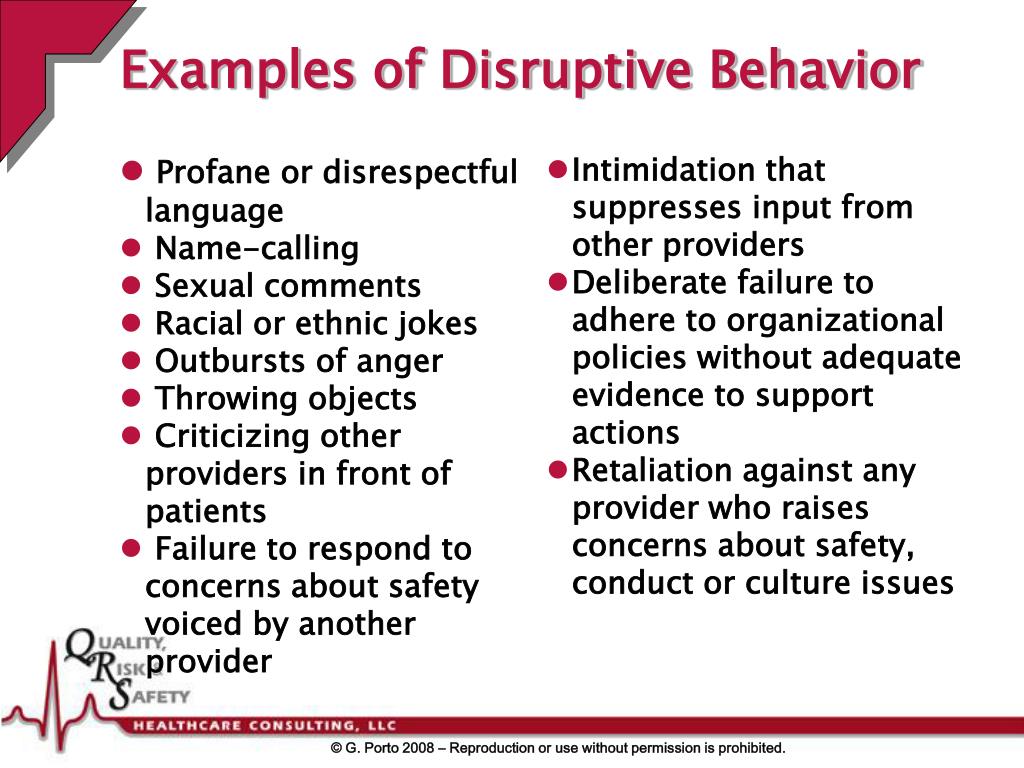
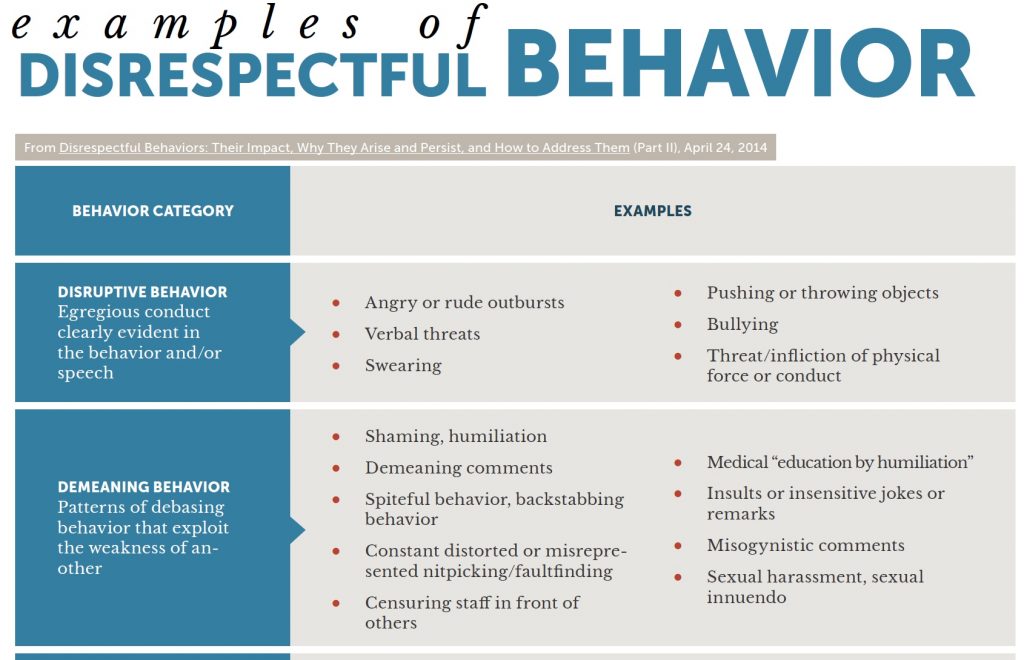
Disruptive behavior isn’t just annoying; it erodes trust, drains productivity, and can even create unsafe environments. From chronic lateness that holds up team meetings to outright harassment, these actions chip away at the foundation of any functioning group. So, why does reporting it matter?
Firstly, it’s about safety. Some disruptive behaviors, if left unchecked, can escalate into serious threats or discrimination. Reporting acts as an early warning system, allowing appropriate intervention before things get out of hand, ensuring everyone feels secure in their surroundings.
Must Read
Secondly, it's about fairness and equity. When one person consistently acts disruptively, it often disproportionately impacts others, creating an uneven playing field. Reporting helps ensure that everyone has an equal opportunity to thrive without undue hindrance, fostering a more just environment for all.
Thirdly, it upholds standards. Every community, organization, or platform has guidelines for conduct. Reporting isn't just about policing; it's about reinforcing the shared values and expectations that everyone agreed to. It sends a clear message: "This behavior isn't acceptable here," and helps maintain the integrity of the collective space.
Finally, and crucially, reporting empowers the community. It shows that individuals are not alone, that their well-being is valued, and that collective action can lead to positive change. It transforms a passive tolerance of bad behavior into an active commitment to a better shared future, making everyone feel like a valuable contributor to the overall atmosphere.

What To Do: Your Guide to Action
Okay, so you’ve spotted something that feels off. Now what? Taking action can seem daunting, but breaking it down makes it much more manageable.
Step 1: Assess and Document.
Before you do anything, take a moment. Is this a one-off minor annoyance, or a pattern of significant disruption? While minor issues might sometimes be handled directly (if safe and appropriate), anything that impacts safety, productivity, or respect generally warrants formal reporting. Gather the facts: What happened? When did it happen? Where? Who was involved? Were there any witnesses? Be as objective and factual as possible. Avoid opinions or hearsay; stick to observable behaviors.
"Facts are stubborn things; and whatever may be our wishes, our inclinations, or the dictates of our passions, they cannot alter the state of facts and evidence." - John Adams.
Step 2: Know Your Channels.
Most organizations, workplaces, and online platforms have established procedures for reporting. This might be your HR department, a direct manager or supervisor, a dedicated ethics hotline, or an online reporting form. Familiarize yourself with these channels before you need them. The goal is to report to the person or department specifically designated to handle such matters, ensuring your report goes to the right place for effective action.
Step 3: Make the Report.
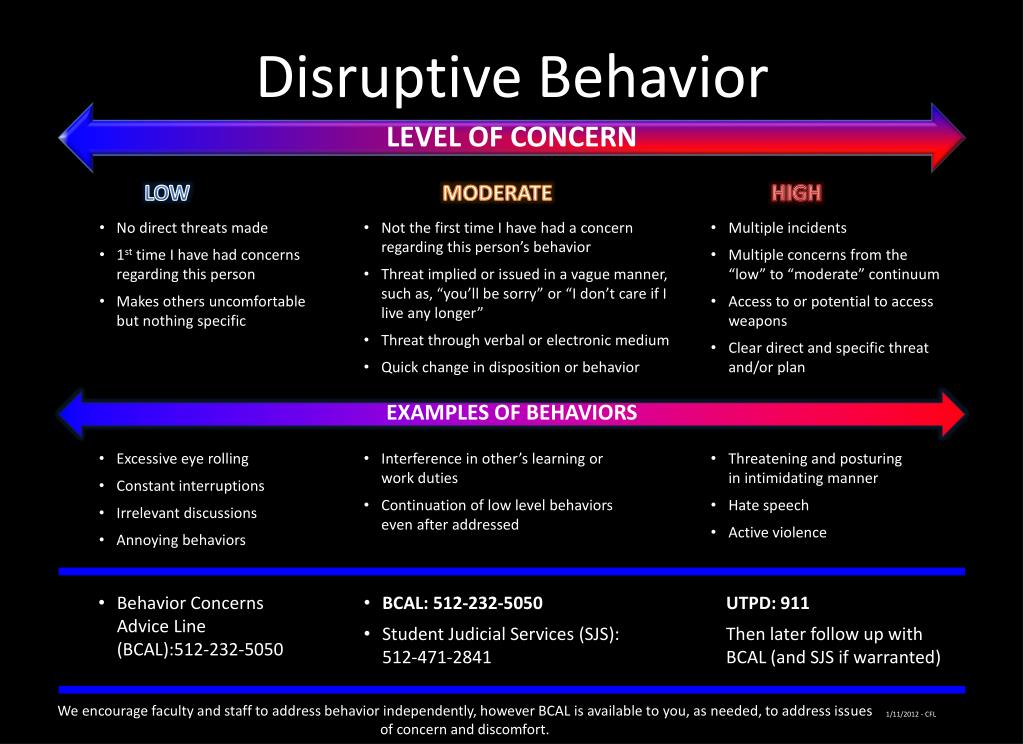
When you report, be clear, concise, and provide all the documented details. Explain the impact of the behavior – how it affects you, your team, or the overall environment. If you're reporting anonymously (and the system allows it), understand the limitations this might place on further investigation, but know that your input is still valuable in flagging potential issues.
Step 4: Understand the Process (and Follow Up, If Appropriate).
Once you’ve reported, the ball is usually in the organization's court. They should have a process for investigation and resolution. While you might not be privy to the details of their disciplinary actions due to privacy concerns, you might be informed that the matter is being addressed. If you don't hear anything within a reasonable timeframe, a polite follow-up (through the same channel you reported to) is perfectly acceptable to inquire about the status, demonstrating your continued commitment to a positive resolution.

What Not To Do:
While taking action is important, personal confrontation can sometimes escalate a situation, especially if the behavior is aggressive or volatile. Unless it's a very minor issue and you feel completely safe, it's often best to let the designated professionals handle it. Do not engage in retaliation or gossip; maintain discretion throughout the process to ensure a fair and effective resolution.
Reporting disruptive behavior isn't about being a tattletale; it's about being an active, responsible member of any community you're a part of. It’s a proactive step towards cultivating environments where everyone feels respected, safe, and empowered to do their best work or simply enjoy their surroundings. By understanding why it matters and what to do, you become an essential architect of positive change, one thoughtful report at a time. Embrace this superpower, and help build the harmonious spaces we all deserve.