Paint Peeling Off Wall

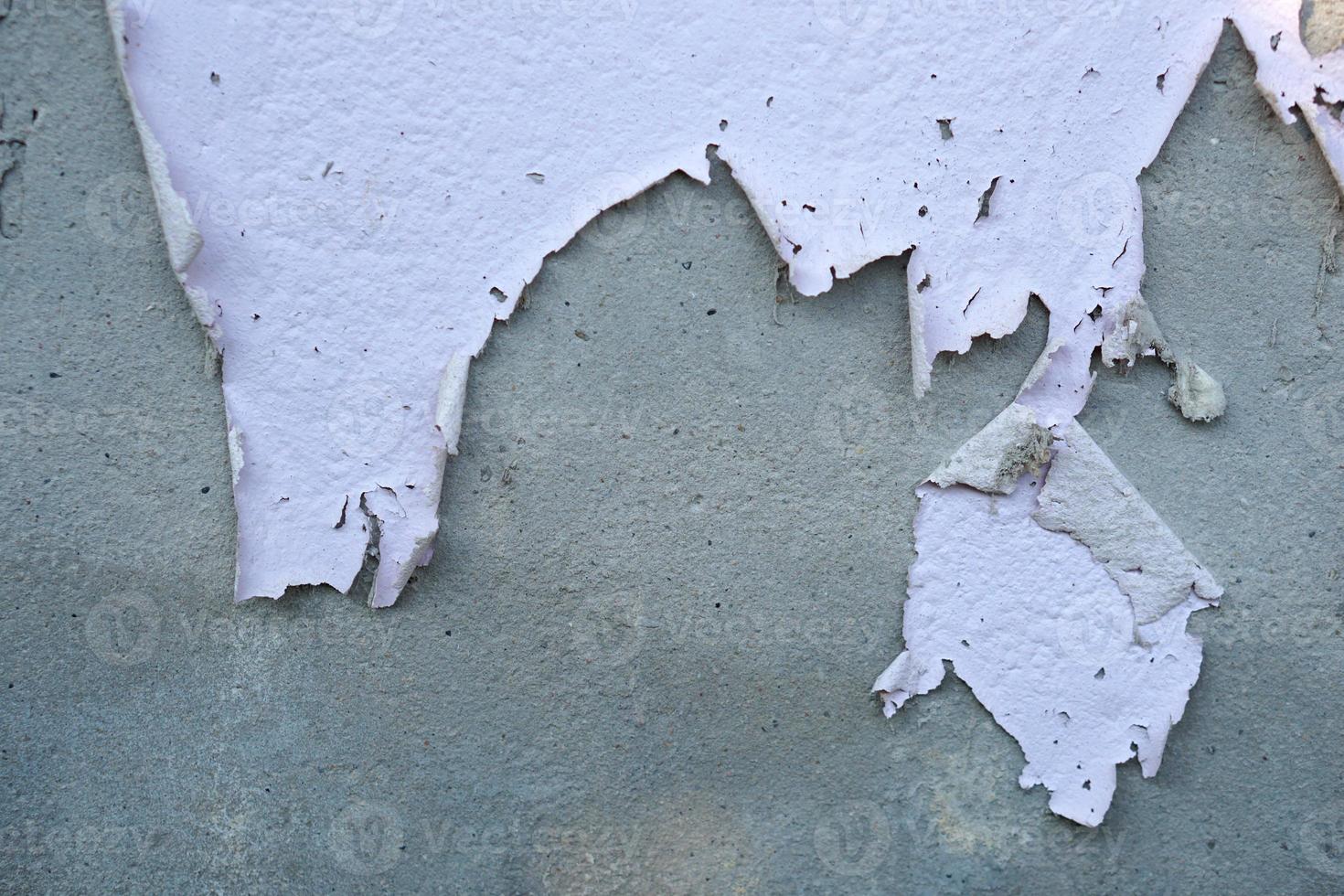
So, you’ve noticed it, haven't you? That little curl of paint at the edge of your wall, looking a bit like a tiny, defeated flag. Or perhaps it’s a whole section, a veritable landscape of peeling, flaking, and generally looking… sad. Don't worry, you're not alone. This is a tale as old as time, or at least as old as the last time someone decided to slap a fresh coat of paint on a wall without a bit of prep work.
It's kind of like when you bake a cake, and you’re just so excited to get it out of the oven, you forget to let it cool properly. You slice into it, and bam – it’s all gummy and falling apart. Same principle, really, but with paint. It’s not always a disaster, but it certainly doesn't look its best, and it can be a little bit of a headache to deal with.
Think of your wall paint like the skin on your arm. Mostly, it stays put, right? It’s smooth, it’s all one piece, and it does its job of… well, being skin. But if you get a bit of a scratch, or a dry patch, it can start to peel. And while a tiny flake on your arm isn't the end of the world, a whole wall doing the same thing is a different story.
Must Read
Why does this happen, you ask? Well, it’s usually a few things conspiring against your perfectly painted walls. The biggest culprit? Moisture. Yep, that sneaky stuff. It’s like the ultimate paint saboteur. If your bathroom walls are constantly steamed up from those epic, long showers you love (we get it!), or if you’ve got a leaky pipe hiding behind the plaster, that moisture can seep into the paint layers. And when paint gets wet, especially repeatedly, it can lose its grip.
Imagine trying to stick a Post-it note onto a damp surface. It just won’t hold, will it? The same thing happens with paint. The moisture gets between the paint and the wall, weakening the bond. Over time, those weakened spots just give up the ghost and start to peel.

Another common reason is a lack of proper preparation. When you're painting, it’s not just about slapping on the color. It’s about creating a good foundation. Think of it like building a house. You wouldn't just start putting up the walls without a solid base, would you? You need to prime the surface. Primer is like the super-glue of the paint world. It helps the paint stick really, really well. If someone skipped the primer, or didn’t clean the wall thoroughly before painting – say, there was grease or dust – the paint might have trouble adhering properly.
And let's not forget the quality of the paint itself. Sometimes, the cheaper paints just don't have the staying power of their more expensive counterparts. It’s like buying a discount brand of cereal. It might look the same on the shelf, but once you get it home, it’s a bit… crumbly. Good quality paint has better binders, which are the sticky bits that hold the pigment together and to the wall.
So, why should you even care about a little bit of peeling paint? Well, beyond the obvious aesthetic, it's actually a sign that something might be going on. It’s the wall's way of saying, "Hey, something’s up here!"

Firstly, it’s not exactly a vibe, is it? Waking up to see your bedroom looking like it’s shedding its skin is hardly the most inspiring start to the day. It can make your home feel less like a sanctuary and more like a fixer-upper that’s perpetually "in progress." Imagine having guests over, and they’re staring at a wall that looks like it’s got a bad case of the sniffles. You might feel a little embarrassed, or at least slightly apologetic.
Secondly, and more importantly, that peeling paint can be a gateway for other problems. Once the paint is compromised, it exposes the underlying wall material to the elements. This means more moisture can get in, potentially leading to mold and mildew growth. And nobody wants mold hanging out in their living space. It's not good for your health, and it can be a real pain to get rid of.
Think of it like a tiny crack in your favorite mug. At first, it’s just a little imperfection. But if you keep using it, especially with hot liquids, that crack can widen, and eventually, the whole thing could fall apart. Peeling paint is that initial crack for your wall.

Also, those loose flakes of paint can be a hazard, especially if you have young children or pets. Little fingers might be tempted to pick at them, and nobody wants to ingest old paint. While modern paints are generally safer than they used to be (thank goodness for the phasing out of lead paint!), it’s still best to avoid ingesting them.
So, what’s the game plan when you spot this flaky foe? Don’t panic! Most of the time, it's a fixable situation. The first step is usually to gently scrape away the loose paint. You want to get all the flaky bits off until you reach a solid edge. Think of it like trimming a hangnail – you want to remove the annoying bits that are coming loose.
Once you've got a smooth surface, you might need to fill in any gaps or imperfections with a bit of filler. Then comes the all-important priming. Don't skip this step! A good coat of primer will create a nice, even surface for your new paint to adhere to.
And then, you get to do the fun part: painting! Apply a couple of coats of good quality paint, and you should have a wall that looks and feels fresh and healthy again. It’s a little bit of effort, but the result is so worth it. It’s like giving your house a little spa treatment!
If the peeling is extensive or keeps coming back, it might be worth investigating the root cause. Is there a hidden leak? Is there a persistent moisture issue in that room? Getting to the bottom of it will save you a lot of headaches (and repaintings!) in the long run. It’s like a detective mission for your walls!
Ultimately, taking care of your walls, even the small stuff like peeling paint, is a way of taking care of your home. It’s about creating a space that’s not only beautiful but also healthy and well-maintained. And honestly, there’s a real sense of satisfaction that comes with a job well done, and a wall that’s proudly, smoothly, and perfectly painted. So next time you see that little curl of paint, don't just sigh. See it as an opportunity to give your home a little love!