
Oil In Water And Water In Oil
Ever looked at salad dressing and wondered about its secrets? That creamy, delicious concoction you drizzle on your greens? Well, it's a tiny, tasty miracle of chemistry, and it's all about how two very different things decide to get along.
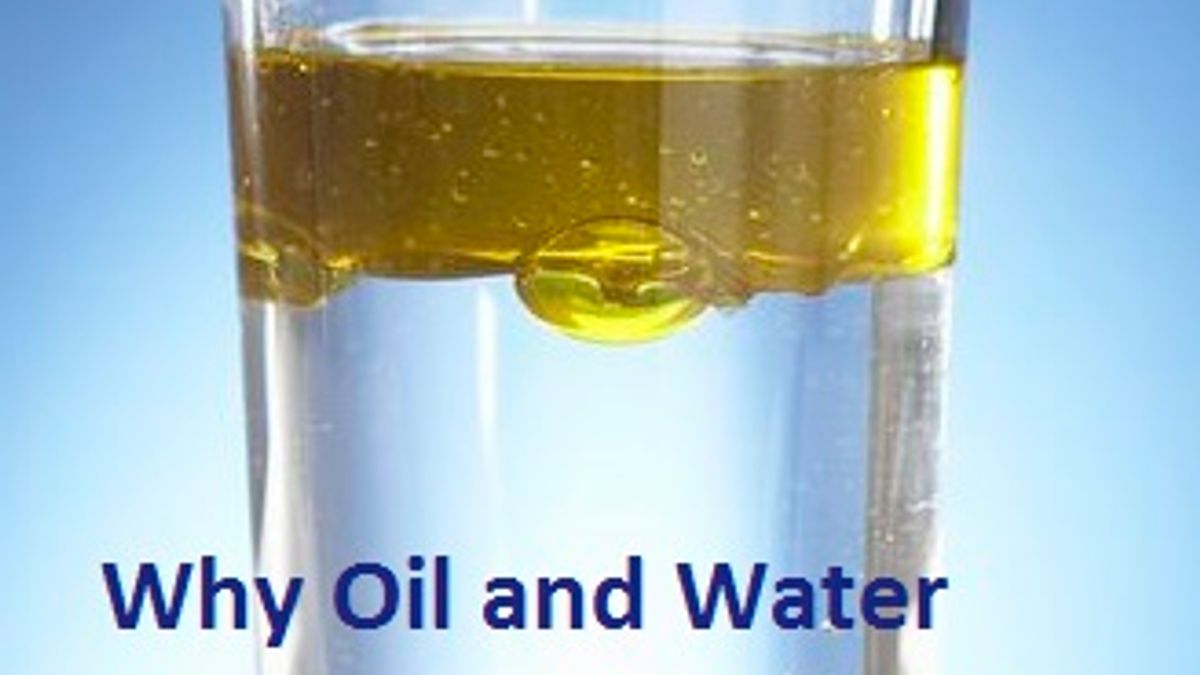
We're talking about oil and water. They're like the ultimate odd couple, the yin and yang of your kitchen. They just don't naturally want to mix, and if you've ever tried to stir them together without a little help, you know what I mean. They just separate, with the oil floating stubbornly on top, looking down its nose at the water below.
But sometimes, when we're cooking, something magical happens. We get emulsions! These are the fancy names for when oil and water decide to be best buddies, at least for a while. It’s like throwing a party where everyone, even the shy ones, are having a blast together.
Must Read
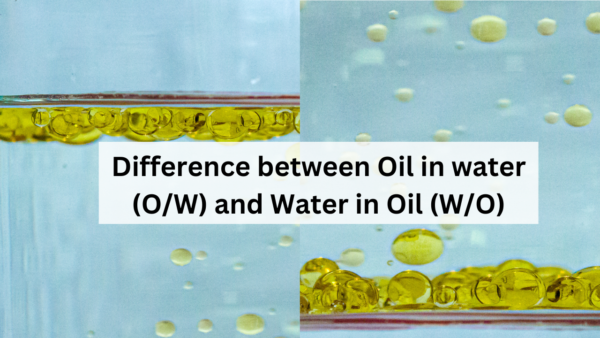
There are two main types of these kitchen parties: oil-in-water and water-in-oil. Think of them as different dance styles. One lets the water lead, and the other lets the oil take the spotlight.
Let's start with oil-in-water. This is probably the most common type you'll encounter. Imagine tiny little droplets of oil, like miniature golden pearls, getting suspended all throughout the water. The water is the big happy crowd, and the oil droplets are like little groups of friends mingling happily within it.
The most famous example? That lovely, creamy mayonnaise you love on your sandwich. It's a masterpiece of oil-in-water. It starts with egg yolks, which are like the super-connectors of the kitchen. They have special little bits that help the oil and water hold hands and stay together.

When you whisk those egg yolks with oil and a touch of vinegar or lemon juice (which is mostly water), something amazing happens. Those little bits in the egg yolk, called lecithin, are like tiny peacemakers. They surround the oil droplets, preventing them from clumping back together. It’s a silent, microscopic diplomacy happening right in your bowl.
Another great example is milk. It’s full of tiny fat globules (oil) floating in a watery solution. It looks so smooth and inviting because those fat droplets are incredibly small and evenly spread. It's like a gentle hug from nature, keeping everything cozy and blended.
And what about that bright, zesty vinaigrette for your salad? When you shake it up vigorously, you create a temporary oil-in-water emulsion. The oil droplets are all mixed into the vinegar. It’s a fleeting friendship, though, which is why you often have to shake it again right before you use it!
Now, let’s switch gears to the other dance: water-in-oil. This is where the oil is the main star, the one holding court. Imagine a big, luxurious pool of oil, and then tiny little droplets of water are scattered throughout it, like little surprises.

The king of water-in-oil? Butter! Think about it. Butter is made by churning cream. Cream is mostly water with fat globules. When you churn it, you break down the membrane around those fat globules, and they start to stick together, forming a continuous oily phase with tiny water droplets trapped inside.
It's this structure that gives butter its rich, smooth texture. The fat surrounds everything, making it feel so decadent. It’s a delightful contrast to the lighter feel of oil-in-water emulsions.
And then there's margarine. It's designed to mimic butter and also falls into the water-in-oil category. It's a carefully crafted blend to give you that same spreadable, rich experience.
What about something a bit more unexpected? Ice cream! While it has a lot of water in its base, the fat from the cream is dispersed in tiny droplets within that watery base, but in a way that creates a smooth, creamy texture that feels like it’s melting on your tongue. It’s a delicate balance, but the fat plays a crucial role in giving it that luxurious mouthfeel. Some might argue it's a more complex emulsion, but the principles of oil and water interaction are still at play!
So, how do we make these emulsions happen? We need a little help from emulsifiers. These are the social butterflies of the kitchen, the ones who are happy to be friends with both oil and water. They have a part of their molecule that loves water (hydrophilic) and another part that loves oil (hydrophobic).
That lecithin in egg yolks we talked about? It's a super-powered emulsifier. It grabs onto the oil droplets with its oil-loving end and then reaches out to the water with its water-loving end, creating a bridge that keeps them from separating. It’s like a tiny, invisible bodyguard for our droplets.
Other common emulsifiers include mustard, which has natural emulsifying properties, and even things like honey. They all have that special ability to bridge the gap between oil and water, making them cooperate.
The process of creating these emulsions is often called emulsification. It's a bit like getting two reluctant dancers to start spinning together on the dance floor. You need the right music (the emulsifier) and some energetic moves (whisking, blending, or shaking) to get them going.

The magic lies in the droplet size. The smaller and more evenly dispersed the droplets are, the more stable and smooth the emulsion will be. Imagine trying to hold a huge boulder versus a handful of tiny pebbles – the pebbles are much easier to keep spread out.
When an emulsion breaks, it’s like the dance party is over. The oil and water have decided they’d rather go back to their separate corners. This can happen if you add too much of one ingredient, or if the temperature changes too drastically.
Think about a hollandaise sauce that has "broken." It’s a sad day! The beautiful, creamy sauce has separated into an oily mess and a watery puddle. But often, you can rescue it with a little more whisking and perhaps a new egg yolk to act as a fresh emulsifier.
It’s these little interactions that make our food so much more interesting and delicious. From the creamy depths of a salad dressing to the smooth richness of butter, it’s all a testament to the surprising ways oil and water can come together. They might seem like opposites, but with a little help, they can create something truly wonderful, proving that even the most unlikely pairings can lead to heartwarming culinary adventures.

