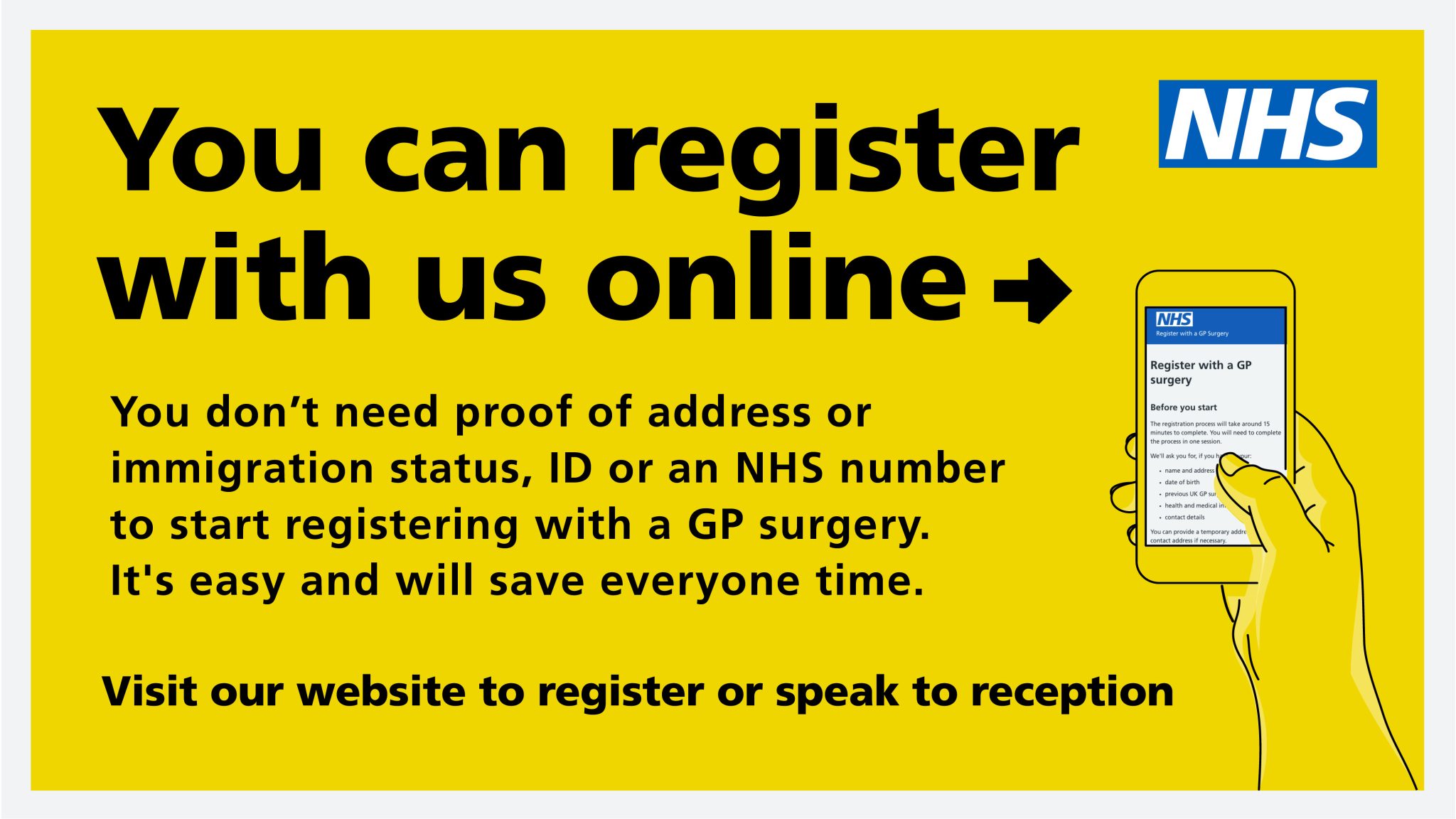
Nhs How To Register With A Gp
So, you've found yourself on this side of the pond, or perhaps you're a returning Brit who's been a bit of a nomad. Wherever you are, and whatever your story, one of the first things on that "adulting" checklist should be getting yourself registered with a General Practitioner, or as we affectionately call them, a GP. Think of your GP as your personal health guru, your first port of call for everything from a stubborn cough that won't quit to a sneaky mole you've been pondering. And the best part? It’s free at the point of use, thanks to our wonderful NHS!
Navigating bureaucracy can sometimes feel like trying to assemble IKEA furniture without the instructions, but registering with a GP is surprisingly straightforward. Let's break it down, shall we? No need to break out in a cold sweat; this is more of a gentle stroll in the park than a marathon.
Your First Step: Finding Your Local GP Practice
This is where the adventure begins, and it’s all about convenience and comfort. You want a GP practice that’s not a trek and where you feel at ease. The NHS website is your best friend here. You can search for GP practices near you using your postcode. It’s like a dating app for healthcare providers – you get to browse, see what’s on offer, and make an informed choice.
Must Read
Some practices might have a more boutique feel, perhaps offering online appointment booking or extended hours. Others might be larger, with a wider range of services. Don’t be afraid to explore. Think about what works best for your lifestyle. Do you have a demanding job with odd hours? Look for practices with a good online presence and perhaps some evening clinics. Are you a student? Many university towns have practices specifically catering to students, which can be super convenient.
What to Look for in a GP Practice: The Vibe Check
Beyond location, consider the culture of the practice. Some practices have a reputation for being particularly patient-centred, with GPs who really take the time to listen. This is crucial. You want to feel heard and understood, not rushed out the door like a speedy delivery.
Check out the practice’s website. Do they have information about their team? Are they welcoming? Some practices even have patient feedback sections, which can offer valuable insights. Remember, this is a long-term relationship, so choose wisely!
The All-Important Registration Form: What You'll Need
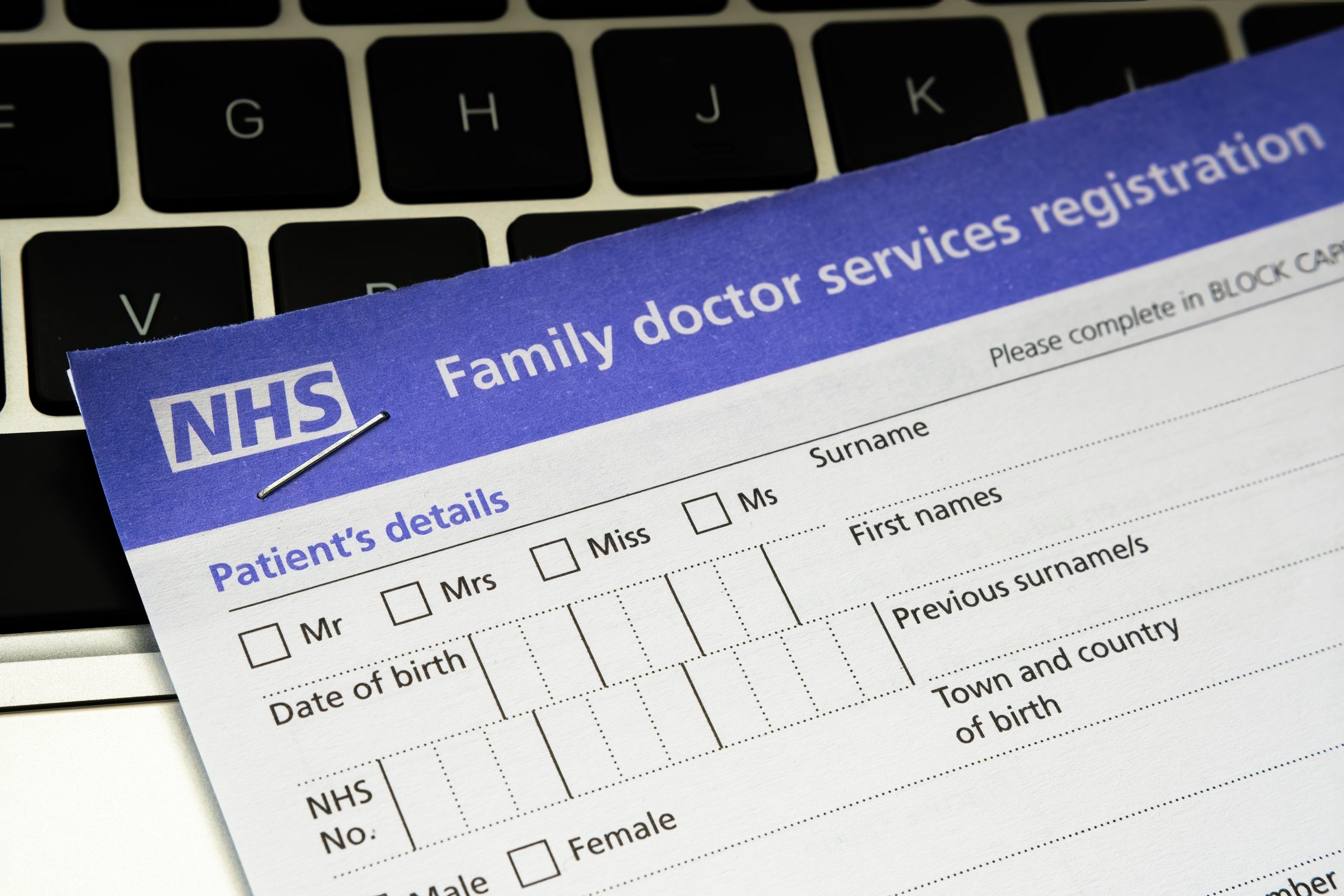
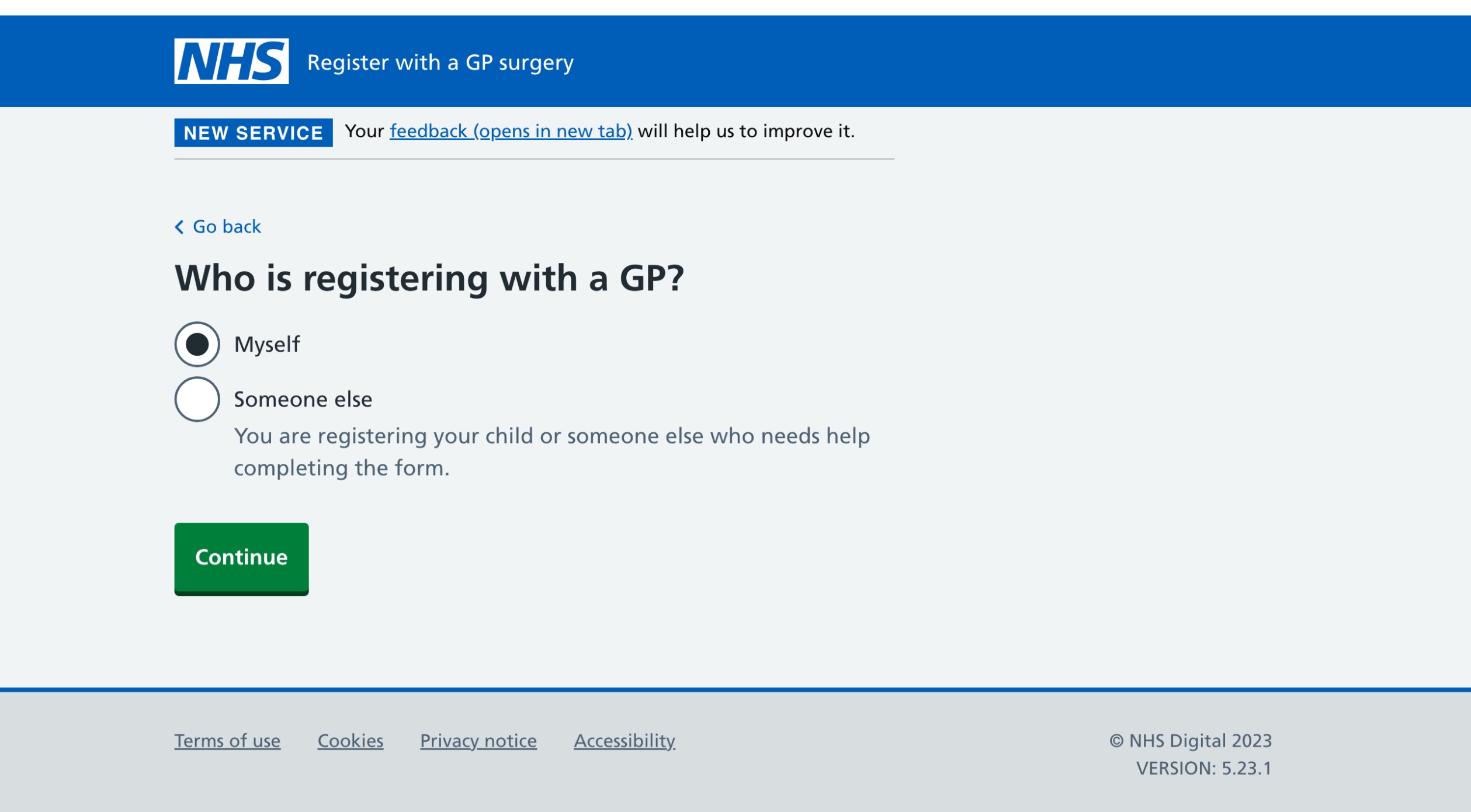
Once you've found your ideal GP practice, it's time for the paperwork. Don't panic; it’s usually a simple registration form. Most practices will have this available online, or you can pop in and pick one up. They’re often called a GMS1 form. You might also be asked to fill out a new patient questionnaire. This is where you get to spill the beans (the medical kind, of course!).
This questionnaire is your chance to give your new GP a rundown of your health history. Think about any allergies you have, long-term conditions you manage, any medications you're currently taking, and details about your family medical history. If you've had any significant operations or vaccinations, jot those down too. The more information you provide, the better your GP can understand your needs from the get-go.

Proof of Identity and Address: The Necessary Bits
This is where some people get a little anxious. You'll need to prove who you are and where you live. The NHS is quite flexible here. They typically require one document for proof of identity and one for proof of address. This doesn't have to be anything too complex. For identity, a passport or a driving licence usually does the trick. For proof of address, a recent utility bill (gas, electricity, water) or a bank statement addressed to you at your current address is generally accepted.
What if you're new to the UK and don't have these yet? Or perhaps you're homeless? Don't worry! The NHS has provisions for everyone. You can often ask the practice manager for advice. Sometimes, a letter from a homeless charity or a job centre might suffice as proof of address. The key is to communicate openly with the practice.
What if I don't have proof of ID or address? The NHS is here for you!
It's a common concern, especially for those who are transient or in unique circumstances. The NHS constitution states that everyone is entitled to register with a GP, regardless of their immigration status, nationality, or whether they have proof of address. While the forms are standard, the application of the rules is meant to be flexible.
If you're struggling to provide the usual documents, speak to the practice manager directly. They are experienced in handling these situations. They might be able to suggest alternative forms of identification or confirmation. They might ask you to sign a declaration. The important thing is not to be discouraged.
Think of it like this: if you were trying to get a library card in a new town, and you’d just moved in, you wouldn’t be turned away if you didn't have a utility bill with your new address on it yet. The library would likely find a way. The NHS operates with a similar spirit of inclusivity.
.png)
The "Temporary Resident" Option: For Short Stays
Are you just visiting the UK for a few months? Or perhaps you're a student who's moved for your studies but might not be settling permanently? In these cases, you might be eligible to register as a temporary resident. This is for people who are ordinarily resident in the UK but living away from their usual home for more than 3 months. Or, if you're ordinarily resident outside the UK but are staying in the area for more than 24 hours and less than 3 months, you can register as a temporary patient.
This process is usually simpler. You'll still need to fill out a form, but it’s often a short-term patient questionnaire. You won't typically need the same level of proof of address as a permanent resident. The practice will confirm if you are eligible for temporary registration. This is perfect for tourists who might need medical attention or seasonal workers.
What Happens After Registration? The Waiting Game (and What to Do)
Once you've submitted your forms and documents, the practice will process your registration. This can take anywhere from a few days to a couple of weeks. They’ll usually let you know when you’re officially registered. Some practices will send you a welcome letter, which is a nice touch!
During this waiting period, if you need to see a doctor urgently, you can still seek medical attention. You can call NHS 111, which is a free service that provides medical advice and directs you to the right service. For emergencies, always call 999.
Once registered, you'll be able to book appointments with your GP. Don't be surprised if your first appointment is a new patient check-up. This is a chance for the practice to get to know you, and for you to ask any questions you might have. It’s like a health orientation!

The Little Extras: What Your GP Can Do
Your GP is more than just a prescription-dispensing wizard. They are the gatekeepers of your healthcare journey. They can refer you to specialists if needed, order blood tests and scans, provide health advice on everything from diet and exercise to mental well-being, and manage your repeat prescriptions.
Did you know that GPs also handle things like childhood vaccinations, cervical screening, and contraception services? They are truly the cornerstone of community healthcare. Think of them as your personal health concierge.
Fun Fact Alert! The Birth of the GP
The concept of a General Practitioner has evolved over centuries. In the past, people would see apothecaries for remedies or surgeons for more invasive procedures. The formalisation of the GP role in the UK really took shape in the 20th century, with the establishment of the NHS making primary care accessible to everyone.
It’s fascinating to think how far we’ve come from relying on leeches and dubious tinctures to having a dedicated medical professional to guide our health. The NHS, and its GPs, are a remarkable social achievement, a testament to the idea that good health should be a right, not a privilege.
Maintaining Your Health: Beyond the Doctor's Visit
Registering with a GP is the first step, but proactive health is key. Your GP can advise you on screening programmes, discuss your lifestyle choices, and help you manage chronic conditions. Don't wait until something goes wrong; use your GP as a resource for preventative care too.
Think of your health as a garden. You wouldn't wait for the weeds to take over before you tended to it, would you? Regular check-ins, healthy habits, and open communication with your GP are like watering and weeding – essential for a flourishing garden. And remember, even a short chat with your GP about stress or sleep can make a world of difference. They’re not just for broken bones!
The Cultural Nuances: Being Polite Goes a Long Way
The UK, and particularly the NHS, operates on a foundation of politeness and respect. A simple "please" and "thank you" go a very long way with reception staff and healthcare professionals. They are often incredibly busy, and a little bit of kindness and understanding can make their jobs easier and your experience smoother.
If you need to cancel an appointment, do so as far in advance as possible. Practices often have strict cancellation policies, and missed appointments can impact waiting times for others. Being a considerate patient is part of the pact we all make when accessing these vital services.
A Final Thought: Your Health, Your Responsibility, Your GP
Getting registered with a GP is a fundamental step towards taking charge of your well-being in the UK. It’s about building a relationship with a trusted professional who will be there for you through life’s ups and downs. It’s about ensuring you have access to the care you need, when you need it, without the worry of exorbitant costs.
In the grand tapestry of life, our health is the thread that holds everything together. Ensuring that thread is strong and well-supported by a reliable GP is one of the most empowering things you can do for yourself. So, take a deep breath, gather your documents (or figure out your alternatives), and embrace the NHS system. Your future, healthier self will thank you for it. It’s just another way of looking after your inner glow, one appointment at a time.