My Tooth Hurts When I Bite Down

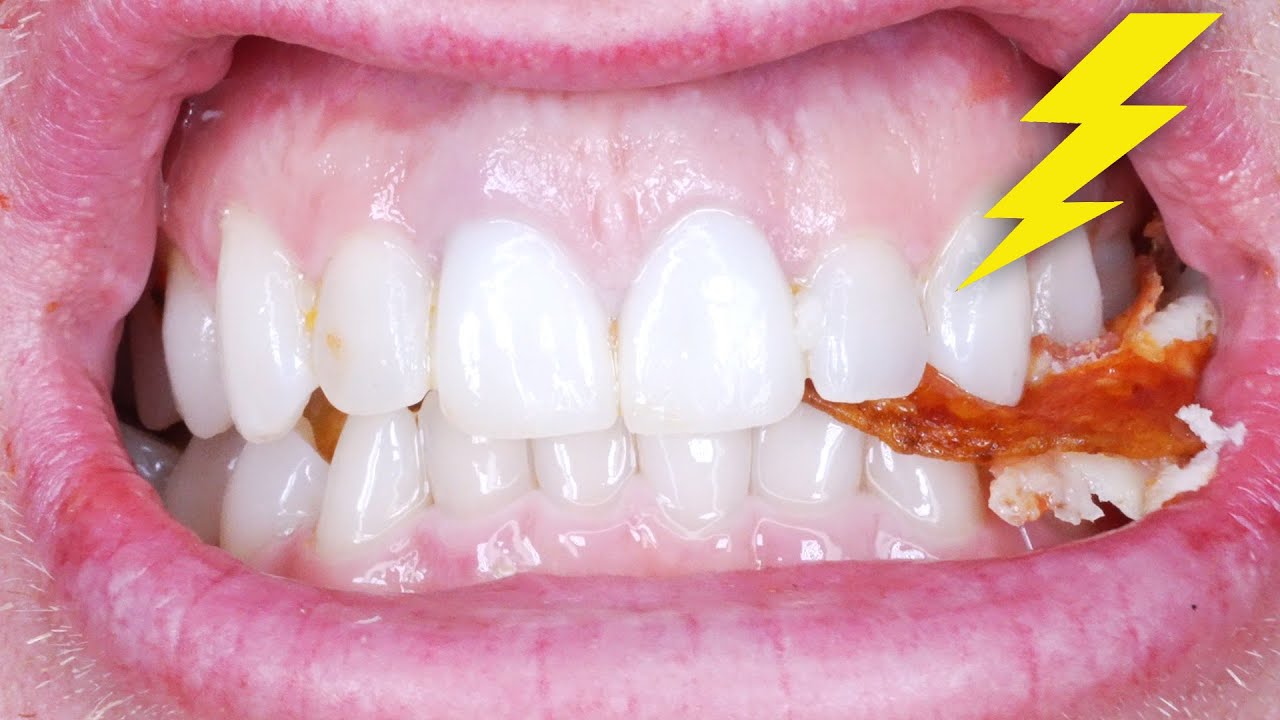
Alright, gather 'round, folks, and lend an ear. Today’s tale is one that resonates with many, a universally understood agony that can turn even the most stoic among us into a quivering mess. I’m talking, of course, about that moment when you innocently go to take a bite of something… anything… and then BAM! Your tooth unleashes a symphony of pain that makes you question all your life choices. Yep, we’re diving into the thrilling, yet utterly unpleasant, world of “My Tooth Hurts When I Bite Down.”
It’s like a surprise party in your mouth, but instead of confetti and cake, you get a jolt of pure, unadulterated ouch. You’re expecting the satisfying crunch of a crispy apple, or maybe the gooey goodness of a perfectly toasted marshmallow, and instead, your jaw clamps down on a nerve ending that’s clearly been having a very bad day. Suddenly, that apple looks less like a healthy snack and more like a medieval torture device.
And the worst part? It’s always the one tooth. You’ve got a whole arsenal of pearly whites in there, some arguably more decorative than functional, but no, it’s always the same suspect. It’s like that one friend who always shows up late to the party, but instead of an apology, they bring a migraine.
Must Read
So, what’s going on in there?
Let's peel back the enamel and get to the nitty-gritty, shall we? When you feel that sharp jab of pain upon biting, it’s usually your tooth’s way of sending out an urgent SOS. Think of it as a tiny alarm system going off in your mouth. The most common culprit, the undisputed heavyweight champion of bite-time pain, is often a little something called cracked tooth syndrome.
Now, I’m not talking about a crack you can see from outer space. These are often microscopic fissures, tiny fractures that love to play hide-and-seek. They can develop over time from all sorts of things: grinding your teeth in your sleep like a tiny, angry beaver, biting down on something harder than your willpower (ice, anyone?), or even just the natural wear and tear of chewing for, you know, decades.
When you bite down, especially with a bit of force, these cracks can widen ever so slightly. This motion squeezes the pulp inside your tooth, that squishy, sensitive core where all the nerves and blood vessels hang out. And those nerves? They’re not exactly fans of being squeezed. They send a furious “Hey! Stop that!” signal straight to your brain, and voila, pain.

The Usual Suspects
Beyond the sneaky cracks, there are a few other characters who might be starring in your toothache drama. One is cavities, or as the dentists so charmingly call them, dental caries. These are basically tiny holes that bacteria have politely drilled for you. When food particles get trapped in these holes, and then you bite down, you’re essentially pressing that food directly onto the sensitive dentin underneath the enamel. It’s like a tiny, acidic invasion party that’s just begging to be felt.
Then there’s gum disease. Oh boy, gum disease. It’s the uninvited guest that overstays its welcome and starts causing trouble. When your gums get inflamed and recede, they expose more of your tooth’s root. This root, my friends, is not meant for direct contact with the harsh realities of the outside world. It’s like a delicate flower that’s been suddenly transplanted to the Sahara Desert. Biting down can irritate this exposed root, leading to a gnawing, sensitive ache.
And let’s not forget the possibility of a recent dental procedure. Did you just get a filling? A crown? A root canal? Sometimes, your tooth needs a little time to recover from its spa day. It can be a bit grumpy and sensitive for a while. It’s like waking up after a particularly vigorous massage – you feel better, but you’re also a little tender.
The Surprising Truth About Your Tooth’s Toughness (or Lack Thereof)
Did you know that your enamel, the outermost layer of your tooth, is the hardest substance in your entire body? Harder than bone! It's like nature's tiny superhero cape, protecting the delicate inner workings. However, even superheroes have their kryptonite, and for enamel, it’s often acids. Those sugary drinks and snacks you love? They’re slowly but surely chipping away at that cape, making your teeth more vulnerable to cavities and, you guessed it, bite-time pain. So, while your teeth are tough, they’re not invincible. They’re more like a really well-armored knight who occasionally forgets to put on their helmet.
When to Stop Jesting and Start Dialing
Look, I love a good laugh, and I’ve spent a fair amount of time commiserating with my own aching molars over a cup of lukewarm coffee. But there comes a point where the jokes stop and the dentist’s number needs to be dialed. If the pain is severe, if it lasts for more than a few seconds after you stop biting, or if you notice swelling or a fever, it’s time to put down the witty comebacks and pick up the phone. These could be signs of a more serious infection, like an abscess, and those are definitely not something to be trifled with. They’re the villains in our dental story, and they need professional intervention.
Also, if the pain is consistent, even when you’re not biting down, that’s another red flag. It means your tooth is pretty fed up and might be sending out more urgent distress signals. Ignoring it is like ignoring a flashing red light on your car dashboard – eventually, something more catastrophic is going to happen. And nobody wants that!
A Toast (Carefully!) to Dental Health
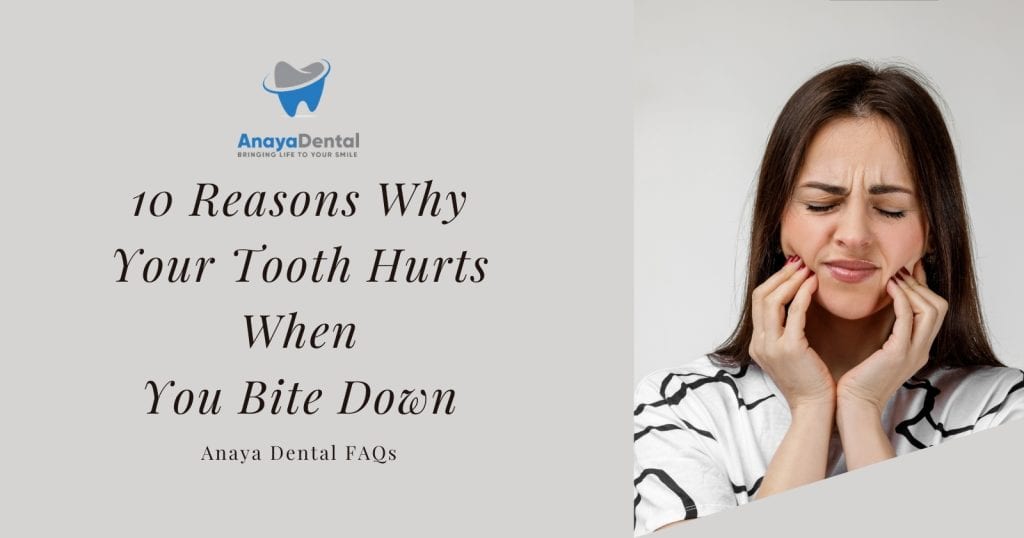
So, what can we do to prevent our teeth from staging these painful protests? Well, it boils down to the usual suspects: good oral hygiene. Brush twice a day, floss daily (yes, daily – it’s not just a suggestion, it’s a commandment!), and try to limit those sugary snacks and drinks that are basically like tiny acid bombs for your enamel.
And of course, regular dental check-ups are your best friend. Your dentist is like a highly trained tooth detective, sniffing out trouble before it even has a chance to manifest as a full-blown ache. They can spot those microscopic cracks, catch cavities in their infancy, and give your gums the attention they deserve.
Ultimately, when your tooth hurts when you bite down, it’s a sign. It’s your body’s way of saying, “Hey, buddy, something’s up here, and I’d appreciate it if you’d pay attention.” So, the next time you experience that sharp, unwelcome jab, don’t just grin and bear it. Listen to your tooth. It’s got a story to tell, and it’s usually a story that ends with a visit to the friendly neighborhood dentist. And trust me, a little bit of discomfort now is a whole lot better than a lot of discomfort later. Now, if you’ll excuse me, I think I hear my toothbrush calling my name. Don’t want to tempt fate, you know?