My Dogs Have Fleas What Do I Do
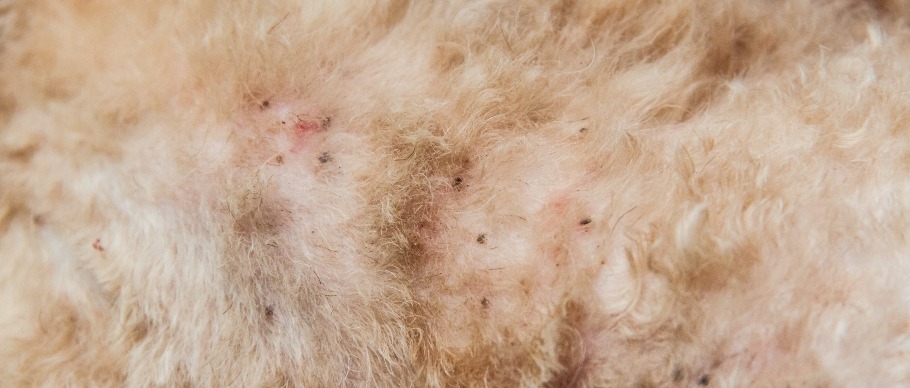
Oh, the joys of pet ownership! I remember one particularly humid summer evening, the kind where the air feels thick and sticky, and you’re just trying to enjoy a quiet cuppa on the porch. My golden retriever, Buster, a creature of boundless enthusiasm and questionable personal hygiene standards (bless his heart), suddenly erupted into a frenzy of scratching. Not just a casual, polite little nibble, oh no. This was a full-blown, head-to-tail, contortionist-level assault on his own skin. Then, my typically more refined poodle-mix, Luna, joined the party, her dainty little paws flying like tiny drumsticks. I watched them, a slow dread creeping into my stomach. There was only one culprit I could imagine for this sudden symphony of itchiness.
Yep. Fleas. The tiny, six-legged vampires that seem to materialize out of thin air, particularly when you’re least expecting them, or when you’ve just spent a small fortune on grooming. It was like a tiny, parasitic rave had broken out on my beloved fur babies. And thus began my personal odyssey into the wonderful world of flea eradication. If you’re reading this, chances are you’ve had a similar “aha!” moment, followed by a wave of panic. Don’t worry, you’re not alone. We’ve all been there, or will be there. It’s practically a rite of passage for pet parents.
So, Your Dogs Have Fleas. Now What? Deep Breaths, People.
First things first, take a deep breath. Panicking is understandable, but it won’t make those little critters disappear any faster. Think of it as a… challenge. An epic quest to reclaim your home from tiny invaders. And like any good quest, it requires a plan. A multi-pronged attack, if you will. Because, and this is crucial, killing the fleas on your dogs is only half the battle. The other half? Dealing with the flea population that’s living, breathing, and reproducing in your house. And trust me, they’re having a blast in there.
Must Read
The most common flea, the cat flea (Ctenocephalides felis), is perfectly happy to dine on your canine companions. They’re opportunistic little things. And their life cycle is, frankly, a bit horrifying when you think about it. An adult flea lives on your pet, feeding and laying eggs. These eggs, then, fall off your pet and into your carpets, furniture, and bedding. The eggs hatch into larvae, which are like tiny, worm-like creatures that love to hide in dark, cozy places. Then, those larvae turn into pupae, which are encased in a sticky cocoon. This is the tricky stage. The pupae can lie dormant for weeks, even months, waiting for the perfect moment to emerge – usually when they sense a warm, blood-filled host nearby. Sounds fun, right?
Step 1: The Immediate Doggy Detox – Battling the Bites on the Front Lines
Alright, back to your itchy pooches. The first order of business is to get rid of the adult fleas currently enjoying the buffet. There are a few options here, and your veterinarian is your best friend in this situation. Seriously, don’t be shy about calling them. They’ve seen it all, and they can recommend the safest and most effective products for your specific dogs.
Topical Treatments: These are the little vials of liquid you apply to the back of your dog’s neck, between their shoulder blades. They’re popular because they’re generally easy to use. Think brands like Frontline, Advantage, Revolution, and K9 Advantix. They work by killing fleas (and often ticks and other parasites) on contact or after the flea bites your dog. Make sure you get the right product for your dog’s weight and species! Using a cat product on a dog (or vice versa) can be ineffective or, worse, harmful. Always, always, always read the label and follow the instructions to the letter.
Oral Medications: These are chewable tablets or pills that your dog ingests. They're becoming increasingly popular because they’re so convenient – no messy liquids, no worries about them getting washed off if they get wet. Brands like NexGard, Bravecto, and Simparica are common examples. They work systemically, meaning the medication is in your dog’s bloodstream, and when a flea bites, it ingests the drug and dies. These are usually very fast-acting.
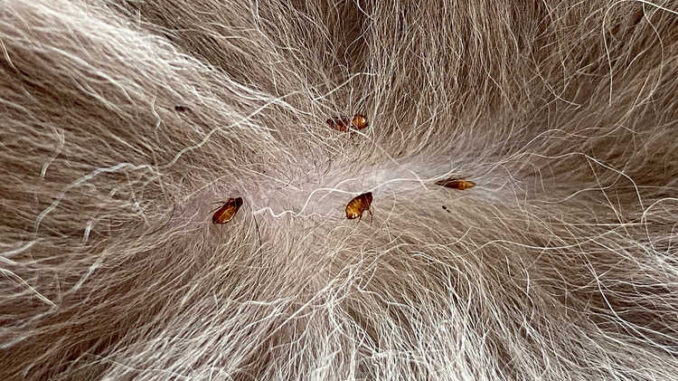
Flea Shampoos: These can provide immediate relief by killing the fleas currently on your dog. However, they are generally not a long-term solution. Think of them as a good first step to get the bulk of the population off your pet, but you’ll still need a follow-up treatment. Imagine trying to clean a whole house with just a damp cloth – it’s a start, but not the full deal. Plus, over-bathing can dry out your dog’s skin, so use them judiciously.
Flea Collars: This is a controversial one for some. Older generation collars were often ineffective and could cause skin irritation. Newer ones, like Seresto, are much more advanced and can be quite effective for several months. However, some people are wary of the chemicals involved. Again, consult your vet. If you do use a collar, make sure it’s fitted correctly – snug enough to work, but not so tight it’s uncomfortable or cuts off circulation. You should be able to get two fingers underneath it.
Important Note:* Whatever you choose, make sure you treat *all the dogs in your household, even if you only see fleas on one. Fleas are promiscuous little buggers, and if one dog is a host, the others are likely to get them too. And when I say all dogs, I mean all dogs. Yes, even the tiny one who rarely leaves the house. Fleas are stealthy!
Step 2: The Great Indoors Crusade – Eradicating the Hidden Enemy
Now for the part that feels like a military operation: cleaning your house. This is where the real work begins, and it’s why those topical or oral treatments on your dogs are just part of the solution. You need to break the flea life cycle. If you skip this, you’ll be in a constant battle, treating your dogs only for them to get re-infested within weeks.

Vacuum, Vacuum, Vacuum! This is your new best friend. And I mean obsessively. You need to vacuum everywhere. Carpets, rugs, upholstery, curtains, under furniture, along baseboards, in the cracks of your wooden floors. The vibrations from the vacuum can actually stimulate flea eggs to hatch, making them easier to kill. When you vacuum, use a vacuum with a bag, and as soon as you’re done, take that bag outside, seal it in another bag, and throw it in the trash. If you have a bagless vacuum, empty the canister outside immediately and clean it thoroughly. Do this daily for at least two weeks, then every other day, and then a good weekly vacuuming thereafter for a while. It sounds like a lot, I know. You might feel like you’re living with a miniature dust bunny army. Embrace it.
Wash Everything Hot! Any bedding your dogs sleep on, your own bedding, throw pillows, blankets, cushion covers – anything fabric that your dogs have come into contact with needs to be washed on the hottest water setting the fabric can handle. And then dried on the hottest setting. This will kill any eggs, larvae, or even adult fleas that might be hiding in the fibers. If you have dog beds that can’t be washed, consider tossing them out and getting new ones after your flea situation is under control. It might seem drastic, but sometimes a fresh start is best.
Steam Cleaners: If you have a steam cleaner for your carpets or upholstery, now is the time to use it. The high heat of the steam can be very effective at killing flea larvae and pupae. Focus on areas where your dogs spend the most time.
Flea Sprays and Foggers (Use with Caution!): These are chemical warfare. They can be very effective at killing fleas in your home, but they require careful use. You’ll need to follow the instructions precisely, which usually involves removing pets and people from the home for a specified period, covering all food surfaces, and ventilating thoroughly afterwards. Some people prefer natural alternatives, but for a severe infestation, these chemicals might be necessary. Again, talk to your vet or a pest control professional for recommendations. Be mindful of your pets’ sensitivities. My Buster once got a bit dazed after a fogger, so I always make sure to air things out for ages afterwards.

Treating the Yard (If Applicable): If your dogs spend a lot of time outdoors and you suspect they’re picking up fleas from the yard, you might need to treat it as well. This can involve nematodes, which are tiny worms that prey on flea larvae, or specific outdoor flea sprays. Focus on shady, moist areas where fleas tend to thrive. Again, consult with your vet or a garden center that specializes in pet-safe pest control.
Step 3: The Long Game – Staying Vigilant and Preventing Future Infestations
So, you’ve washed your house within an inch of its life, your dogs are no longer twitching like they’re possessed, and you can finally sit down without feeling a phantom itch. Congratulations! But the war isn't over. It’s more of a truce, and you need to remain vigilant.
Consistent Preventative Treatment: This is key. Never stop your dogs’ monthly flea and tick prevention, even in the colder months. Fleas can survive indoors year-round, and it’s much easier to prevent an infestation than to get rid of one. Think of it as your flea shield.
Regular Grooming: Brushing your dogs regularly not only helps keep their coats healthy and reduces shedding (which means fewer places for fleas to hide!), but it also allows you to spot any potential problems early. You might even see a rogue flea during brushing.
:max_bytes(150000):strip_icc()/how-do-puppies-dogs-get-fleas-2804954_FINAL-5bec272846e0fb00263e2aa4.png)
Environmental Awareness: Be mindful of where your dogs go. If they’ve been rolling around in tall grass or spending time with dogs whose flea status you’re unsure of, be extra vigilant. A quick check when you get home can save you a lot of heartache.
Don’t Forget the Other Pets: If you have cats, rabbits, or any other furry friends, they need flea treatment too! Fleas are not picky eaters, and they’ll happily jump from one species to another.
Patience is a Virtue (Especially with Fleas): It can take up to three months to completely break the flea life cycle. Those dormant pupae can hatch at any time. So, even if you haven't seen a flea in a week or two, keep up with your cleaning and your preventative treatments. Don’t get discouraged. You’ve got this!
Dealing with fleas is a bit like having a tiny, furry roommate who’s constantly throwing parties and leaving tiny little messes. It’s annoying, it’s time-consuming, and sometimes it feels like an uphill battle. But with a solid plan, a little bit of elbow grease, and the guidance of your veterinarian, you can win this war. Your dogs will thank you for it, and you can finally reclaim your couch (and your sanity) from the tiny, itchy invaders. Now go forth and conquer!