My Dog Died And I Want Him Back

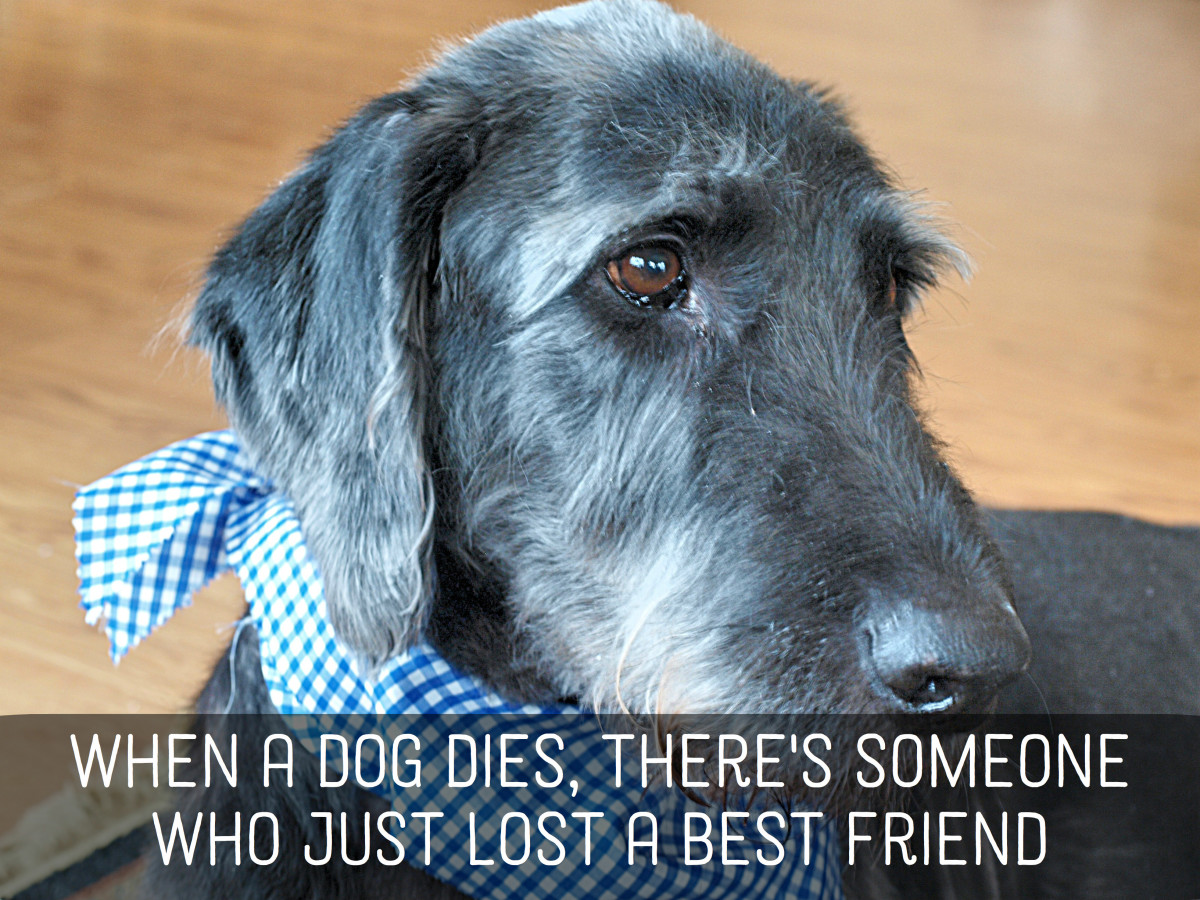
There are moments in life that hit you with the force of a rogue wave, leaving you breathless and disoriented. For many of us, the loss of a beloved dog is one of those seismic events. The silence in the house is deafening, the empty spot on the rug aches, and the simple act of reaching for a leash and remembering it’s no longer needed can send a fresh pang of grief through you. It’s a raw, honest feeling: I want him back.
It’s a sentiment that feels almost absurd in its impossibility, yet it’s a yearning so profound it can consume your thoughts. You’ve probably caught yourself having full-blown conversations with him in your head, picturing him trotting beside you on your morning walk, or curled up at your feet while you binge-watch that latest streaming obsession. It’s the phantom limb of companionship, a constant reminder of the void left behind. And honestly? It’s okay to feel that way. This isn't about "getting over it" quickly; it's about navigating the messy, beautiful aftermath of unconditional love.
The Echo Chamber of Absence
When our furry best friends leave us, it’s not just a pet that's gone. It’s the alarm clock that never failed to wake you with a wet nose nudge, the expert ball-thrower, the designated spoiler-of-treats, the furry therapist who listened without judgment. They were woven into the fabric of our daily routines, and their absence creates an echo chamber of silence where their happy panting, playful barks, and contented sighs used to be.
Must Read
Think about it: Did you always have a designated spot for their water bowl? Do you still find yourself looking for them when you open the fridge? These small, automatic habits are the hardest to break. It’s like your brain is still expecting their presence, and the disconnect is jarring. This isn't a sign of weakness; it's a testament to the deep connection you shared.
Revisiting the Golden Age of Canine Companionship
Humans and dogs have been partners for millennia. Archaeological evidence suggests dogs were domesticated as far back as 30,000 years ago! From ancient hunting companions to loyal guardians, they’ve always been by our side. In popular culture, the dog’s role is often central, a symbol of loyalty and unwavering love. Think of Lassie, the heroic Collie who always saved the day, or Snoopy, the imaginative Beagle who lived his best life on top of his doghouse. These fictional portrayals tap into a universal truth about the joy dogs bring to our lives.
Even in everyday life, dogs have a way of enriching our existence. A study published in the journal Social Cognitive and Affective Neuroscience found that owning a dog can increase levels of oxytocin, the “love hormone,” in both humans and dogs. This hormone plays a key role in social bonding and well-being. So, when you’re missing that furry connection, remember the incredible biological and emotional benefits they brought into your world.

The Stages of 'I Want Him Back' Grief
Grief isn't a linear path. It’s more like a tangled ball of yarn, with moments of clarity interspersed with knots of intense emotion. When you’re yearning for your dog, you might experience a range of feelings:
- Denial and Disbelief: You might find yourself automatically calling their name or expecting to see them at the door. This is your brain trying to process the unthinkable.
- Anger: It’s natural to feel angry. Angry at the unfairness of it all, angry at the universe, even angry at yourself for not doing more (even if you did everything you possibly could).
- Bargaining: This might manifest as a desperate wish for a do-over, a fervent plea to whatever higher power you believe in to bring them back, even just for a day.
- Depression: The profound sadness and emptiness that sets in. The world can feel a little less bright without their wagging tail to greet you.
- Acceptance (eventually): This isn’t about forgetting or not missing them. It’s about learning to live with the loss, carrying their memory with you in a way that brings comfort, not constant pain.
There's no timeline for these stages. You might cycle through them, revisit them, or find yourself stuck in one for a while. Be patient and kind to yourself. This is a significant loss, and it deserves to be felt.
Practical Comforts: What to Do When the Yearning Hits Hard
The desire to have your dog back is a powerful one, and while we can't magically rewind time, we can find ways to cope with the intense longing and honor the love you shared. Here are some practical things you can do:
1. Create a Memorial Space: Designate a corner of your home, a shelf, or even a special spot in your garden as a tribute. Display their favorite toy, a cherished photo, their collar, or a paw print cast. This physical space can be a focal point for remembrance and a quiet place to just… be.

2. Look Through Photos and Videos: It might feel painful at first, but revisiting happy memories can be incredibly healing. Watch videos of their goofy antics, their zoomies in the park, or just them snoozing in their favorite spot. Laughter can be a powerful medicine, even through tears.
3. Talk About Them: Share stories and memories with friends and family who understood your bond. Hearing their own anecdotes about your dog can be comforting and reinforce the joy they brought to others. If you don’t have many people to talk to, journaling your thoughts and feelings can be incredibly therapeutic.
4. Engage in Activities They Loved (With a Twist): If your dog loved walks, go for a walk in a place you used to visit together. Instead of feeling the absence, focus on the beauty of the surroundings and the memories it evokes. You can even bring their favorite toy to leave at a special spot, a small gesture of remembrance.
5. Donate to an Animal Shelter: Channel your love and grief into helping other animals in need. Volunteering your time or donating supplies to a local shelter can be a deeply rewarding experience and a beautiful way to honor your dog's memory. Think of it as passing on the love and kindness they showed you.

6. Consider a Pet Loss Support Group: Many communities have pet loss support groups, either in person or online. Connecting with others who are going through a similar experience can be incredibly validating. You’ll find a space where your feelings are understood and where you can share your grief without judgment.
7. Keep a Routine (Gently): While it’s tempting to withdraw, maintaining a semblance of your daily routine can provide structure and a sense of normalcy. Even small things, like making your morning coffee or preparing a simple meal, can be anchors in the storm of grief.
8. Resist the Urge to Immediately Replace Them: This is a tough one. While the desire for that furry companionship is strong, jumping into getting a new pet too soon can sometimes feel like you’re trying to fill a void rather than honor the unique individual you lost. Give yourself time to grieve and heal. When the time feels right, it will feel right. And when it does, it will be a different, yet equally special, relationship.
Cultural Echoes of Canine Loss
The pain of losing a pet is a universal human experience, and it’s reflected in art, literature, and even ancient traditions. From Egyptian pharaohs burying their beloved dogs with them for the afterlife to the poignant stories of pets in wartime, our connection with dogs runs deep. Consider the famous poem "The Rainbow Bridge," a comforting allegory often shared with grieving pet owners, suggesting a peaceful place where pets wait for their humans.

In modern media, we see it too. Films like "Marley & Me" and "Hachi: A Dog's Tale" explore the profound impact dogs have on our lives and the devastating grief that follows their passing. These stories resonate because they tap into that shared understanding of the unique, unconditional love that only a dog can provide.
A Gentle Nod to the Future
The ache of wanting your dog back will likely never completely disappear. It will soften, transform, and become a gentle reminder of the incredible love you shared. It’s like a scar – a testament to a wound that healed, but the mark remains, a part of your story.
One day, you might find yourself smiling instead of crying when you think of their silly quirks. You might look forward to meeting a new furry friend, not as a replacement, but as a continuation of the capacity for love that your first dog helped you discover and expand. That profound connection, that deep well of love you shared, will always be a part of you.
And that, in itself, is a beautiful legacy. The love you give and receive from a dog is a powerful force, shaping who you are and how you experience the world. So, even when you whisper to the empty space, "I want him back," know that a part of him will always be with you, woven into the very fabric of your days. The love endures, a quiet, constant hum beneath the surface of everyday life, a reminder of the extraordinary ordinary joy they brought.