
Moss On A Roof Is It Bad

Ah, the gentle whisper of the weekend, the scent of freshly brewed coffee, and the quiet contemplation of our surroundings. Sometimes, it's the smallest things, the ones we barely notice, that spark a thought. Today, my gaze drifted upwards, to the roof. And there it was, a verdant carpet, a miniature ecosystem thriving where shingles once reigned supreme. Moss. On a roof. Is it… a problem?
Let's be honest, for many of us, the word "moss" conjures up images of enchanted forests, the soft padding underfoot on a woodland walk, or perhaps the quaint charm of an old stone wall. It’s got a certain zen about it, doesn’t it? Think of those serene Japanese gardens, where moss is intentionally cultivated to add an air of timeless tranquility. It's practically an aesthetic choice in some circles!
But when this lush greenery decides to set up permanent residence on our rooftops, the conversation shifts from aesthetics to practicality. So, let's dive in, shall we? No need for alarm bells, just a friendly chat about this often-misunderstood rooftop dweller.
Must Read
The Green Divide: Nature's Embrace or a Roof's Nemesis?
The question, "Is moss on a roof bad?" is a bit like asking if rain is bad. It depends. In moderation, and in certain climates, a little bit of moss might not be a big deal. In fact, some argue it can even offer a tiny bit of insulation. Imagine your roof wearing a cozy, albeit slightly damp, sweater. Cute, right?
However, like any good story, there's a flip side. When that moss growth becomes extensive, it starts to overstep its welcome, and that’s when we need to pay attention. It’s not about waging war on nature, but about maintaining the health and longevity of our homes, our sanctuaries.
What’s the Big Deal, Anyway?
So, what exactly happens when moss decides to throw a party on your roof? Well, it’s a multi-faceted issue, and understanding it can help us appreciate the need for a little intervention.
Firstly, moss loves moisture. It’s a thirsty little plant! And where does it find that moisture? From the elements, of course. Rain, dew, fog – it all gets absorbed and held by the dense, spongy mass of moss. This creates a perpetually damp environment on your roof. Think of it as a mini-sponge, constantly wringing itself out onto your shingles.

This sustained dampness is where the trouble begins. For shingles, especially asphalt shingles which are common in many homes, this constant moisture can lead to degradation. The granules that protect the asphalt can start to loosen and wash away, exposing the underlying material. This, in turn, makes the shingles more susceptible to damage from the sun’s UV rays, leading to cracking and curling. It's a domino effect, and nobody wants their roof to be the first domino to fall.
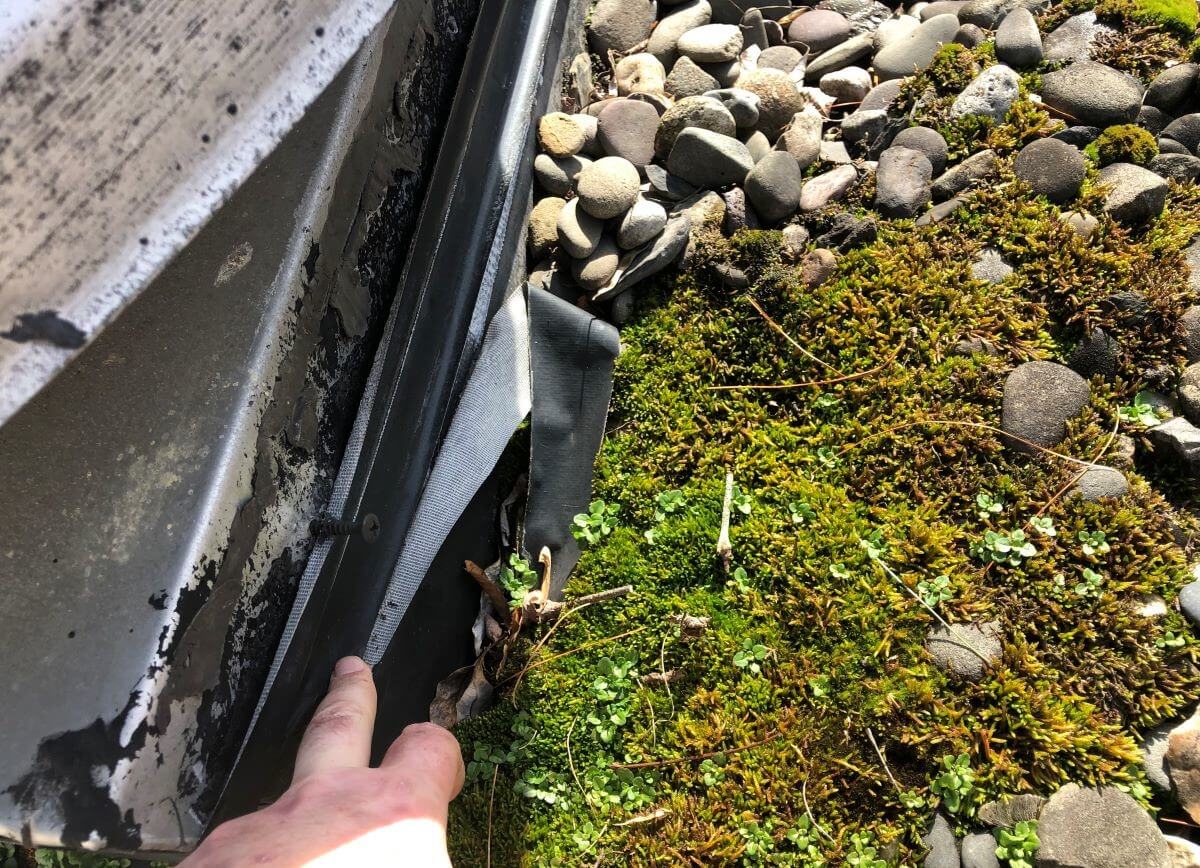
And it's not just about the shingles themselves. Moss, with its root-like structures (rhizoids, to be precise, though let's stick with the simpler "roots" for our easy-going chat), can insinuate itself into the tiniest cracks and crevices. Over time, these roots can expand and contract with temperature changes, widening existing gaps and even creating new ones. It’s like a tiny, persistent woodpecker, gently but surely compromising the integrity of your roof.
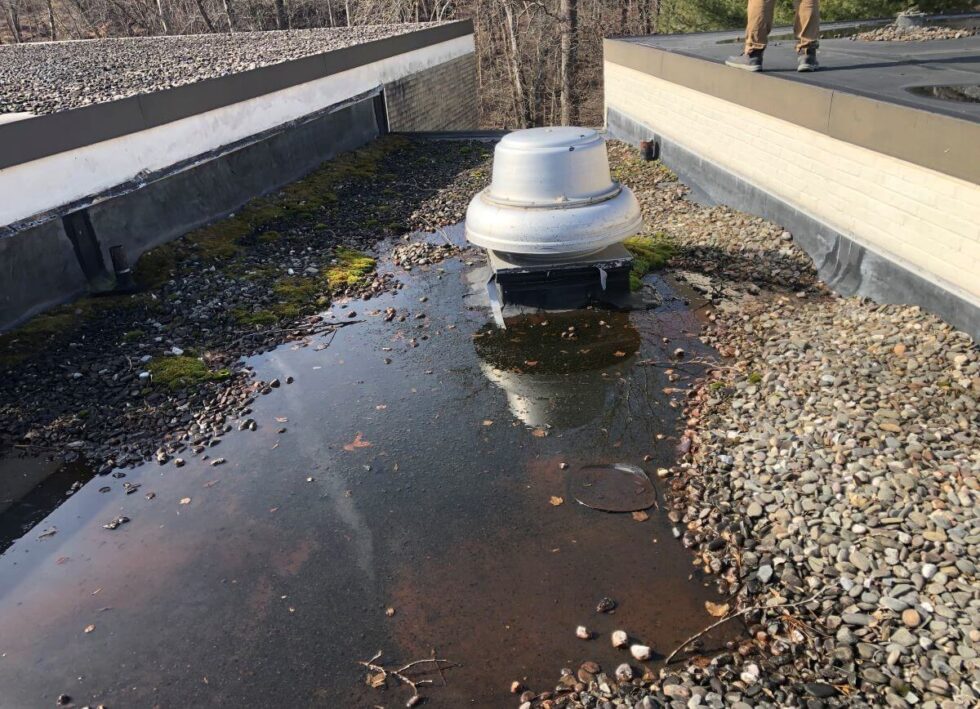
Then there's the issue of drainage. Moss growth can create dams, especially in valleys and around chimneys. Water that should be flowing freely off your roof can get trapped, pooling and potentially seeping into your attic or walls. This can lead to a whole host of other problems, from wood rot and mold growth to structural damage. Nobody wants a damp, musty surprise lurking in their attic, do they?
When Did This Green Invasion Start?
The presence of moss on roofs isn't a new phenomenon. It’s been a concern for homeowners for generations. Think back to old photographs of houses with that soft, mossy patina. It often lent them a certain character, a sense of history. But then, as building materials evolved and the focus shifted towards maximizing lifespan and minimizing maintenance, the "problem" of roof moss became more pronounced.
Interestingly, the rise of different roofing materials has also played a role. While asphalt shingles are susceptible, some other materials might fare differently. For instance, metal roofs are generally less hospitable to moss growth due to their smoother surfaces. Clay tiles, however, can be a bit of a happy medium – some moss might grow, but the material itself is quite resilient. It’s a bit like choosing your adventure based on your roofing material!

Signs Your Roof Needs a Gentle Intervention
So, how do you know if your roof has crossed the line from "quaintly charming" to "potentially problematic"? Keep an eye out for these signs:
- Visible, thick mats of moss: If it looks like a miniature forest has taken root, it’s time to take notice.
- Discolored shingles: Dark, damp patches can indicate moss growth underneath.
- Loose or missing granules: This is a sure sign of shingle deterioration.
- Water pooling on the roof: Check for areas where water isn't draining effectively.
- Shingles that appear curled or cracked: These are often signs of moisture damage.
Don't panic if you spot a few of these. It's about assessing the extent of the issue. A smattering of moss might be a simple cosmetic fix, while extensive growth requires a more thorough approach.
The Culture of the Clean Roof
In some cultures, a pristine roof is a symbol of prosperity and good fortune. Think of the immaculately maintained homes in certain European villages, where every surface is kept in tip-top shape. While we're not advocating for an obsessive clean-up, there's a certain satisfaction in knowing your home is well-maintained and protected.
Conversely, in some parts of the world, where nature is more dominant and resources are scarce, moss on a roof might just be a natural consequence of the environment. It’s a reminder that we’re all part of a larger ecosystem, and sometimes, we have to work with what nature gives us.
Gentle Solutions for a Greener Roof (the Good Kind!)
Now, for the practical part. You've identified moss on your roof, and you're wondering what to do. The good news is, you don't need to call in a demolition crew. There are several ways to tackle this, ranging from DIY to professional help.
DIY Efforts: A Little Elbow Grease and the Right Touch
For minor moss growth, you might be able to tackle it yourself. Here are a few approaches:
- Gentle scrubbing: A stiff-bristled brush (not wire, which can damage shingles) and a bucket of soapy water can do wonders. Work in small sections and rinse thoroughly. Always prioritize safety when working on a ladder!
- Vinegar solution: A diluted solution of white vinegar (about 1 part vinegar to 10 parts water) can help kill moss. Spray it on, let it sit for about 15-20 minutes, and then rinse thoroughly. Be sure to protect your plants, as vinegar can harm them.
- Specialized roof cleaners: Many hardware stores sell products specifically designed to remove moss and algae from roofs. Follow the manufacturer’s instructions carefully, and always wear protective gear.
Important safety note: If your roof is steep, very high, or you’re not comfortable working at heights, it's always best to call in the professionals. Falling from a roof can lead to serious injury.
When to Call in the Pros
For more extensive moss growth, or if you're hesitant about DIY, it's time to enlist the help of a professional roof cleaning service. They have the right equipment, expertise, and safety protocols to get the job done effectively and safely.
Professionals often use specialized cleaning solutions and pressure washing techniques (used carefully to avoid damage). They can assess the overall health of your roof and advise on any potential underlying issues. It's an investment in the longevity of your home.
Fun Facts to Impress Your Friends (or Just Yourself!)
While we're talking about moss, let's sprinkle in a few delightful tidbits:
- Mosses are ancient plants, having been around for over 400 million years! They were among the first plants to colonize land. So, when you see moss, you're looking at a true survivor.
- There are over 12,000 known species of moss. They come in all shapes, sizes, and shades of green.
- Mosses don't have true roots, stems, or leaves like vascular plants. They absorb water and nutrients directly through their surfaces.
- In some cultures, moss has been used for medicinal purposes, as insulation, and even as bedding. Ancient humans were resourceful!
- The "Pioneer Press," a historical newspaper in Minnesota, was printed on paper made from moss. Now that's a unique headline!
Who knew something so seemingly simple could have such a rich history and diversity? It's a little reminder that even the smallest things in our environment have a story to tell.
Preventative Measures: The Best Offense
Once your roof is moss-free, how do you keep it that way? Prevention is key, and it's often about creating an environment less hospitable to moss.
- Trim overhanging branches: Trees that shade your roof can keep it damp for longer periods. Trim back any branches that are casting excessive shade.
- Ensure proper drainage: Keep your gutters clean and free of debris. This allows water to flow away from your roof and foundation, reducing moisture buildup.
- Regular inspections: Periodically check your roof for any early signs of moss growth or damage. Early detection makes for easier and less costly repairs.
- Consider zinc or copper strips: These metals release ions that can inhibit moss growth. They can be installed along the ridge of your roof. It’s a rather elegant solution, if you ask me.
It's about creating a balanced environment – one where your roof can breathe and dry out effectively.
A Moment of Reflection
Looking up at that mossy roof, I’m reminded of life itself. We often strive for perfection, for that flawlessly smooth, unblemished surface. But sometimes, the imperfections, the little patches of growth, are simply part of the natural order. It’s not about eradicating all traces of nature’s touch, but about understanding when that touch becomes detrimental. It’s a gentle reminder to pay attention to our surroundings, to nurture what we have, and to intervene with care and intention when necessary.
Just like we might prune a plant to encourage healthier growth or clear clutter from a space to create a more serene environment, a little attention to our rooftops can go a long way. It’s about finding that sweet spot between embracing the natural world and ensuring the well-being of our homes. And in that balance, there's a quiet satisfaction, a sense of harmony that settles over us, much like the soft, green carpet of moss itself – but hopefully, not quite so much on our roofs.

