Is Wood Ash Good For The Lawn
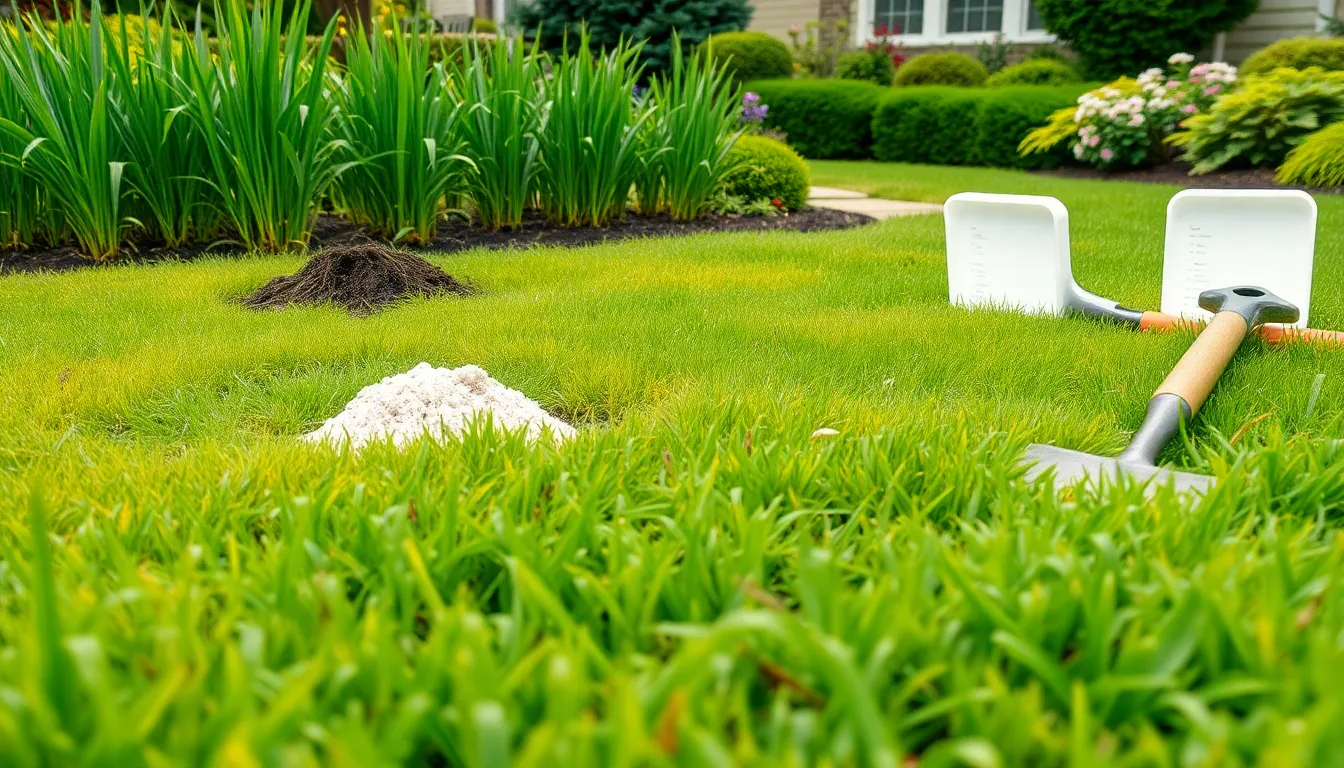
Hey there, fellow lawn enthusiasts! So, you’ve been cozying up by the fireplace, enjoying the crackle and pop of burning logs, and you’re left with a pile of that fluffy grey stuff – wood ash. Now, the age-old question pops into your head: “Can I just chuck this onto my lawn?” It’s a question that’s been debated around garden gates and over fences for generations, and honestly, it’s a bit like asking if pineapple belongs on pizza. Controversial, but with a potential upside!
Let’s dive in, shall we? We’re going to explore the ins and outs of wood ash and your turf, keeping things super simple and, hopefully, a little bit entertaining. Think of me as your friendly neighborhood garden guru, minus the pointy hat and the questionable advice about gnomes. (Although, if you are into gnomes, no judgment here! They probably add a certain je ne sais quoi to the petunia patch).
First things first, let’s get clear on what we’re talking about. When I say “wood ash,” I mean the pure ash from burning clean, untreated wood. Think hardwood logs, the kind you’d use for a cozy winter fire. What you don't want to be scattering is ash from treated lumber (you know, that greenish stuff they use for decks), painted wood, or anything that’s been mixed with plastics or chemicals. That’s a definite “nope” for your lawn, folks. We’re aiming for a happy, healthy lawn, not a chemically enhanced rave.
Must Read
So, why the fuss about wood ash? Well, it’s basically a treasure trove of minerals. Think of it as nature’s multivitamin for your soil. The burning process concentrates certain nutrients that are beneficial for plants. We’re talking about things like potassium, phosphorus, and calcium. These are all essential building blocks for healthy growth, strong roots, and vibrant green leaves. It’s like giving your lawn a spa day with all the essential minerals it craves!
Potassium, for example, is a big player in helping plants withstand stress. Drought? Heatwaves? Fungal diseases? A good dose of potassium can help your lawn stand tall and proud, like a little green superhero. Phosphorus is crucial for root development, so your grass can anchor itself firmly and soak up all those precious nutrients and water. And calcium? It’s like the structural engineer of the plant world, helping with cell wall development and generally keeping things sturdy.
Now, here’s where things get a little… alkaline. Wood ash is inherently alkaline. This means it has a high pH. And for most lawns, especially in many parts of North America, the soil tends to be on the acidic side. So, in this case, a bit of wood ash can be a wonderful thing! It can help to raise the pH of acidic soil, bringing it closer to that sweet spot where grass thrives. Think of it as balancing out the flavors, like adding a pinch of sugar to a tart lemonade. Suddenly, everything tastes just right!
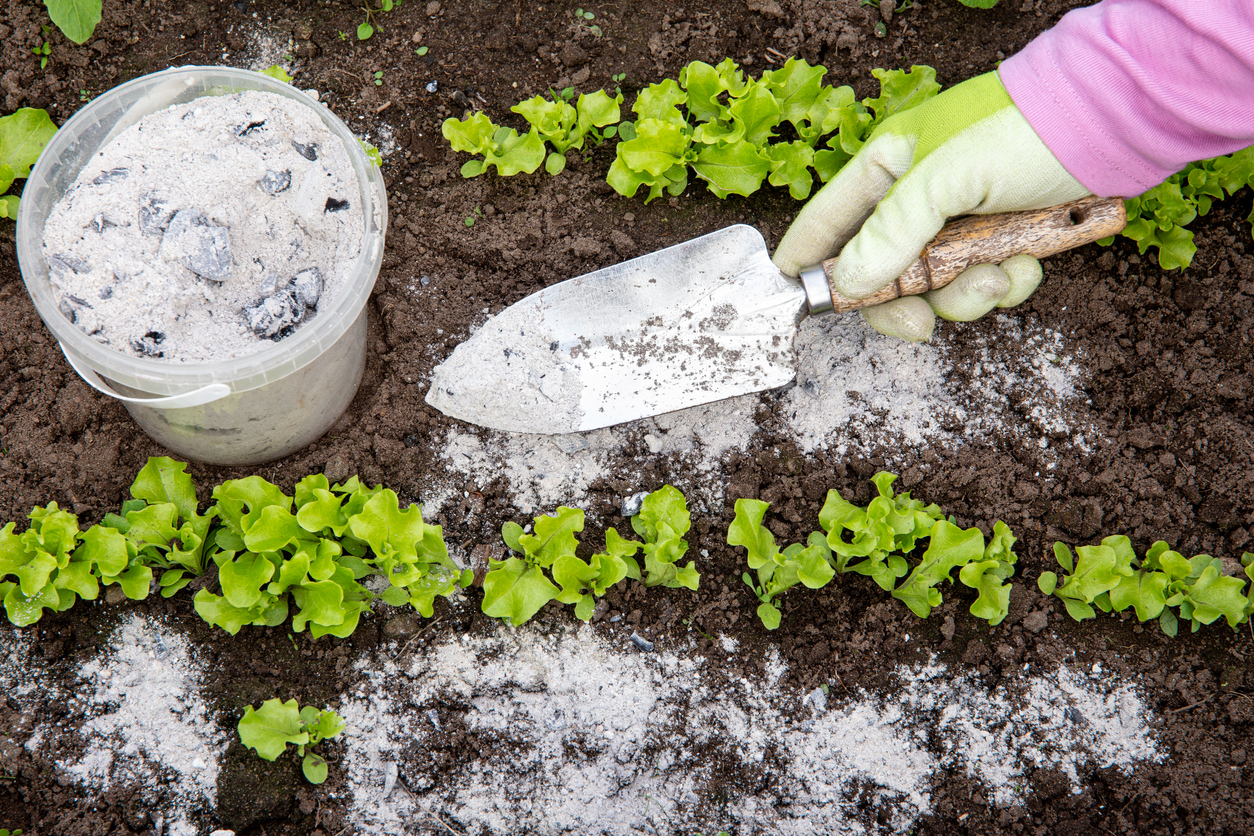
However, and this is a big “however,” if your soil is already on the alkaline side, or even neutral, adding wood ash can actually be detrimental. Over-liming your soil (which is what adding too much alkaline substance does) can make certain nutrients, even those present in the soil, unavailable to your grass. It’s like having a buffet of delicious food but not being able to reach it because the tables are too high. So, the key here is knowing your soil. It’s the lawn-lover’s mantra!
How do you know your soil’s pH? Well, you could embark on a scientific adventure with a soil testing kit, which you can often get from your local extension office or garden center. They’re not as complicated as they sound, and they’ll give you a definitive answer. Or, you can observe your lawn. If you have a lot of moss, that’s often a sign of acidic soil. If you’re struggling to grow anything, and your soil feels like concrete, it might be a clue too. But for the most accurate picture, a test is your best bet. Don’t worry, it’s not like a pop quiz; it’s more like a helpful health check-up for your garden.
Let’s talk about quantity. This is where many a well-meaning gardener has gone astray. You can have too much of a good thing, even when it comes to beneficial minerals. Think of it like adding sprinkles to an ice cream cone. One sprinkle? Lovely. A whole avalanche of sprinkles? Suddenly, you’ve got a sugary snowdrift and can barely taste the ice cream. The same goes for wood ash. Too much can over-alkalize your soil and even burn your grass roots. Ouch!
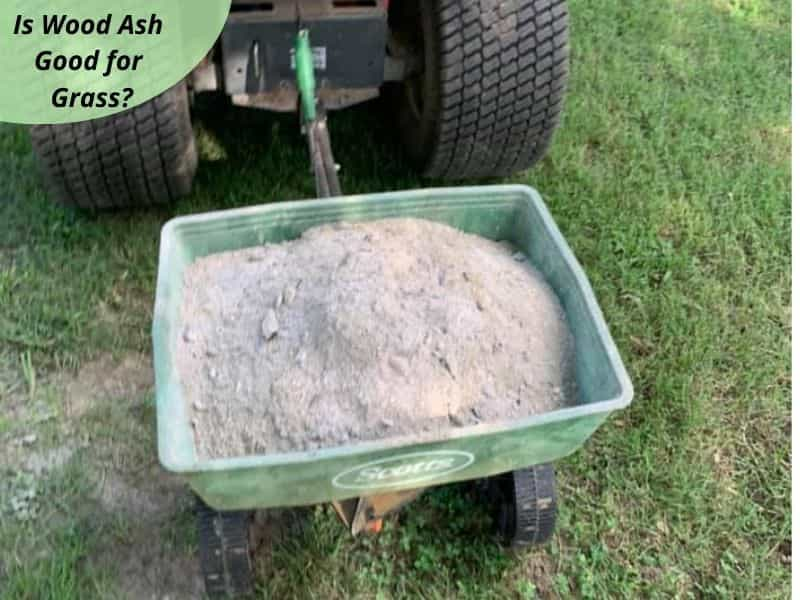
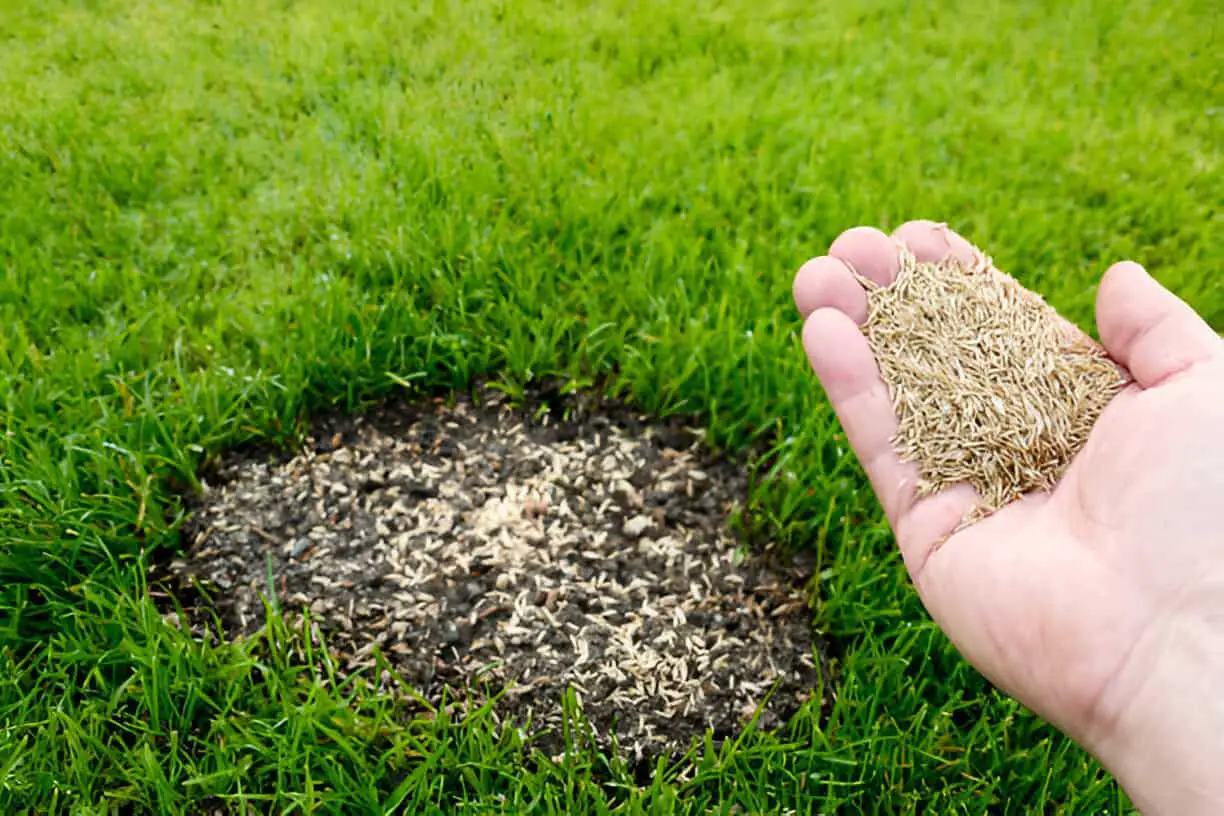
So, how much is just right? For most lawns, a light dusting is all you need. We’re talking about a very thin layer, so thin that you can still see a lot of the green grass underneath. A general guideline is about 20-50 pounds of ash per 1,000 square feet per year. But remember, this is a starting point. If your soil is quite acidic, you might be able to use a little more. If it’s only slightly acidic, you’ll need less. And if it’s neutral or alkaline, you might want to skip the ash altogether.
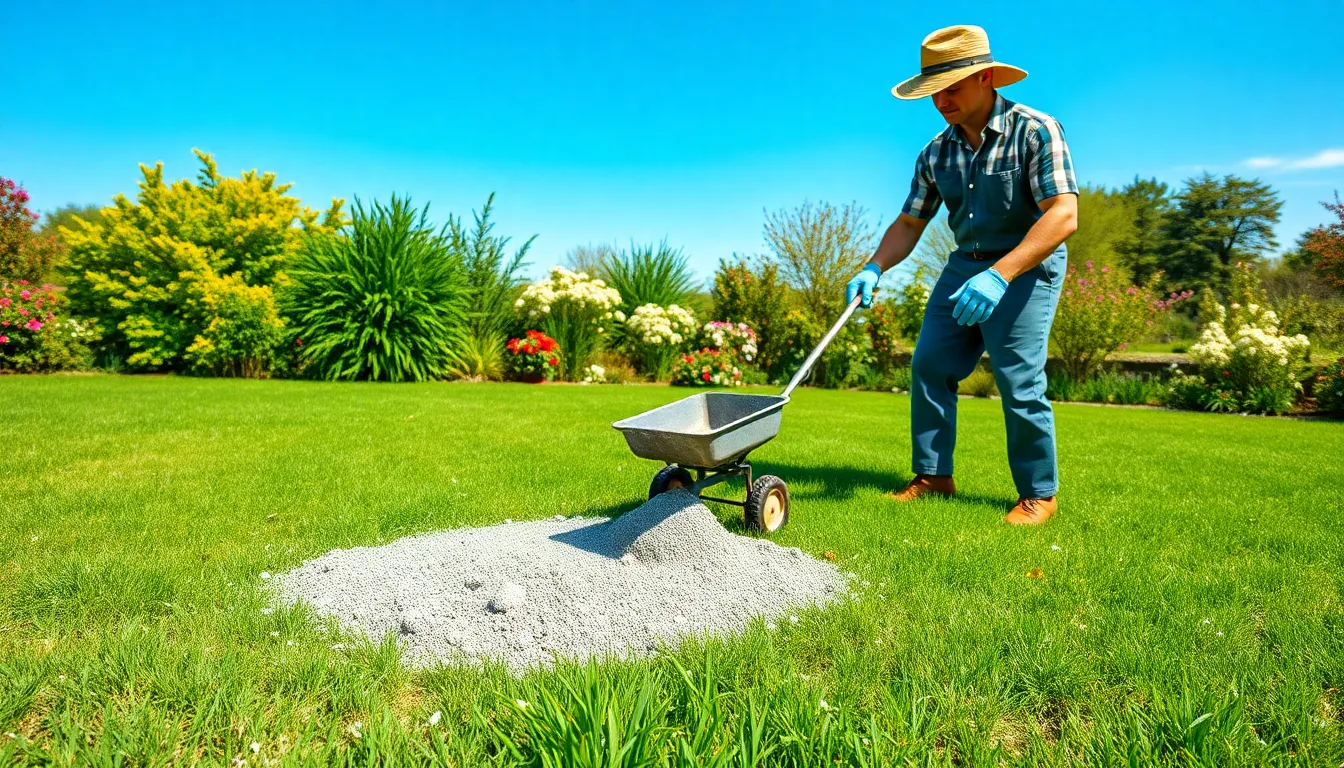
When you apply it, spread it evenly. Don’t just dump a pile in one spot. That’s like giving one person a whole pizza and everyone else nothing but breadsticks. It’s not fair, and it’s not good for the lawn. A broadcast spreader can be your best friend here, ensuring that everyone gets their fair share of the mineral goodness. Think of it as a community potluck for your grass.
Another important consideration is timing. It’s best to apply wood ash when the grass is dormant, or at least when it’s not actively growing and under stress. Autumn, after the main growing season, or early spring, before the big push of growth, are often good times. Applying it during very hot, dry weather is generally not recommended, as it can exacerbate stress on the grass. Imagine going for a marathon on a scorching hot day with no water – not ideal! Let your lawn have a break.
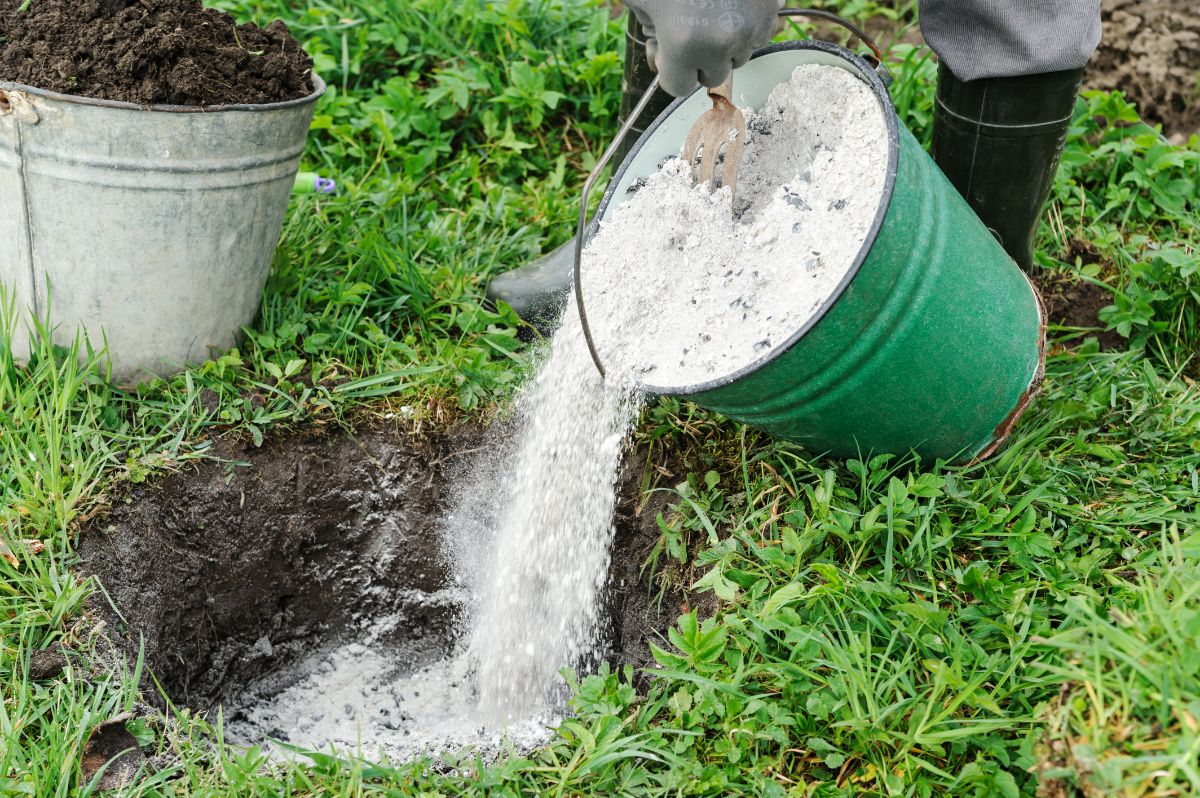
Also, let’s not forget about those lovely little worms and beneficial microbes that call your soil home. They’re like the unsung heroes of your garden ecosystem. While wood ash provides minerals, it can also be a bit harsh on these tiny creatures if applied in large quantities. So, again, moderation is key. We want to support our entire soil community, not just the grass blades.
What about the ash itself? Ideally, you want ash that’s been fully cooled and is relatively dry. Wet ash can clump together, making it harder to spread evenly, and it can also be more caustic. Let that ash sit for a few days after your fire has died down completely, just to be safe. No one wants a surprise hot spot on their lawn, or worse, a minor burn!
So, to recap the “good” aspects: wood ash can provide valuable nutrients like potassium, phosphorus, and calcium, and it can help to raise the pH of acidic soil, making it more hospitable for grass. It’s a natural way to give your lawn a boost, and it’s a fantastic way to recycle those fireplace remnants.
Now for the “not-so-good” aspects, or rather, the things to be cautious about: Over-application can lead to over-alkalization, burning your grass, and potentially making essential nutrients unavailable. It can also be harmful to beneficial soil organisms if used excessively. And, of course, it’s a big no-no for treated or chemically contaminated wood.
Think of it this way: wood ash is a potent ingredient. You wouldn’t chug a bottle of hot sauce, right? You use it to add flavor and a little kick. Wood ash is similar. It’s a supplement, not a meal. Use it sparingly and wisely, and it can be a fantastic addition to your lawn care routine.
So, is wood ash good for the lawn? The answer, my friends, is a resounding “it depends!” It depends on your soil’s pH, the type of wood ash you have, and how much you apply. It’s not a magic bullet, but it can be a very helpful tool in your gardening arsenal when used correctly. It’s about being a mindful gardener, understanding what your lawn needs, and providing it with the right support.
Ultimately, the goal is a lush, green, happy lawn that makes you want to kick off your shoes and do a little happy dance. And if a little bit of carefully applied wood ash helps you get there, then I say, go for it! You’ve got this, and your lawn is going to thank you. So, the next time you’re looking at that pile of ash, don’t just see waste; see potential! See a chance to give your lawn a little love, a little lift, and a whole lot of mineral-rich goodness. Now go forth and garden, you magnificent green-thumbed wizards!