Is It Ok To Cut Wet Grass
Alright, gather 'round, fellow lawn-lovers and accidental swamp-mowers! Let's talk about a topic that divides families, sparks heated debates at barbecues, and has probably caused more existential crises than deciding what to watch on Netflix. We're diving deep, folks, into the murky, and sometimes frankly terrifying, question: Is it okay to cut wet grass?
I know, I know. You're picturing it now. That perfectly manicured lawn, suddenly turned into a soggy, mud-splattered battlefield. Your trusty mower, coughing and spluttering like a smoker after a marathon. And the grass itself? It’s just… sulking. A sad, limp, waterlogged mess. It’s enough to make you want to trade your shears for a pair of galoshes and call it a day.
But before you shove your mower into the shed for the rest of the season and declare your lawn a permanent nature preserve (hey, no judgment here!), let's explore this verdant mystery. We're not here to wag fingers or deliver stern lectures. We're here for the truth, the whole truth, and nothing but the slightly damp truth.
Must Read
The Dreaded "Bog of Despair" Effect
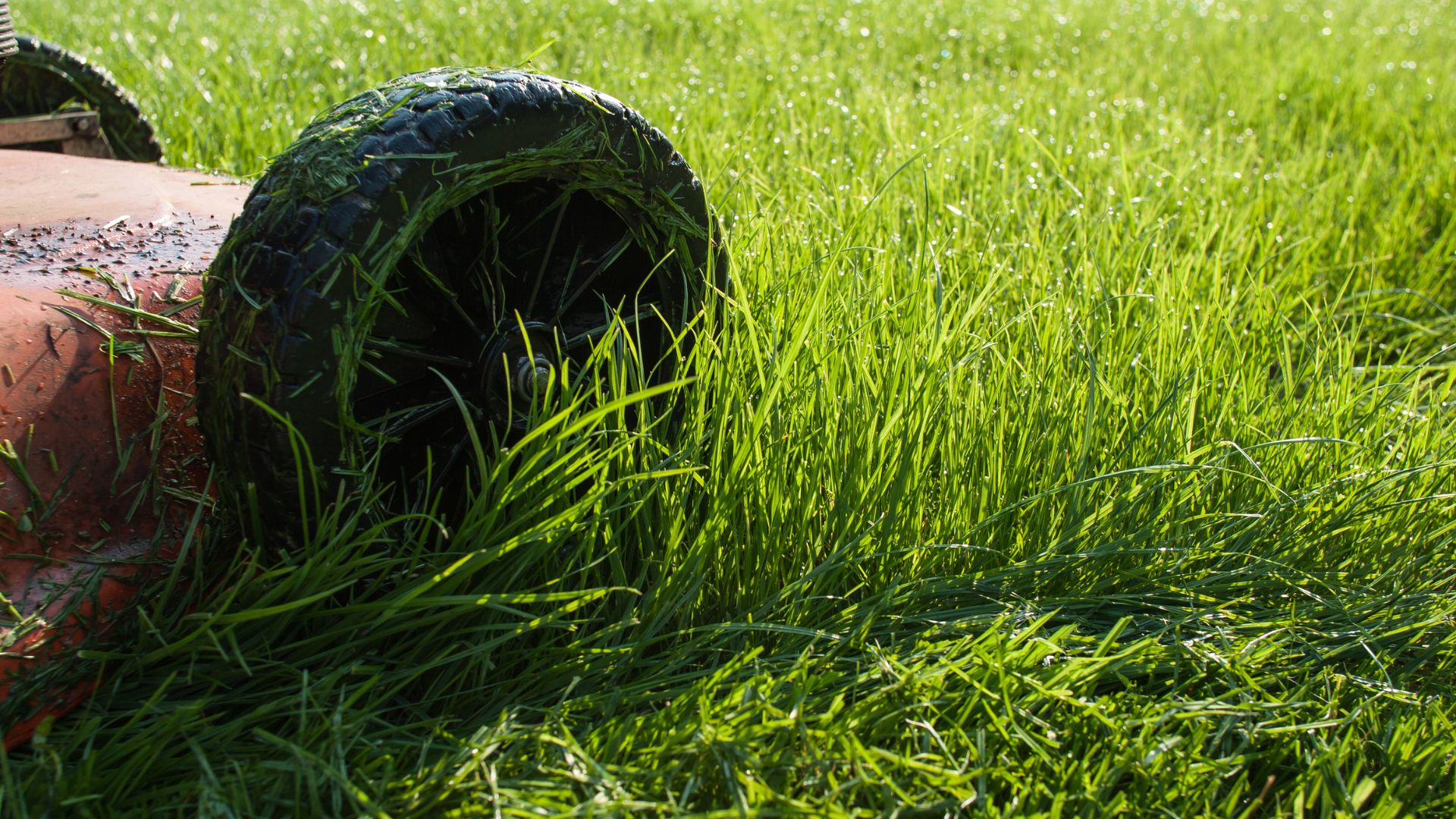
Let's start with the most obvious offender: the mower. When the grass is wetter than a polar bear's picnic, your poor mower is essentially trying to chew through a field of soggy spaghetti. It's not designed for this. It’s like asking a supermodel to run a marathon in stilettos. It's just… not going to end well.
You'll find yourself pushing and shoving, your mower groaning in protest. The blades, instead of slicing cleanly, tend to mulch and tear. Imagine trying to cut a wet noodle with a dull butter knife. Not a pretty picture, right? This raggedy cutting can leave your grass more susceptible to diseases. It’s basically giving weeds a VIP invitation to your lawn party.
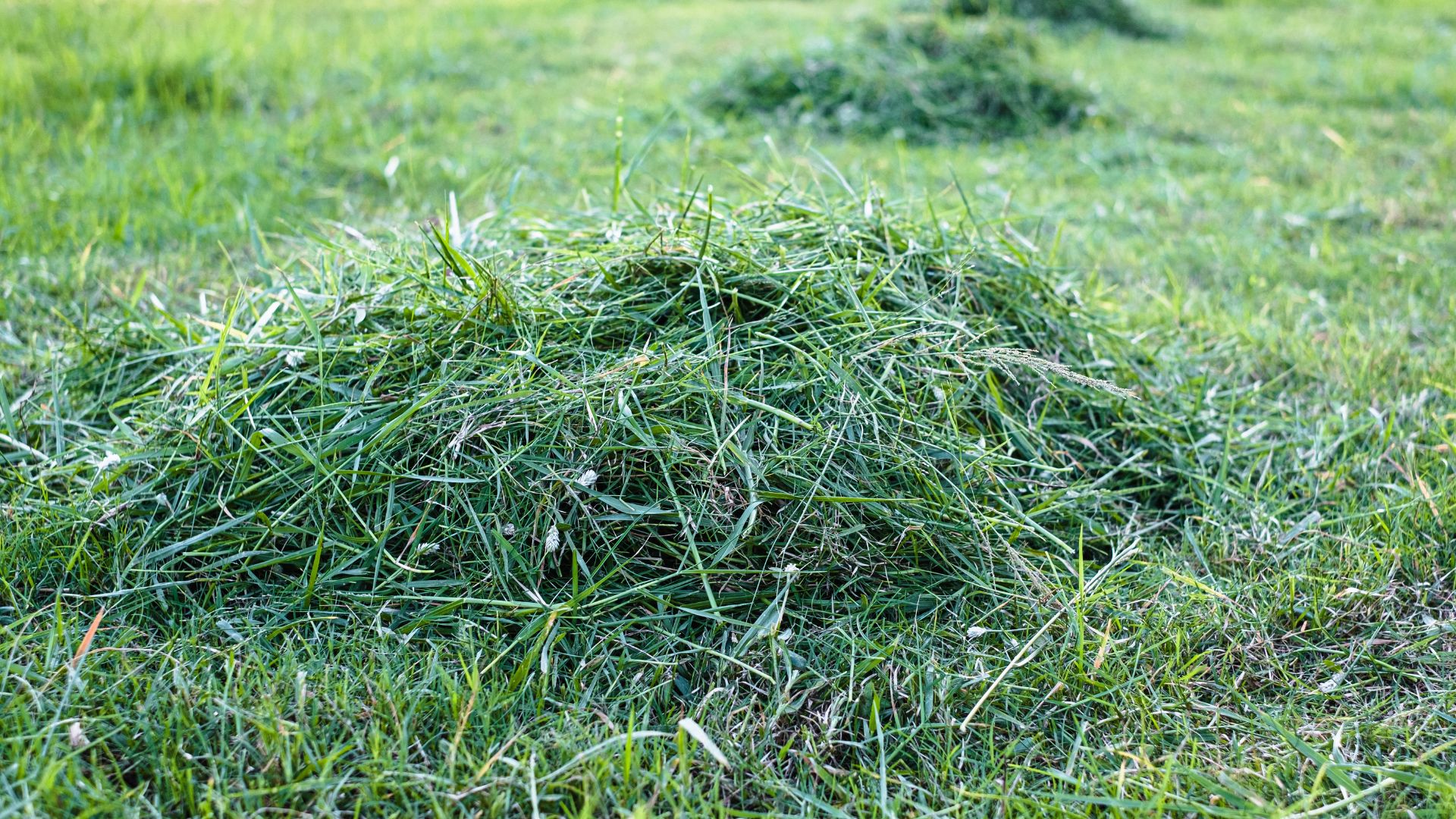
And the clippings? Oh, the clippings! Instead of a nice, even distribution, you get clumps. Big, fat, soggy clumps that sit on your lawn like miniature, embarrassing rafts. These clumps can smother the grass underneath, denying it precious sunlight and air. It’s the lawn equivalent of being buried under a pile of wet laundry. Nobody likes that.
The Slippery Slope (Literally)
Now, let's talk about the operator. You. Me. Anyone brave enough to venture onto a dewy or rain-soaked lawn with a machine that spins sharp metal blades. It’s dangerous, folks. Seriously. Wet grass is slippery. The ground is slippery. Your mower might be slippery (especially if you've been sweating from the sheer terror of it all). One wrong move, and you could be performing an impromptu, and highly unwelcome, interpretive dance with your lawnmower as your partner.
I once saw a guy – bless his heart – try to cut his lawn after a downpour. He was wrestling with the mower, which was clearly losing the battle. Suddenly, with a dramatic lurch, the mower decided it wanted to explore the flowerbed. He ended up doing a spectacular, if unintended, pirouette, narrowly avoiding a head-on collision with a prize-winning rose bush. The rose bush looked smug. The lawn looked like it had been attacked by a disgruntled badger.
But Wait, There's a (Slightly Damp) Silver Lining?
Okay, okay, before you all pack up your lawn care dreams and retreat indoors, let's consider the nuances. Is it always a catastrophic disaster to cut wet grass? Well, the answer, like most things in life, is a resounding… it depends.
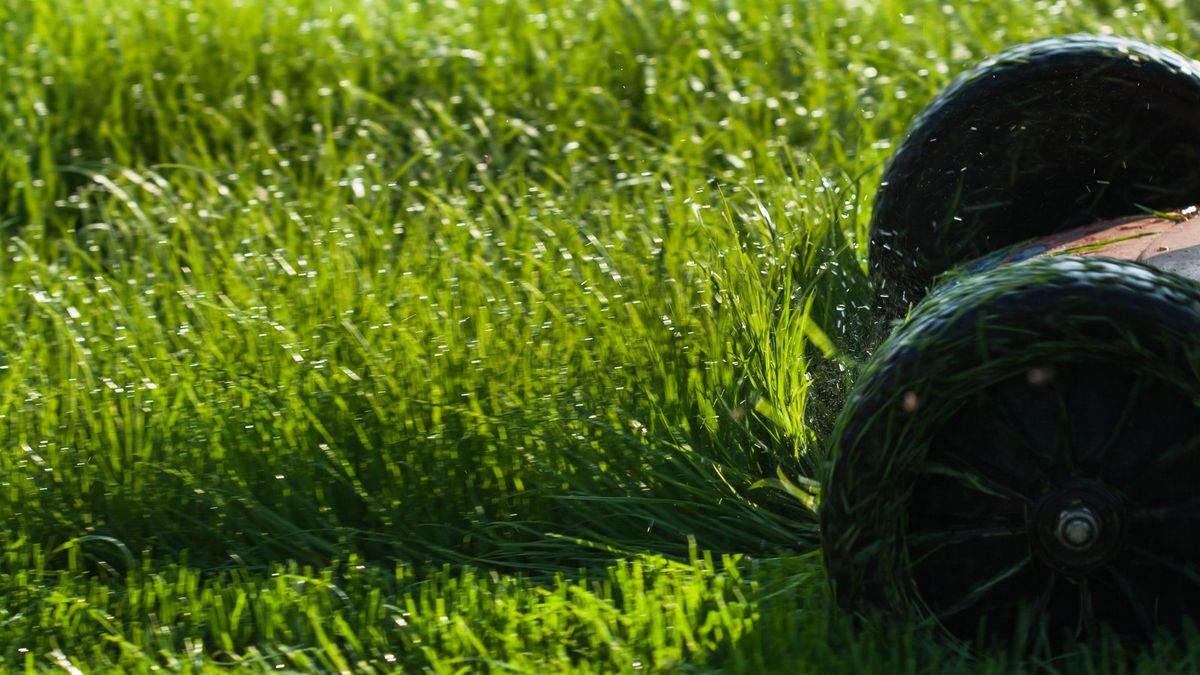
If we're talking about a light dew, a bit of morning mist that's mostly evaporated by the time you get to it? Your mower might sigh dramatically, but it'll probably survive. The grass might look a little sad, but it'll likely perk up. Think of it as a refreshing, albeit slightly aggressive, spa treatment.
However, if we're talking about grass that’s practically weeping, that has puddles forming in its little grassy crevices? That’s when you need to hit the "abort mission" button. It's a different ballgame entirely.
The Science of Sad Grass
So, why is wet grass so… well, wet and sad? It’s all about water retention. Grass, like any plant, absorbs water. When it’s saturated, it’s heavier, it’s more pliable, and its cellular structure is, shall we say, less rigid. This makes it much easier to tear and damage when you try to cut it.

Think of it like trying to slice a ripe tomato versus a frozen one. The ripe tomato is soft and squishy, and you’ll likely end up with a mess. The frozen one? Much cleaner slice. Wet grass is the ripe tomato of the lawn world. And your mower? It's the blunt knife.
Here's a fun (or terrifying) fact: Grass can hold up to 80% of its weight in water! That’s like a human carrying around a small elephant on their back, all day, every day. Imagine trying to run with that! No wonder it gets a bit… sluggish.
When is "Dry Enough"?
The golden rule, my friends, is this: if you can squeeze water out of the grass, it’s too wet. Simple as that. If your shoes are getting soaked just by walking on it, it’s probably not prime mowing time.

The ideal scenario is to mow when the grass is dry. This means waiting for the morning dew to evaporate, or holding off after a rain shower until the sun has had a good chance to work its magic. Patience, grass enthusiasts, is a virtue. And in this case, it’s also a ticket to a healthier, happier lawn.
And if you absolutely, positively must mow wet grass (perhaps you have a surprise guest arriving in five minutes, and your lawn looks like a swamp creature's shedding ground), be prepared for the consequences. You might need to make more passes, your mower will likely complain, and you'll definitely have a cleanup job of epic proportions. It's like choosing to eat an entire tub of ice cream before a dentist appointment – a decision you might regret later.
So, the next time you’re staring out at your glistening green expanse, debating the wetness factor, remember this. Your mower will thank you. Your grass will thank you. And you, my friend, will avoid the potential embarrassment of becoming a viral sensation for your lawnmower wrestling skills. Go forth, and mow wisely!