Is It Normal For Dogs To Snore
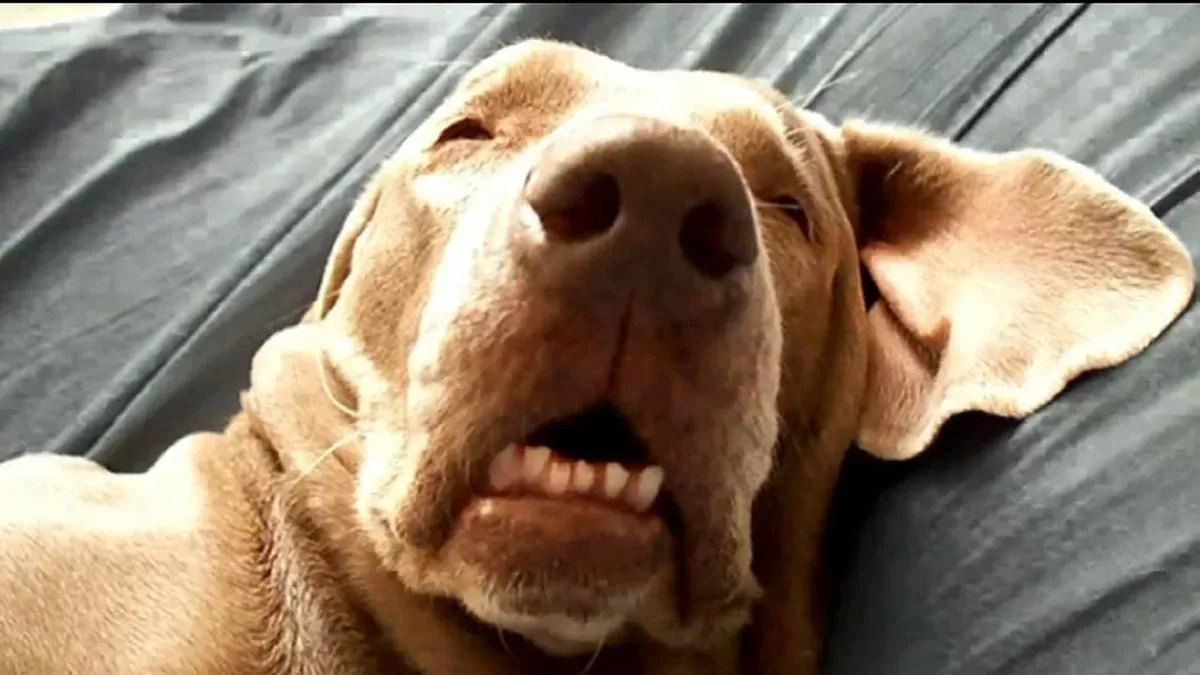
Ah, the sweet, rumbling symphony of a sleeping dog. For many of us, the gentle, sometimes not-so-gentle, snores of our furry companions are a familiar soundtrack to our lives. It's a sound that often brings a smile to our faces, a sign that our beloved pets are truly at peace, dreaming of chasing squirrels or perhaps just enjoying a really good belly rub. This comforting, albeit sometimes loud, nightly chorus is a testament to the unique bond we share with our canine pals.
But beyond the sheer adorableness and the warm, fuzzy feeling it evokes, is it actually… normal for dogs to snore? The short answer is a resounding yes! In fact, snoring is quite common in our canine friends, and understanding why it happens can help us appreciate it even more. It's essentially the same physiological process as in humans: as air moves through relaxed tissues in the throat, these tissues vibrate, creating that characteristic sound. For dogs, particularly certain breeds, this vibration can be amplified.
So, what are the common culprits behind a dog's nightly serenade? Well, it often boils down to their anatomy. Breeds with brachycephalic (shortened or flattened) faces, like Pugs, Bulldogs, and Boxers, are notorious snorers. Their shorter nasal passages and often narrower airways can make breathing a little more… interesting.
Must Read
However, it's not just about the snout. Several other factors can contribute to a dog's snoring. Overweight dogs, for instance, may have more fatty tissue around their throat, which can obstruct airflow. Allergies or even a simple head cold can also lead to temporary snoring as a dog's airways become inflamed or congested. Sometimes, the sleeping position itself can play a role – a dog’s neck being bent in a particular way can momentarily constrict their airway.
Now, while snoring is generally normal, there are times when it might signal a need for a little extra attention. If your dog's snoring has suddenly become louder or more frequent, or if it's accompanied by other symptoms like coughing, gagging, difficulty breathing, or pauses in breathing, it’s definitely worth a chat with your veterinarian. These could be signs of more serious conditions like laryngeal paralysis, polyps, or even sleep apnea. Early detection is key for any potential health concerns.

For those of us who cherish the snore, here are a few tips to enhance the experience (and ensure your dog is comfortable!):
- Maintain a healthy weight: This is perhaps the most impactful way to reduce snoring, especially in breeds prone to it. A lean dog is generally a healthier dog with clearer airways.
- Consider their sleeping spot: Sometimes, a slightly raised head cushion can help open up the airway. Experiment with different dog beds or add a pillow to see if it makes a difference.
- Keep the air clean: If allergies are a factor, using an air purifier can help reduce irritants that might be causing congestion and snoring.
- Observe and enjoy: The best way to enjoy your dog’s snores is to appreciate them for what they are – a sign of deep relaxation and a peaceful slumber. Listen to the rhythm, and know that your furry friend is content.
So, next time you hear that gentle rumble, don't just dismiss it as noise. It’s the soundtrack to your dog’s dreams, a little reminder of their presence and their happiness. And for the most part, it’s perfectly, delightfully, normal.