Is It Normal For A Dog To Snore
So, you’ve got a furry little roommate, huh? And lately, maybe you’ve been noticing… a rumble. A snuffle. A sound that’s suspiciously like Uncle Barry after Thanksgiving dinner. You’re probably wondering, “Is it normal for my dog to snore?” Let’s spill the kibble, shall we?
Because honestly, some dogs sound like a tiny, adorable chainsaw orchestra in their sleep. Others are whisper-quiet, like little ninjas. It’s a real spectrum. And it’s totally understandable to be a bit puzzled, right?
The short answer? Yes, it is absolutely normal for dogs to snore. Phew! You can relax that furrowed brow. Your dog isn’t secretly training for the competitive snoring Olympics.
Must Read
But why do they do it? It’s not like they’re dreaming about chasing squirrels and getting really into it. Though, let’s be honest, their dreams probably involve a lot of chasing. And snacks. Definitely snacks.
Basically, snoring happens when the flow of air through your dog’s airways gets partially blocked. Think of it like a little traffic jam in their throat. When that air tries to squeeze through, it vibrates the tissues. And voilà! You get the symphony of snores.
What kind of dog are we talking about here? Because that’s a huge clue. Have you ever seen a pug sleep? It’s like a miniature, furry foghorn convention. Bulldogs, boxers, French bulldogs – these guys are the poster children for snoring. They’re built for it, practically.
These breeds, you see, are often what we call brachycephalic. Fancy word, right? It just means they have shorter muzzles and flatter faces. It’s super cute, I know. Those adorable smooshed faces are irresistible. But that unique anatomy can lead to a narrower airway. So, when air tries to get in, it’s a bit more… challenging. And that can lead to snoring.
It’s just a natural consequence of their charmingly squished-up noses. They’re born with it. It's part of their whole package of adorableness.

But it’s not just the flat-faced breeds. Oh no. Any dog can snore. Seriously. It’s like that one person at every party who will end up snorting while laughing. It just happens.
Think about body weight. If your dog is carrying a little extra fluff, that extra padding around their neck and throat can put pressure on their airways. It’s like wearing a scarf that’s a bit too tight, all the time. Makes it harder to breathe freely, especially when they’re all relaxed and snoozing.
So, if your normally quiet terrier suddenly sounds like a little truck driver, maybe check their treat intake. Just saying. No judgment, though. We’ve all been there with the midnight snack raids.
What about their sleeping position? This is a big one. Dogs are masters of contortionism, aren't they? They can sleep in the most bizarre, pretzel-like positions. And sometimes, the way they’re curled up can actually kink their airway. It’s like us trying to sleep with our arm stuck at a weird angle. Ouch. And… snore.
When they’re sleeping on their back, for example, gravity can pull on their tongue and throat tissues, potentially causing a blockage. Or they might be sleeping with their head tucked under their paws in a way that’s just… not ideal for airflow. It’s all about that perfect, unobstructed path for the air to travel.
Sometimes, it’s just a temporary thing. Maybe your dog had a particularly exciting day. They ran their little hearts out chasing that red laser dot. Or they had a very important nap session in a sunbeam. When they finally crash, they might be breathing a little heavier, a little more congested. And that can lead to a bit of extra noise.
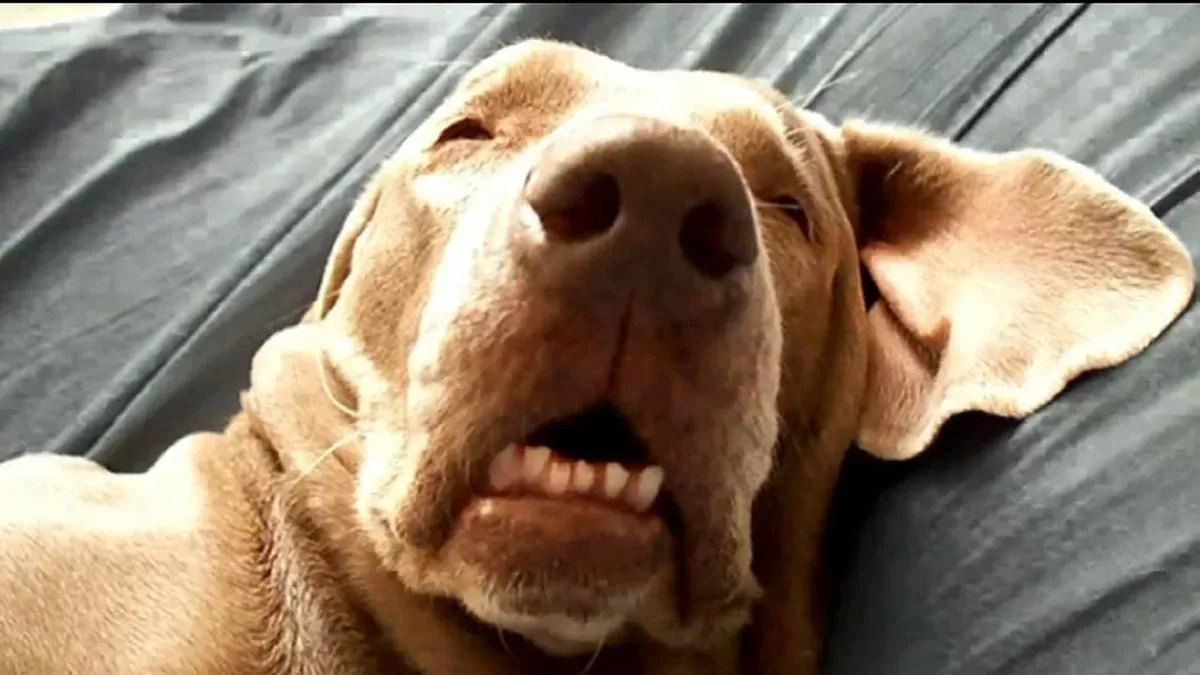
Ever notice how you snore more when you have a cold? It’s the same principle for your pup. A stuffy nose, a bit of congestion from allergies, or even just a little bit of post-play panting can all contribute to snoring. Their nasal passages are a bit more… closed for business. And the air has to find a way.
Think about the environment. Is the air really dry where they’re sleeping? Super dry air can irritate nasal passages and throats, making them a bit more prone to snoring. It’s like when your own throat gets scratchy in winter. A little bit of moisture can go a long way.
And what about their age? Puppies are usually pretty quiet sleepers. But as dogs get older, their muscles can relax more. The tissues in their throat might become a bit floppier. It’s just part of the aging process, like us needing reading glasses. So, a senior dog starting to snore isn't usually a cause for alarm. It’s just them embracing their golden years in comfort… and noise.
Now, when should you actually worry? Because while snoring is often normal, there are times when it’s a sign of something more serious. You’re the expert on your dog, right? You know when something’s off.
If the snoring is sudden and new. Like, your dog went from silent slumber to sounding like a freight train overnight. That’s a red flag. It might mean something has changed in their airway or respiratory system.

Or if the snoring is accompanied by other symptoms. Things like:
- Difficulty breathing. Do they seem to be gasping for air? Or taking really ragged breaths?
- Choking or gagging sounds. This is definitely not normal snores.
- Frequent pauses in breathing. This is a big one, and could indicate something like sleep apnea. Yes, dogs can get that too!
- Restlessness or disrupted sleep. If they’re constantly waking up, tossing and turning, and not getting good rest, that’s not a good sign.
- Changes in appetite or energy levels. If they’re suddenly lethargic or not interested in their food, it’s worth investigating.
These are the signs that make you want to pick up the phone and call your vet. Don’t mess around with breathing issues. Your furry friend deserves to breathe easy, 24/7.
So, what could be causing these more concerning snores?
- Allergies. Just like us, dogs can have allergies to pollen, dust mites, or even certain foods. These can cause inflammation in their airways.
- Infections. A respiratory infection, like kennel cough or a sinus infection, can lead to swelling and congestion, making snoring worse.
- Nasal polyps or tumors. These are growths in the nasal passages or throat that can obstruct airflow.
- Laryngeal paralysis. This is a condition where the nerves that control the larynx (voice box) stop working properly. It can cause breathing difficulties and noisy breathing.
- Heart disease. In some cases, heart problems can lead to fluid buildup in the lungs, which can affect breathing and cause snoring.
See? It’s a whole spectrum. From cute, rumbling snores to sounds that make you want to check if they’ve swallowed a kazoo.
What can you do if your dog’s snoring is bothering you, or if you’re concerned about it? First off, observe your dog. When do they snore? Is it all the time, or only when they’re in a certain position? Is it getting worse?
If you have brachycephalic breeds, you can often manage snoring by helping them maintain a healthy weight. Less squish around the neck means more room for air! It’s a win-win, really. They get to be healthier, and you get slightly less noise.
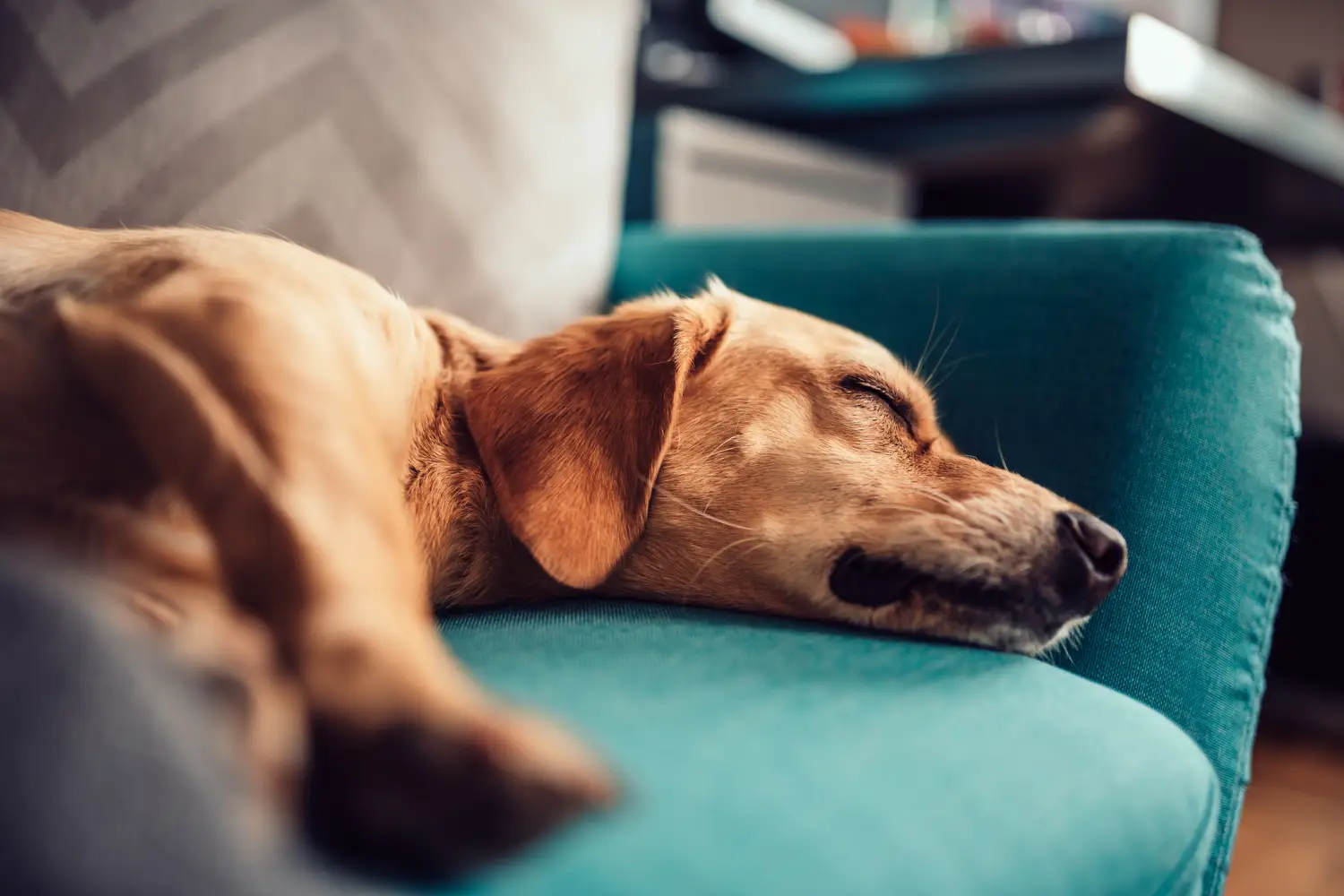
You can also try to adjust their sleeping environment. A humidifier can help if the air is too dry. Making sure their sleeping spot is comfortable and doesn’t encourage awkward positions might also make a difference.
And sometimes, it’s just about creating a routine. If your dog tends to snore more after a lot of activity, maybe a gentle cool-down period before bed could help them relax more gradually.
But the most important thing? Don’t hesitate to talk to your vet. Seriously. They’re the professionals. They’ve seen it all. They can listen to your dog’s chest, check their airways, and rule out any underlying medical conditions. It’s always better to be safe than sorry, right? Especially when it comes to your best friend’s health.
They might suggest a physical exam, or perhaps even further diagnostics like X-rays or a rhinoscopy (that’s looking up their nose with a tiny camera, how cool is that?!). Whatever it takes to get to the bottom of the rumble.
So, next time your dog lets out a particularly robust snore, take a moment. Is it a cute, contented sigh of a happy dog dreaming of bones? Or is it a sound that makes you a little uneasy? Listen to your gut. Listen to your dog.
Because at the end of the day, while snoring might be perfectly normal, their well-being is paramount. And a good night’s sleep – for both of you – is a precious thing. Now, if you’ll excuse me, I think I hear a faint snuffle coming from the couch… probably dreaming of bacon. Typical.