Is It Bad To Mow A Wet Lawn

My neighbor, bless his heart, is a man of unwavering dedication. Every Saturday, rain or shine, his trusty, slightly battered mower is out there, churning away. Last week, after a torrential downpour that turned my backyard into a miniature swamp, I saw him out there, wrestling with the wet, clumpy grass. He looked like a knight battling a particularly stubborn, green dragon. I couldn't help but wonder, "Is he… is he supposed to be doing that?"
And that, my friends, is how we arrive at the age-old, slightly soggy question: Is it bad to mow a wet lawn? It’s one of those things you feel is probably not ideal, like wearing socks with sandals (no judgment if that’s your jam, but you get the vibe). But is it a genuine lawn-care sin, or just a bit of an inconvenience? Let’s dive in, shall we?
The Soggy Truth: Why Wet Grass is a Mower's Nemesis
Okay, so picture this: your lawn is basically a giant, plush carpet. When it’s dry, it’s a nice, even surface. When it’s wet, it’s more like a sponge that’s just been saturated. Now, imagine trying to cut through that saturated sponge with a pair of scissors. It’s going to be messy, right? Same principle applies to your mower.
Must Read
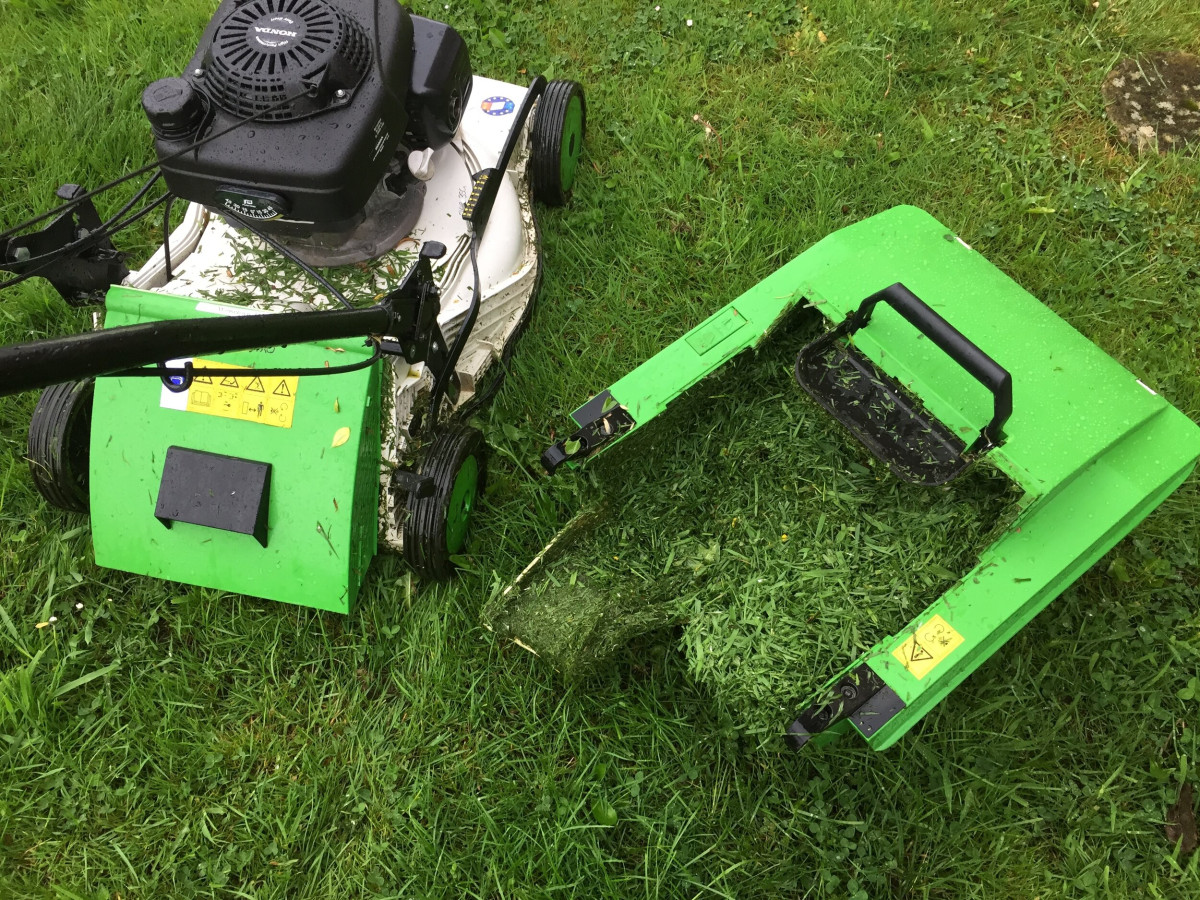
First off, wet grass clumps. And I mean really clumps. Instead of nice, clean clippings falling gracefully to the ground (or into your catcher, if you’re that organized), you get these big, soggy wads. These clumps can clog up your mower deck faster than a toddler can destroy a LEGO castle. This means you're constantly stopping, tilting your mower (which, by the way, you really shouldn't do with gas mowers – oil can get into places it shouldn’t be, wink wink), and trying to dislodge the green gunk. Talk about a workout!
Then there’s the issue of uneven cutting. When the grass blades are heavy with water, they tend to bend and mat down. Your mower blades might not be able to get a clean cut, resulting in a lawn that looks like it’s been nibbled by a herd of very indecisive sheep. It’s not the crisp, uniform look we’re all striving for, is it? More like a patchy, "I tried" kind of situation.
And don’t even get me started on the spiritual well-being of your mower. Think about it: you're forcing it to work harder, pushing through resistance, and potentially causing it to overheat. It’s like asking your car to drive through a mud bog when it’s designed for the open road. Your mower’s probably sighing internally, wishing you’d just waited a day.
The Dangers Lurking in the Dew (and Rain)
Beyond the sheer annoyance and the potential for a shoddy haircut, there are some actual, tangible downsides to mowing wet grass. Let’s break them down:

Disease Spreading: The Uninvited Guests
This is a big one, and often overlooked. If your lawn has any fungal diseases – and let’s be honest, most lawns have a little something going on sometimes – mowing wet grass can actually spread those spores. Those soggy clumps I mentioned? They’re like tiny little disease delivery vehicles, hitching a ride on your mower’s wheels, blades, and deck. They can then be deposited in other, healthy parts of your lawn, or even your neighbor’s lawn (uh oh, awkward!).
Think about it. You’re essentially creating a perfect environment for those spores to travel and take root: damp, freshly cut (and thus, vulnerable) grass. It’s like opening the floodgates to your lawn’s personal plague. So, if you suspect you’ve got a bit of a fungal issue brewing, absolutely, positively, hold off on the mowing until things dry out. Your lawn will thank you, and your neighbors will too, if you’re not the one spreading turf blight down the street.
Soil Compaction: Squishing the Life Out of It
When the ground is saturated, it’s soft and yielding. Your mower, being a heavy piece of machinery, will sink into that soft soil. As you push it around, you’re essentially compacting the soil. This is bad news for your grass roots. Compacted soil makes it harder for water, air, and nutrients to penetrate down to the roots, which are the lifeline of a healthy lawn. It’s like trying to breathe through a pillow – not ideal.
Imagine the pressure! Your mower weighs a good bit, and when it’s on wet, squishy ground, it’s exerting a lot of force. This can create dense layers of soil that are difficult for roots to grow through. Over time, this leads to a weaker, less resilient lawn that’s more susceptible to drought and other stresses. So, while you might be thinking you’re getting a chore done, you might actually be contributing to a long-term problem.
Safety First, Always!
This one is less about the lawn and more about you. Mowing on wet grass is inherently more dangerous. The ground can be slippery, and your mower can become heavier and harder to control, especially if it’s a walk-behind model. You could easily slip, fall, and end up in a very awkward (and potentially painful) situation. Nobody wants to be the subject of a backyard mishap story, right?
Plus, if your mower gets clogged with wet grass and you’re trying to dislodge it, you’re putting your hands closer to moving parts, which is never a good idea. And let’s not forget the electrical hazard if you’re using a corded electric mower and the cord gets wet – yikes!
When is "Too Wet" Too Wet?
So, what’s the magic threshold? When is your lawn officially in the "don't even think about it" zone? Generally, if you can see standing water, or if your footprints leave deep impressions in the grass, it’s probably too wet.
Another good test: try walking on the lawn. If your shoes feel like they’re sinking into mud, then your mower is going to feel like it’s sinking into a bog. If it feels squishy, leave it be.
The ideal time to mow is when the grass is dry, usually a few hours after the morning dew has evaporated, or the day after a rain. Patience, grass!
But What If I Have To Mow? (The Desperation Clause)
Okay, I get it. Sometimes life happens. Maybe you have guests coming, or you’ve got a crucial event, and that shaggy lawn is just staring at you, judging your life choices. In these rare, emergency situations, here are a few tips if you absolutely must brave the wet:
Raise Your Mower Deck
This is probably the most crucial tip. If you have to mow wet grass, raise your mower deck to its highest setting. This will mean you’re not cutting as much grass, and it will reduce the chances of clogging. You might need to make a second pass once it dries, but a slightly longer, wet-cut lawn is better than a clogged, ripped-up mess.
Mow in Sections and Be Prepared to Clean
If you’re mowing a larger area, try to do it in smaller sections. And be prepared for a thorough cleaning afterwards. You’ll want to clean out the mower deck religiously to prevent rust and corrosion, and to keep it working efficiently. A leaf blower can be your best friend here, along with a good brush.
Consider a Mulching Mower (with Caution)
Mulching mowers are designed to chop grass finely and return it to the lawn. In dry conditions, this is great for fertilizing. However, with wet grass, the clumps can still be a problem, and the excess moisture can prevent proper mulching. So, while it might seem like a good idea, proceed with extreme caution and be ready to rake up any large clumps.

Don't Cut Too Much
This goes back to raising the deck. Whatever you do, don’t try to scalp the lawn when it’s wet. You’ll just be making more work for yourself and your mower.
The Verdict: Patience is a Virtue (and Good for Your Lawn)
So, is it bad to mow a wet lawn? In most cases, yes, it is indeed bad. It can lead to a messy cut, spread disease, compact your soil, and create safety hazards. It’s an inconvenience for you and a struggle for your mower.
My neighbor, I’ve since learned, is a firm believer in "better now than never." While I admire his tenacity, I’ve also noticed his lawn isn't exactly the emerald carpet of suburban dreams. He tends to have those lovely brown patches that signal disease or stress. Coincidence? I think not.
The best advice is to let your lawn dry. A few hours in the sun can make all the difference. It might mean delaying your chore by a day, but it’s an investment in the long-term health and appearance of your lawn. Think of it as a spa day for your grass. It deserves it, and your future self (and your mower) will thank you.
Next time the sky opens up and your lawn starts looking a bit too verdant and damp, just remember this article, sigh with relief, and maybe grab a cup of tea and watch the rain. Your lawn will be much happier waiting for its turn in the spotlight. Happy (dry) mowing!