Is It Bad To Cut Wet Grass

Okay, so let’s talk about something that’s probably not at the top of your "exciting life events" list. Mowing the lawn. Exciting, right? But what if it’s wet? Suddenly, things get a little… fuzzy. Is it a big no-no? A minor inconvenience? Or maybe, just maybe, it’s a secret lawn-care hack?
We’ve all been there. You wake up, sunshine streaming, the birds are chirping, and you finally have a free Saturday. Time to tame that unruly beast in your backyard. But then… dew. Or a rogue sprinkler. Or, gasp, it actually rained overnight.
Suddenly, your trusty mower looks a little intimidated. And you might be too. Because the question looms: Is cutting wet grass a cardinal sin? Let's dive in, shall we?
Must Read
The Great Wet Grass Debate
Honestly, the whole "wet grass" thing is a classic. It’s like debating pineapple on pizza. People have strong opinions. And most of them are probably yelling, "NO! DON'T DO IT!"
And you know what? They're not entirely wrong. Cutting wet grass can be a bit of a mess. Think of it like trying to cut slippery noodles. It’s not the cleanest cut. The blades of grass tend to bend and fold instead of getting a nice, crisp slice. This can lead to a raggedy look, which is, let's face it, the opposite of what we’re going for.
Plus, those sad, bent blades are more prone to tearing. And torn grass blades are basically an open invitation for diseases and fungi. Nobody wants a sick lawn, right? It’s like a sick puppy, but way less cute and infinitely more expensive to fix.
The Slurry Situation
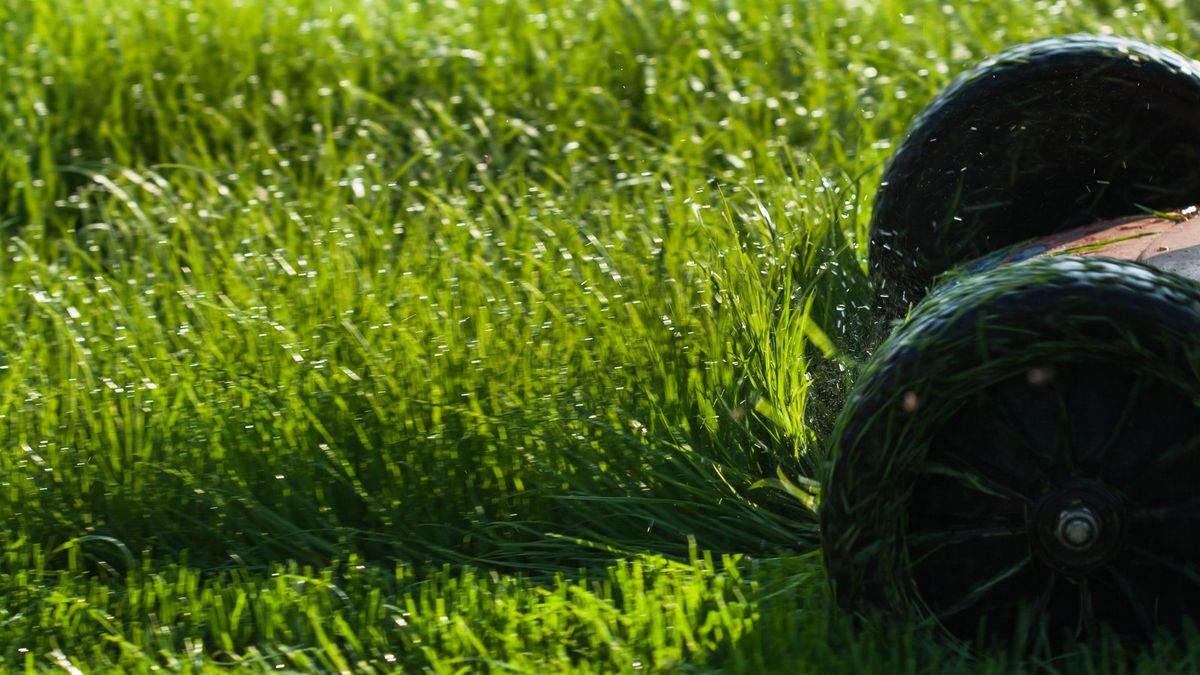
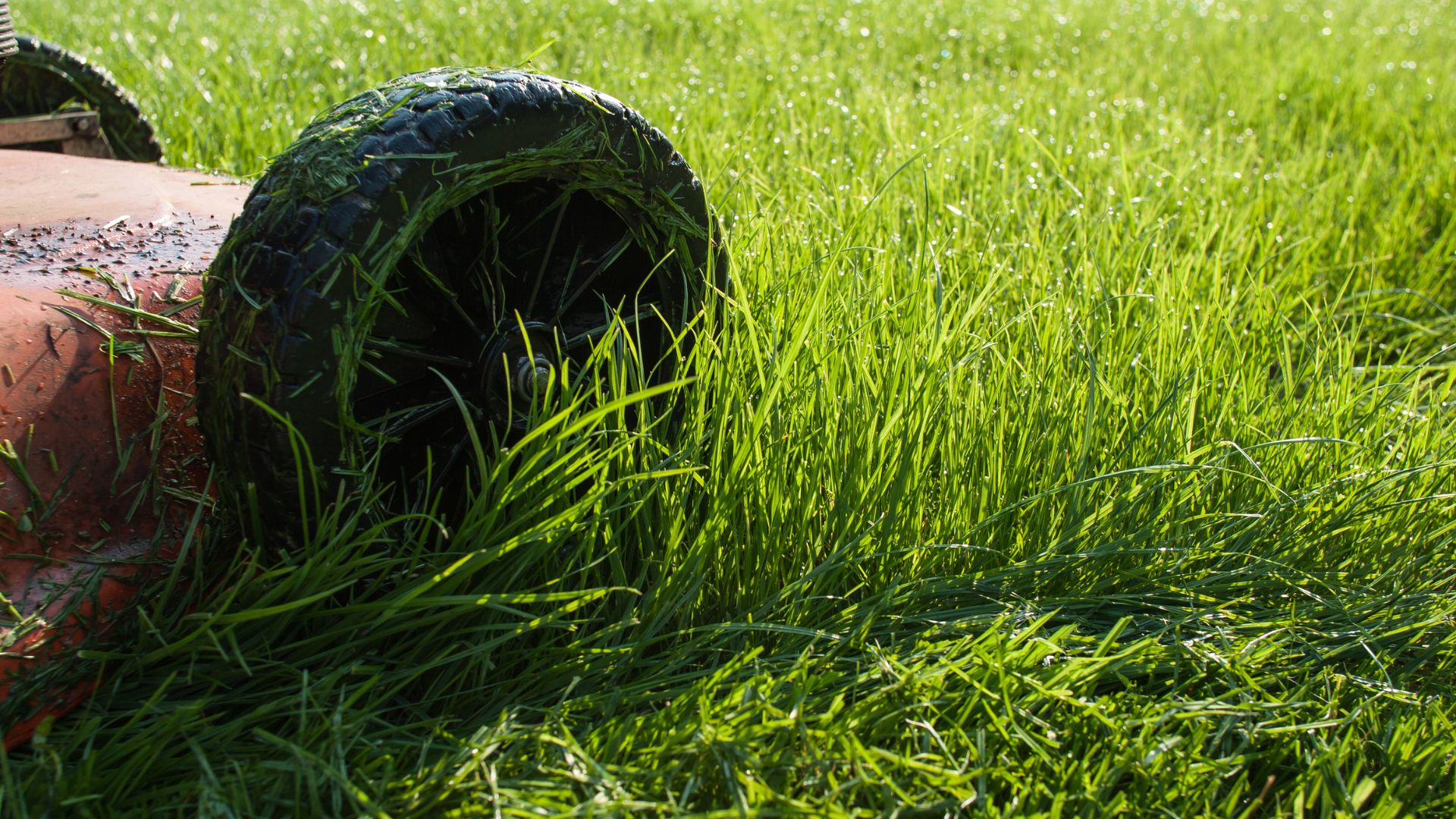
Then there’s the sludge factor. Wet grass clumps. It sticks. And when you’re trying to push a mower through it, you’re essentially creating a green, soggy slurry. This slurry loves to clog up your mower deck. It’s like it’s giving your mower a big, wet hug it never asked for.

This clogging can make your mower work harder. And a hardworking mower can lead to overheating. And an overheated mower is a grumpy mower. And nobody wants a grumpy mower. They tend to make weird noises and just… give up. We’ve all heard that dying whimper, haven’t we?
The clippings themselves also become a problem. Instead of flying out nicely, they tend to just… pile up. This can smother the grass underneath, blocking sunlight and air. It's like tucking your lawn in with a super thick, wet blanket. Not ideal for growth.
But Wait, There's a Twist!
Now, before you completely banish the idea of mowing after a drizzle, let’s consider the other side. Because life, and lawn care, is rarely black and white.
Sometimes, you just have to. Maybe you’re on vacation, and the only day you have to mow is a damp one. Maybe you have a wedding to host tomorrow, and your lawn looks like a jungle. In these situations, you might need to roll the dice.
And here’s a little secret: mowing slightly damp grass isn't the end of the world. We’re talking about a light dew, not a full-on downpour. If the grass is just a bit shiny, and the ground isn't squishy, you might be okay.
The Quirky Science Bit
Did you know that grass blades are surprisingly tough? They’re designed to withstand all sorts of weather. While a clean cut is always preferable, a little dampness won't instantly turn your lawn into a disaster zone.
Think of it like this: a razor blade works best on dry skin for a smooth shave. But if you’re in a pinch, a quick wash and shave when slightly damp can still get the job done, even if it's not perfect. The same principle, sort of, applies to grass. Sort of.
Also, some people actually prefer cutting slightly damp grass. Why? Because it can be heavier and thus, less likely to fly up into your face. Ever been pelted by dry grass clippings? It stings! So, a little dampness might mean a more comfortable mowing experience. Who knew?
When Wet is Too Wet
So, what’s the cutoff? When does damp become drowning? Generally, if you can see standing water, or if your shoes sink into the ground with every step, it’s too wet to mow. Seriously. Just wait. Your lawn, your mower, and your sanity will thank you.
Also, if the grass is so wet that it’s clumping excessively on the mower blades, that’s a red flag. You’ll know it when you see it. It’ll look like green spaghetti is erupting from your machine.
Another thing to consider is the type of mower you have. A powerful, high-end mower might handle slightly damp grass better than a budget-friendly model. And if you have a mulching mower, forget about it. Wet grass will just turn your mulching deck into a clumpy mess faster than you can say "kerplunk."
The Safety Angle (A Little Serious, But Important)
Okay, a quick, very brief detour into the sensible zone. Wet conditions can make your lawn slippery. You could slip and fall. Nobody wants to end up in a heap on the wet grass, with their mower doing a swan dive into the azaleas. So, keep your wits about you.

And electricity and water? Not the best of friends. If you have an electric mower, definitely, absolutely, DO NOT mow wet grass. That’s a recipe for a very unpleasant electrical surprise. Stick to dry conditions for electric mowers.
So, The Verdict?
Cutting wet grass? Generally, it’s not ideal. It can lead to a messier cut, potential disease, and a very unhappy mower. It's like trying to do intricate origami with damp paper – not impossible, but far from easy or pretty.
However, for a lightly damp lawn, it’s not the absolute end of days. If you’re in a pinch, and the grass isn't soaking, you might get away with it. Just be prepared for a bit more cleanup and possibly a less-than-perfect result.
The most important thing is to listen to your lawn, your mower, and your gut. If it feels wrong, it probably is. And there’s always tomorrow, or the next sunny day, to get that perfect, crisp mow. Until then, happy (dry) mowing!