Is It Bad To Bleach Your Hair
Ah, the allure of blonde. From Marilyn Monroe's iconic cascading waves to the sun-kissed strands that grace our Instagram feeds, bleached hair has a timeless appeal. It’s a transformation, a statement, a little bit of rebellion and a whole lot of glamour. But as we gaze longingly at those platinum locks, a little voice often whispers, "Is it bad to bleach your hair?" Let's dive in, shall we? With a mimosa in hand and a good playlist on, we'll unpack this hair dilemma in a way that’s more spa day than salon stress.
So, the big question. Is bleaching your hair inherently bad? The short answer is: it's not necessarily 'bad' in the sense that it's going to, say, cause you to spontaneously combust. However, it’s definitely a chemical process that alters the natural structure of your hair, and like most powerful things, it comes with its own set of considerations. Think of it like this: a little bit of chocolate is a treat; a whole cake might lead to a tummy ache. It’s all about balance and understanding what you're working with.
The Science Behind the Shine (or Lack Thereof)
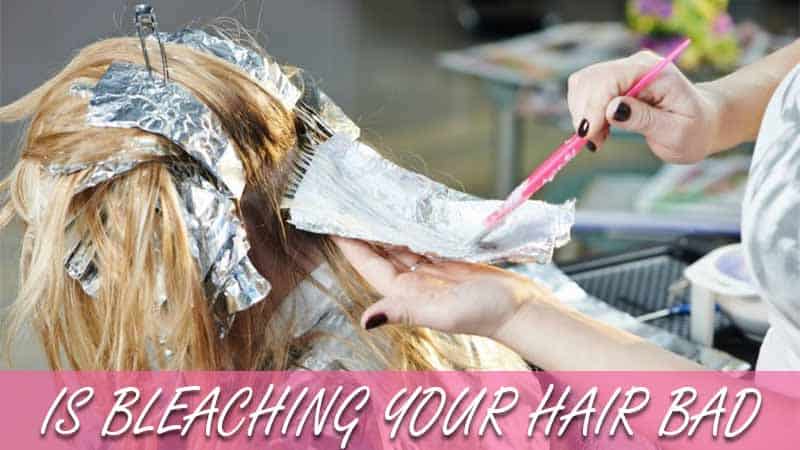
Before we get to the nitty-gritty of damage, let’s understand what’s happening when you lighten your locks. Bleach works by breaking down your hair's natural pigment, melanin. This process involves an alkaline agent (usually ammonia) that opens up the hair shaft’s cuticle, allowing a peroxide solution to penetrate and lift the color. It's like opening a tiny door to let out the natural dye. This is why virgin hair, which hasn't been tampered with, generally takes bleach better than hair that's already been colored or treated.
Must Read
The more you lift the pigment – aiming for that ashy, almost white blonde from dark brown – the more you're essentially stripping your hair of its natural protective layers and moisture. This can leave your hair feeling drier, more brittle, and susceptible to breakage. It's a bit like taking off layers of your favorite cozy sweater on a cold day; you're exposed!
Common Concerns and What They Really Mean
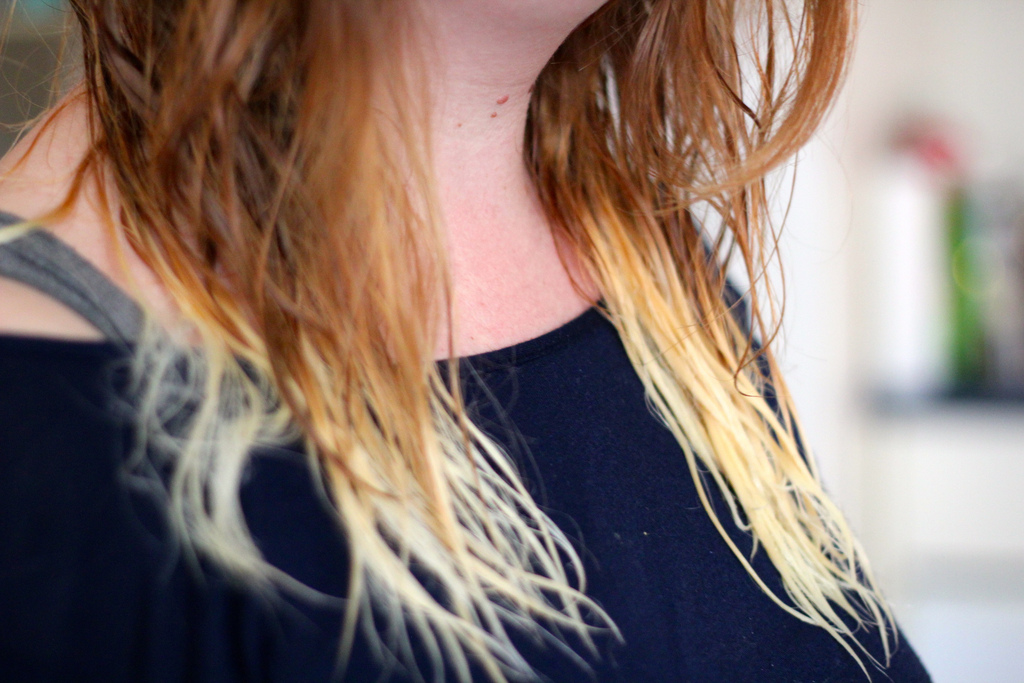
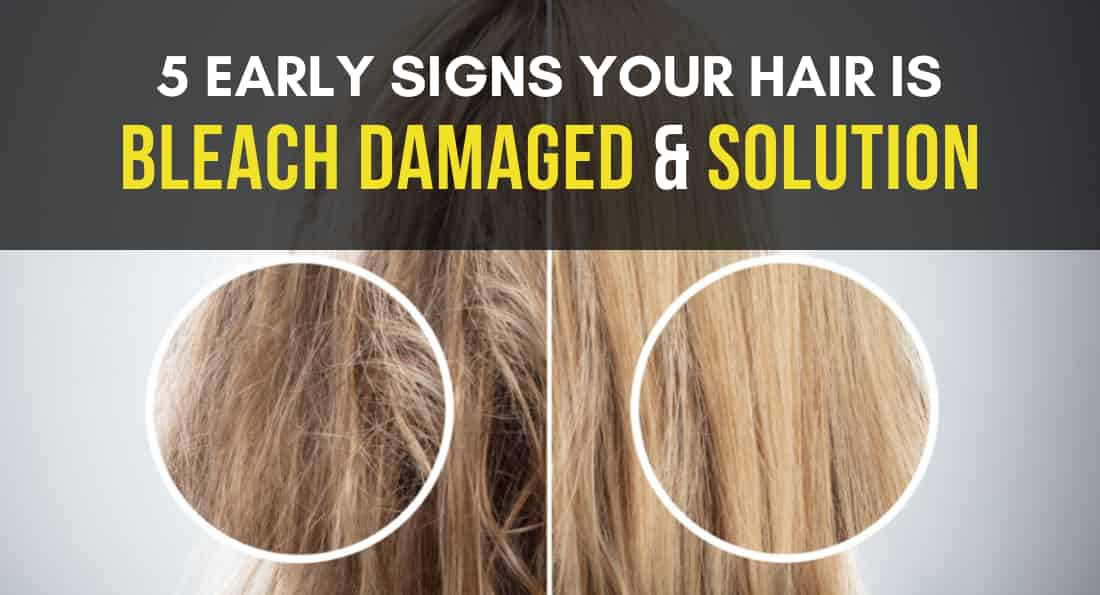
Let's address the elephant in the room: damage. Yes, bleaching can cause damage. This can manifest in several ways:
- Dryness: Without its natural oils and pigment, hair can become parched. Think of a dried-out sponge – not ideal!
- Brittleness: Bleached hair loses elasticity, making it more prone to snapping. You know that satisfying ‘snap’ when you pull on something too rigid? That’s what we’re avoiding.
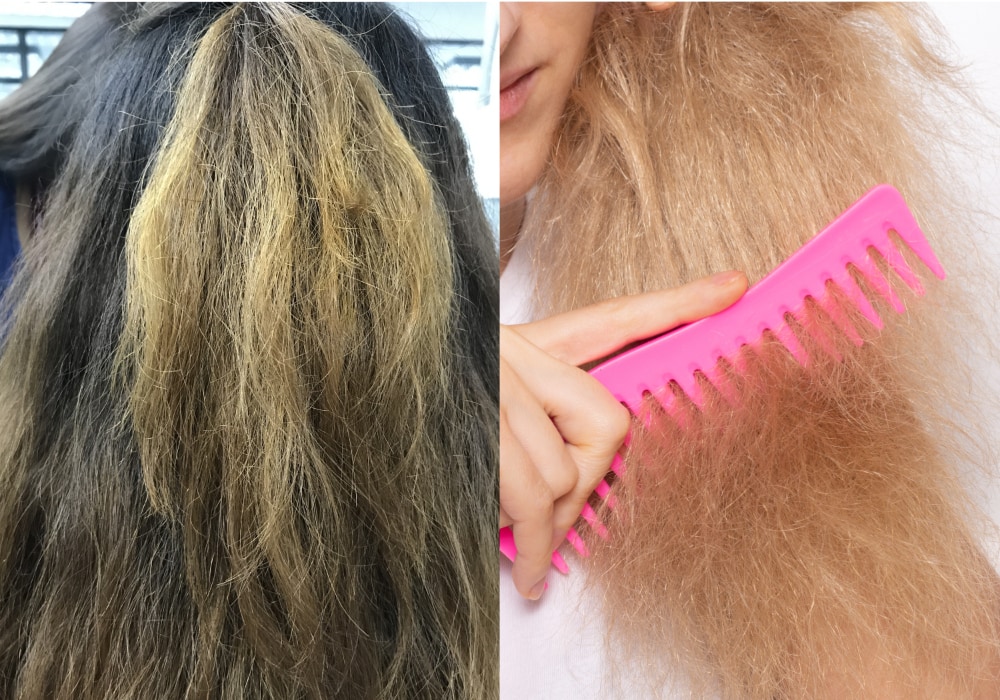
- Frizz: The lifted cuticle can make hair rougher and more prone to frizzing up, especially in humid weather. It’s like a grumpy hedgehog’s quills.
- Breakage: In more severe cases, the hair can literally break off, particularly at the ends or where it's been over-processed.
- Color Changes: Unwanted brassy or yellow tones are a common side effect of bleaching, as the natural red and orange undertones are revealed.
But here’s the good news, and it’s a big one: it doesn't have to be a hair-disaster story! With the right approach, care, and a little bit of patience, you can absolutely rock bleached hair and keep it looking and feeling gorgeous.
The Art of the Blonde Transformation: Making it Work For You
So, if you're dreaming of a blonde transformation, what's the game plan? It’s all about strategic lightening and dedicated aftercare. This isn't a weekend DIY project that goes from zero to bombshell without some thought. Think of it more like planning a beautiful garden; you need the right soil, the right plants, and consistent watering.

Choosing Your Blonde Wisely
Not all blondes are created equal, and neither is the process. If you're starting with very dark hair, a drastic leap to platinum blonde in one session is a recipe for disaster. Instead, consider a more gradual approach:
- Highlights: These are the original "lived-in" look. They add dimension and lightness without committing your entire mane to the bleach. A classic choice, like those sported by Jennifer Aniston in her Friends era, always feels fresh.
- Balayage: This French technique (meaning 'to sweep') involves hand-painting lighter pieces onto the hair, creating a natural, sun-kissed effect. It’s lower maintenance and grows out beautifully. Think of it as a subtle, artful caress of light.
- Ombre: A more dramatic transition from darker roots to lighter ends. It’s bold and stylish, and can be a good option for those wanting a significant change with less root touch-up anxiety.
- Full Bleach: If you're going for a solid, all-over platinum or a very light blonde, this is the most intense option. It requires significant commitment to upkeep and conditioning.
Pro Tip: Always, always, always consult with a professional stylist, especially for your first lightening session. They can assess your hair's condition, recommend the best technique for your desired shade, and perform the service safely. A good stylist is like a hair fairy godmother.
The Magic of Olaplex and Bond Builders
The hair industry has made incredible strides in protecting hair during and after chemical treatments. You've probably heard of Olaplex, and for good reason! Products like Olaplex (and other bond-building treatments) work to repair and rebuild the broken disulfide bonds in your hair that are weakened during the bleaching process. They are, quite frankly, a game-changer.
These treatments are often incorporated directly into the bleach formula by your stylist and are also available as at-home treatments. Think of them as the scaffolding that holds your hair structure together while it’s being transformed. They’re like a hug for your hair’s internal architecture.
Your New Best Friends: Conditioning and Moisture
Once your hair is bleached, its thirst knows no bounds. Hydration becomes your mantra. This means investing in:
- Deep Conditioning Masks: Use them at least once a week. Look for ingredients like shea butter, argan oil, coconut oil, and keratin. These are your hair’s hydration heroes.
- Leave-In Conditioners: These are perfect for daily moisture and detangling. They add an extra layer of protection and softness.
- Hair Oils and Serums: A few drops of a good hair oil can seal in moisture, add shine, and tame frizz.
- Sulfate-Free Shampoos and Conditioners: Sulfates can strip natural oils, so opting for gentle, moisturizing formulas is key.
Remember, bleached hair is like a plant that needs constant watering. Don't skimp on the hydration!
Minimizing Further Damage
Beyond conditioning, there are other habits to adopt:
- Heat Styling: Try to limit your use of hot tools like straighteners, curling irons, and blow dryers. When you do use them, always apply a heat protectant spray. Heat is the enemy of delicate, bleached strands.
- Washing Habits: Over-washing can strip your hair of natural oils. Try to stretch out your washes with dry shampoo if needed. Cool or lukewarm water is also gentler than hot.
- Gentle Detangling: Use a wide-tooth comb or a wet brush and start detangling from the ends, working your way up. Never yank or pull.
- Protection from the Elements: Just like your skin, your hair can be damaged by sun, chlorine, and saltwater. Wear a hat when you’re out in strong sun, and rinse your hair with fresh water after swimming.
Think of these as small, mindful acts of self-care for your hair. They’re the little rituals that make a big difference.

Cultural Icons and the Evolution of Blonde
Blonde hair has been a symbol of beauty and allure for centuries. Think of the ancient Greek myths where gods and goddesses often had golden hair. In more modern times, movie stars like Jean Harlow, Brigitte Bardot, and, of course, Marilyn Monroe, cemented blonde as the epitome of Hollywood glamour. It’s been a consistent muse for artists and designers, from pop art to high fashion.
In the 80s, teased, platinum blonde hair was a staple of pop stars and rock icons. Then came the "California blonde" in the 90s, all natural-looking highlights and effortless beach waves. Today, we see every shade of blonde imaginable, from icy platinum to honey balayage, reflecting a diverse and ever-evolving beauty landscape. It’s a testament to how this color can be adapted to suit so many different personalities and styles.
Fun Fact Alert!
Did you know that naturally blonde hair is the rarest hair color in the world? Only about 2% of the global population is born with it! This might explain some of its enduring allure – it’s inherently exclusive, even before any salon intervention.
The Verdict: Is It "Bad"?
So, back to our original question. Is it bad to bleach your hair? No, not inherently. Is it a process that requires understanding, care, and commitment? Absolutely.

If you're looking for a low-maintenance, naturally healthy hair experience, then perhaps bleaching isn't for you. But if you're willing to put in the effort, invest in good products, and work with a skilled professional, you can achieve stunning blonde results without permanently sacrificing your hair's health. It’s about making an informed choice and embracing the journey.
Think of it like adopting a pet. You wouldn't just bring one home without understanding the commitment. You need to be prepared to feed it, walk it, and provide it with love and care. Your bleached hair is no different. It needs your attention and dedication to thrive.
A Little Reflection for Your Daily Grind
In life, we often face choices that involve a little bit of risk for a potentially beautiful reward. Whether it's trying a new career path, taking a leap of faith in a relationship, or, yes, bleaching your hair, the key is to approach it with awareness. Understand the potential downsides, prepare yourself with the right tools and knowledge, and be ready to nurture and maintain what you’ve created.
Bleached hair, when cared for, can be a source of confidence and joy. It’s a reminder that sometimes, a little transformation can be a beautiful thing, as long as we do it with intention and a whole lot of love (and the right conditioner).