
Is Greek Style Yogurt The Same As Greek Yogurt

Hey there, coffee buddy! So, we’re digging into the yogurt aisle again, huh? It’s a jungle out there, isn't it? So many tubs, so many claims. Today, we’re tackling a question that’s probably crossed your mind more than once while staring at those shelves: Is "Greek Style Yogurt" actually the same as good old "Greek Yogurt"? It sounds like a minor detail, right? Like the difference between "soda" and "pop," or "sneakers" and "trainers." But with yogurt, oh boy, it can get a little… creamy.
Let’s spill the beans, or should I say, the whey? Because that’s a big part of the story. You see, traditional Greek yogurt has a superpower. It's strained. Like, really strained. They take regular yogurt, which is already pretty darn good, and they strain out a good chunk of the liquid. That liquid? It's called whey. And when you get rid of the whey, you’re left with something thicker, richer, and way more protein-packed. It’s like the yogurt went on a super intense workout regime and shed all the excess water weight. Results? Pure, unadulterated deliciousness and some serious muscle-building potential. Okay, maybe not actual muscle building, but you get the idea.
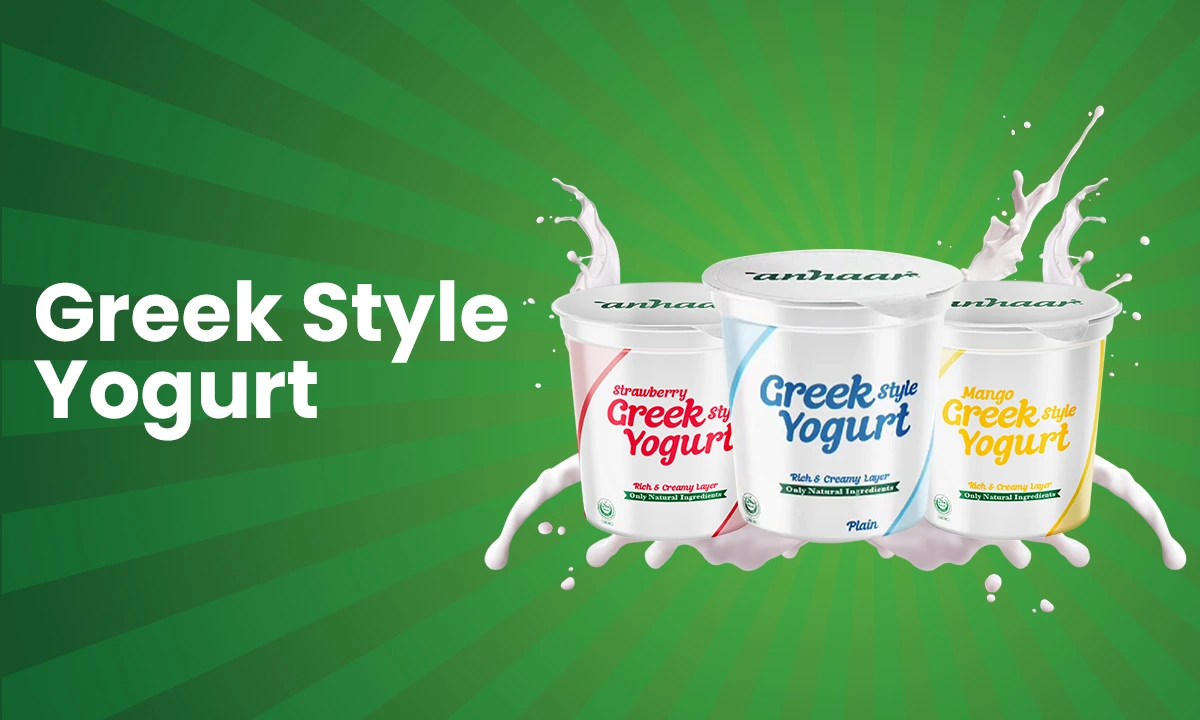
Now, where does "Greek Style Yogurt" come in? This is where things get a little… fuzzy. Think of it as the enthusiastic cousin who’s trying really hard to be like the cool relative. Greek Style Yogurt tries to achieve that thick, creamy texture that we all adore from authentic Greek yogurt. But here’s the secret handshake: it often does it with a little help. Instead of just straining, it might have things like cornstarch, gelatin, or other thickeners added in. It’s like adding a bit of instant gratification to the mix, you know? Quicker, sometimes cheaper, but is it the real deal?
Must Read
So, are they the same? My friend, the answer is a resounding… it depends. And that’s the frustrating beauty of food labels, isn’t it? They can be wonderfully informative, or they can be a masterclass in marketing jargon. "Greek Style" is often a label for brands that want to evoke the essence of Greek yogurt – its thickness, its tanginess – without necessarily going through the full, authentic straining process. They’re aiming for the vibe, the aesthetic, the creamy dream.
Let's break down the texture first. Authentic Greek yogurt? It’s dense. You can practically stand a spoon up in it. It has a velvety smoothness that just coats your tongue. It’s luxurious. Think of it like a really good cashmere sweater. You just know the quality. Greek Style yogurt, on the other hand, can mimic that thickness, but sometimes it feels a little… too smooth, a little artificial, if you’re really paying attention. It might have a slight gummy texture if they’ve gone heavy on the starches. It’s more like a really nice fleece blanket. Still cozy, still pleasant, but not quite the same level of artisanal luxury.
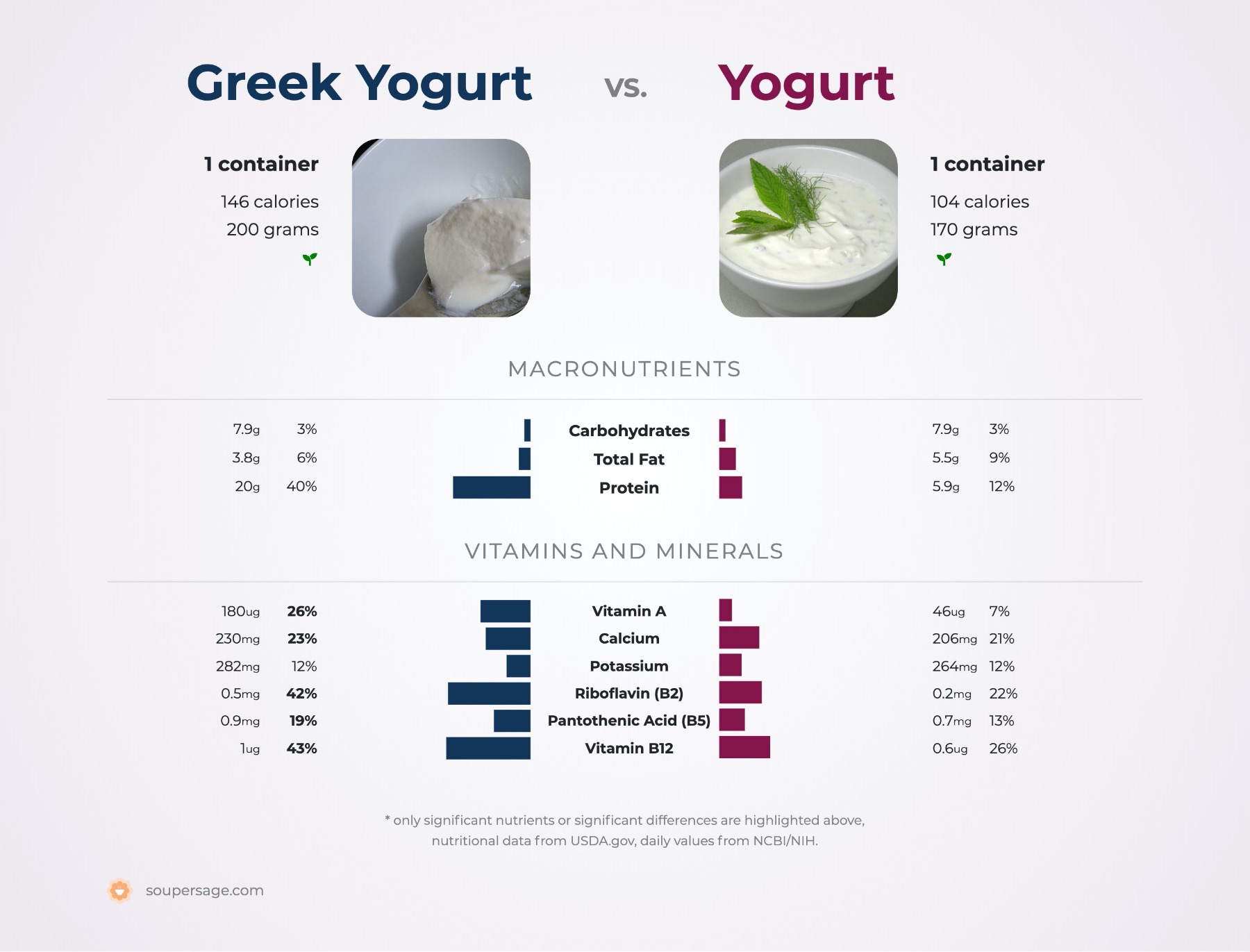
And the protein? Ah, the protein. This is where the straining process really shines. Because when you remove the whey, you’re concentrating all that good stuff. Authentic Greek yogurt typically boasts a significantly higher protein content than regular yogurt, and often more than its "Greek Style" counterparts. This is why people love Greek yogurt for breakfast, for post-workout fuel, or for making you feel full and satisfied. It’s a protein powerhouse! Greek Style yogurt might have a decent amount, but it’s usually playing catch-up. So, if you’re prioritizing that protein punch, you’ll want to be a label detective.
What about the taste? This is subjective, of course, but there’s a difference. Authentic Greek yogurt often has a more pronounced, slightly tart flavor. It’s that natural tanginess that comes from the fermentation and the straining. It’s complex and refreshing. Greek Style yogurt can be a little milder. Sometimes, the added thickeners can mask some of that natural tang, leading to a sweeter, less intense flavor profile. Some people might prefer this! It’s all about what tickles your taste buds, right? But if you’re craving that authentic, slightly sharp yogurt experience, you’ll likely find it in the truly strained stuff.
So, how can you tell the difference when you’re standing there, overwhelmed by dairy options? It’s all about the ingredients list, my friend. Look for the words "strained" or "traditional" on the label for authentic Greek yogurt. You’ll often see fewer ingredients. It’ll be milk and live active cultures, maybe a pinch of something for stabilization, but that’s it. For Greek Style yogurt, you’ll likely see those other thickeners I mentioned: corn starch, modified food starch, gelatin, pectin, guar gum. If you see a whole science experiment in the ingredients, it's probably not the 100% authentic Greek stuff. It’s a bit of a treasure hunt, isn’t it? A quest for the creamy truth.

The regulatory bodies aren't always super strict about the "Greek" label, which is where the "Greek Style" moniker comes into play. It’s a clever way to get around some of the stricter definitions. Think of it like this: you can call something "chocolate flavored" if it has some chocolate, but it doesn't mean it’s pure, dark, artisanal chocolate. "Greek Style" is the food industry’s way of saying, "We're in the neighborhood of deliciousness, but maybe not the exact house." It’s a shade of grey, and in the world of food labeling, grey areas are as common as sprinkles on a birthday cake.
Now, let’s not demonize Greek Style yogurt entirely. It still has its place! For some recipes, that extra bit of smoothness from the thickeners can be a real advantage. If you’re making a dip and you want it extra creamy and less likely to break, Greek Style might be your secret weapon. And let's be honest, sometimes it’s more affordable, and that’s a win in my book. Plus, it’s still yogurt! It’s a fantastic source of calcium and probiotics, and it’s generally a healthier choice than a lot of other snacks out there. So, don't throw the baby out with the… well, the whey. It’s all about making an informed choice for you.

But if you’re after that pure, unadulterated, protein-packed, slightly tangy, super-thick yogurt experience that makes you feel like you’re on a Grecian vacation with every spoonful? Then you’re going to want to hunt for the real deal. Look for those brands that proudly proclaim "strained" or "traditional" and have a short, sweet ingredients list. It’s a small detail that makes a big difference in your breakfast bowl, your smoothie, or your midnight snack. It’s the difference between a good cup of coffee and a truly sublime espresso. Both are coffee, but you know… one has that extra something.
Consider it a little bit of culinary detective work. You’re not just buying yogurt; you’re investing in an experience. You’re choosing your textural adventure. You’re deciding on your protein destiny. And honestly, isn't that kind of fun? Navigating the world of food with a critical eye (and a discerning palate!) makes it all the more interesting. You become a yogurt connoisseur. A dairy detective. A creaminess champion!
So, next time you’re at the store, take a moment. Don't just grab the first tub that catches your eye. Peek at the ingredients. Read those little descriptions. Ask yourself, "Am I looking for the authentic, strained superhero, or the friendly, thick imposter?" Because while "Greek Style" might get you close, the real Greek yogurt? It’s in a league of its own. It’s the OG. The legend. The yogurt that practically invented the word "creamy." And once you’ve tasted the difference, I have a sneaking suspicion you’ll be hooked. Cheers to better yogurt choices!

t Παγωτό Greek style Yogurt No Sugar 420ml_5214002156244_L.png)