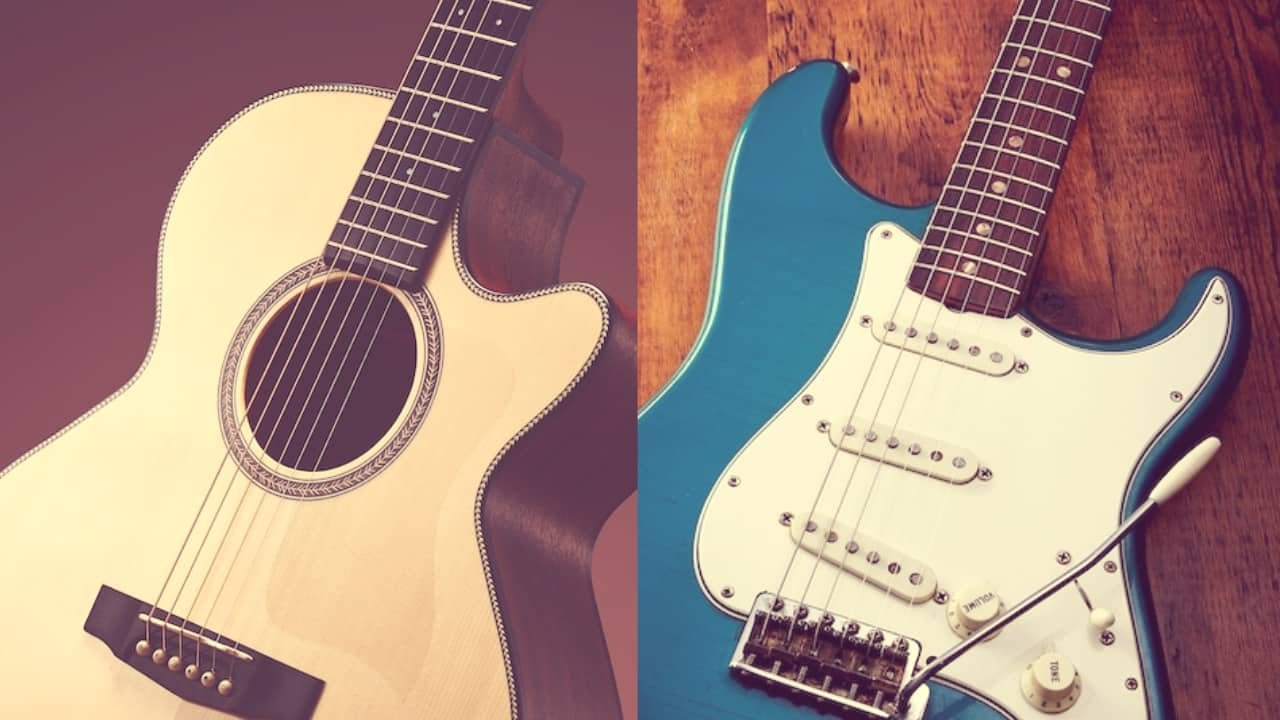
Is Electric Guitar Easier Than Acoustic
Hey there, fellow music lovers and aspiring strummers! Ever found yourself gazing at a shiny electric guitar, wondering if it’s your golden ticket to shredding solos like Jimi Hendrix or crooning ballads like Taylor Swift? Or maybe you're staring down an acoustic, its warm, woody tones whispering tales of campfires and heartfelt songs. The age-old question echoes in the air: Is electric guitar easier than acoustic? Let's dive in, sans the technical jargon, and explore this melodic mystery with a cool, laid-back vibe.
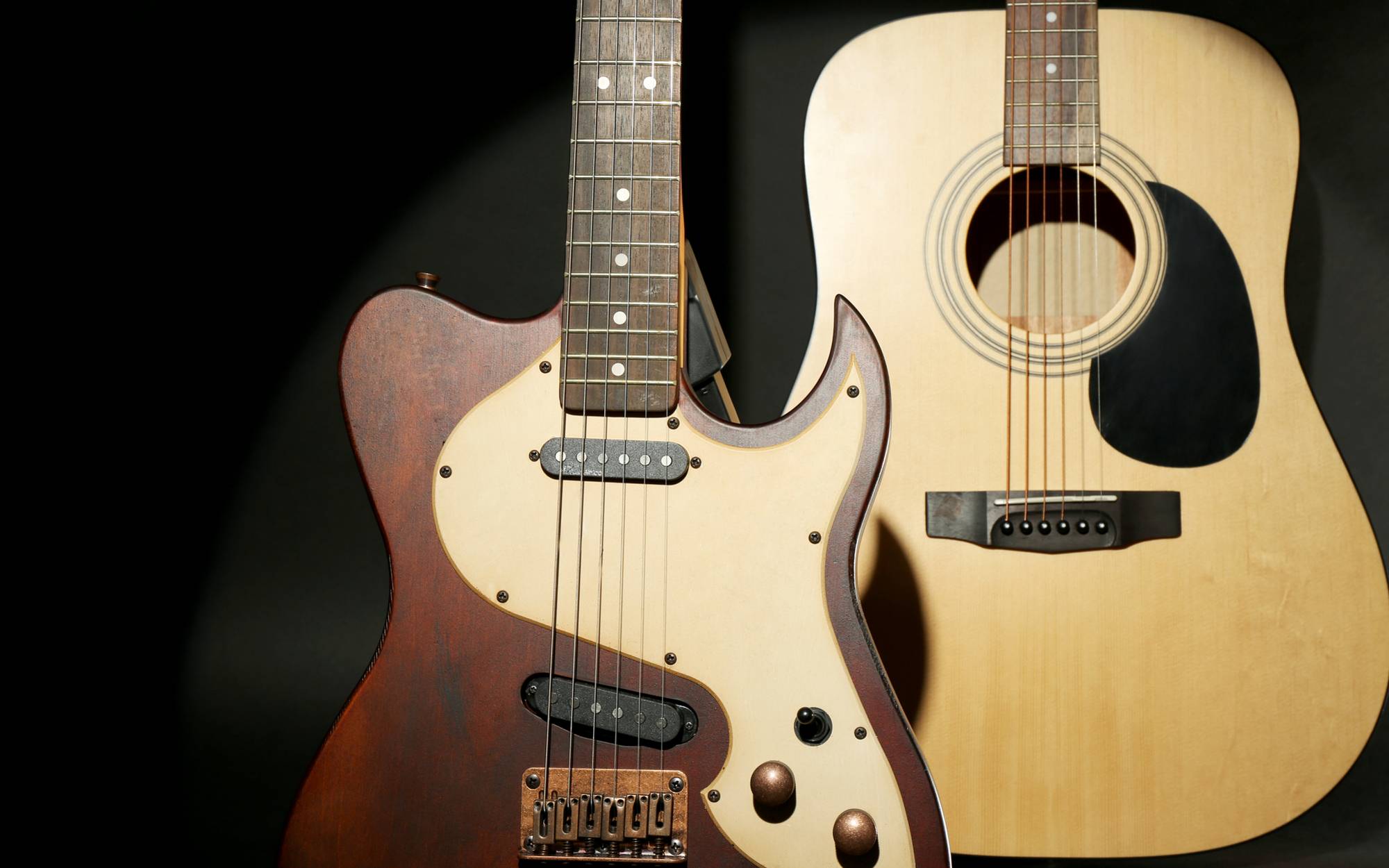
First off, let's set the scene. Imagine this: you're at a local music store, the air thick with the scent of wood and polish. To your left, a row of acoustics, each promising a raw, unplugged experience. To your right, a dazzling array of electrics, looking all sleek and ready to rock. The acoustic might feel more approachable, like a friendly old guitar waiting to share its stories. The electric, on the other hand, can feel a bit intimidating, like a sports car you’re not quite sure how to handle.
The Great String Debate
One of the biggest factors often tossed around is the strings. Acoustic guitars, generally, sport steel strings. These bad boys are a bit thicker and have higher tension. What does that mean for your fingertips? Well, it can mean a bit more resistance. Think of it like trying to bend a sturdy twig versus a thin shoelace. That initial pushback can be a real hurdle for beginners, leading to sore fingertips and maybe even a little frustration. We’ve all heard the tales of early acoustic players’ calloused fingers looking like they’ve been through a battle!
Must Read
Electric guitars, however, often come with lighter gauge strings and lower tension. This makes them significantly easier to press down. This is a massive win for anyone just starting out. That satisfying thwack when you strum an acoustic chord can feel a lot more like a gentle pluck on an electric, at least in terms of finger pressure.
Practical Tip: If you’re feeling the sting on an acoustic, don’t despair! You can ask your local guitar tech to string it with lighter gauge strings. This can make a world of difference and bring it closer to the feel of an electric in terms of ease of play. It’s like switching from chunky hiking boots to nimble sneakers!
Neck and Action: The Comfort Zone
Another key difference lies in the neck profile and action (the distance between the strings and the fretboard). Acoustic guitar necks are often a bit chunkier, designed for a fuller sound projection. The action can also be a tad higher. This makes sense acoustically, as it allows the strings to vibrate more freely and project sound. But for smaller hands or those new to fretting, this can feel like reaching for stars.

Electric guitars, on the other hand, typically have slimmer necks and lower action. This combination makes it much more comfortable to wrap your hand around the neck and fret notes cleanly. Imagine trying to play a delicate melody on a thick tree branch versus a smooth, polished wand. The electric guitar’s design is often geared towards playability and speed, which can be a huge boost for beginners trying to get a grip on those chords and scales.
Fun Fact: Many electric guitarists opt for shorter scale lengths (the distance between the nut and the bridge) on their guitars. Think of Fender Stratocasters versus Gibson Les Pauls. The Stratocaster, with its shorter scale, often feels a bit more forgiving and easier to bend notes on, which can be a great advantage when you’re still developing your technique.
The Sound Factor: Amplification and Effects
Now, let's talk sound. The most obvious difference is that acoustics are acoustic – they produce sound naturally through their resonant body. Electrics need amplification. This means you’ll need an amplifier and cables to hear them properly. This might seem like an added complication, but it also unlocks a whole universe of sonic possibilities.
The amplifier isn’t just a volume knob; it’s an integral part of the electric guitar’s sound. You can shape your tone, add distortion, reverb, delay, and a whole host of other effects. This can be incredibly motivating for beginners. Hearing that cool, amplified sound can be a huge reward and make practice feel less like a chore and more like an adventure. Imagine the feeling of playing your first distorted riff – it’s pure rock and roll magic!

Acoustic guitars offer a more organic, raw sound. They're perfect for folk, country, singer-songwriter styles, and intimate performances. But if you’re aiming for that roaring stadium sound or the nuanced tones of blues or rock, the electric is your trusty steed.
Cultural Reference: Think about the iconic sounds of Chuck Berry’s duckwalk and searing riffs, or the melodic fingerpicking of Joni Mitchell. Both are acoustic, but each showcases a different side of its personality. Then you have the electrifying solos of David Gilmour or the raw power of Joan Jett. These are sounds intrinsically linked to the electric guitar.
Learning Curve: Effort vs. Enjoyment
So, is one easier than the other? It’s less about inherent difficulty and more about what feels comfortable and motivating for you. If the idea of sore fingertips is a deal-breaker, an electric might be your smoother entry point.
However, some argue that learning on an acoustic builds a stronger fundamental technique. You're forced to develop good finger strength and precision from the get-go. Without the crutch of amplification and effects, you’re more attuned to the nuances of your playing. Think of it like learning to cook from scratch before relying on pre-made sauces – you gain a deeper understanding of the ingredients!

Ultimately, the easier guitar is the one you’ll pick up and play consistently. If the feel and sound of an acoustic inspire you to practice more, then it’s the easier path for you. If the allure of electric tones and the promise of instant sonic gratification fuels your passion, then an electric will be your smoother sail.
Practical Tips for Getting Started
No matter which path you choose, here are some universal tips for making your guitar journey as smooth as a well-tuned riff:
- Start with a comfortable instrument: Don't just grab the cheapest one. Go to a store and hold them. See how they feel in your hands. If possible, have a friend or salesperson play a few notes for you to hear the sound.
- Get a professional setup: This is HUGE. A good guitar tech can adjust the action, intonation, and string height on any guitar to make it play much more easily. It’s an investment that pays off in comfort and enjoyment.
- Learn basic chords first: Focus on open chords like G, C, D, E, A, and Em. These are the building blocks of thousands of songs. There are tons of great online tutorials and apps to help you.
- Practice regularly, even if it’s short: 15-20 minutes of focused practice daily is far more effective than a two-hour marathon once a week. Consistency is key.
- Learn songs you love: This is the biggest motivator. Find simple versions of your favorite tunes and work your way up. That feeling of playing a song you recognize is incredibly rewarding.
- Don't be afraid to experiment: If you’re on an electric, play with those knobs and effects! If you’re on an acoustic, try different strumming patterns and fingerpicking styles.
- Find a community: Online forums, local jam sessions, or even just a friend who plays can provide support and encouragement.
Fun Fact: Did you know that some famous guitarists started on one type and switched to the other? For instance, while known for his acoustic prowess, Paul McCartney also played electric bass and guitar. And countless rock legends like Jimi Hendrix and Eric Clapton were also adept at unplugged sounds.
The Verdict (Sort Of!)
So, to answer the burning question: is electric guitar easier than acoustic? For many beginners, the immediate ease of playing on an electric guitar, with its lighter strings and lower action, can make it feel more approachable. The ability to shape your sound with amplifiers and effects can also be a powerful motivator.
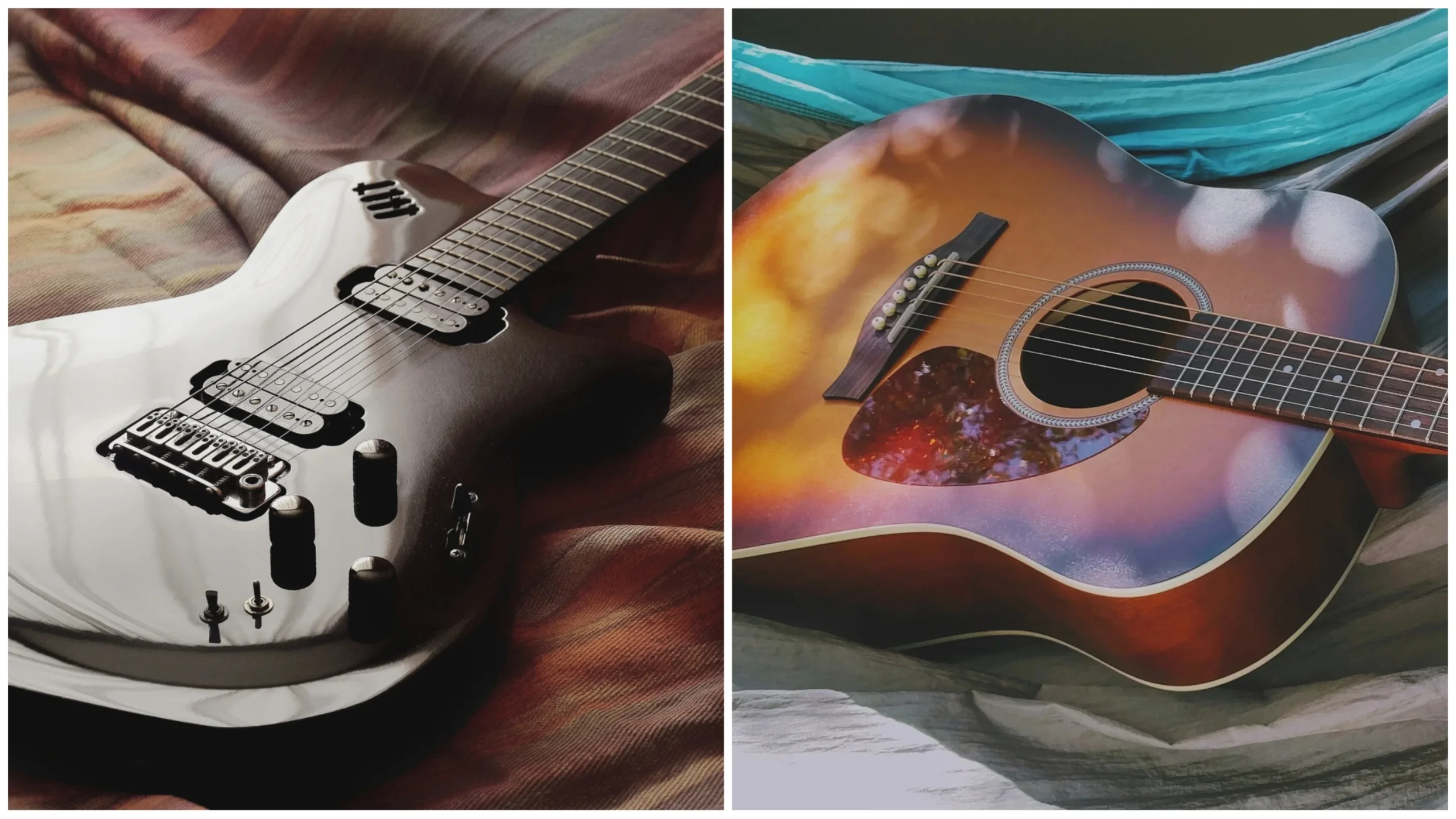
However, learning to play any instrument well requires dedication, practice, and patience. An acoustic guitar, while potentially offering more initial resistance, can build a strong foundation of technique and musicality. The "easier" guitar is ultimately the one that resonates with your musical aspirations and keeps you coming back for more.
Think about it like this: learning to ride a bike with training wheels might feel easier at first, but taking them off gives you a different kind of freedom. Learning acoustic might feel like building that strong core strength. Electric might feel like getting a smoother ride on a well-tuned machine.
A Daily Life Connection
This whole guitar debate actually mirrors a lot of life, doesn't it? We often look at things from the outside and assume one path is inherently "easier." We see the polished final product – the soaring guitar solo, the perfectly executed project, the effortlessly stylish outfit – and wonder if the person who achieved it had some secret shortcut.
But the truth is, both electric and acoustic guitars, like most things worthwhile, require effort, commitment, and a willingness to push through those initial sore fingertips, whether they’re literal or metaphorical. The "easier" path is often the one we choose to embrace with enthusiasm and persistence. It's the path that sparks our curiosity and makes us want to learn, grow, and create something beautiful, one strum, one note, one small step at a time. So, grab your instrument of choice, embrace the journey, and make some noise!