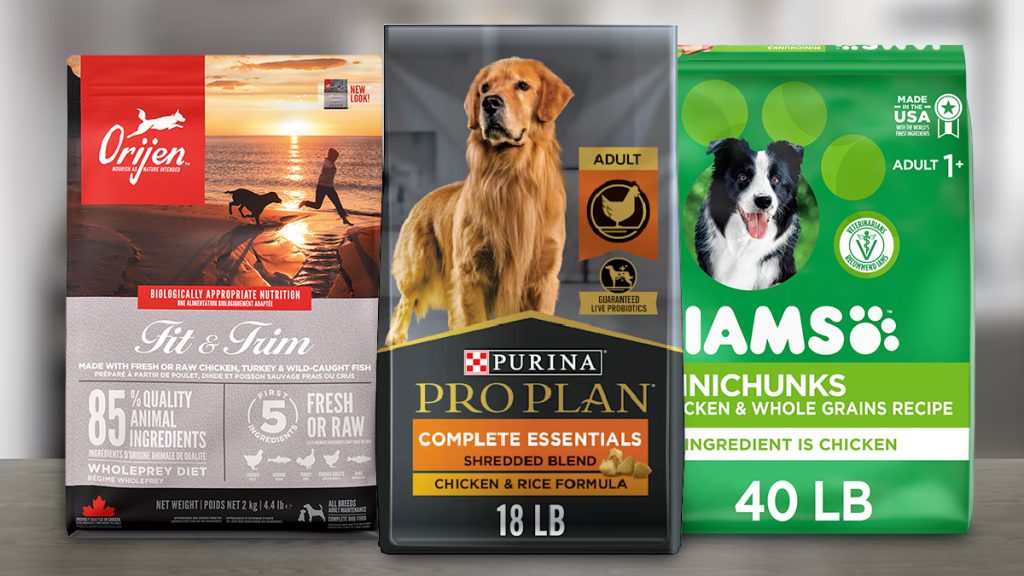
Is Dry Dog Food Good For Dogs

Hey there, fellow dog lovers! Grab your coffee, let’s spill the kibble. We’re diving into the big question, aren’t we? The one that haunts our late-night Google searches and gets whispered at the dog park: Is dry dog food actually good for our furry best friends? It’s a whole thing, a real debate. Like, is it the ultimate meal, or just… convenient? We’ve all stared at those colorful bags, wondering if what we’re putting in Fido’s bowl is truly ticking all the right boxes.
I mean, let’s be honest. Dry food. It’s the OG, right? It’s been around forever, practically a staple in most households. And there’s a reason for that. It’s super easy. Pour and go. No refrigeration nightmares, no weird smells wafting from the pantry (well, usually). Plus, it’s generally more budget-friendly than some of the fancier options. For busy folks like us, who are sometimes wrestling a toddler and a leash simultaneously, it’s a lifesaver. A real sanity saver, I tell ya. Sometimes, you just need that quick fix.
But then, the nagging thought creeps in. It’s… well, it’s dry. Like, Sahara Desert dry. My dog’s tongue feels like sandpaper after a good lapping. And that’s where the questions start to bubble up. Are they getting enough hydration? Is this stuff actually nourishing them, or just filling a hole? It’s like feeding ourselves cereal for every meal. Sure, it’s convenient, and you might survive, but is it the peak of culinary excellence for your digestive system? Probably not.
Must Read
The Upsides of Kibble: Why We Love It (and Why It's Not All Bad)
Okay, so let’s not completely bash kibble. It’s got some serious winning qualities. For starters, that crunch! Many dogs absolutely adore the sound and feel of kibble. It’s like a mini-party in their mouths. That satisfying *chomping action, it’s entertainment and sustenance all rolled into one. My dog, bless his cotton socks, practically inhales his breakfast. It’s gone in approximately 3.7 seconds. It’s a spectacle, really.
And remember that whole dental health thing? This is where dry food actually shines. The act of chewing those hard little pieces can help to scrape away plaque and tartar. Think of it like a tiny, built-in toothbrush for their chompers. It’s not a replacement for brushing, of course. We all know that. You still gotta get in there with that doggy toothbrush and toothpaste that smells suspiciously like minty chicken. But as an added bonus? It’s pretty neat. Every little bit helps, right?
Then there’s the shelf life. Oh, the glorious shelf life! You can buy a giant bag, and it’ll sit there, perfectly fine, for weeks, even months. No worries about it going off in a day or two like that fancy raw food. This makes stocking up a breeze, and you don’t have to make those emergency runs to the pet store every other day. It’s a real convenience factor that’s hard to beat. Especially when you’ve got a busy schedule, and your dog has an appetite the size of a small bear.
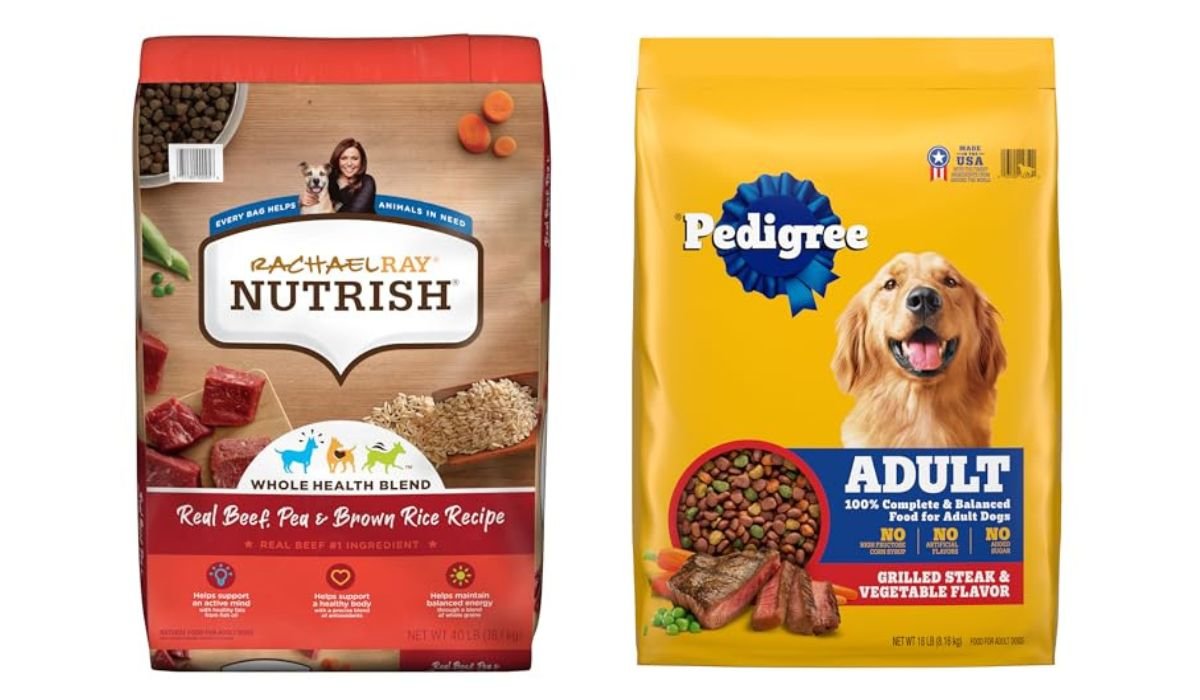
Plus, the variety! Walk into any pet store, and you’re bombarded with choices. Grain-free, limited ingredient, puppy, senior, breed-specific, hypoallergenic… the list goes on and on. It can be overwhelming, sure, but it also means there’s a good chance you can find a dry food that’s tailor-made for your dog’s specific needs. Whether they have a sensitive tummy or are a tiny teacup poodle, there’s probably a kibble out there that’s designed just for them. That’s pretty impressive, when you think about it.
The Downsides: Where the Dryness Gets Us Thinking
Alright, let’s talk about the elephant in the room. Or rather, the dryness in the bowl. The biggest concern with dry dog food is its *low moisture content. Dogs, bless their hearts, aren't always the best at self-hydrating. And if their primary food source is as dry as a desert plain, it can put a strain on their kidneys and their overall system. Imagine only drinking a tiny sip of water with every meal. You’d probably be feeling a bit parched, wouldn't you?
This lack of moisture can also contribute to urinary tract issues. It’s just a fact of life. More water in the diet means a more diluted urine, which is generally a good thing for preventing crystals and infections. So, when you’re feeding a super dry kibble, you’re not giving them that built-in hydration boost. It’s something to definitely keep in mind, especially if your vet has mentioned any concerns in that area.
Another point of contention is the ingredient quality. While there are some fantastic, high-quality kibbles out there, there are also plenty that are, shall we say, less than stellar. You’ll find a lot of fillers in some of the cheaper brands. Think corn, wheat, soy – ingredients that offer minimal nutritional value and can sometimes trigger allergies or sensitivities in certain dogs. It’s like eating junk food for every meal; it fills you up, but it’s not giving you the good stuff.
And speaking of ingredients, the processing itself can be a concern. Kibble is typically made by cooking ingredients at very high temperatures. This process, while making it shelf-stable, can also destroy some of the beneficial nutrients. Vitamins and minerals can be lost, and that’s why manufacturers often add synthetic supplements back in. It’s not necessarily bad, but it’s not quite the same as getting those nutrients from whole, unprocessed foods. It’s a bit like having a perfectly good fruit salad and then boiling it. You still have food, but something’s been lost in translation.
Making Dry Food Work for Your Pup: Tips and Tricks
So, if dry food is your go-to, and you’re not ready to ditch the kibble just yet (totally understandable!), don’t despair! There are ways to make it a healthier choice for your furry friend. The most obvious one? Add water! Seriously, it's not rocket science. Soaking the kibble in warm water for a few minutes can make a huge difference. It rehydrates it, makes it easier to digest, and gives your dog that much-needed boost of moisture. Plus, some dogs actually love the soggy texture. It's like a little gravy party for their kibble.
Another fantastic option is to mix it up. Don’t be afraid to add a little something extra to that dry food. A spoonful of plain yogurt (make sure it's unsweetened and without xylitol, which is toxic to dogs!), a bit of cooked lean meat (plain chicken or turkey is great), or even some plain, steamed vegetables like carrots or green beans can add moisture, flavor, and valuable nutrients. It’s like giving their regular meal a little gourmet upgrade. A little jazzing up, if you will.
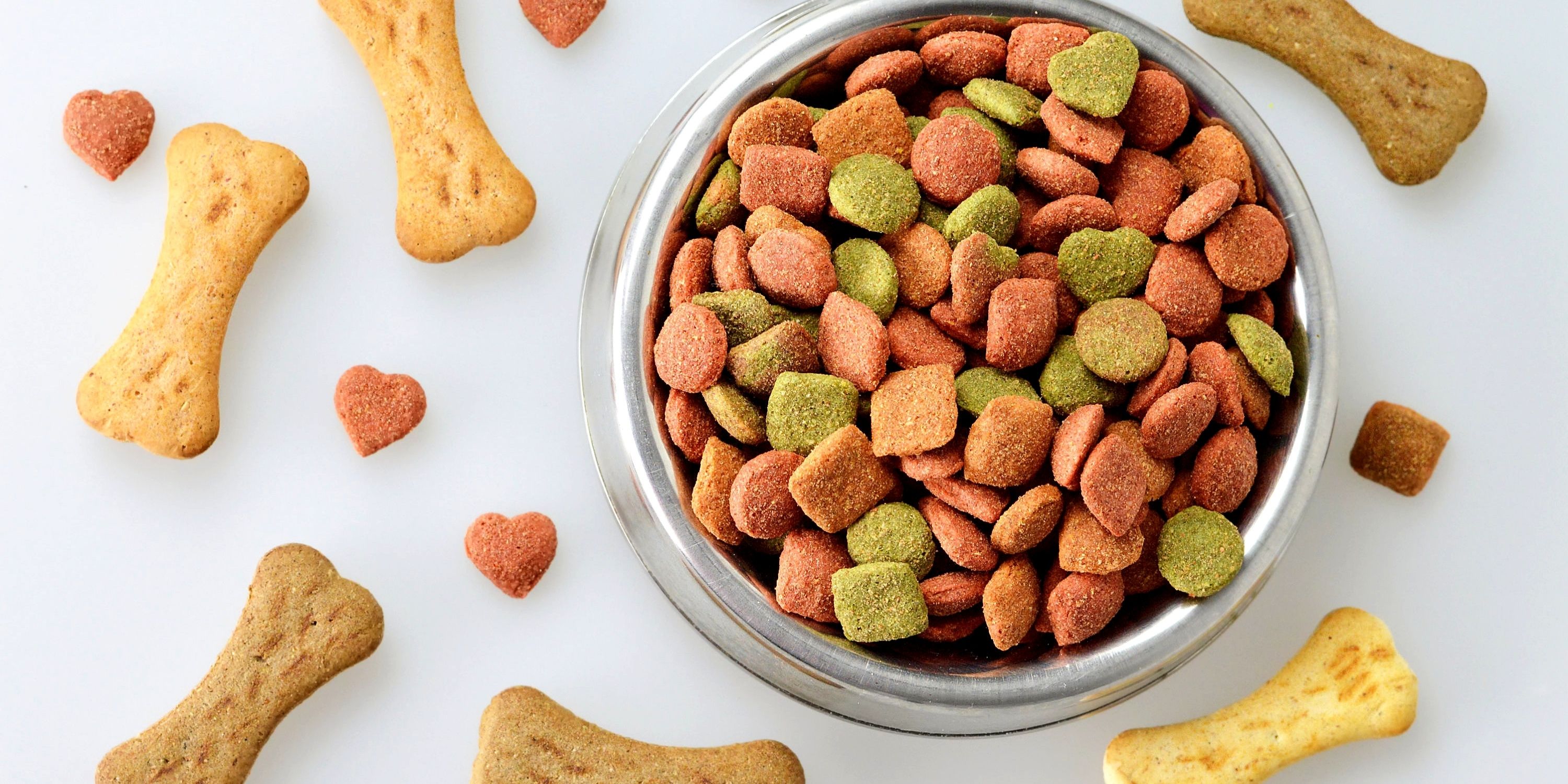
When you’re choosing a dry food, become a label detective. Look for brands that have a high-quality protein source as the first ingredient. Think chicken, lamb, fish, beef. Avoid brands that list corn, wheat, or soy as the primary ingredients. Do your research on the brand too. Are they reputable? Do they have good reviews? Do they conduct feeding trials? It's worth investing a little time to find a food that's genuinely good for your dog. It’s like choosing your own groceries; you want the good stuff!
Consider the life stage and breed of your dog. A growing puppy has different nutritional needs than a senior dog. A giant breed dog has different requirements than a small breed dog. Many dry foods are formulated for specific stages and breeds, so make sure you’re picking one that’s appropriate. It's about giving them the right building blocks for whatever stage of life they’re in. No one-size-fits-all for these furry individuals!
Beyond Kibble: A Peek at Other Options
Now, while we're chatting, it's good to know what else is out there. Because maybe, just maybe, kibble isn't the end-all-be-all for every dog. Wet dog food, for instance. It has a much higher moisture content, which is a big win for hydration. It also tends to be more palatable for picky eaters, and the ingredients are often in a less processed state. The downside? It can be pricier, and once opened, it needs to be refrigerated and used relatively quickly. No more leaving it out for hours!
Then there’s the world of raw and homemade diets. These can be incredibly nutritious, offering a wide range of fresh ingredients and minimal processing. Many owners swear by them for improved energy, coat condition, and overall health. However, they require a significant commitment and careful planning to ensure your dog is getting a balanced diet. There’s a lot of research involved, and it’s best to consult with a veterinary nutritionist. We don't want to accidentally create a dietary imbalance, do we? That’s a recipe for disaster!

Ultimately, the “best” food for your dog is the one that keeps them healthy, happy, and thriving. For many dogs, a good quality dry food is perfectly fine. For others, a mix of wet and dry might be ideal. And for some, a completely different approach might be the way to go. It’s about observing your dog, understanding their individual needs, and making informed decisions. It’s your dog, your responsibility, and your unique bond!
The Verdict: It’s Complicated, But Doable
So, back to the big question: Is dry dog food good for dogs? The answer, as with most things in life, is: it depends. It’s not inherently evil, and it’s not always the pinnacle of canine nutrition. It’s a tool. A tool that can be used very effectively if you’re smart about it.
The key is to choose a high-quality brand, understand its limitations (especially the moisture content!), and be prepared to supplement or modify it if necessary. Don’t just blindly grab the cheapest bag on the shelf. Do your homework. Talk to your vet. Observe your dog. Are they energetic? Do they have a shiny coat? Are their poops looking good? These are all clues!
And if you *are going the kibble route, remember the water! Add it! Mix in some good stuff! Make it a delicious, hydrating meal, not just a dry snack. Your dog will thank you, their kidneys will thank you, and you can feel a little bit better about that convenient bag of kibble. It’s all about making the best choices for our beloved furry companions, one delicious (or perhaps, slightly rehydrated) bowl at a time. Now, who needs a refill?