Is Coral A Plant Or An Animal
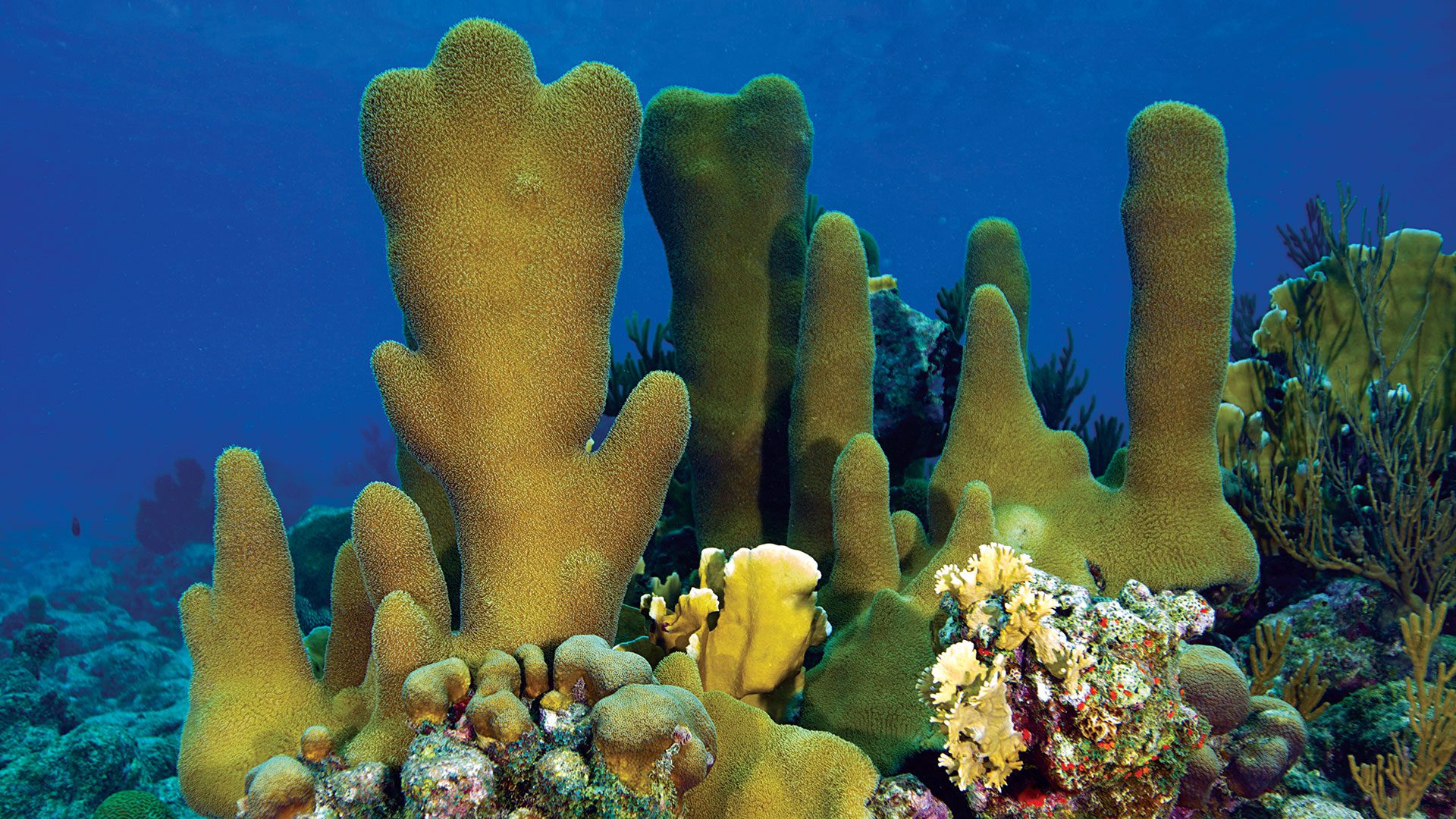
Hey there, nature lovers! Ever found yourself staring at a picture of a coral reef, or maybe even seen some stunning coral in a museum or aquarium, and wondered… what exactly IS this colorful, intricate thing? Is it a leafy green friend reaching for the sun, or a wiggly, squiggly creature of the deep?
It’s a question that pops into lots of minds, and honestly, it’s a super fun one to unravel. Think about it: we’ve got plants that soak up sunshine and animals that munch on things. So, where does coral fit in?
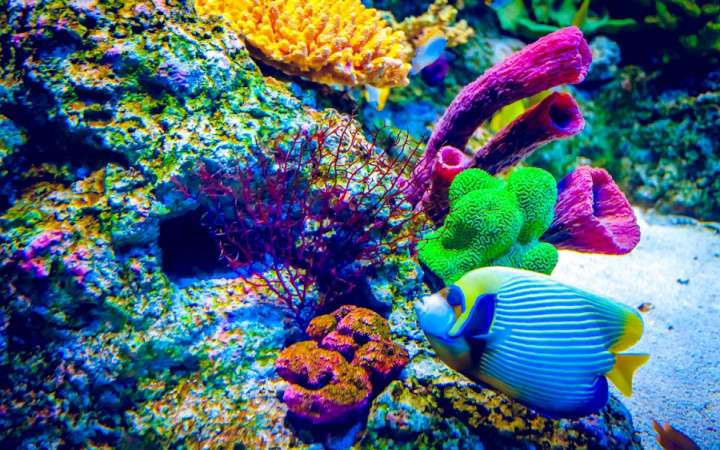
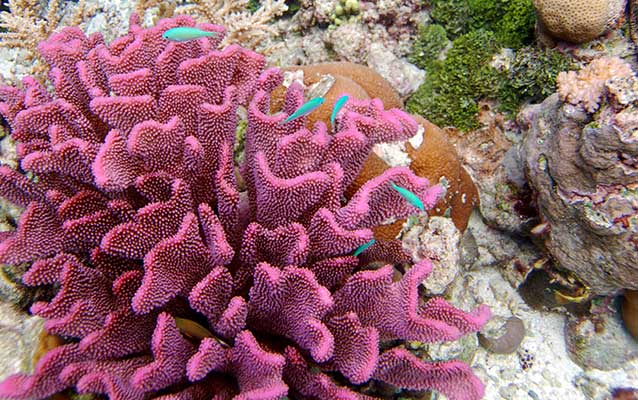
Well, get ready for a little mind-bender, because the answer is neither a simple "yes" to plant or "yes" to animal. Coral is actually… an animal! Yep, you heard that right. Those beautiful, stony structures you see are built by tiny, tiny creatures called polyps.
Must Read
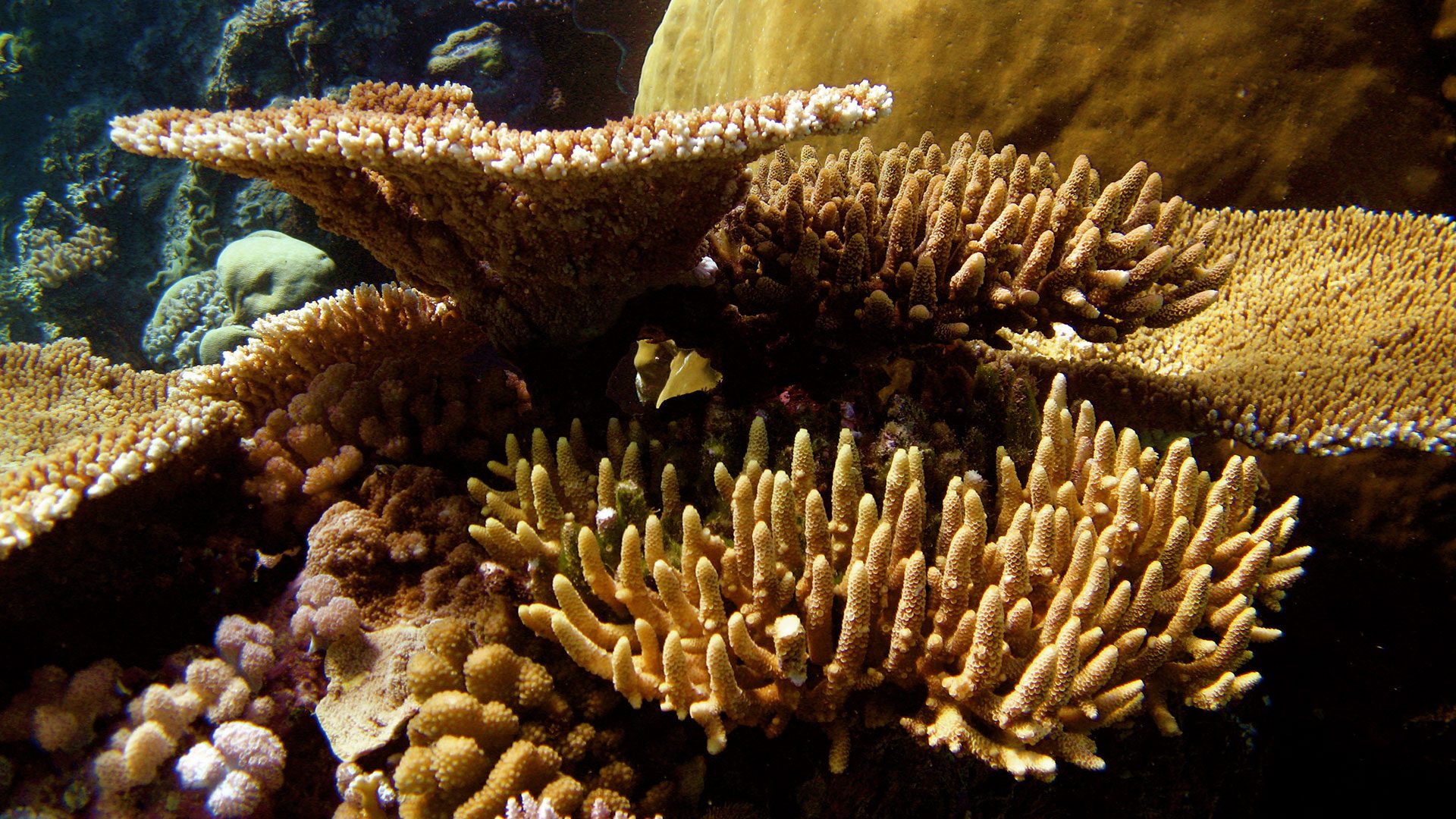
Imagine a bunch of miniature sea anemones, but instead of wiggling their tentacles wildly like their cousins on a rocky shore, these little guys are busy building their homes. And their homes? They’re made of calcium carbonate, the same stuff that makes up seashells and chalk!
Each polyp is like a tiny builder, secreting this hard, stony material around itself. As more and more polyps join in, and as they reproduce and build on top of each other, they create these incredible, sprawling cities that we call coral reefs.
It’s kind of like how a beaver builds a dam, but on a massive, centuries-long scale, and with a whole lot more intricate design! Or think about how a termite colony builds its mound, layer by painstaking layer. The polyps are the individual architects, and the reef is their magnificent, shared masterpiece.

So, why the confusion? Well, coral reefs often look a lot like underwater gardens, don't they? With all their vibrant colors and branching shapes, they can easily fool the eye. They don't exactly have eyeballs or legs to wave around, which is what we usually associate with animals. And, here's where it gets really interesting, many corals have a secret roommate!
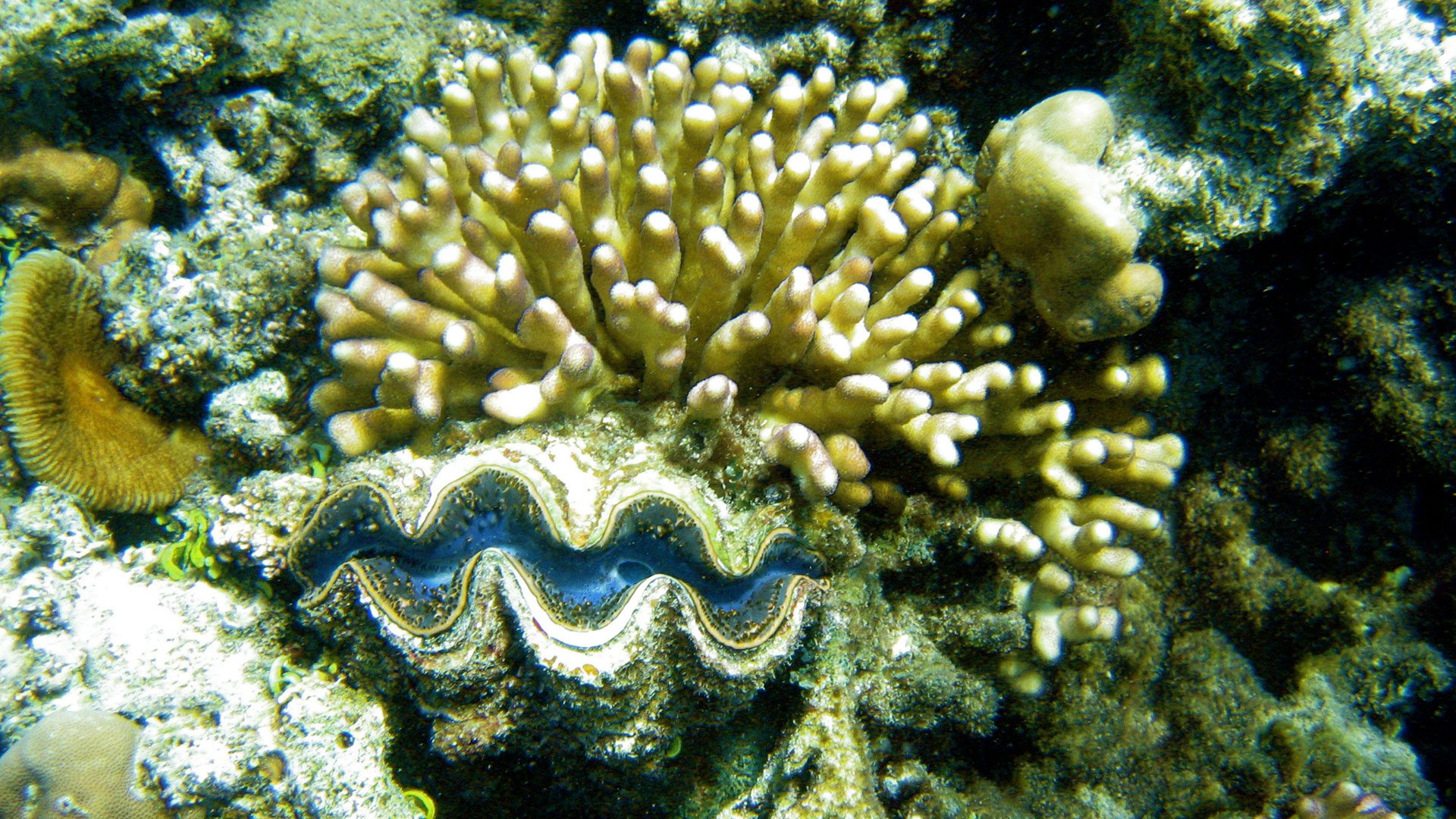
Inside the tissues of these tiny polyps live microscopic algae called zooxanthellae. These little algae are like the coral’s personal chefs. They use sunlight to make food through photosynthesis – a process plants are famous for! They then share a good chunk of this energy-rich food with their coral hosts.
This partnership is so crucial that many corals wouldn't be able to survive without it. The zooxanthellae give the coral its dazzling colors, too. When water temperatures get too high, or the water becomes polluted, corals get stressed and expel their zooxanthellae. This is what causes them to turn white, a phenomenon we call coral bleaching. It’s like the coral losing its beautiful swimsuit and its vital food source all at once!
So, while the coral itself is an animal, it relies heavily on these plant-like algae to thrive. It’s a beautiful symbiosis, a perfect example of how different life forms can work together to create something extraordinary. It's like having a tiny solar-powered energy bar delivered right to your door, all day long!
Now, you might be thinking, "Okay, interesting fact. But why should I care about these little stony animals and their algae buddies?" And that's a fantastic question! These underwater metropolises are far more important than just being pretty decorations.
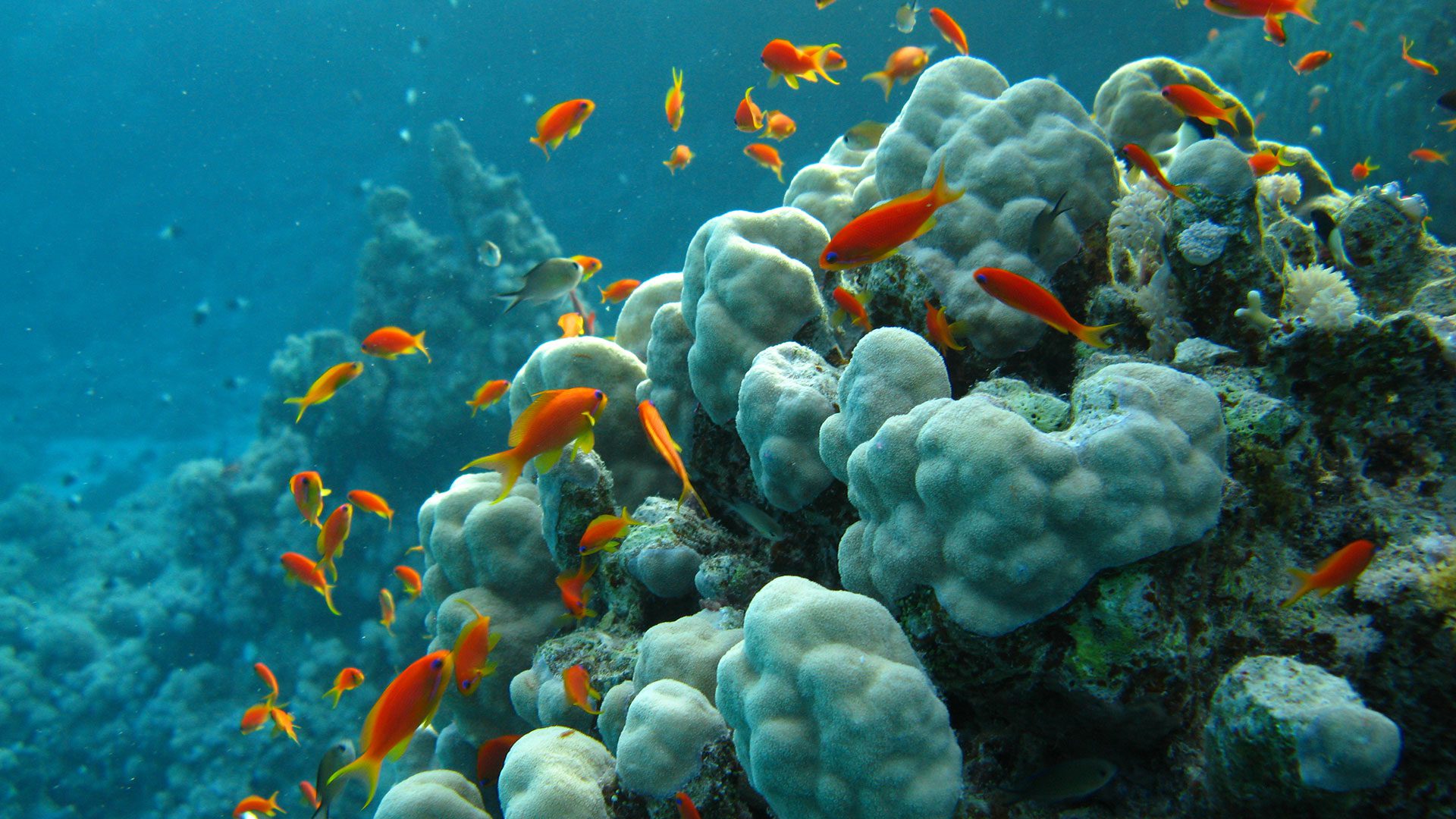
Coral reefs are like the bustling downtown areas of the ocean. They are biodiversity hotspots, meaning they are home to an incredible amount of life. Think of them as the grand central stations for fish, sea turtles, sharks, crabs, and a dazzling array of other marine creatures. Without reefs, these animals would lose their homes, their nurseries for their young, and their grocery stores.
Imagine if your local park suddenly disappeared. Where would the squirrels go? Where would the birds build their nests? Where would you go for a peaceful stroll? Coral reefs play a similar, vital role for countless ocean inhabitants.
Beyond being amazing homes, reefs also provide a vital service to us humans. They act as natural barriers, protecting coastlines from the destructive force of waves and storms. Think of them like a giant, natural breakwater, absorbing the energy of rough seas and saving coastal communities from serious damage. This is especially important for people living in low-lying areas who are already vulnerable to rising sea levels.
And let's not forget the economic impact. Many coastal economies depend heavily on healthy coral reefs for tourism and fishing. People travel from all over the world to dive and snorkel in these underwater wonders, bringing in significant revenue. Fisheries that rely on reef fish provide food and livelihoods for millions.
Plus, there's the potential for incredible scientific discoveries. Many marine organisms found on reefs are being studied for their medicinal properties. We're talking about potential new drugs for cancer, pain relief, and other critical medical needs. It's like an underwater pharmacy, waiting to be explored!
Sadly, these incredible ecosystems are under threat. Pollution, overfishing, climate change, and destructive fishing practices are all taking a heavy toll. The bleaching events we talked about are becoming more frequent and severe, leaving behind ghostly white skeletons where vibrant life once thrived.
So, what can we do? It might seem daunting, but even small actions can make a difference. Being mindful of our waste and reducing plastic consumption is a big one, as plastic pollution is a major killer of marine life. Choosing sustainable seafood helps protect the fish populations that depend on reefs. Supporting organizations that work to protect coral reefs is also a fantastic way to contribute.
Next time you see a picture of a coral reef, or hear about them in the news, remember that you're looking at the work of countless tiny animal architects and their colorful algae roommates. Remember that these are not just pretty underwater rocks, but vibrant, essential ecosystems that support a vast amount of life, protect our shores, and hold the promise of future discoveries.
Let's show some love for these amazing underwater cities. They're a testament to the incredible diversity and ingenuity of nature, and they absolutely deserve our protection. So, let’s be good neighbors to our planet, both on land and in the deep blue sea!