
Is A Raw Diet Good For Dogs

Hey there, fellow dog lover! So, you’ve probably heard the buzz, right? This whole “raw food diet” for our furry best friends. It’s everywhere – from Pinterest boards overflowing with perfectly arranged raw meals to heated debates in dog parks (you know the ones, where everyone’s a sudden canine nutritionist!).
It’s got me thinking, and I’m sure it’s got you thinking too: Is a raw diet actually good for our dogs? Or is it just another one of those trendy fads that’ll be gone faster than a dropped piece of cheese?
Let’s dive in, shall we? Grab your (hypothetical) cup of coffee, settle in, and let’s have a chat about this raw food phenomenon. No fancy jargon, just straight-up talk from one dog parent to another.
Must Read
The Big Question: Raw Food Diet – Yay or Nay?
Okay, so what exactly is this raw diet? Basically, it’s about feeding your dog food that hasn’t been cooked. We’re talking raw muscle meat, organ meats, and some raw bones. Think of it as mimicking what a dog’s ancestors might have eaten in the wild. Nature’s kibble, anyone?
The idea is that by feeding them this way, you’re providing them with a diet that’s closer to their biological needs. Proponents of raw feeding often rave about a whole bunch of potential benefits. And honestly, when you hear some of these stories, it’s hard not to be intrigued.
They say things like your dog will have a shinier coat, healthier teeth (less plaque, less stinky breath – imagine!), more energy (goodbye couch potato Fido, hello marathon runner Fido!), and even improvements in things like allergies and digestive issues. Sounds pretty darn good, right? Like a magic potion for your pup!
Now, before we get too carried away with visions of perfectly healthy, gleaming dogs, it’s important to remember that like anything in life (and especially with our pets), it’s not always a simple black and white situation. There are definitely some potential downsides and things to consider very carefully.
What's the Big Appeal? The "Pro" Side of Raw
Let’s break down some of the reasons why so many people are making the switch to raw. It’s not just about hopping on a bandwagon; there are some genuinely compelling arguments.
One of the biggest selling points is the idea of improved digestion. Cooked food, especially processed kibble, can sometimes be harder for dogs to break down. Raw food, being more “natural,” is thought to be more readily digestible. This can lead to smaller, firmer stools (less scooping drama!) and a happier gut. Nobody wants a gassy dog, right? Trust me, I’ve been there. It’s not a conversation starter you want to have.
Then there’s the whole dental health angle. Raw bones, when fed appropriately (and this is a big appropriately), can act like nature’s toothbrush. Chewing on raw meaty bones can help scrape away plaque and tartar, leading to cleaner teeth and gums. Think of it as a free dental cleaning, powered by your dog’s enthusiasm for gnawing. My own dog seems to think gnawing is his life’s purpose, so this is a win-win!
And let’s not forget that glorious coat. So many raw feeders report that their dogs’ fur becomes incredibly soft and shiny. This is often attributed to the high levels of essential fatty acids found in raw meat and fish, which are crucial for healthy skin and a lustrous coat. Basically, it’s like a superfood smoothie for their fur. Who wouldn’t want a dog that looks like they just stepped out of a shampoo commercial?
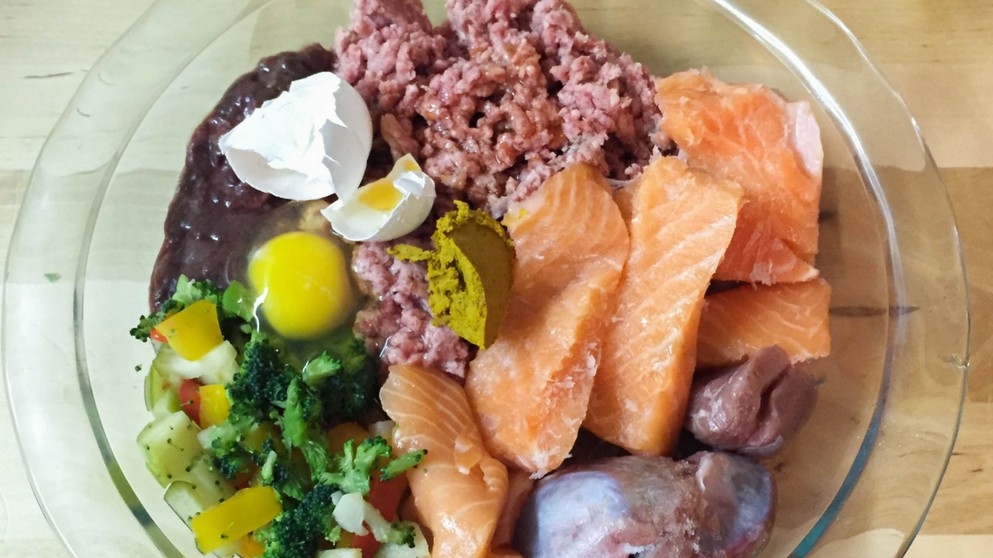
Beyond the superficial (though a shiny coat is pretty fantastic), there are claims of improvements in dogs with allergies and skin conditions. By eliminating common allergens found in some commercial foods (like certain grains or fillers) and providing nutrient-dense, easily absorbed ingredients, some owners have seen dramatic reductions in itching, redness, and other allergy symptoms. It’s like finding the missing piece of the puzzle for their sensitive pups.
And finally, the energy boost! Many people observe a significant increase in their dogs’ vitality and energy levels on a raw diet. They seem more playful, more alert, and just generally more… alive. It’s like flipping a switch from “meh” to “OMG, LET’S PLAY!”
Hold Up, Are There Any Downsides? The "Con" Side of Raw
Now, before you run to the butcher and start stocking up, we have to talk about the other side of the coin. Because, as with most things, it’s not all sunshine and perfectly formed poop. There are definitely some serious considerations and potential risks involved with feeding a raw diet.
The biggest concern, and it's a major one, is the risk of bacterial contamination. Raw meat can harbor nasty bacteria like Salmonella, E. coli, and Listeria. This isn't just a risk for your dog; it's a risk for you and your family too. Imagine accidentally spreading those little nasties around your kitchen. Yikes! Proper handling, storage, and hygiene are absolutely paramount. We’re talking separate cutting boards, meticulous hand-washing, and ensuring everything is stored and defrosted safely. It’s like being a super-vigilant chef in a high-stakes restaurant, but for your dog.
Another biggie is the risk of nutritional imbalances. Dogs need a very specific balance of vitamins, minerals, and macronutrients for optimal health. Just throwing raw meat and bones at them isn’t necessarily a complete meal. If you don’t get the ratios just right – and it’s surprisingly tricky to get them exactly right – you can end up with deficiencies or excesses that can lead to serious health problems down the line. This could manifest as bone problems, organ damage, or a weakened immune system. It’s like trying to bake a cake without a recipe; you might end up with something… edible, but probably not what you were aiming for.
Then there are the bones themselves. While bones can be great for dental health, they also pose risks. Dogs can fracture their teeth on hard bones. They can choke on pieces of bone. And, in some cases, bones can cause intestinal blockages or perforations, which are life-threatening emergencies requiring immediate veterinary attention. So, the "raw meaty bone" part needs a lot of careful thought and supervision. No unsupervised bone gnawing marathons, folks!
Cost can also be a factor. While some people find raw feeding to be comparable in price to high-quality kibble, others find it significantly more expensive, especially if they are buying pre-made raw meals or specific cuts of meat. Plus, the time commitment for sourcing, prepping, and storing can add up. It’s not exactly a grab-and-go breakfast for your pup.
And finally, it’s worth noting that not all veterinarians are proponents of raw feeding. Many recommend commercially produced dog foods because they are formulated to be nutritionally complete and have undergone rigorous testing for safety and efficacy. If you’re considering raw, it’s absolutely essential to have a thorough discussion with your veterinarian. They know your dog’s specific health needs and can offer guidance based on their professional expertise.
So, Is It Right for Your Dog?
The million-dollar question! The truth is, there’s no one-size-fits-all answer. What works wonders for one dog might be a disaster for another. It really depends on a lot of factors:

- Your Dog's Health: Does your dog have any underlying health conditions? Are they prone to digestive upset? Do they have a compromised immune system? These are all things to discuss with your vet.
- Your Lifestyle: Are you someone who enjoys cooking and is meticulous about hygiene? Or are you more of a “set it and forget it” kind of person? Raw feeding requires a certain level of commitment and attention to detail.
- Your Budget: Can you afford to feed a balanced raw diet consistently?
- Your Veterinarian's Opinion: This is crucial. Your vet is your partner in your dog’s health, and their professional advice should be a major factor in your decision.
If you’re leaning towards raw, research is your best friend. Learn about balanced ratios, safe food handling, and appropriate bone choices. Consider consulting with a veterinary nutritionist who specializes in raw diets. They can help you formulate a truly balanced plan that meets your dog’s specific needs. Think of them as the master chefs of dog nutrition!
Some people choose to do a partial raw diet, where they supplement their dog’s current kibble with some raw components. This can be a good way to introduce raw elements without a complete overhaul, and it might still offer some of the perceived benefits.
Ultimately, the goal is a happy, healthy dog. Whether that comes from a carefully balanced raw diet, a high-quality commercial food, or a combination of approaches, is a decision that’s unique to you and your furry family member.
A Wagging Tail Conclusion
So, is a raw diet good for dogs? It’s a question that sparks a lot of passion, and honestly, there are valid points on both sides. The potential benefits are exciting – that shiny coat, those pearly whites, the boundless energy! But the potential risks, especially concerning bacterial contamination and nutritional imbalances, are serious and shouldn’t be brushed aside.
The most important takeaway? Do your homework, talk to your vet, and listen to your dog. Your furry companion deserves the best, and that means making informed decisions based on their individual needs and your capabilities as a loving pet parent. Whether you choose raw, kibble, or something in between, the most important ingredient is always going to be the love and care you pour into them every single day. And that, my friends, is a recipe for a lifetime of happy wags and slobbery kisses. Go forth and be the amazing dog parent you are!

