Is A Pepper A Fruit Or Veg

Hey there, fellow food lovers! Let's talk about something that pops up in our kitchens more often than we might realize, something that brings a little zing and a lot of flavor to our plates: the humble pepper. Whether it's a bell pepper gracing your stir-fry, a fiery chili adding a kick to your salsa, or even a tiny jalapeño that makes your eyes water (in a good way, mostly!), peppers are everywhere. But have you ever stopped mid-chopping and wondered, "Wait a minute... is this thing a fruit or a vegetable?"
It's a question that pops up at dinner parties, during cooking classes, or even when you're just browsing the produce aisle, feeling a bit philosophical. And honestly, it's a fun little mystery to unravel, because the answer might just surprise you! Think of it like trying to figure out if a cat is a dog – they're both furry, adorable, and sometimes a little mischievous, but fundamentally different. Peppers, it turns out, have a similar kind of duality.
So, let's dive in, shall we? Grab a cup of your favorite beverage, maybe a handful of your favorite (non-spicy, for now!) chips, and let's chew over this peppery puzzle.
Must Read
The Botanical Breakdown: It's Not What You Think!
Now, before we get too deep into the scientific jargon, let's remember this is for us everyday folks. We're not aiming for a botany degree here, just a friendly understanding. From a botanist's point of view, the definition of a fruit is pretty straightforward. A fruit develops from the flower of a plant and contains seeds. It's basically the plant's way of spreading its offspring around, like a little package of future plant potential.
Think about it: a tomato, which we often treat as a vegetable in salads and sauces, is botanically a fruit because it grows from a flower and has seeds inside. Same goes for cucumbers, zucchini, and yes, even those delicious avocados we slather on our toast. They all fit the bill!

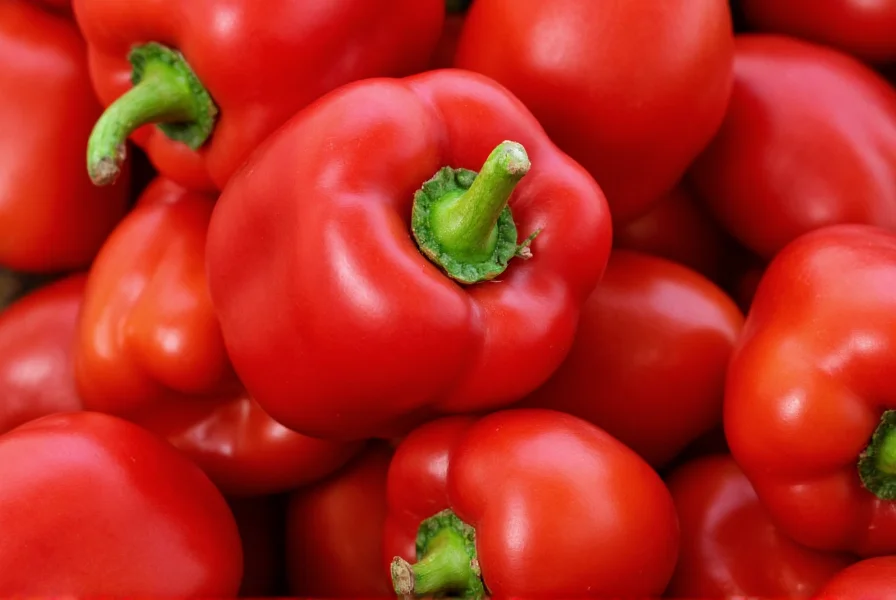
Now, let's apply this to our peppers. If you've ever sliced open a bell pepper, you've seen those little white seeds nestled inside, right? And you know, for a fact, that bell peppers come from flowers. So, according to the strict, scientific definition, a pepper is, without a doubt, a fruit. Yep, that sweet, crunchy bell pepper you love in your fajitas is, technically speaking, in the same fruity family as a strawberry or a peach!
Isn't that a fun thought? Imagine telling your grandma that her favorite stuffed bell peppers are a kind of fruit! She might chuckle, she might argue, but she'd be wrong (in this one specific, botanical sense, at least!).
The Culinary Convention: Where We All Live
Okay, so botanically, they're fruits. But here's where things get a little blurry, and where our everyday lives come into play. In the culinary world – meaning, in our kitchens, at restaurants, and in our grocery stores – we tend to group foods based on how we use them, not how they grow. And that's where the "vegetable" label often sticks.

We don't typically slice up a bell pepper and eat it as a dessert, right? (Though, who knows, maybe some adventurous baker out there has a pepper pie recipe!). We usually use peppers in savory dishes. They add a wonderful crunch to salads, a burst of sweetness to stir-fries, a spicy kick to curries, and form the backbone of countless sauces and dips. They play the role of a vegetable on our plates.
Think about it like this: a common example is the tomato. We use it in salads, on sandwiches, in pasta sauce – all very "vegetable-like" applications. Yet, botanically, it's a fruit. The pepper is just another one of these fascinating cases where the scientific world and the everyday culinary world have a little disagreement. And in this case, the culinary world usually wins when it comes to how we talk about them.
So, when you're at the grocery store, you'll find peppers nestled amongst the tomatoes, the onions, and the leafy greens – all the usual suspects of the "vegetable" section. No one's putting jalapeños in the fruit aisle next to the apples and bananas, are they? It just wouldn't feel right, would it? It's like expecting a lion to purr like a kitten; it's just not how we perceive them in our daily experiences.

Why Should We Even Care? (Spoiler: It's Fun!)
Now, you might be thinking, "Okay, cool story. But does it really matter if a pepper is a fruit or a vegetable in my everyday life?" And the answer is a resounding yes, it does! Not in a "you'll fail your next test if you get it wrong" kind of way, but in a "you'll be smarter, more interesting at parties, and have a better appreciation for the food you eat" kind of way.
For starters, it's a fantastic little trivia tidbit! Imagine the next time you're making guacamole and adding some chopped bell pepper. You can casually drop a, "You know, this bell pepper is technically a fruit!" Your friends will be impressed, your kids might be confused (and then delighted to learn something new!), and you'll have a little spark of knowledge to share. It's like having a secret superpower – the power of botanical facts!
Secondly, understanding this distinction helps us appreciate the diversity of nature. Plants are amazing! They have all these intricate ways of growing and reproducing, and sometimes, the lines between categories aren't as clear-cut as we might think. It encourages us to look a little closer, to ask "why?", and to marvel at the incredible world around us, even in something as simple as a pepper.
Think of it like this: when you learn that a whale is a mammal, not a fish, it doesn't change how you see the whale. But it does give you a deeper understanding of its biology and its place in the animal kingdom. Similarly, knowing that a pepper is botanically a fruit adds another layer to our understanding of this versatile ingredient.
And let's not forget the culinary implications! While we treat peppers as vegetables, knowing they're fruits can sometimes influence how we approach them in cooking. For example, understanding that some fruits are used in savory dishes can open up new recipe ideas. Maybe you'll be inspired to experiment with a sweet pepper chutney or a spicy fruit salsa. The possibilities are, dare I say, fruity!
So, the next time you're slicing up a pepper, take a moment. Appreciate its vibrant color, its unique shape, and its journey from a tiny flower to your plate. And remember, whether you call it a fruit or a vegetable, it's a delicious, versatile, and utterly wonderful part of our culinary landscape. It’s a reminder that sometimes, the most common things hold the most surprising secrets. Happy cooking, and happy learning!