How To Weld With A Tig Welder
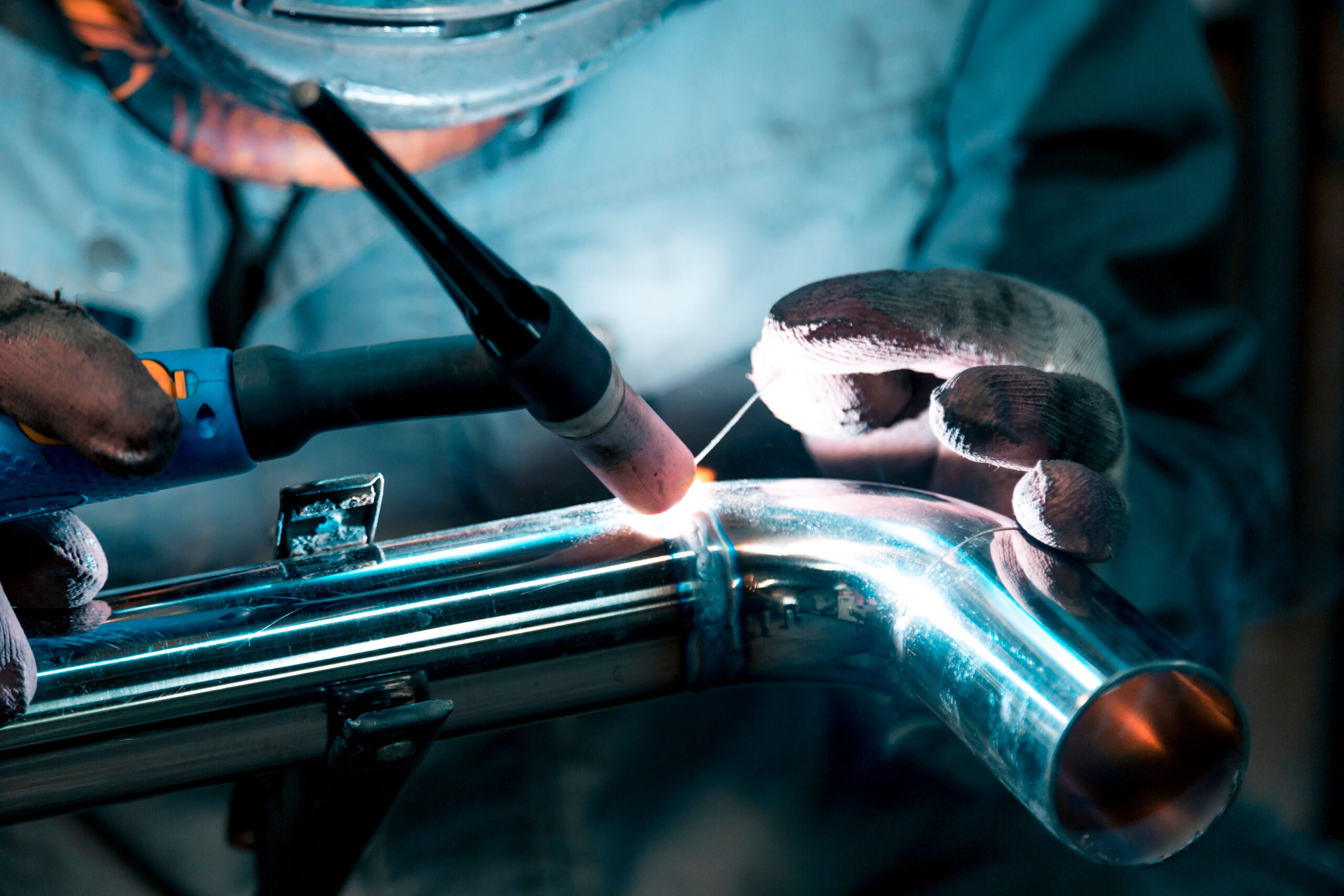
There's a certain kind of magic happening in workshops and studios across the globe, a quiet hum and a dazzling blue-white arc that conjures metal into something entirely new. We're talking about TIG welding, a technique that's rapidly shed its reputation as a purely industrial process and embraced its role as a powerful tool for creativity and craftsmanship. If you've ever admired a sleek metal sculpture, a beautifully restored classic car, or even just a sturdy, perfectly joined piece of furniture, chances are TIG welding played a starring role.
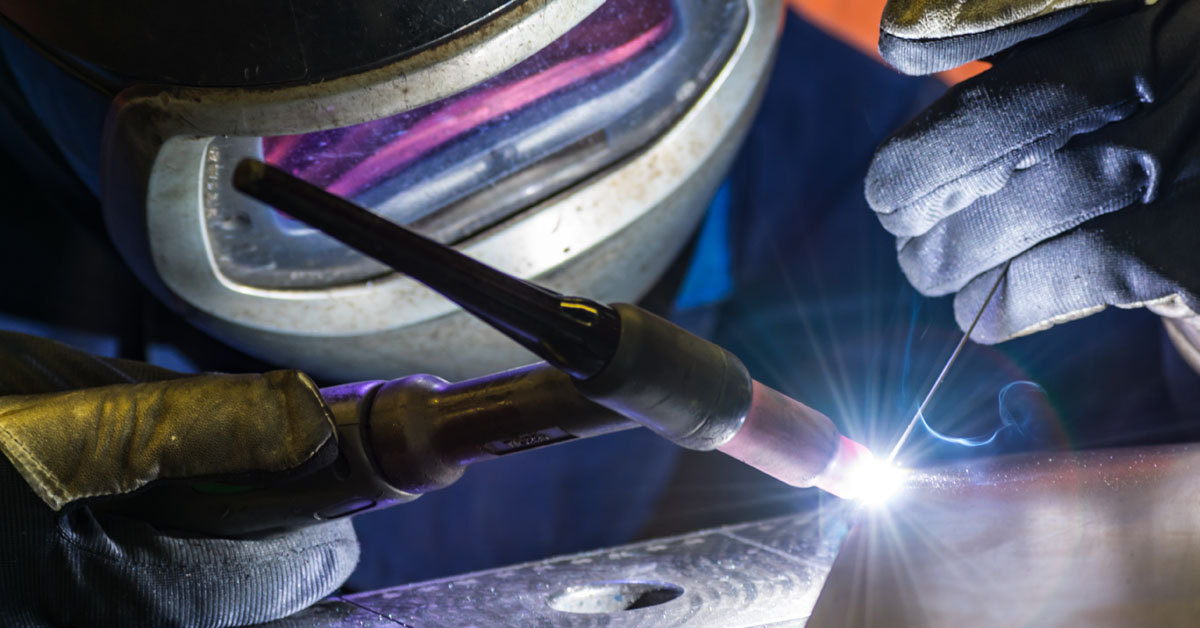
What makes TIG welding so appealing, especially for artists, hobbyists, and those just dipping their toes into the world of metalworking? For starters, it offers unparalleled control and precision. Unlike other welding methods, TIG uses a non-consumable tungsten electrode, meaning you can meticulously add filler material exactly where and when you need it. This translates to incredibly clean, precise welds that can be virtually invisible. For artists, this opens up a universe of possibilities, allowing them to sculpt intricate details and create stunningly smooth finishes. Hobbyists benefit from the ability to work with a wider range of metals, from delicate aluminum pieces to robust steel, with confidence. And for the casual learner, it's a gateway to building, repairing, and creating tangible projects that are both functional and aesthetically pleasing.
The versatility of TIG welding is truly remarkable. Imagine creating delicate, airy metal sculptures that seem to defy gravity, or crafting custom bicycle frames with flawless joints. Artists use it to breathe life into abstract forms, intricate figures, and even delicate filigree work. Hobbyists might find themselves restoring vintage motorcycles, building custom outdoor furniture, or fabricating unique lighting fixtures. Even simple projects like reinforcing a garden gate or building a sturdy workbench become more enjoyable and rewarding when you can achieve professional-looking results. The variations are endless, limited only by your imagination and the materials you choose to work with.
Must Read
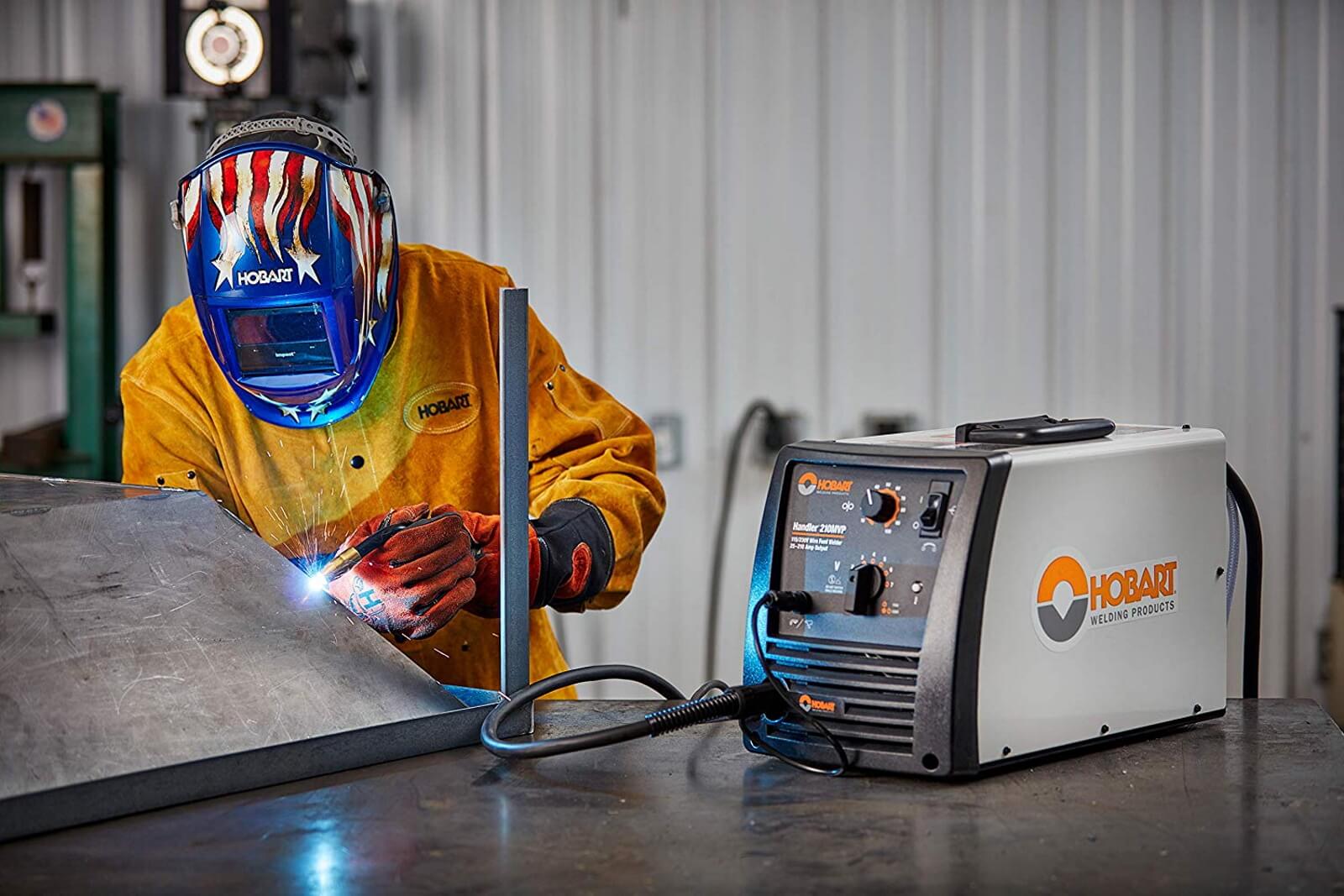
Thinking of giving TIG welding a try at home? It’s more accessible than you might think! While it does require an initial investment in equipment, many entry-level TIG welders are surprisingly affordable. Safety is paramount, so invest in a good welding helmet with auto-darkening capabilities, fire-resistant clothing, gloves, and a well-ventilated workspace. Start with simpler projects using mild steel, as it's generally more forgiving. Practice making consistent torch movements and controlling the amperage. Don't be discouraged by early imperfections; every weld is a learning opportunity. Watching online tutorials and, if possible, taking a beginner's course can significantly accelerate your progress and build your confidence. Consistency is key – aim for a steady hand and a rhythmic movement.
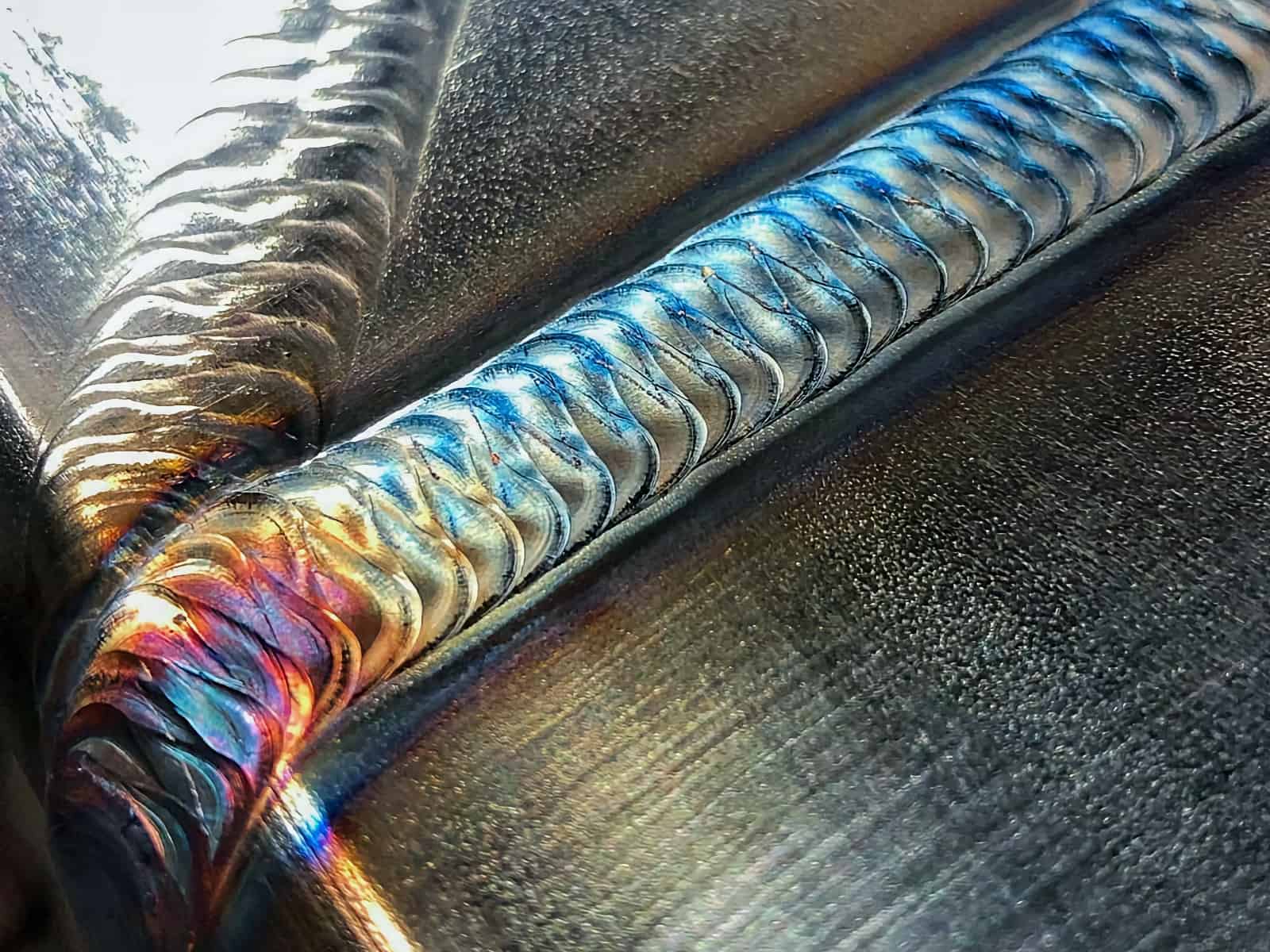
Ultimately, the enjoyment of TIG welding comes from the tangible creation and problem-solving it offers. It’s a process that demands focus and patience, but the reward of seeing molten metal fuse seamlessly, transforming raw materials into something beautiful and functional, is incredibly satisfying. It’s a dance of heat, gas, and skill, and once you’ve experienced that satisfying 'hiss' and seen that perfect bead form, you’ll understand why so many are captivated by this artful form of joining.