
How To Use Bath Salts In Bath
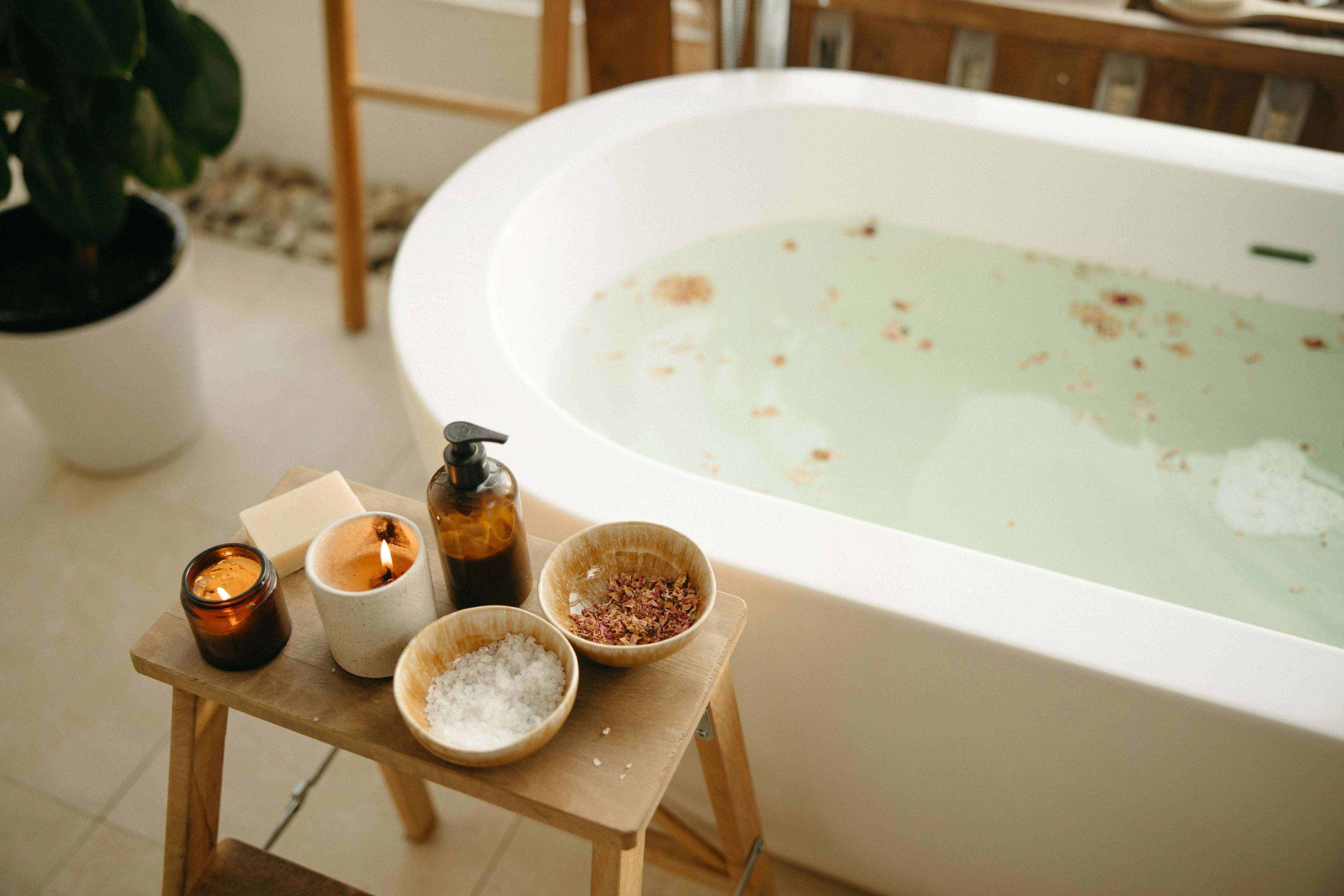
Okay, confession time. For the longest time, I thought bath salts were just… fancy bath rocks. Like, something you’d find in a very niche spa or maybe a suspiciously sparkly corner of a vintage store. My bathtub was more of a utilitarian zone, you know? Soap, water, rinse, repeat. The idea of adding crystals to the water seemed… extra. Way too extra for my Tuesday night wind-down routine. Then, one particularly rough day at work, where I swear my inbox was breeding faster than rabbits, I found myself staring at a beautifully packaged little jar of what were, indeed, bath salts. My friend, bless her thoughtful soul, had gifted them to me. “Just try them,” she’d insisted. “It’s a game-changer.” I rolled my eyes, but the thought of escaping my reality, even for 20 minutes, was too tempting. So, that night, armed with a healthy dose of skepticism and a glass of questionable red wine, I embarked on my first-ever bath salt adventure. And let me tell you, it was… surprisingly, ridiculously, wonderfully transformative. My inbox breeding problem didn't magically disappear, but I felt a whole lot less like a stressed-out hamster on a wheel.
See, that’s the thing about these little tubs of magic. They’re not just pretty to look at; they actually do stuff. And using them is honestly as simple as, well, taking a bath. But like anything good in life, there are little nuances, a few insider tips that can elevate your soak from “meh, I’m clean” to “oh my gosh, I think I just found nirvana in my own bathroom.” So, let’s dive in, shall we? No need for fancy robes or cucumber slices (unless you’re feeling it, no judgment here!). Just your everyday bath, a little bit of intention, and these delightful little salt crystals.
So, What Exactly ARE Bath Salts, Anyway? (And Why Should I Care?)
Before we get into the nitty-gritty of how to use them, let’s get clear on what they are. Generally speaking, when people say “bath salts,” they’re referring to water-soluble minerals that are added to bathwater. The most common type you'll encounter is Epsom salt, which is actually magnesium sulfate. Fancy name, right? But don’t let the chemistry spook you. This stuff has been used for centuries for its supposed therapeutic properties. Think muscle aches, relaxation, and all that good jazz. Then there are other types, like Himalayan pink salt (loaded with trace minerals that are supposedly good for your skin), and more commercially produced blends that often include essential oils, dried flowers, and other fragrant goodies.
Must Read
The “why should you care” part is pretty simple: they can seriously up your self-care game. We’re talking about a way to unwind, de-stress, and give your body a little bit of TLC without a huge time commitment or a hefty spa bill. It’s like a mini-retreat, right in your own home. And in today’s chaotic world, who couldn’t use a little more of that? Seriously, if you’re not already incorporating them, prepare to be a convert. I was a skeptic, remember? And now I’m practically a bath salt evangelist.
The Grand Opening: Preparing Your Ultimate Bath Salt Sanctuary
Alright, let’s get down to business. The first step in your bath salt journey is, surprise surprise, preparing your bath. This is where you set the stage for relaxation. Turn on the water. Think about the temperature. Are you going for a steamy, almost too-hot-to-handle soak that’s going to melt away all your worries? Or a more moderate, comfortable warmth that’s just about perfect for lingering? I’m a fan of the former, but hey, whatever floats your boat (or in this case, your salts).
Now, while the tub is filling, this is a great time to grab your bath salts. Are they in a pretty jar? A simple bag? Whatever the packaging, take a moment to appreciate them. Think about the scent, the texture. If they have dried flowers, notice the colors. This is part of the ritual, the intentionality. You’re not just throwing something in; you’re actively choosing to enhance your bath.
How Much is Too Much? The Art of the Perfect Pinch (or Scoop!)
Here’s where a lot of people get a little… tentative. How much do you actually use? My initial thought was “a lot, because it’s called salt, and salt is a potent ingredient.” Nope. Turns out, you don’t need to empty the whole jar into your tub. For a standard-sized bathtub, about half a cup to a full cup of bath salts is generally a good starting point.

If you’re using pure Epsom salts or Himalayan pink salt, this is a solid amount. If you’re using a more blended product that might have essential oils or other additives, check the packaging. Sometimes, the manufacturers will give you a recommended amount. And honestly? It’s also a matter of personal preference. Do you want a subtle hint of relaxation, or do you want to feel like you’re bathing in a potion of pure bliss? Start with the recommended amount, and then you can always adjust for your next bath. Don’t be afraid to experiment! That’s half the fun, right? It’s not like you’re going to accidentally create a mini-ocean in your bathroom. Probably.
The Grand Dissolution: Getting Those Salts into the Water
This is the moment of truth. The water is running, the salts are in your hand (or scoop). What’s the best way to introduce them to the party? Well, the easiest and most effective way is to sprinkle them directly into the running water. The stream of water will help them dissolve more quickly and distribute them evenly throughout the tub.
Think of it as a little sprinkle of magic. As the water hits the salts, you’ll see them start to fizz or dissolve. If you have salts with dried flowers, this is when those little petals will start to float around. It’s a visual treat, honestly. Don’t just dump them in when the tub is already full. While they’ll still dissolve, it’ll take longer, and you might end up with a little pile of salt at the bottom of your tub, which is… less than ideal. We want maximum dissolution, people!
The Scent of Serenity: Essential Oils and Fragrance
Many bath salt blends come pre-scented with essential oils. These little bottles of liquid happiness are a game-changer for aromatherapy. Lavender for calm, eucalyptus for clarity, citrus for a mood boost. If your salts aren’t scented, or if you want to amp up the fragrance, this is your chance! You can add a few drops of your favorite essential oil directly to the bath salts before you add them to the water. This helps the oils disperse better and prevents them from just floating on the surface in little oily puddles.
When adding essential oils, remember that a little goes a long way. Start with 5-10 drops for a full bath. You can always add more if you want a stronger scent, but it’s harder to take it away once it’s in there! Also, some essential oils can be irritating to the skin, so it’s always a good idea to do a quick patch test if you’re trying a new oil, or if you have particularly sensitive skin. And while we’re talking about scents, if your bath salts have dried flowers, like rose petals or chamomile, don’t be alarmed if they float around. They’re just adding to the aesthetic and the aromatherapy experience!

The Main Event: Stepping into Your Salt-Infused Oasis
The bath is drawn, the salts are dissolved (or mostly dissolved!), and the steam is rising. This is it. The moment you’ve been waiting for. Carefully step into your tub. Feel the water enveloping you. Take a deep breath. Notice how the warmth feels on your skin. If you’ve added essential oils, inhale the aroma. This is your time to truly disconnect from the outside world.
Find a comfortable position. Do you like to lean back and rest your head? Prop yourself up against the side? Whatever feels most relaxing for you. The salts are doing their thing, working their magic. Magnesium from Epsom salts is thought to be absorbed through the skin, helping to relax muscles and reduce inflammation. Other minerals in salts can also be beneficial for skin health. So, not only are you relaxing, you’re also potentially doing your body a favor!
The Art of the Soak: How Long Should You Linger?
Now, this is where you can really indulge. How long should you stay in your bath salt sanctuary? Generally, 15 to 30 minutes is the sweet spot for most people. This is enough time for the salts to work their magic and for you to truly unwind. Anything less might feel a bit rushed, and anything significantly more could potentially dry out your skin, especially if you have sensitive skin.
During your soak, try to do absolutely nothing. No phone scrolling (unless you’re reading an e-book in a waterproof case, you modern marvel!), no thinking about your to-do list. Just be present. Close your eyes. Listen to the gentle sounds of the water. Feel the tension melt away. It’s like hitting the reset button for your mind and body. And if you find yourself wanting to stay in for 45 minutes? Go for it! Just listen to your body. If your skin starts to feel dry, it’s probably time to hop out.

The Aftermath: Emerging Refreshed and Rejuvenated
Your blissful soak is coming to an end. As you slowly and carefully step out of the tub, you might notice your skin feels softer, more supple. Your muscles might feel a little less tense. You might even feel a sense of calm that you haven’t experienced all day (or week!).
Now, here’s a little tip that often gets overlooked: rinse off with lukewarm water. This is especially important if you’ve used a lot of salts or if you have dry or sensitive skin. A quick rinse will remove any excess salt residue from your skin. It’s not about washing away the benefits, but rather about making sure your skin feels comfortable and refreshed. Think of it as a gentle pat-down after a fantastic spa treatment.
And then, the grand finale: pat yourself dry with a soft towel. Avoid vigorous rubbing, as this can irritate your skin. Once you’re dry, apply a good quality moisturizer or body lotion. This will help to lock in any moisture and keep your skin feeling soft and hydrated. Especially if you’ve used Epsom salts, which can sometimes have a slight drying effect. Think of it as sealing the deal on your spa experience!
What About Those Pesky Flower Bits? Dealing with Leftovers
Okay, real talk. If your bath salts contained dried flowers or herbs, you might find a little bit of botanical debris floating around in your tub after you’re done. Don’t panic! It’s perfectly normal. Most of these little bits will be clinging to the sides of the tub or floating on the surface. You can easily scoop them out with your hands or a small sieve. If they’re stuck to the bottom, a quick scrub with your bath brush or sponge will usually do the trick.
And then, it’s time to drain the tub. Most of the remaining residue should go down with the water. If you have a significant amount of debris, you might want to give your tub a quick rinse down afterward to ensure nothing gets stuck in the drain. Nobody wants a clogged drain situation. Trust me on this one. I learned that the hard way once with a particularly enthusiastic glitter bomb bath (don't ask).
Beyond the Basic Soak: Creative Ways to Use Bath Salts
While the classic bath soak is probably the most popular way to use bath salts, there are a few other fun and beneficial ways you can incorporate them into your self-care routine. Ever thought about a foot soak? Your feet carry you through life, so they deserve some pampering too! Fill a basin with warm water, add a good handful of bath salts (Epsom salts are particularly great for tired feet), and let them soak for 15-20 minutes. It’s a fantastic way to soothe aches and pains, and to soften rough skin.
Another idea? If you have a particularly stubborn knot in your shoulder or back, you can try creating a warm compress. Mix a tablespoon or two of bath salts with a little bit of warm water to form a paste. You can then place this paste on a washcloth, wring it out, and apply it to the affected area for a few minutes. The warmth and the minerals can help to ease muscle tension. Just be sure to test the temperature on your skin first to avoid burns!
And for the truly adventurous, some people even use bath salts as a gentle body scrub in the shower. You can mix them with a little bit of oil (like coconut or olive oil) to create an exfoliating scrub. Just be careful not to get them in your eyes, and make sure you rinse thoroughly afterwards! This is best done with coarser salts, like sea salt or coarse Epsom salt. Fine grain salts might be too abrasive.
A Final Word of Encouragement (From One Formerly Skeptical Person to Another)
So, there you have it. The seemingly complex world of bath salts, demystified. It’s not rocket science, and it’s certainly not just for fancy people. It’s a simple, accessible way to inject a little bit of calm and rejuvenation into your life. It’s about taking a moment for yourself, about acknowledging that you deserve a little bit of pampering.
If you’ve never tried them before, or if you, like me, once thought they were just glorified bath rocks, I urge you to give them a go. Pick up a small jar, try out a recommended amount, and just… see how you feel. You might be surprised by the little bit of magic you unlock in your own bathtub. And who knows, your inbox might even feel a little less overwhelming after a truly luxurious soak. Happy bathing!

