
How To Treat Black Mold On Wood
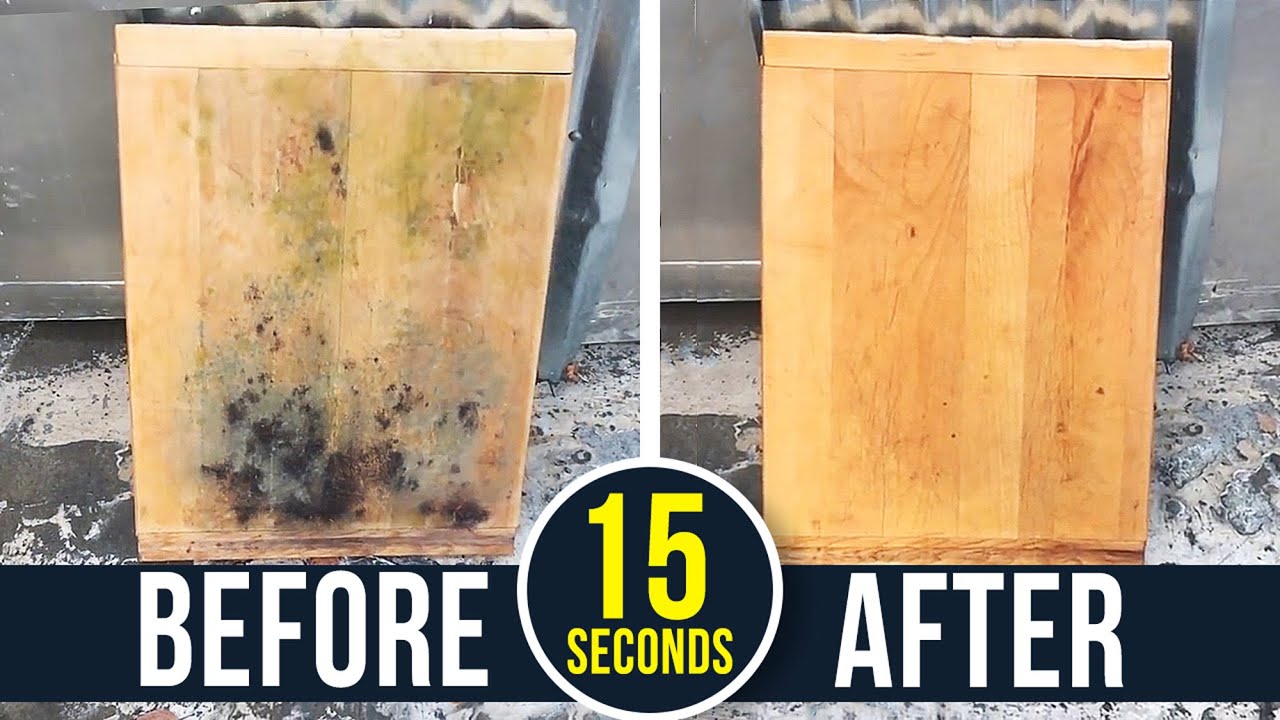
Alright, gather 'round, you brave homeowners and intrepid DIY-ers! Today, we're diving headfirst into the murky, microscopic world of black mold on wood. Now, before you picture a horde of tiny, furry demons plotting world domination from your attic, let's take a deep breath. It’s not that dramatic. Mostly. Think of it more like uninvited, slightly grimy houseguests who refuse to leave and are terrible at contributing to the rent.
So, you’ve spotted it. That sinister splotch of black, like a tiny, unwelcome tattoo on your beloved bookshelf, your porch railing, or maybe even your grandpa’s antique rocking chair. Panic might be your first instinct. Will it eat your house? Will it whisper dark secrets to your furniture in the dead of night? Relax. We’re going to tackle this fuzzy fiend, armed with knowledge, a healthy dose of caution, and maybe a few strategically placed memes for moral support.
The Uninvited Guest: Understanding Your Black Mold Problem
First things first, let’s get acquainted with our adversary. Black mold, or Stachybotrys chartarum if you want to sound fancy at your next neighborhood watch meeting (though I don't recommend it), thrives in damp environments. It’s basically the ultimate party crasher. Think leaky pipes, condensation issues, poor ventilation – you know, all those delightful little quirks that make a house a "home."
Must Read
This mold is a bit of a foodie, and it’s particularly fond of cellulose, which, surprise, surprise, is a major component of wood! So, your wooden furniture, framing, and even those decorative trim pieces are basically a five-star buffet for these microscopic marauders. It’s enough to make you want to wrap your entire house in cling film, isn’t it?
Now, a little bit of mold is, dare I say, normal. But when it starts to look like a miniature Jackson Pollock painting on your floorboards, it’s time to intervene. And trust me, ignoring it is like telling a toddler they can’t have any more cookies. It will only get worse, and probably a lot louder.
Operation: Mold Eviction – Your DIY Action Plan
Alright, gloves on, mask secured (yes, you really need one, unless you fancy breathing in more spores than a dust bunny convention), and let’s get to work. Think of yourself as a mold-busting superhero. Your cape might be an old t-shirt, and your superpower is a good cleaning solution.
Step 1: Safety First, Friends!
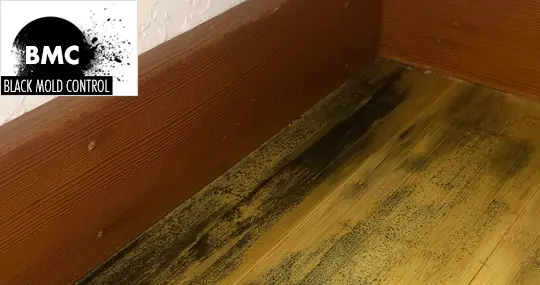
Before you even think about scrubbing, let’s talk safety. This isn't like cleaning up spilled juice. Mold spores can be irritating, especially to your lungs. So, grab yourself some heavy-duty rubber gloves, a pair of goggles, and an N95 respirator mask. Seriously, don’t skimp on the mask. You don't want to be the person who accidentally inhales enough mold to start a new ecosystem in their sinuses. It’s not a good look.
Open up some windows to get some airflow going. You want to ventilate the area like you’re trying to air out a gym locker after a marathon. And for goodness sake, wear old clothes. You might not be getting them back.
Step 2: The Cleaning Cocktail – What You'll Need
Now for the fun part – mixing your cleaning potions! You have a few options here, and thankfully, they don't involve summoning ancient spirits or sacrificing a goat. Most of these are readily available at your local grocery store or hardware haven.
Your first go-to is often diluted bleach. A good ratio is about 1 cup of bleach to 1 gallon of water. This is your heavy artillery. Bleach is a powerful disinfectant and will kill those pesky mold spores. However, never mix bleach with ammonia. That’s a recipe for toxic fumes and a very unhappy ending. Think of it as a “divorce” situation for cleaning chemicals – they just don't mix.

Another excellent option is white vinegar. Yes, the stuff you use for your salad dressing can also be your mold-fighting best friend. Use it undiluted. Vinegar is acidic and can kill a surprising number of mold species. Plus, it smells less… industrial than bleach. Some people find the vinegar smell a bit intense, but it dissipates. Imagine a really enthusiastic chef who forgot to open a window. That’s the vinegar smell.
For those who are a bit more sensitive or prefer a natural approach, a solution of baking soda and water can also work wonders. Mix about 1 tablespoon of baking soda into a spray bottle filled with water. Baking soda is a mild abrasive and a natural deodorizer. It’s like the gentle handshake of cleaning solutions.
Step 3: The Scrub Down – Gently, But Firmly
Now it’s time to get down and dirty (literally). Grab a stiff-bristled brush or a scrub sponge. Dip it into your chosen cleaning solution and start scrubbing the affected area. Don't be too aggressive, especially on delicate wood, but you need to put in some elbow grease. Think of it as giving the mold a stern talking-to it can’t ignore.
Work from the outside of the mold patch inwards. This prevents spreading those little spore-monsters. As you scrub, you'll see the black stuff start to lift. Wipe away the residue with clean rags or paper towels. Don’t reuse dirty rags; you’ll just be redecorating with mold!
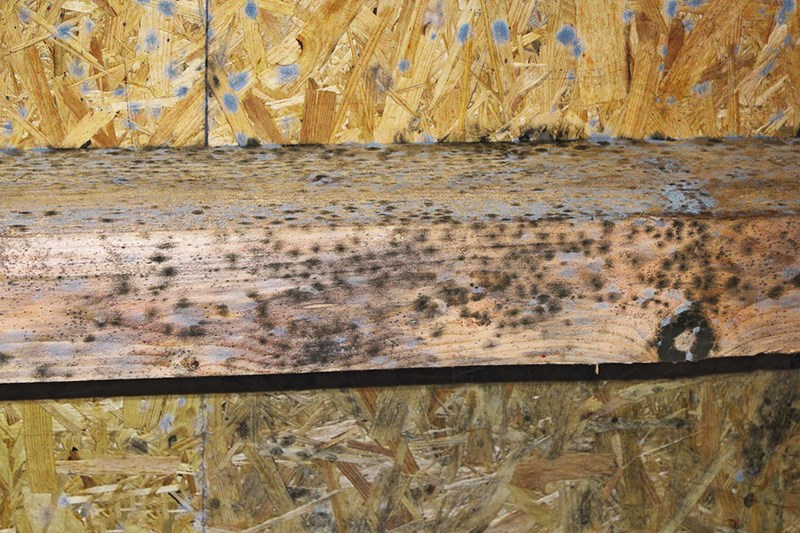
If the mold is on a surface you can't easily scrub, like intricate carvings, you might need to use old toothbrushes or even cotton swabs. It's the mold equivalent of a dental cleaning – tedious but necessary.
Step 4: Rinse and Dry – The Crucial Finale
After you’ve scrubbed away the visible mold, you need to rinse the area with clean water. Again, use a clean cloth or sponge. Then comes the most important part: drying. You want that wood bone-dry. Use fans, open windows wider, or even a dehumidifier if you have one. Leaving it even slightly damp is like leaving out a welcome mat for the mold’s extended family to move in.
Seriously, thorough drying is non-negotiable. If you’re dealing with wood that’s heavily saturated, like a piece that’s been exposed to significant water damage, you might need to consider professional drying services. We’re talking industrial-level hair dryers here. It’s less glamorous than fighting a dragon, but infinitely more practical.
Step 5: The Follow-Up – Keep an Eye Out
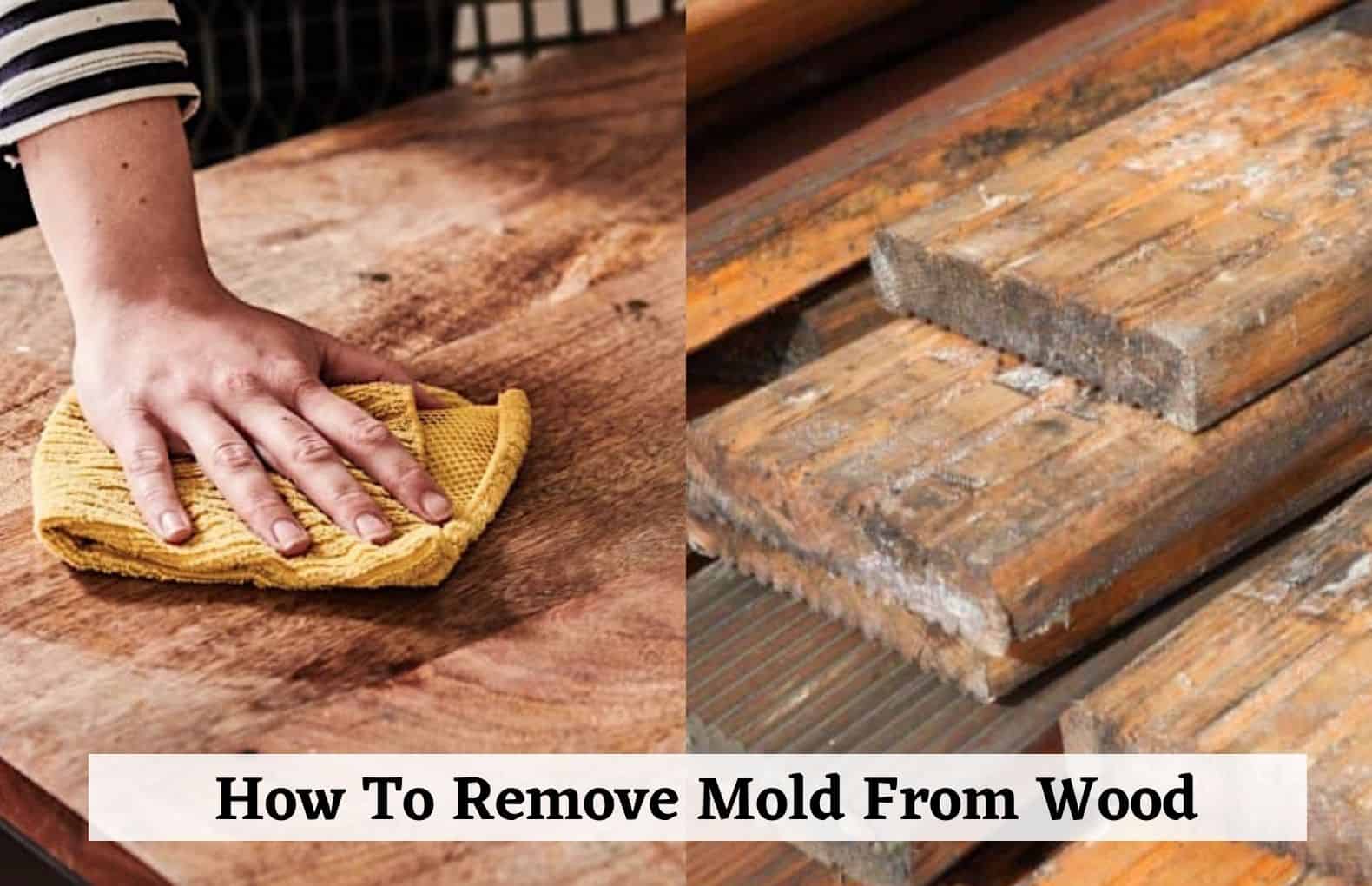
Once your wood is clean and dry, you’re not entirely out of the woods (pun intended!). Keep an eye on the area. If you see any signs of the mold returning, it means there’s still a moisture problem somewhere. You’ve essentially just put a Band-Aid on a deeper wound.
This is where you need to investigate the root cause. Is there a leaky pipe? Poor insulation causing condensation? A general lack of ventilation in that room? Addressing the source of the dampness is the only way to truly win the war against black mold. It’s like finally telling that mooching cousin to get a job – the problem won't solve itself.
When to Call in the Professionals (Because Sometimes, You Just Need Backup)
Now, there are times when DIY isn't the best route. If the mold covers a really large area (think bigger than a dinner plate, or a particularly enthusiastic sneeze), or if you suspect it's gotten into the structural components of your home, it's time to call in the pros. These are the mold ninjas, the spore whisperers, the folks with the industrial-grade equipment and the know-how to tackle serious infestations.
Also, if anyone in your household has severe allergies or respiratory issues, it's wise to err on the side of caution and bring in the professionals. Your health is more important than saving a few bucks, even if that money could be used for a really, really fancy new spatula.
So there you have it! A whirlwind tour of black mold eradication. Remember, a little vigilance, a good cleaning strategy, and addressing the underlying moisture issues are your best weapons. Now go forth and conquer your moldy woes. And if all else fails, just paint over it. (Kidding! Mostly.)

