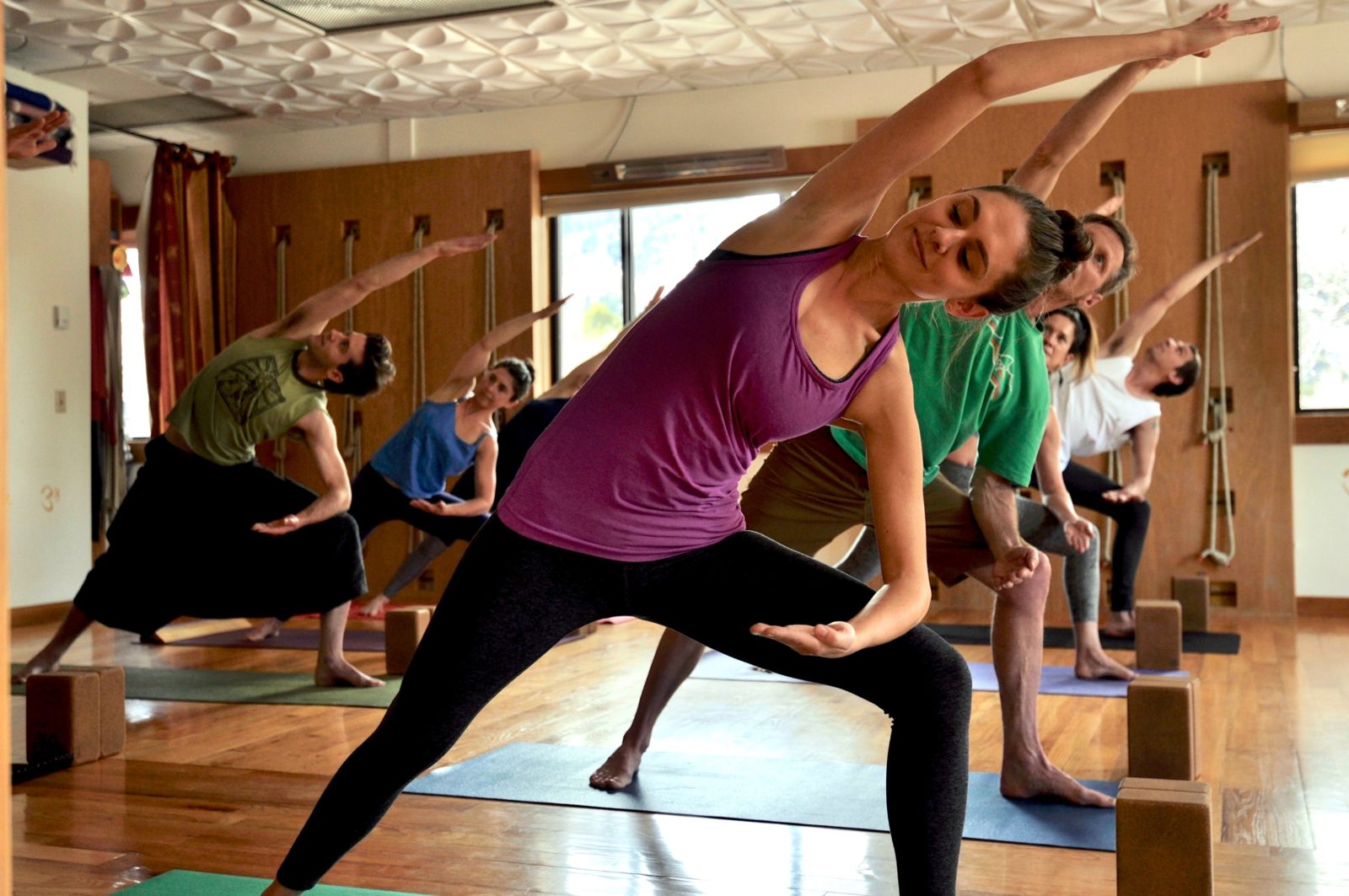
How To Train As A Yoga Teacher
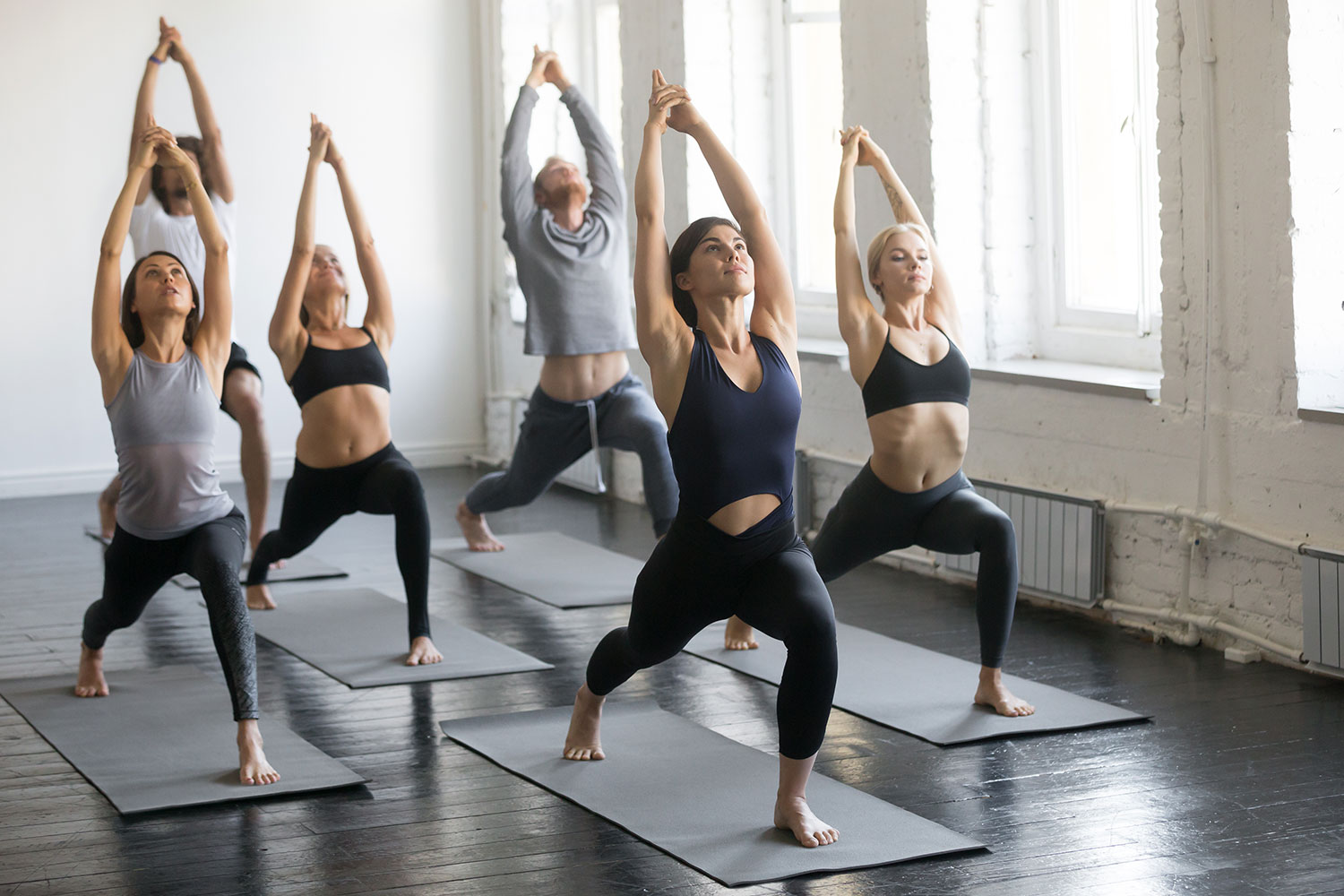
So, you're thinking about becoming a yoga teacher? That's awesome! Maybe you're already a dedicated yogi, finding solace and strength on your mat. Or perhaps you've just started dipping your toes into the world of downward dogs and warrior poses, and something just clicks. Whatever your starting point, the idea of sharing this incredible practice with others is a beautiful one. It's not just about striking a perfect pose; it's about cultivating a deeper connection, understanding the subtle energies, and yes, even learning to make a truly killer cup of chai.
This whole yoga teacher training journey can feel a little daunting, like standing at the foot of a very peaceful, yet imposing, mountain. But trust me, it’s more like a scenic hike with plenty of opportunities for mindful moments and maybe even a few spontaneous singalongs. This isn’t about rigid dogma or achieving enlightenment overnight (though who wouldn't love that?). It’s about growth, learning, and embracing the whole, beautiful mess of it all. So, grab your favorite water bottle, maybe a comforting blanket, and let's chat about how to train as a yoga teacher in a way that feels good.
The 'Why' Behind the Mat
Before we dive into the nitty-gritty of training programs and anatomy charts, let's get real about your motivation. Why do you want to teach yoga? Is it the zen of it all? The sense of community? The sheer joy of witnessing someone unlock a new pose or find a moment of peace amidst chaos? Whatever your 'why,' it’s your compass. It will guide you through the challenging bits and fuel your passion when you’re deep into the study of Sanskrit pronunciation (don't worry, it gets easier!).
Must Read
Think of it like this: if you’re passionate about baking sourdough, your 'why' might be the joy of sharing delicious, crusty loaves with friends. Teaching yoga is similar, but your 'loaves' are moments of mindfulness, improved posture, and a calmer mind. And believe me, that’s a pretty sweet reward.
Many teachers find their path illuminated by a profound personal experience with yoga. Perhaps it helped them through a tough time, or simply brought a sense of balance to their busy lives. This personal connection is your superpower. It's what will make your teaching authentic and resonate with your students.
Choosing Your Path: The Training Landscape
Okay, so you’re ready to commit. The first big step is finding a yoga teacher training (YTT) program. This is where the magic really starts to unfold. Think of it as your yoga apprenticeship, a deep dive into the philosophy, practice, and art of teaching.
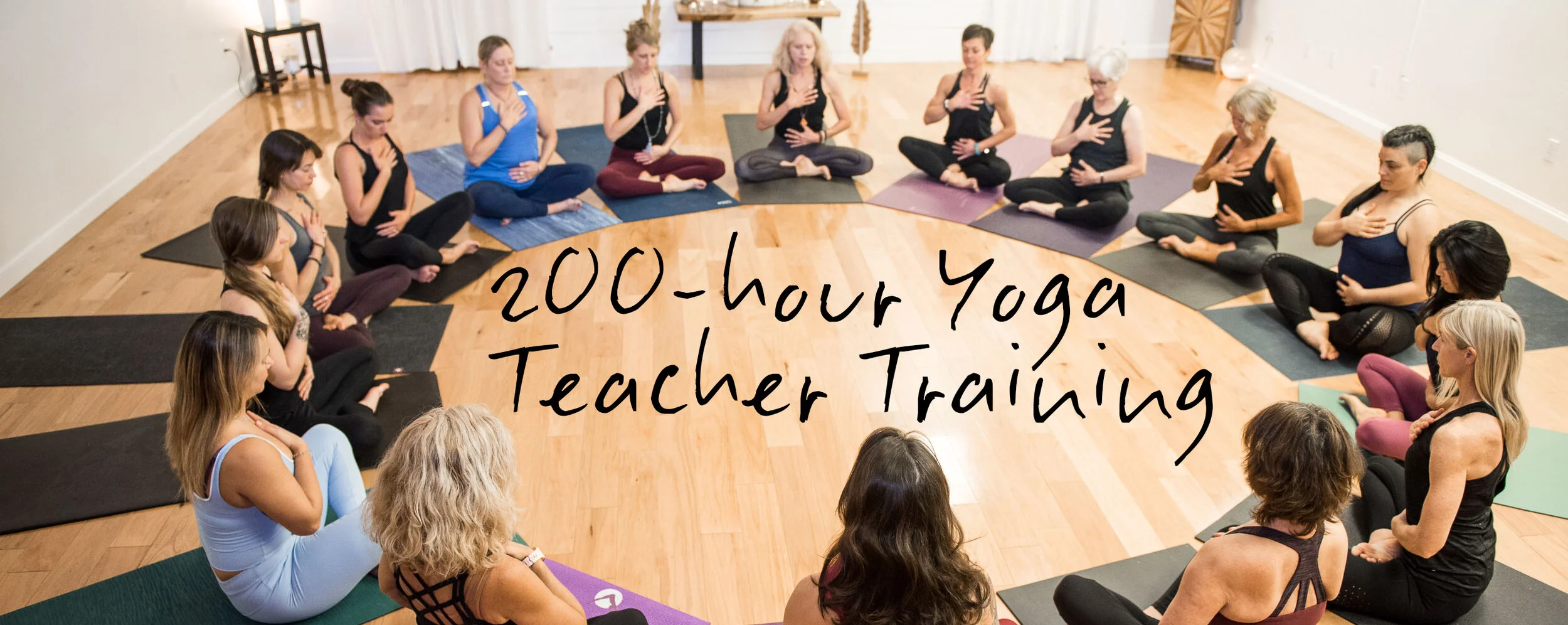
The most common and widely recognized certification is a 200-hour YTT. This is your foundational training, covering the essentials. Many studios and organizations offer these programs, and they come in all shapes and sizes. Some are intensive, happening over a few weeks, while others are more spread out, meeting on weekends for several months. There are even online options, which can be a game-changer for those with busy schedules or who live far from a studio.
When you’re browsing programs, look for one that aligns with your personal yoga practice and values. Do you gravitate towards a more dynamic Vinyasa style, or a slower, more meditative Hatha? Are you drawn to a traditional lineage, or a more modern, inclusive approach? Read reviews, talk to past graduates, and get a feel for the instructors.

What to Expect in a 200-Hour YTT
So, what exactly will you be learning for those 200 hours? It’s a rich tapestry of knowledge:
- Asana Breakdown: You'll go beyond just knowing how to do the poses. You'll learn proper alignment, modifications for different bodies, common misalignments, and the therapeutic benefits of each posture. Think of it as becoming a pose detective!
- Anatomy and Physiology: Don't let this scare you! It's not about becoming a doctor, but about understanding how the human body moves and functions. This knowledge is crucial for keeping your students safe and helping them understand their own bodies better. You’ll learn about bones, muscles, joints, and how they all work together in a pose.
- Pranayama: This is the science of breath control. You'll learn various breathing techniques and their impact on the mind and body. Ever noticed how a deep inhale can calm you down, or a sharp exhale can energize you? Pranayama is the formal study of that magic.
- Yoga Philosophy and History: This is where the roots of yoga are explored. You’ll delve into ancient texts like the Yoga Sutras of Patanjali and learn about the ethical principles (the Yamas and Niyamas) that can guide your life on and off the mat. It’s like learning the origin story of your favorite superhero!
- Meditation Techniques: You’ll explore different meditation practices, learning how to guide yourself and others into stillness.
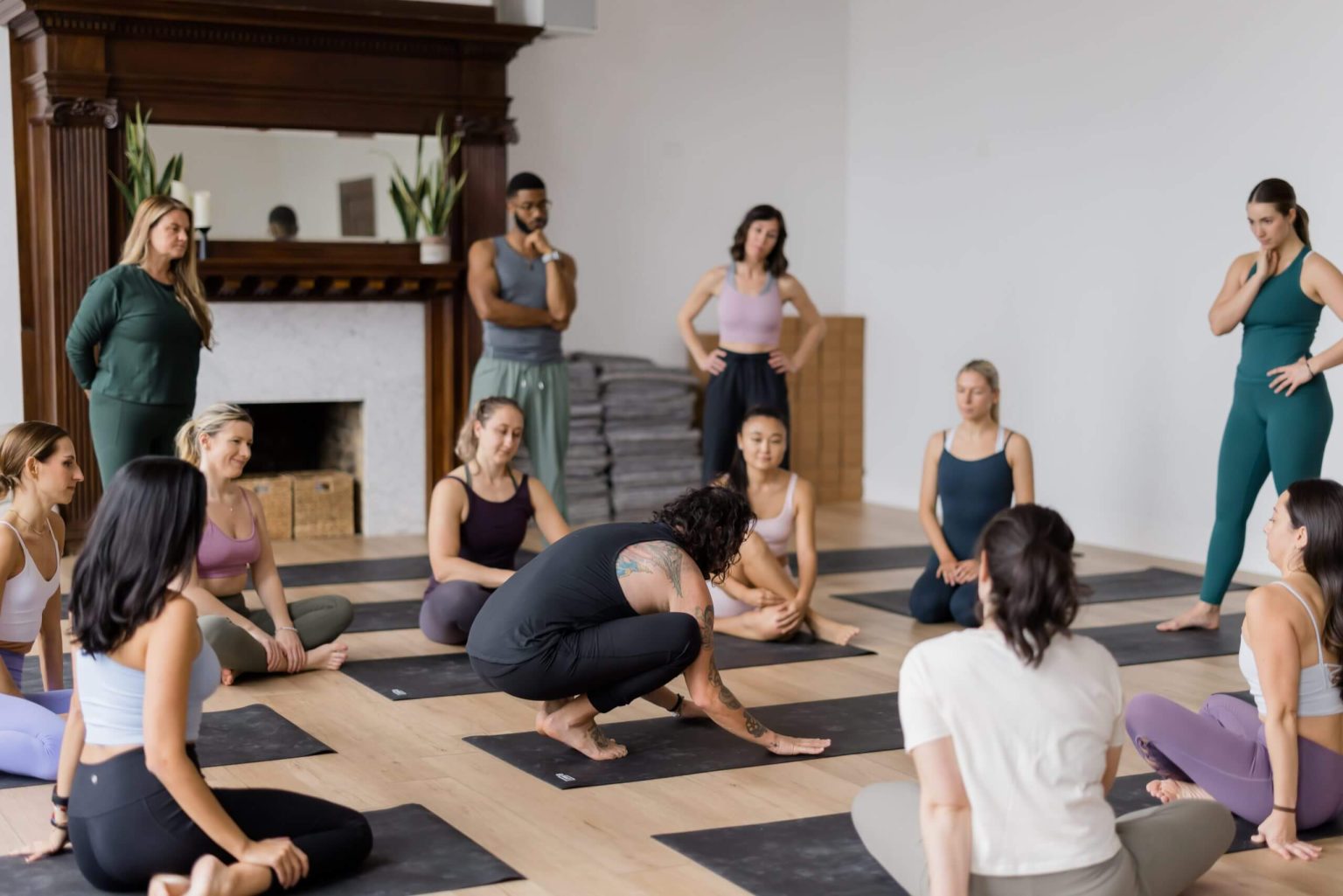
- Teaching Methodology: This is where you learn the how of teaching. You’ll practice cueing, sequencing classes, creating a welcoming environment, and developing your own teaching voice. You’ll spend a lot of time practicing teaching to your peers, which is incredibly valuable (and often hilarious!).
- Ethics and Professionalism: Understanding your role as a teacher, setting boundaries, and creating an inclusive space are all part of this.
A fun fact: the term 'yoga' itself comes from the Sanskrit root 'yuj,' meaning 'to unite' or 'to yoke.' So, in essence, yoga is about uniting the mind, body, and spirit. Pretty profound, right?
Beyond the 200-Hour: The Lifelong Journey
Completing your 200-hour YTT is a massive accomplishment! It’s your stepping stone into the world of teaching. But here’s the beautiful truth: yoga is a lifelong practice, and so is teaching it. The learning never really stops.
Many teachers go on to complete 300-hour or even 500-hour YTT programs. These advanced trainings allow you to specialize in areas like:
- Restorative Yoga: Focusing on deep relaxation and healing.
- Prenatal Yoga: Supporting expectant mothers.
- Children’s Yoga: Making yoga fun and accessible for kids.
- Yin Yoga: Holding poses for longer periods to target deep connective tissues.
- Trauma-Informed Yoga: Understanding how to create a safe and empowering space for individuals who have experienced trauma.
Don't feel pressured to rush into these. Your 200-hour training will give you a solid foundation. The best way to figure out what you want to specialize in is to teach! See what resonates with you and your students.
Think of it like choosing a favorite flavor of ice cream. You start with the basics (vanilla, chocolate), and then you discover the more adventurous options (pistachio, salted caramel). Each is wonderful in its own right.

Practical Tips for the Aspiring Teacher
Alright, let's get down to the practical stuff. How do you make this dream a reality?
Find Your Tribe
Connect with other yoga teachers. Attend their classes, ask questions, and learn from their experiences. The yoga community is generally very supportive. It’s like joining a really chill, inspiring book club where everyone’s reading the same life-changing manual.
Practice, Practice, Practice
This might seem obvious, but it’s paramount. You can’t teach what you don’t embody. Continue your own personal practice diligently. Explore different styles, different teachers, and different approaches. Your mat is your laboratory.
Start Small
Once you're trained, don't expect to be teaching massive sold-out classes overnight. Offer to lead a free class for friends, a community group, or a local charity. This is invaluable experience for building confidence and refining your teaching style.
Perhaps you can even offer a "gentle yoga for gardeners" class or a "stress relief for writers" session. Get creative with your niche!
Invest in Your Education
Beyond formal training, consider workshops, retreats, and reading. There are incredible books on anatomy, philosophy, and sequencing. Dive deep into the aspects that intrigue you the most. Think of it as your ongoing yoga education, like subscribing to your favorite mindfulness magazine.
Learn to Listen
This is a huge one. Listen to your students. Listen to their bodies. Listen to their feedback. Be open to adjusting your approach. Your students will teach you as much as you teach them.
Embrace Imperfection
You will forget cues. You will sometimes trip over your words. You might even accidentally say "chaturanga" when you mean "downward-facing dog." And you know what? It’s okay! Your students are there to practice yoga, not to judge your flawless delivery. Authenticity and a genuine desire to help are far more important than perfection.
A fun little tidbit: the ancient yogis didn't have fancy yoga mats or sleek leggings. They practiced on animal skins or sometimes even just the bare earth! The essence of the practice is what truly matters.
A Cultural Tapestry: Yoga's Global Reach
It’s fascinating to consider how yoga, originating in ancient India thousands of years ago, has blossomed into a global phenomenon. From the bustling studios of New York to the serene beaches of Bali, yoga offers a universal language of movement, breath, and mindfulness.
When you teach, you become a part of this rich, ongoing tapestry. You're not just sharing a set of poses; you're connecting with an ancient tradition and contributing to its modern evolution. It's a privilege and a responsibility.
Think about how different cultures have adapted and integrated yoga into their lives. In Japan, you might find 'cat yoga' where felines roam freely during the practice. In Sweden, there's a growing trend of 'forest yoga' amidst the trees. The adaptability of yoga is one of its greatest strengths.
The Joy of Teaching
Ultimately, teaching yoga is about sharing a gift. It's about creating space for others to connect with themselves, to find strength, flexibility, and peace. It's about witnessing transformations, big and small.
Imagine guiding a class through a sun salutation, feeling the collective energy rise. Imagine seeing a student's face light up with understanding as they finally grasp a challenging pose. Imagine the quiet gratitude at the end of a savasana, a shared moment of profound relaxation.
It’s challenging, yes. It requires dedication, patience, and a whole lot of heart. But the rewards are immeasurable. It’s a path that nourishes the soul, not just for the teacher, but for everyone who steps onto the mat.
Remember, you don’t need to be the most flexible person in the room to be a great yoga teacher. Your passion, your willingness to learn, and your genuine desire to serve others are what truly matter. You’re not just a teacher; you’re a facilitator of well-being, a guide on the path to greater self-awareness.
A Little Reflection for Your Day
As you contemplate this path, take a moment to notice the rhythm of your own breath. Feel the gentle rise and fall of your chest. This simple act, this connection to your own life force, is the very essence of what you’ll be sharing. Whether you end up teaching in a grand studio or a small community center, remember that the most profound teachings often start with the simplest of practices. So, breathe, be present, and trust that the journey of becoming a yoga teacher is as much about your own unfolding as it is about guiding others.