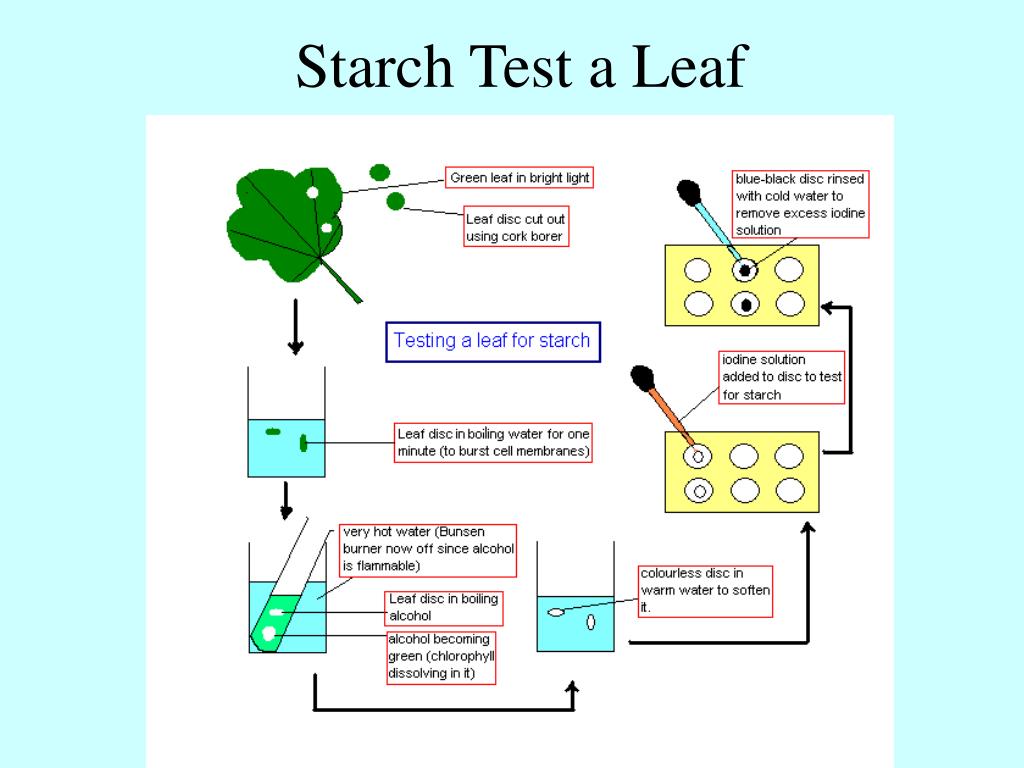
How To Test A Plant For Starch
Get ready for a little bit of kitchen science magic, my friends! Have you ever looked at a potato and thought, "Wow, that thing is basically a tiny, lumpy energy bar"? Or maybe you've admired a mighty oak tree and wondered, "Where does all that strength come from?" Well, buckle up, because we're about to dive into the secret world of plants and discover the hidden treasure they're hoarding: starch!
Think of starch as nature's emergency snack stash. Plants are brilliant little survivalists, and starch is their way of packing away energy for a rainy day, or for when they need to sprout a new leaf or grow a magnificent flower. It’s like their personal pantry, filled with delicious, plant-powered goodness. And guess what? You can be a plant detective and find this secret stash yourself!
Forget complicated lab coats and bubbling beakers. We're going to do this with things you probably already have lurking in your kitchen drawers. It's so easy, you might even feel like a mad scientist, but a very friendly, plant-loving one. So, let's get our detective hats on and embark on this thrilling starch-hunting expedition!
Must Read
The Starch Safari: What You'll Need
First things first, we need our trusty tools for this botanical investigation. Don't worry, no need to raid a chemistry set. We're keeping it delightfully simple.
You'll need a few basic items. Think of this as your plant-detective starter pack. It’s so accessible, you’ll wonder why you haven’t tried it sooner.
Our superstar ingredient is something called iodine. You might have a little bottle of this in your medicine cabinet for cuts and scrapes. If not, a quick trip to the pharmacy or even some grocery stores will get you what you need. It's the magic potion that will reveal our starchy secrets.
You'll also need a couple of plain white plates or shallow dishes. These are our tiny, personal stages for the starch reveal. Clear glass ones are great for visual impact, but any white ones will do just fine.

And of course, we need our plant suspects! Grab a variety of plant parts to test. Think a slice of potato, a bit of carrot, a leaf from your favorite houseplant, or even a fallen leaf from outside. The more, the merrier in our starch party!
The Starch Revelation: Let the Fun Begin!
Alright, the moment of truth is nearly upon us! Prepare to be amazed by the simple, yet spectacular, changes that are about to unfold. This is where the real excitement kicks in.
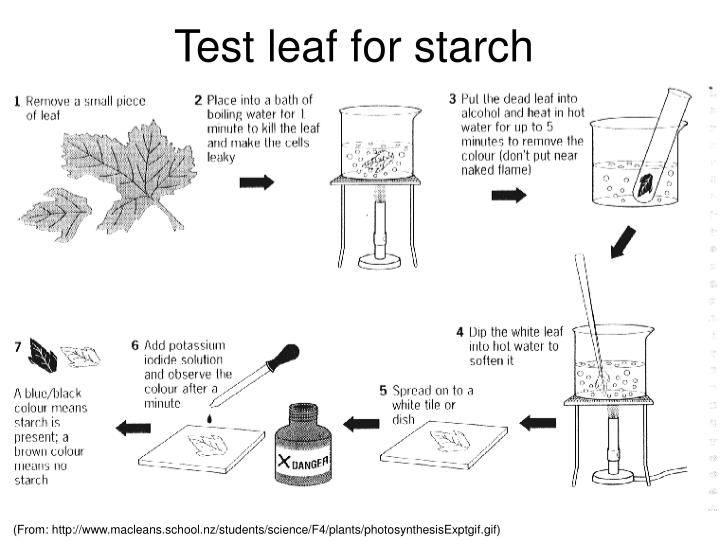
Take one of your plant samples, let's say that humble potato slice. Place it on one of your white plates. Now, do the same for another plant sample, perhaps a leaf. Spread them out so they have their own little spotlight.
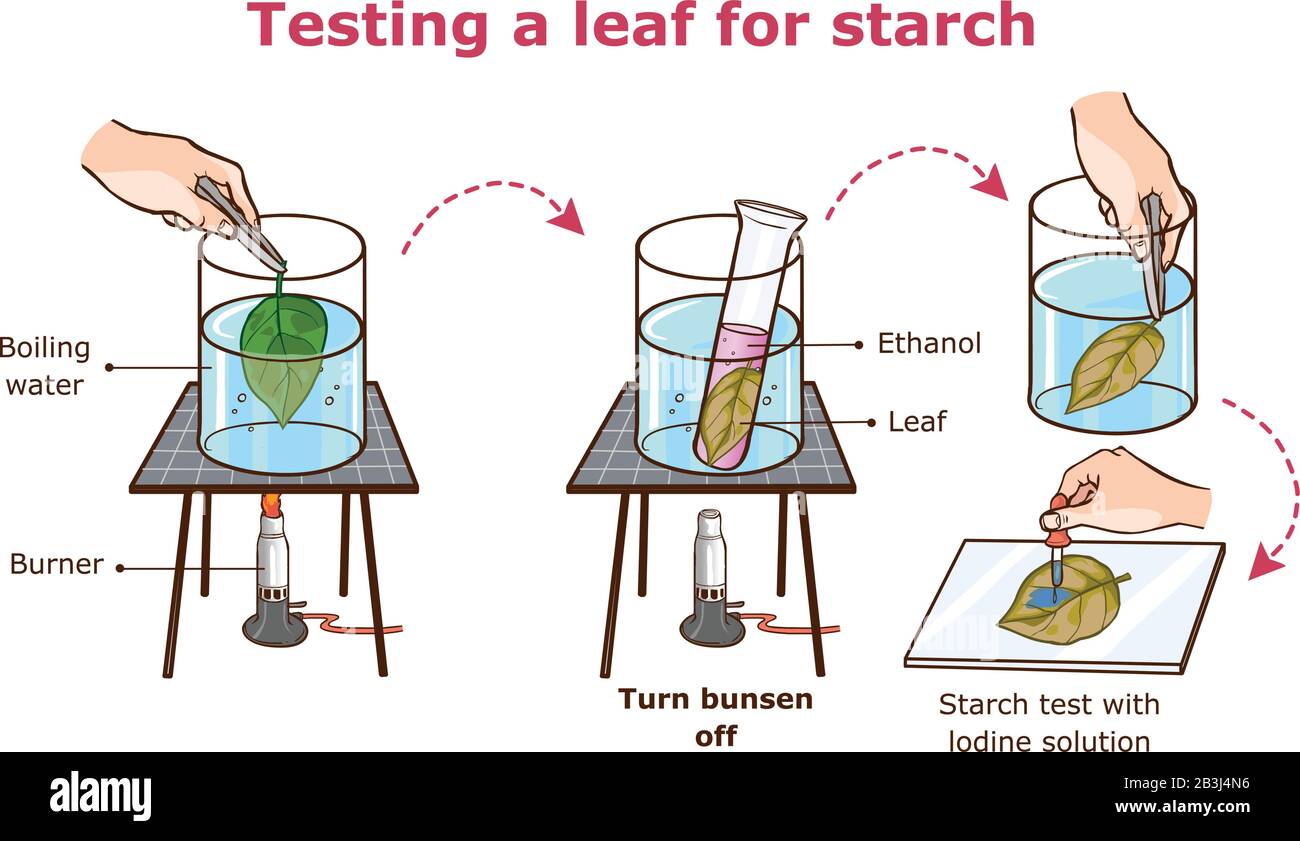
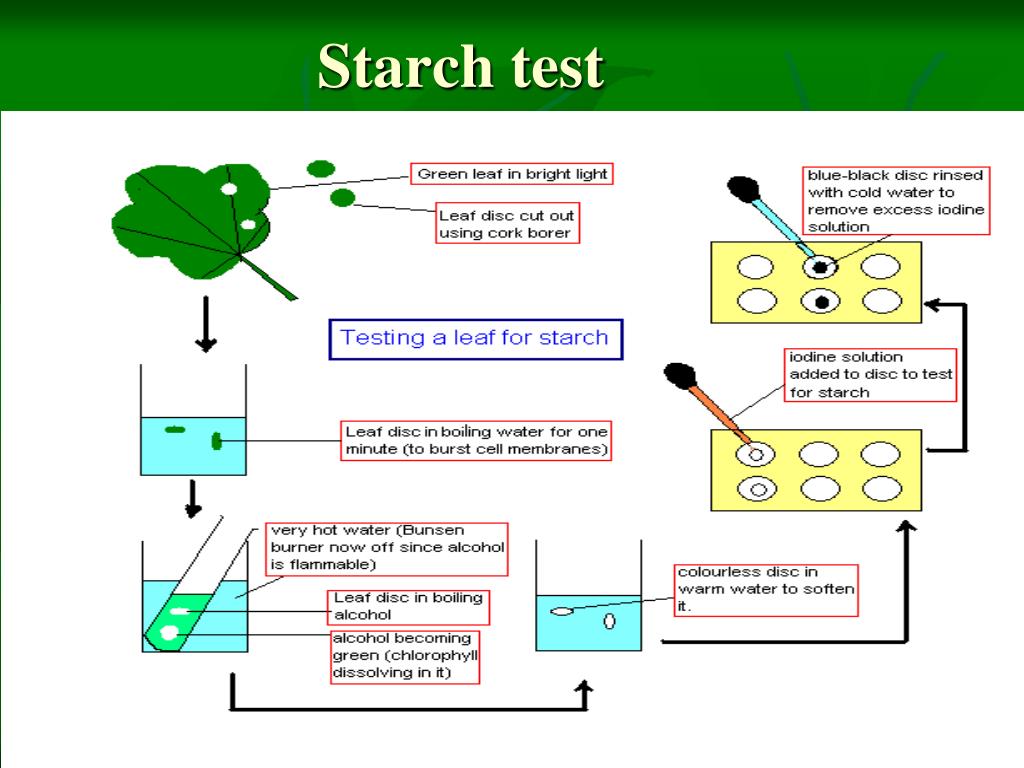
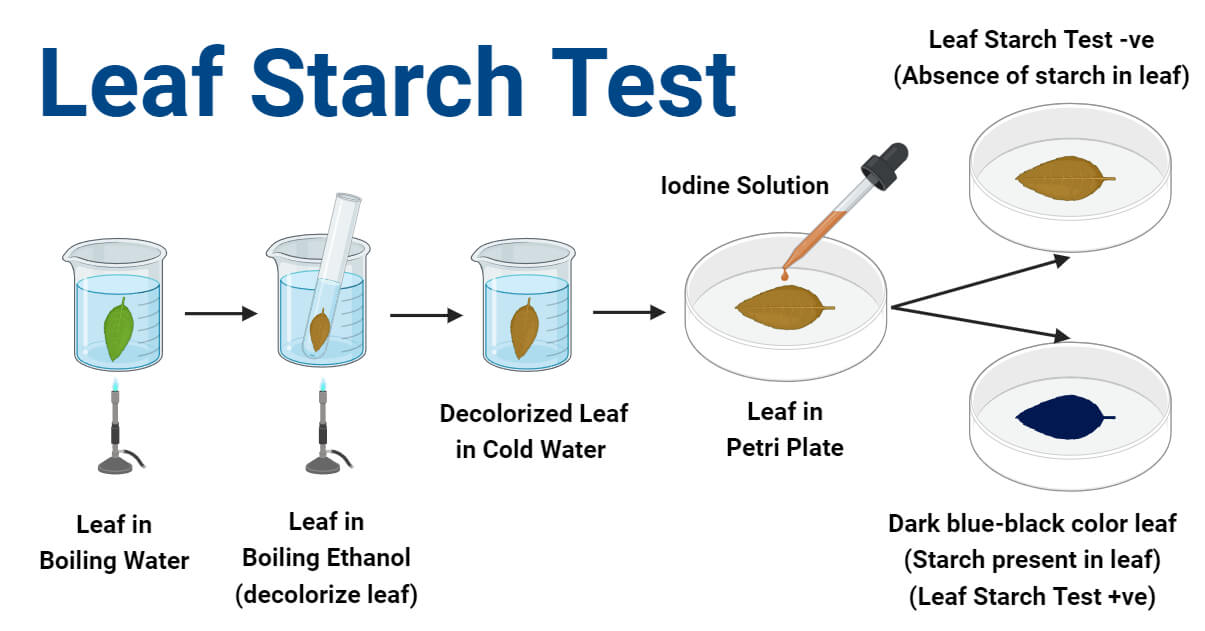
Now, for the grand reveal! Carefully add a few drops of that iodine solution onto each plant sample. Just a gentle drizzle will do the trick. Imagine you’re sprinkling a bit of fairy dust, but with a scientific twist!
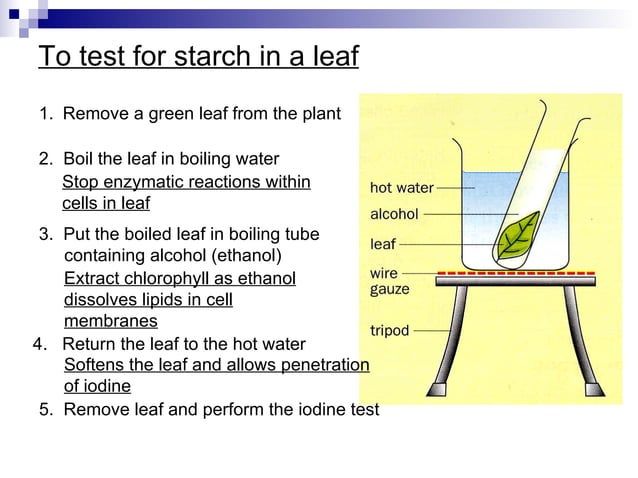
And then, you wait. Patience, my eager detectives! Watch closely. This is where the magic happens, and it happens pretty quickly. You'll start to see a transformation, a chemical confession from our plant friends.
Decoding the Color Clues
So, what exactly are we looking for? This is where the iodine plays its starring role. It's a color-changing chameleon, and it has a special affinity for starch.
If your plant sample has a lot of starch hiding within it, the iodine will do something quite dramatic. It will turn a deep, beautiful, and sometimes alarming shade of blue-black. It's like the plant is shouting, "Yep, I've got starch galore in here!"
Think of that potato. Potatoes are practically powerhouses of starch, designed to fuel those little sprouts. So, when you add the iodine to a potato, you'll likely see a very, very strong blue-black color. It's a starch party happening right on your plate!
Now, what about a plant part that doesn't have much starch? Imagine a delicate leaf. Leaves are busy making sugar through photosynthesis, but they don’t usually store a ton of starch for long periods.
When you add iodine to a sample with little to no starch, the color will remain pretty much the same as the original iodine. It might be a light yellowish-brown, depending on your solution. No dramatic color change, no starch confetti. It’s a subtle nod, a gentle "nope, not much here."
Plant Detectives Unite!
This little experiment is a fantastic way to explore the different parts of plants and understand how they store energy. It's like having a secret decoder ring for the plant world. You can test all sorts of things!
Try a piece of bread. Bread is made from grains, and grains are full of starch! You should see a lovely blue-black hue. What about a slice of apple? Apples are mostly sugar, so you might see less of a starch reaction.
This is also a great way to teach kids about science in a hands-on, engaging way. They'll love the color changes and feel like true explorers. Imagine their delight as they uncover the hidden starch in their favorite foods!
You can even get a bit more adventurous. Try different parts of the same plant. Does the root have more starch than the stem? What about the seeds? The possibilities are as vast as the plant kingdom itself.
A World of Starchy Wonders
So there you have it, a super simple, super fun way to test for starch. You've just become a plant starch sleuth! It’s a little bit of science, a whole lot of discovery, and definitely something to brag about at your next gathering.
Next time you're munching on a carrot or admiring a flower, you'll have a newfound appreciation for the amazing ways plants store their energy. They're not just pretty faces; they're brilliant little biochemical factories! And now, you know their secret.
Embrace your inner plant detective. Keep those white plates handy and that bottle of iodine within reach. The world of starchy wonders awaits your curious gaze. Happy testing, and may your discoveries be ever so blue-black!