How To Tell If Your Dog Is Cold

Ah, dogs! Those furry bundles of joy who bring endless wagging tails and unconditional love into our lives. We adore their boundless energy, their goofy antics, and the way they somehow always know when we need a good cuddle. And when the temperature dips, our concern for their well-being often mirrors our own. Just like we reach for a cozy sweater, we want to ensure our canine companions are just as snug and comfortable. Understanding if your dog is feeling the chill is a vital part of being a responsible and loving pet parent, ensuring their health and happiness during the colder months.
Being attuned to your dog's comfort level isn't just about preventing them from shivering; it's about safeguarding their overall health. Hypothermia and frostbite are real concerns for dogs, especially those with short coats, young puppies, or senior dogs with compromised immune systems. A cold dog can become more susceptible to illnesses like pneumonia or arthritis flare-ups. Knowing the signs allows you to intervene early, providing warmth and comfort before any serious issues arise. It’s about proactive care, ensuring those happy zoomies can continue, even when it's frosty outside.
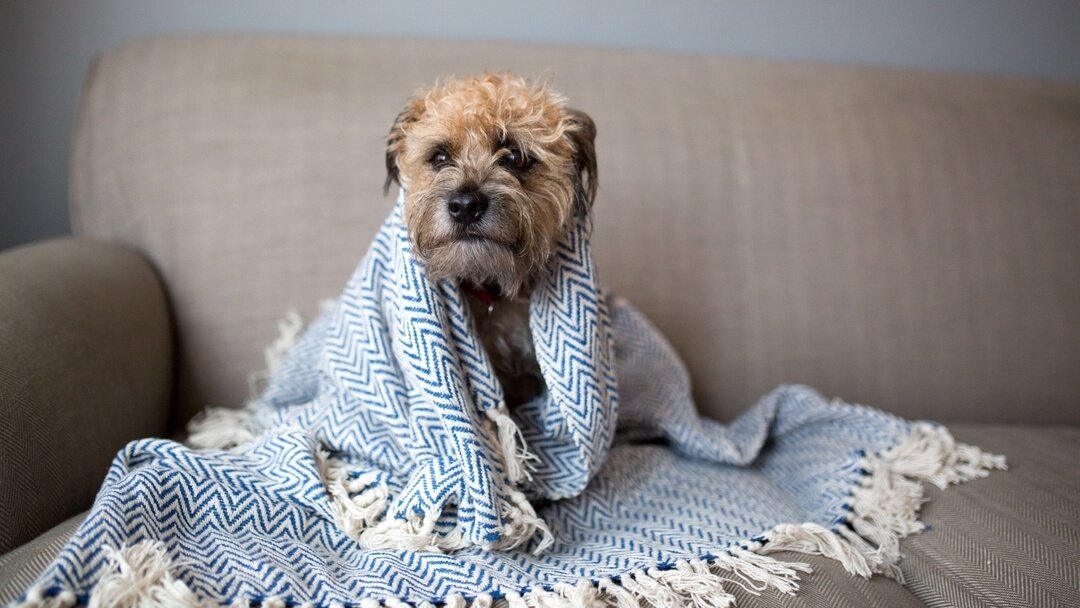
So, how do you become a canine thermostat expert? It’s all about observation, paying attention to their body language and subtle cues. The most obvious sign, of course, is shivering. If your dog is trembling uncontrollably, it’s a clear indicator they’re feeling the cold. But there are other, less dramatic signs to look out for. Are they becoming unusually lethargic or reluctant to play outdoors? Do they seem to be tucking their tail tightly between their legs, or perhaps holding a paw up? These are all signs of discomfort and a potential struggle against the cold. You might also notice them seeking out warmer spots, like near a fireplace or under blankets, more than usual. Some dogs might even whine or bark more frequently when they're cold.
Must Read
To make these cold-weather observations more effective, let’s talk practicalities. Temperature is key. While some breeds are built for the cold, most dogs benefit from protection when temperatures consistently drop below 45°F (7°C). Consider your dog's individual characteristics – their coat length, thickness, age, and overall health. A quick touch can also tell you a lot. If their ears or paws feel noticeably cold to the touch, it’s a strong signal. When you're out for walks, keep them short and sweet in extreme cold. Look for areas that might offer some protection from the wind and elements. And when you get back inside, make sure they have a warm, dry place to rest and recover. Think of it as a team effort: you’re their human shield against the winter blues!
Enjoying winter with your dog doesn't have to mean sacrificing comfort. With a little awareness and some simple precautions, you can ensure your furry friend stays toasty and happy, no matter the season. So, keep those keen eyes peeled, and remember, a warm dog is a happy dog!