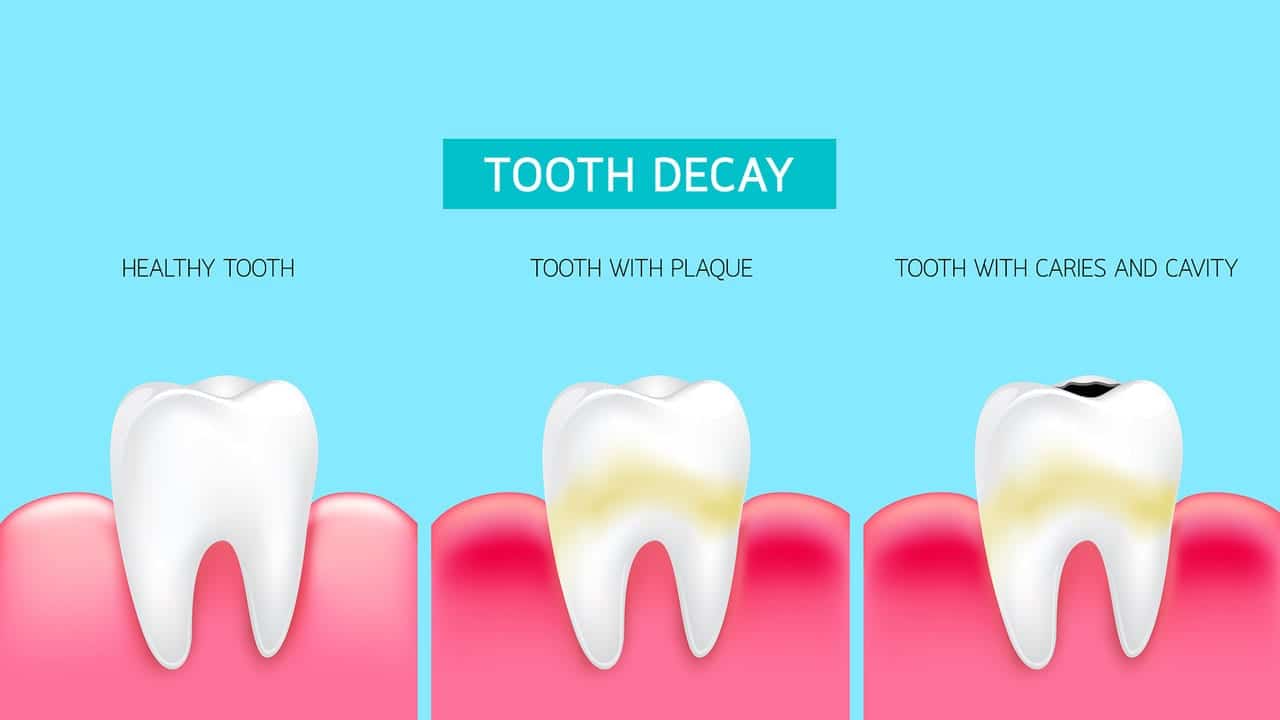
How To Tell If Tooth Is Dying
Hey there, friend! So, you're wondering if one of your precious pearly whites is giving up the ghost? Don't panic! Teeth aren't exactly known for their dramatic exits like a telenovela star, but sometimes they do start to… well, fade. Think of this as your friendly, no-scare guide to figuring out what’s up with that tooth. We’ll keep it light, and hopefully, by the end, you’ll have a clearer picture and a smile still bright!
First off, let's talk about why a tooth might decide it’s had enough. It’s usually because the nerve inside, the little life source of your tooth, is unhappy. And when that nerve is unhappy, it sends out some pretty clear signals. It's like your tooth is trying to whisper, then maybe shout, then finally resort to interpretive dance to get your attention. We're here to help you decode those signals!
So, what are the tell-tale signs that your tooth might be… a little bit deceased? Let’s dive in!
Must Read
The Pain Patrol: When Your Tooth Starts Throwing a Tantrum
Okay, so "dying tooth" might sound a bit grim, but often it’s about the nerve inside the tooth getting inflamed or infected. And inflammation and infection are not fun guests. They like to throw loud, obnoxious parties in your mouth, and you're the unwilling host.
The Sudden Onset of Intense Pain
This is often the biggie. You might be happily munching on a sandwich, or maybe just existing peacefully, and BAM! Suddenly, you’re hit with a toothache that feels like it’s powered by a tiny, angry badger. It’s not just a dull ache; it’s a sharp, throbbing, can’t-think-straight kind of pain. This is your tooth’s SOS signal, and it’s definitely one to pay attention to.
If this pain comes out of nowhere and is super intense, it’s a strong clue that something is not right with the nerve inside. It's like your tooth is screaming, "Help me, Obi-Wan Kenobi, you're my only hope!"
Pain That Wakes You Up at Night
Ah, the nocturnal toothache. If your tooth decides it’s prime time for pain after you’ve been horizontal for a while, that’s another major red flag. Gravity can play a role here, but often, pain that intensifies when lying down is a sign of pressure building up inside the tooth. Think of it as your tooth’s way of saying, "No sleep for the wicked… or the tooth with a dying nerve!"
This kind of persistent, disruptive pain is not normal and should be investigated. Your pillow is for dreaming, not for clenching your jaw in agony.
Sensitivity to Hot and Cold That Lingers
We’ve all had that moment where you sip iced coffee and feel a little zing. That’s normal sensitivity. But if you drink something hot or cold, and the pain doesn’t just zing but lingers for several minutes afterwards, that’s your tooth’s way of being dramatic. It’s not just a fleeting annoyance; it’s a prolonged protest.
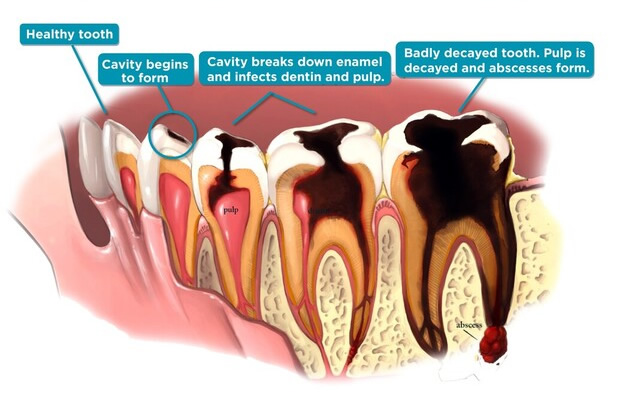
This lingering sensitivity suggests that the nerve inside is either inflamed or on its way out. The extreme temperatures are basically poking the bear, and the bear is not happy. Imagine touching a hot stove and your hand still burning an hour later – that’s the kind of persistent signal we're talking about.
Sensitivity to Sweet Foods
Sometimes, it’s not the extreme temperatures that set your tooth off, but something as innocent as a piece of chocolate or a spoonful of jam. If sweet treats are causing a sharp, jabbing pain that disappears when the sweetness is gone, it could be a sign of decay reaching closer to the nerve, or a nerve that’s becoming extra sensitive.
It’s like your tooth is saying, "I can handle the cold, I can handle the hot, but sugar? That’s a bridge too far for my current mental state!"
The Visual Clues: What Your Tooth Looks Like
Sometimes, your tooth will give you a visual heads-up. It's not always about the pain; sometimes, it’s about what you can see (or what your dentist can see).
Discoloration: The Greyish or Darkening Hue
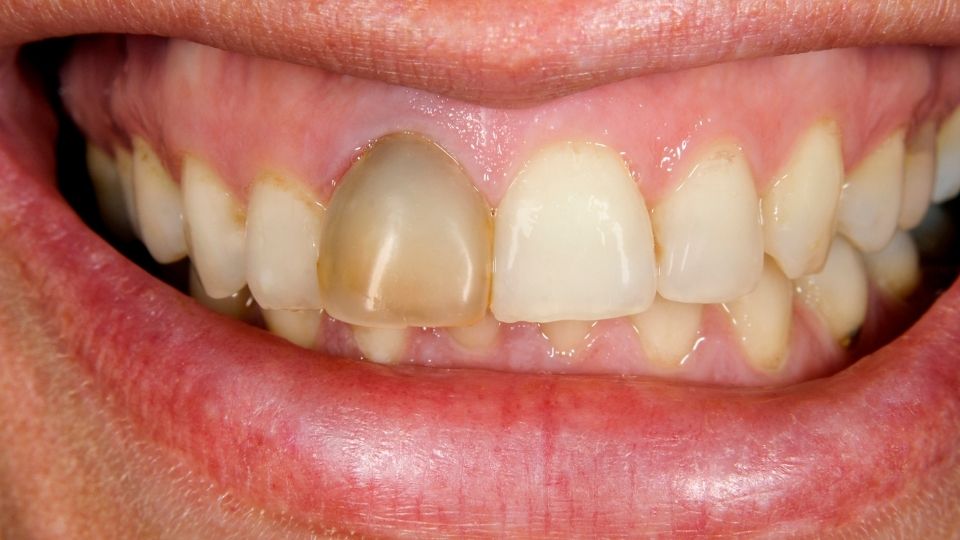
A healthy tooth usually has a nice, pearly white or slightly off-white color. If you notice one of your teeth starting to look a bit… off, like it’s turning grey, brown, or even blackish, that’s a significant warning sign. This discoloration often indicates that the blood supply to the tooth’s nerve has been cut off or is severely compromised.
Think of it like a bruise on your skin. When blood flow is disrupted, the color changes. A dying tooth is essentially a bruise on the inside. It’s definitely a sign that your tooth is not getting the love it needs from its internal plumbing!

Swelling in the Gums Around the Tooth
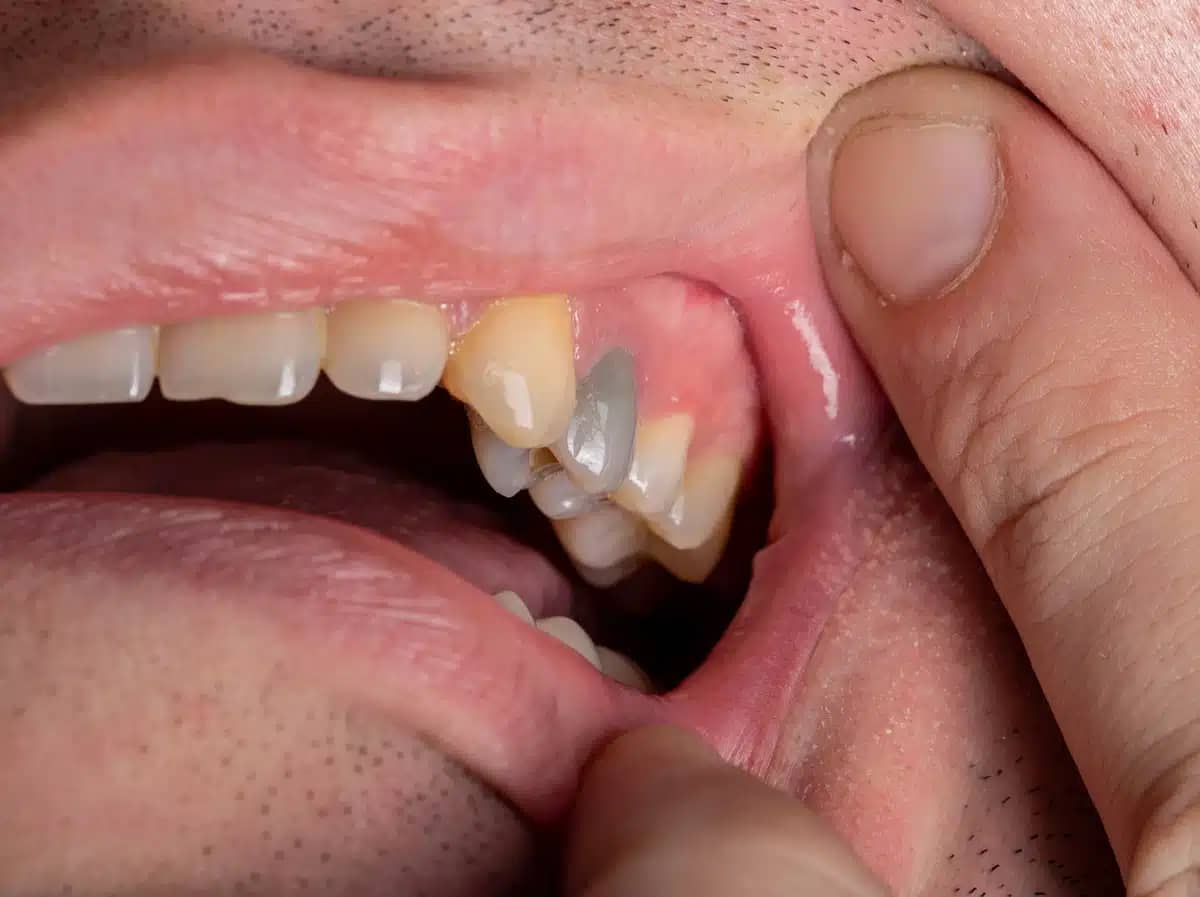
If the tooth’s nerve is infected or dying, your body will try to fight it. Sometimes, this fight manifests as swelling in the gum tissue right around the affected tooth. The gum might look red, puffy, and even tender to the touch. You might also notice a little bump, sometimes called a gum boil or parulis, which is a small pimple-like swelling on the gum.
This little bump is like a tiny volcano erupting, and it’s your body’s way of trying to drain the infection or pus that’s built up. It’s definitely not a cute accessory for your gums!
A Pimple or Boil on the Gums
As mentioned, that little pimple is a big clue. It's often linked to an abscess, which is a pocket of pus formed by an infection. This pus needs an escape route, and the gum boil is it. It’s not the most pleasant thing to look at, and it’s definitely a sign that you need to see a dentist, stat!
It’s like your tooth has a secret, and the gum boil is the secret trying to escape. And trust me, you want to deal with that secret before it causes a full-blown dental disaster.
The Subtle Signals: Things You Might Not Notice at First
Sometimes, the signs are a little more understated. They’re the whispers before the shouts, the gentle nudges before the full-on alarm bells.
A Bad Taste in Your Mouth
If you’re suddenly dealing with a persistent bad taste in your mouth, especially if it’s a foul, metallic, or sour taste, and good brushing and flossing aren't helping, it could be a sign of infection. The dying nerve or an abscess can release unpleasant byproducts that make your mouth taste like it’s been visited by a horde of tiny, unwashed goblins.
![Dead Tooth: Causes and Symptoms [+4 Treatment Tips]](https://pvpd.com/wp-content/uploads/2025/02/Dead-Tooth-Causes-and-Symptoms-4-Treatment-Tips.jpg)
It's like your mouth is telling you, "Something is seriously rank in here, and it's not last night's garlic bread!"
Chipped or Cracked Tooth (That You Don't Remember Causing!)
Sometimes, a tooth that's on its way out can become brittle. It might crack or chip without any obvious trauma. This can happen because the internal structure of the tooth is compromised due to the lack of a healthy nerve. It’s like an old, neglected house – the foundation is weak, and even a slight tremor can cause damage.
If you find a piece of your tooth or notice a new crack and can’t recall biting down on anything hard, it’s worth getting it checked out. Your tooth might be trying to tell you it’s fragile.
Pain When You Bite Down
This one’s a bit tricky because any toothache can make biting down uncomfortable. But if you experience a specific type of pain when you bite down – like a sudden, sharp jab, or a pressure that feels particularly bad – it could be related to the inflammation of the nerve inside. The pressure of biting can irritate the already stressed-out nerve.
It’s like stepping on a sensitive toe. You can walk on it, but it's going to be ouch with every step. Your tooth is saying, "Please don't make me do that again!"
So, What Do I Do If I Suspect My Tooth is Kicking the Bucket?
Okay, deep breaths! If you’re reading this and nodding along to a few of these symptoms, don’t go into full panic mode. The most important thing is to schedule an appointment with your dentist as soon as possible. Seriously. They’re the dental detectives, and they have the tools and knowledge to figure out exactly what’s going on.
Your dentist will likely perform an examination, ask you about your symptoms, and might take X-rays. These X-rays are super helpful because they can show the dentist the health of the bone around your tooth and any signs of infection or damage to the nerve.
Depending on what they find, they might recommend treatments like a root canal (which isn't as scary as it sounds, I promise!), a crown, or in more serious cases, extraction. But remember, these are all aimed at saving your smile and keeping you pain-free!
Think of your dentist as your tooth’s guardian angel. They’re there to help, not to judge your questionable late-night snack choices that might have led to this situation. 😉
The Silver Lining: Your Smile is Resilient!
Even if it turns out one of your teeth is indeed having a tough time, remember that modern dentistry is pretty amazing! Dentists have incredible ways to fix problems and restore your smile. A root canal can save a tooth that would have otherwise been lost, and a crown can protect and strengthen a weakened tooth.
So, while a dying tooth isn't exactly a party invitation, it’s a sign that it’s time to get some professional help. And with that help, you can often get your tooth back to being a happy, functioning member of your dental team. Your teeth work hard for you every single day – chewing, talking, smiling – they deserve a little TLC when they need it.
Don't let the fear of a little dental drama keep you from a healthy, happy smile. Reach out to your dentist, get it checked out, and know that you’re taking the best possible step for your overall health and well-being. And hey, think of it this way: you’re proactively investing in future delicious meals and even more reasons to grin. Now go forth and smile brightly, knowing you've got this!