How To Tell If Spinach Is Bad
Hey there, kitchen adventurers! Ever stare into your crisper drawer, a little green mountain of spinach staring back, and wonder... "Is this still my leafy green buddy, or has it gone rogue?" It's a question that plagues us all, right? It’s way more fun than, say, figuring out your taxes. We’re talking about the potential for slimy disaster versus a delicious, vibrant salad. It's a culinary thriller happening right in your fridge!
Think of it as a spinach detective mission. Your mission, should you choose to accept it, is to identify the tell-tale signs. And trust me, spinach is pretty good at giving them. No need for fancy gadgets, just your trusty senses. We’re going old school. Eye, nose, and maybe a tiny, cautious touch. It’s like playing a high-stakes game of "Pin the Tail on the Spoiled Spinach."
Let’s dive into the exciting world of spinach senescence. Ooh, fancy word, right? It just means the natural aging process. Even spinach has a clock ticking! And sometimes, that clock strikes midnight a little too soon. But don't worry, we're here to guide you through the twilight zone of wilting leaves.
Must Read
The Visual Clues: What Your Eyes Are Telling You
First up, the visual inspection. This is your primary defense. Your eyes are your spinach radar. What are you looking for? Well, anything that screams "I’m not fresh anymore!"
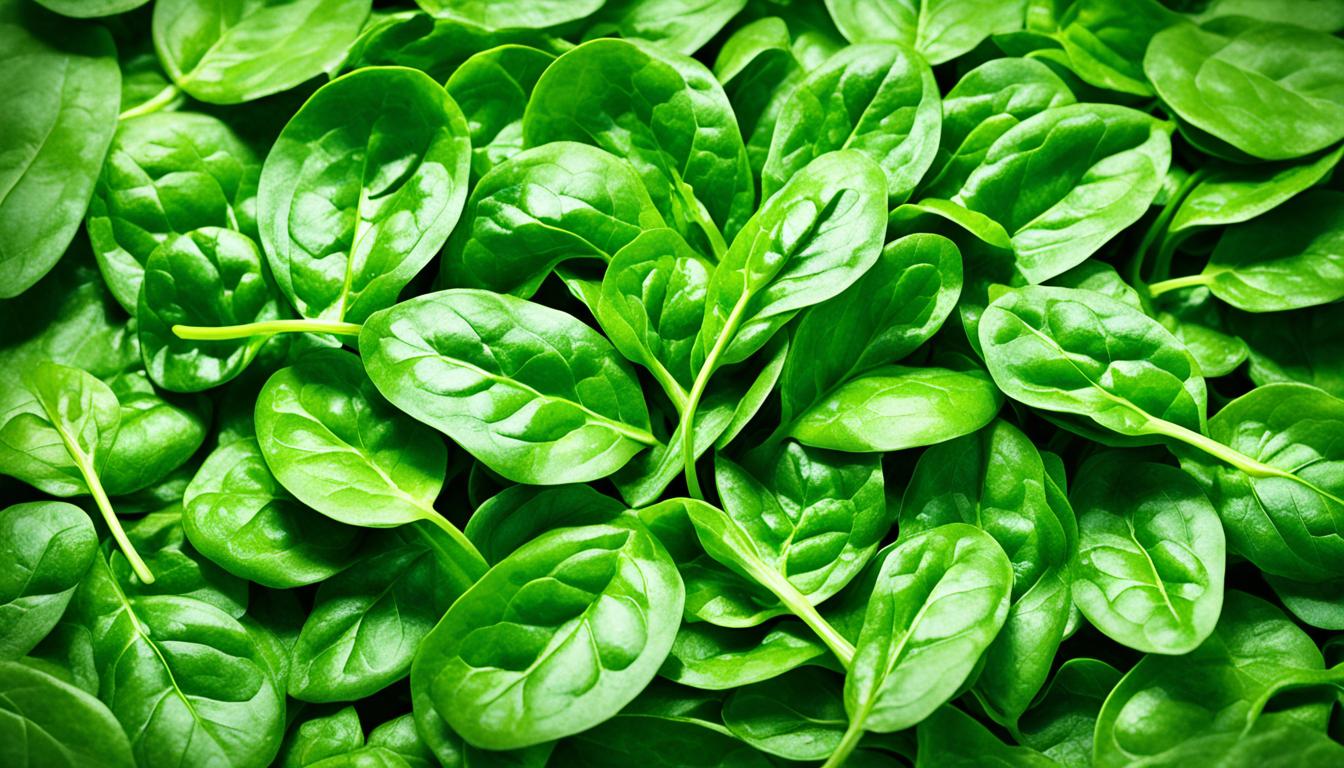
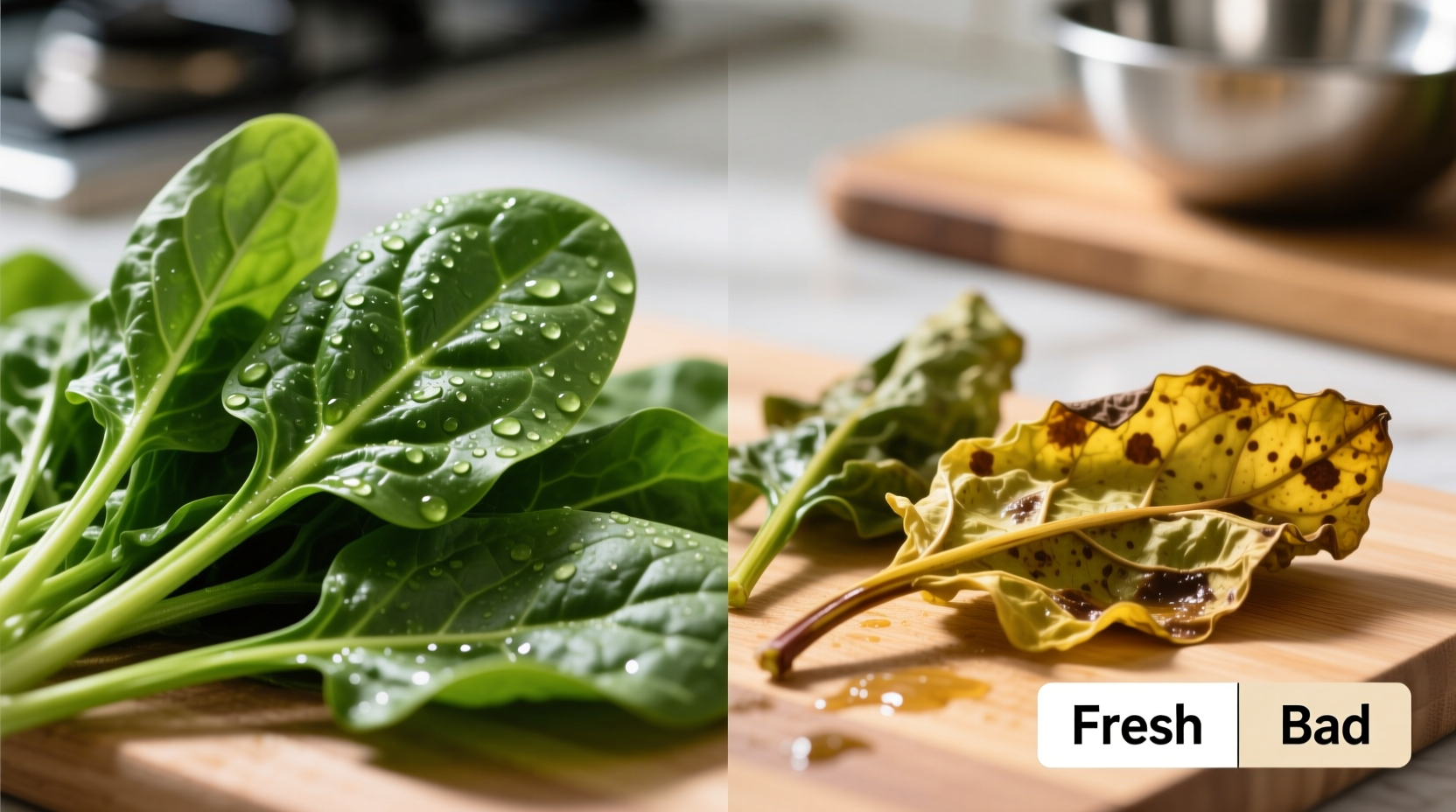
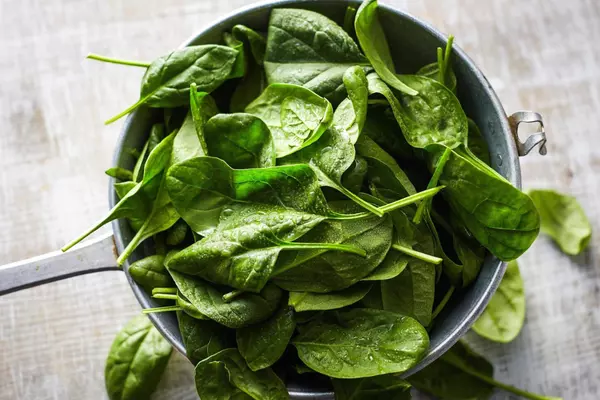
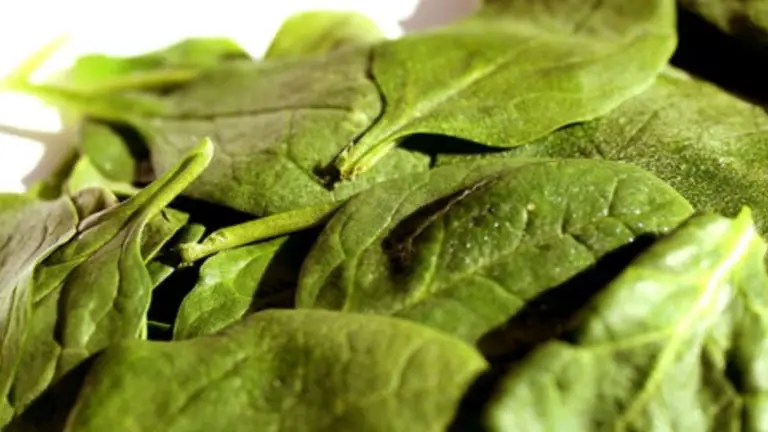
See those leaves? Are they still crisp and vibrant green? Fantastic! You’re likely in the clear. Think of that bright, almost electric green. That’s the Hulk of spinach – strong and ready for action. But if you’re seeing a dull, almost brownish hue creeping in, that’s a red flag. Or, well, a brown flag. Consider it a polite warning sign from your leafy greens.
Then there’s the texture. Are the leaves firm? Or are they looking a bit… sad and floppy? Like they’ve been through a very intense yoga class and are still recovering. Limpness is not a good sign. Imagine a perfectly crisp potato chip versus one that’s been left out overnight. Same principle, but with more chlorophyll.
And let's talk about those tiny little brown or black spots. We’re not talking about a few freckles. We mean significant, spreading splotches. These are the blemishes of the spinach world. They can indicate the beginnings of decay. It’s like spotting a tiny rust spot on a shiny new car. You might be able to ignore it for a bit, but it’s not ideal.
But here's where it gets really interesting. Have you ever noticed those little yellowing edges? It's like the spinach is saying, "I'm just going to start fading away now, thank you very much." Yellowing is a classic sign of aging. It’s the chlorophyll breaking down. Think of it as the spinach’s way of giving you a heads-up that its time in the sun (or fridge light) is coming to an end.
Now, let’s get to the big one. The thing that makes even the bravest chef pause. Sliminess. If your spinach feels… well, slimy, it’s time to say goodbye. This is the ultimate spoilage signal. It’s like a slippery slope to a culinary catastrophe. Sliminess usually means bacteria have started having a party on your leaves, and that's a party you definitely don't want to crash.
The Olfactory Test: Trust Your Nose!
Okay, so your eyes have given you some intel. Now, it's time to engage your secret weapon: your nose. Because sometimes, things smell off before they look truly terrible. It’s like a pre-emptive strike against bad food.
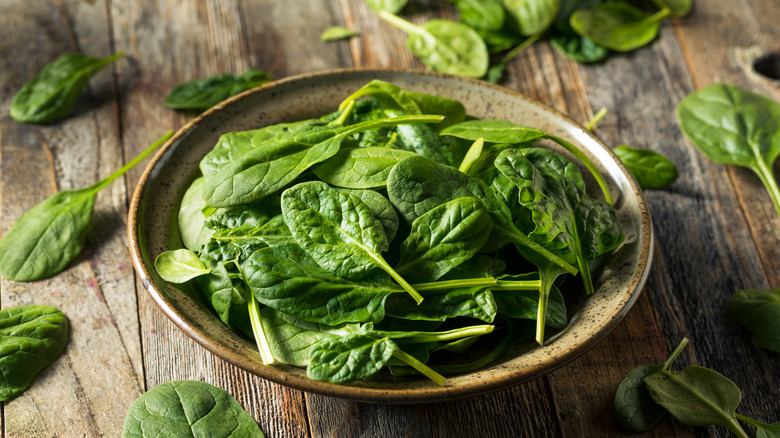
Fresh spinach has a wonderfully subtle, earthy smell. It’s clean and green. Like a fresh forest floor after a light rain. It’s refreshing. If you sniff your spinach and it smells… ammonia-like? Or just generally unpleasant? That’s a strong indicator that it’s past its prime. Ammonia is a big no-no in the world of fresh produce. It’s the olfactory equivalent of a flashing neon sign that says, "Danger! Do Not Consume!"
Sometimes, spoiled spinach can develop a slightly sour or fermented smell. It’s not the pleasant tang of yogurt; it’s more like something left out in the sun too long. It's a whiff of regret. If that’s the aroma wafting from your bag, it's time to let it go. No amount of salad dressing can mask that smell.
It’s important to remember that smell is subjective. What smells off to one person might be less noticeable to another. But if it’s genuinely making you wrinkle your nose, trust your gut (and your nostrils!).
The Tactile Sensation: A Gentle Touch
We touched on sliminess under visual clues, but let’s dedicate a moment to the feel of it. Sometimes, you need to get a little hands-on. Gently squeeze a leaf. Does it feel… mushy? Like it’s lost all its structural integrity? That’s another sign of decay. Think of a perfectly ripe avocado versus one that's turned brown and mushy inside. Spinach can do the same thing.
Firmness is key. Even slightly wilted spinach can still be salvaged for cooking, but truly mushy leaves are a lost cause. They’re the spinach equivalent of a deflated balloon. No saving that party.
Why Is This So Fascinating, Anyway?
Honestly, it’s the drama! It’s the suspense! Will this spinach be your next delicious meal, or will it lead to a regrettable kitchen incident? It’s like a mini-mystery unfolding in your refrigerator. Plus, who doesn’t love a good food fact? Did you know spinach is packed with iron? Popeye wasn’t kidding! That’s a fun little nugget of trivia to impress your friends with, even as you’re trying to figure out if your spinach has gone bad. It’s the duality of spinach!
![How to Tell if Spinach Is Bad? [5 Signs of Spoilage] - Does It Go Bad?](https://www.doesitgobad.com/wp-content/uploads/Spinach-spoilage-signs.jpg)
And let’s be real, nobody wants to waste food. Learning to spot the signs of spoilage is a superpower. It saves you money, it reduces waste, and it ensures you’re not accidentally making yourself sick. It’s a win-win-win situation. So, consider this your official training in spinach discernment. You’re now equipped to make informed decisions about your leafy greens.
Think of it as a dance. You’re dancing with your spinach, and it’s telling you its story. Is it a lively waltz of freshness, or a slow, mournful ballad of decay? You get to decide when the music stops. And sometimes, the music has to stop before it gets too… icky.
Remember, a little wiltedness can often be revived by a quick soak in ice water. It’s like a spa day for your spinach! But once it crosses that threshold into sliminess or overpowering funk, it’s time to respectfully compost it. Think of it as giving it a noble end, returning it to the earth to nurture new life. It’s poetic, really.
So, the next time you’re faced with that verdant pile, take a moment. Engage your senses. Be a spinach sleuth. You've got this! And hey, if all else fails, and you’re still not sure, when in doubt, throw it out. Better safe than sorry, especially when it comes to your digestive system. Happy spinach inspecting!
![How to Tell if Spinach Is Bad? [5 Signs of Spoilage] - Does It Go Bad?](https://www.doesitgobad.com/wp-content/uploads/slimy-leaf.jpg)