How To Tell If Rolex Is Real

Ever find yourself admiring a sleek Rolex on someone's wrist and wondering, "Is that the real deal?" You're not alone! The world of luxury watches, especially iconic brands like Rolex, can be a bit of a mystery, and figuring out what's genuine can be a surprisingly fun and rewarding pursuit. It’s like being a detective for timepieces, and who doesn't enjoy a good puzzle?
So, why bother with this whole "real vs. fake" business? For beginners just starting to dip their toes into the world of watches, understanding authenticity is key to avoiding costly mistakes. You might be dreaming of owning your first luxury watch, and knowing how to spot a fake is your first line of defense. For families looking to pass down heirlooms or teach kids about value and craftsmanship, this knowledge can add a layer of appreciation and history. And for the dedicated hobbyists, it’s about honing their discerning eye and understanding the finer details that make a Rolex, well, a Rolex. It’s about appreciating the artistry and engineering, not just the brand name.
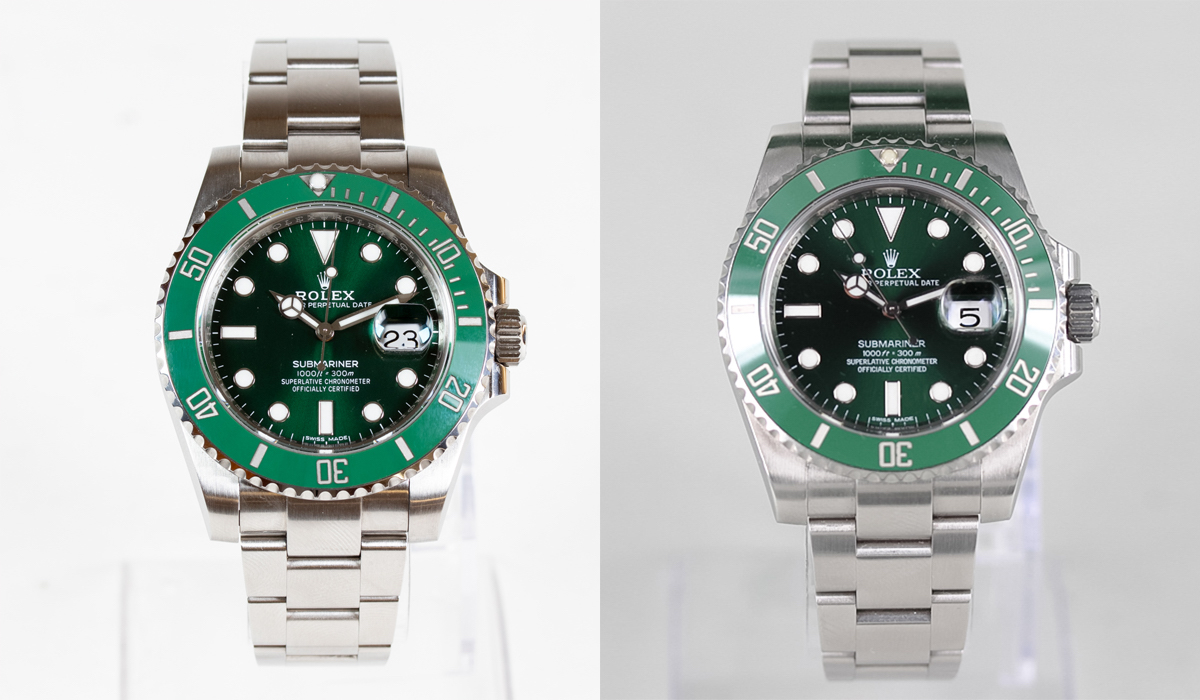
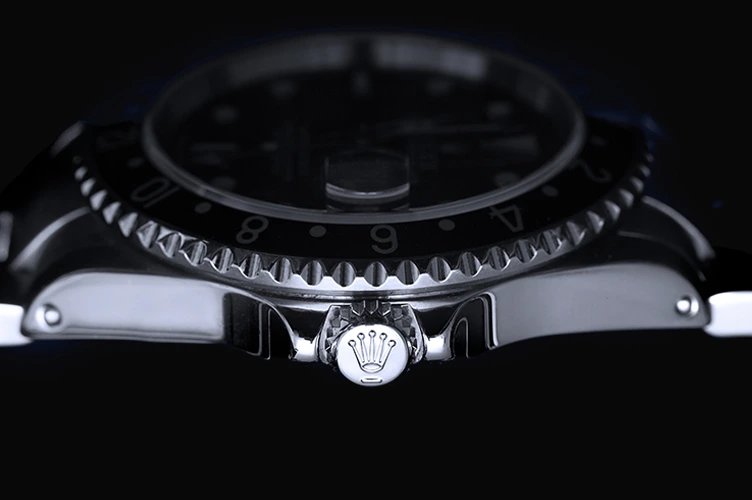
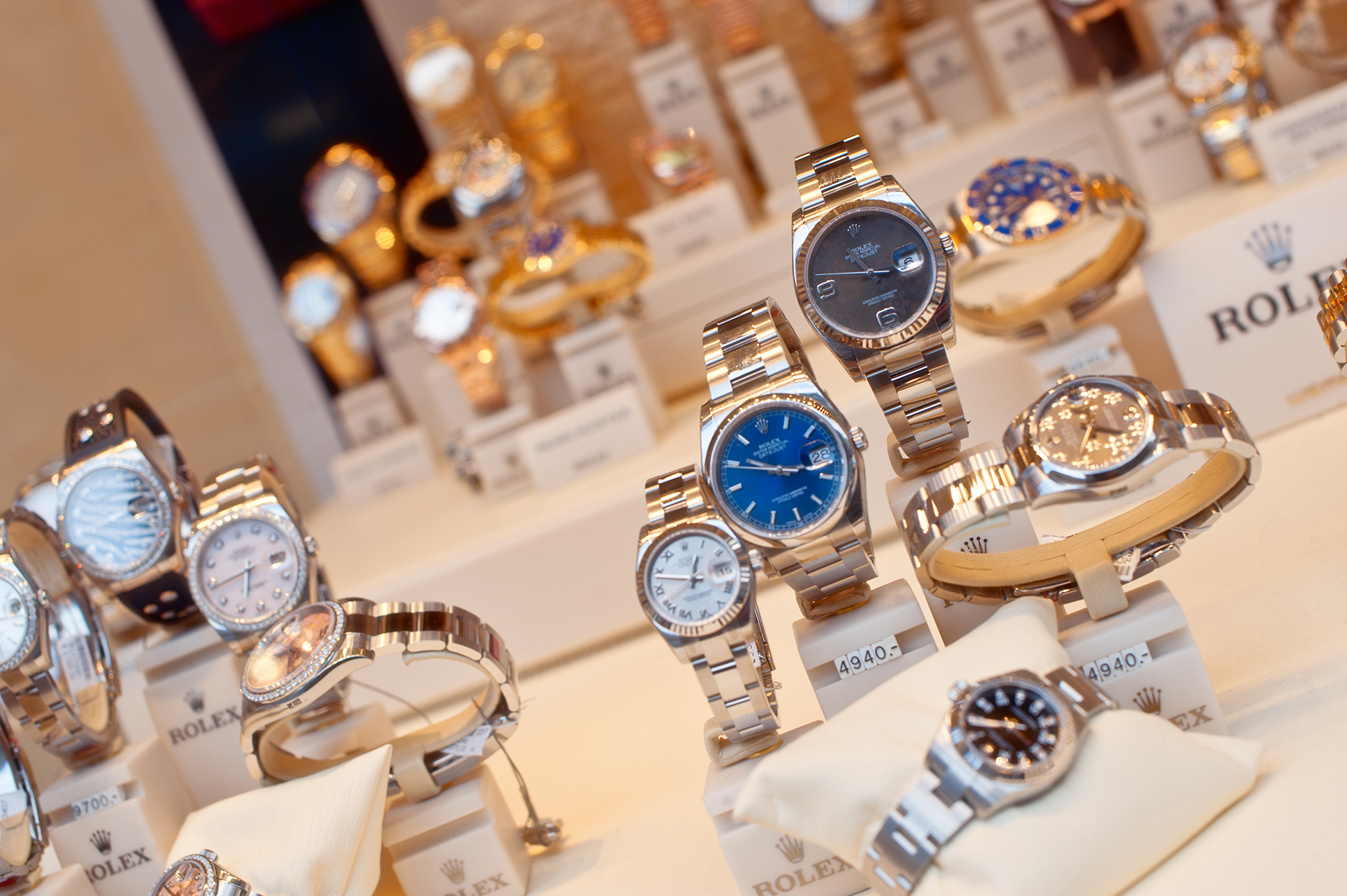
Think of it like this: you wouldn't buy a fancy painting without checking if the artist's signature is legit, right? The same applies to watches. There are countless variations of Rolex models out there, from the classic Submariner to the elegant Datejust. Each has its own unique characteristics, and fakes often miss these subtle nuances. For instance, a genuine Rolex will have an incredibly smooth sweep of its second hand, almost like a single, fluid motion, whereas a fake might have a more jerky, tic-toc movement. Even the weight and the feel of the materials can be a dead giveaway. A real Rolex feels substantial and well-crafted, not flimsy or cheap.
Must Read
Getting started with spotting a fake doesn't require a magnifying glass and a degree in horology. Start with the basics. Feel the watch. Does it have a good heft to it? Genuine Rolexes are made from high-quality metals, so they feel solid. Next, look at the dial. Are the markings crisp and clean? Any smudges or uneven printing are red flags. Pay attention to the cyclops lens over the date on models that have it; on a real Rolex, it magnifies the date about 2.5 times, making it pop. Fakes often have weaker magnification. Also, consider the price. If a deal seems too good to be true, it almost certainly is. Genuine Rolexes hold their value, and you’re unlikely to find a deeply discounted new model from a reputable seller.
Ultimately, learning to tell if a Rolex is real is about more than just avoiding being ripped off. It’s about developing an appreciation for quality, craftsmanship, and the rich history of a legendary brand. It’s a journey of discovery, and the more you learn, the more you’ll enjoy the intricate details that make these timepieces so special. So go ahead, embrace your inner watch detective – it’s a surprisingly satisfying skill to develop!