
How To Tell If My Turbo Is Bad
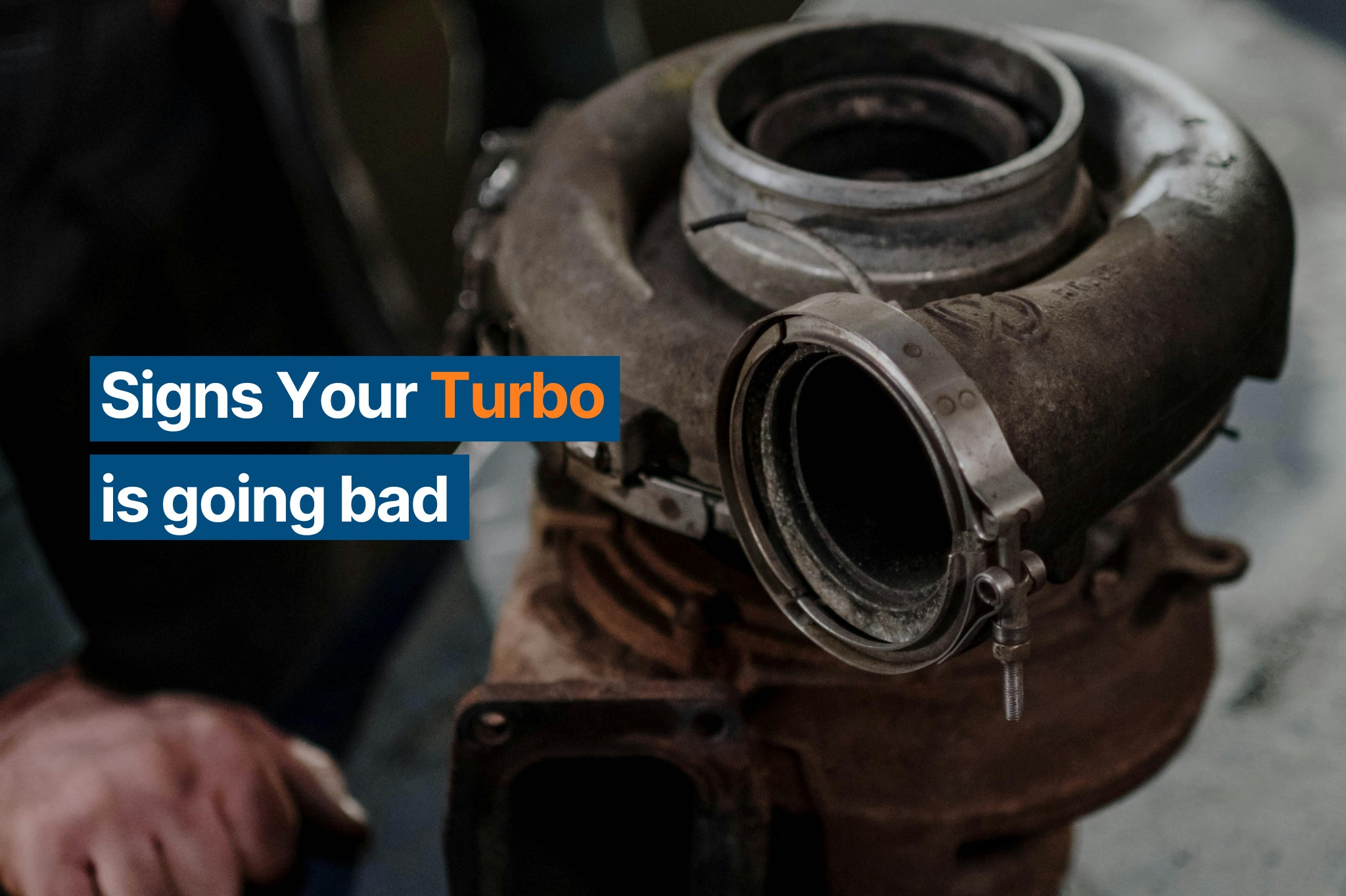
Hey there, fellow car enthusiast! So, you’re giving your trusty steed a listen, maybe feeling a little… off. Like it’s not quite as punchy as it used to be, you know? And you’re wondering, "Could it be… that thing?" The turbo. Yeah, that whizzy, powerful little beast that makes your car feel like it’s got a jet engine strapped to it. It’s a bummer when that goes south, but don’t panic! Let’s grab a virtual coffee, pull up a chair, and chat about how to tell if your turbo is waving the white flag.
First off, what is a turbo anyway? It's basically a fancy air pump, powered by your exhaust gases. Pretty neat, right? It forces more air into your engine, which means more fuel can be burned, leading to… BAM! More power. Like a caffeine shot for your car. But like anything with moving parts, especially really fast moving parts, they can wear out.
So, how do you know if yours is on its last leg? Let’s dive into the nitty-gritty.
Must Read
The Usual Suspects: Weird Noises
Okay, noises. Cars make noises. That’s a fact of life. But some noises are… different. They’re the kind of noises that make you think, "Hmm, that’s not right."
The most common turbo ailment, the one everyone talks about, is the whistle. Now, a normal turbo whistle is usually a subtle, high-pitched sound, especially when you accelerate. It’s part of the charm, right? It’s like your car saying, "Here I come, world!" But if that whistle turns into a screech, or a siren, or a dying banshee, well, that’s a red flag. A big, flapping, neon-pink flag.
Imagine you’re driving, and suddenly you hear this high-pitched wail that gets louder with your acceleration. It's not the sweet song of power; it's more like the sound of tiny metal elves getting their tiny metal fingers caught in a very fast fan. That’s your turbo screaming for help.
Another noise to listen out for is a grinding or rumbling sound. This one is usually more serious. Think of it like the sound of gravel being churned up inside a metal can. If you hear that, especially when the engine is under load (like going uphill), that’s your turbo’s bearings probably having a rough day. Bearings are crucial, folks. They’re like the smooth operators of the turbo world. When they’re not operating smoothly, it’s a problem. A big, expensive problem if left unchecked.
Sometimes, it’s a hissing sound. This could mean you have a leak somewhere in your turbo’s plumbing. Think of it like a leaky balloon, but with hot exhaust gases. Not ideal. You want those gases going through the turbo, not around it.
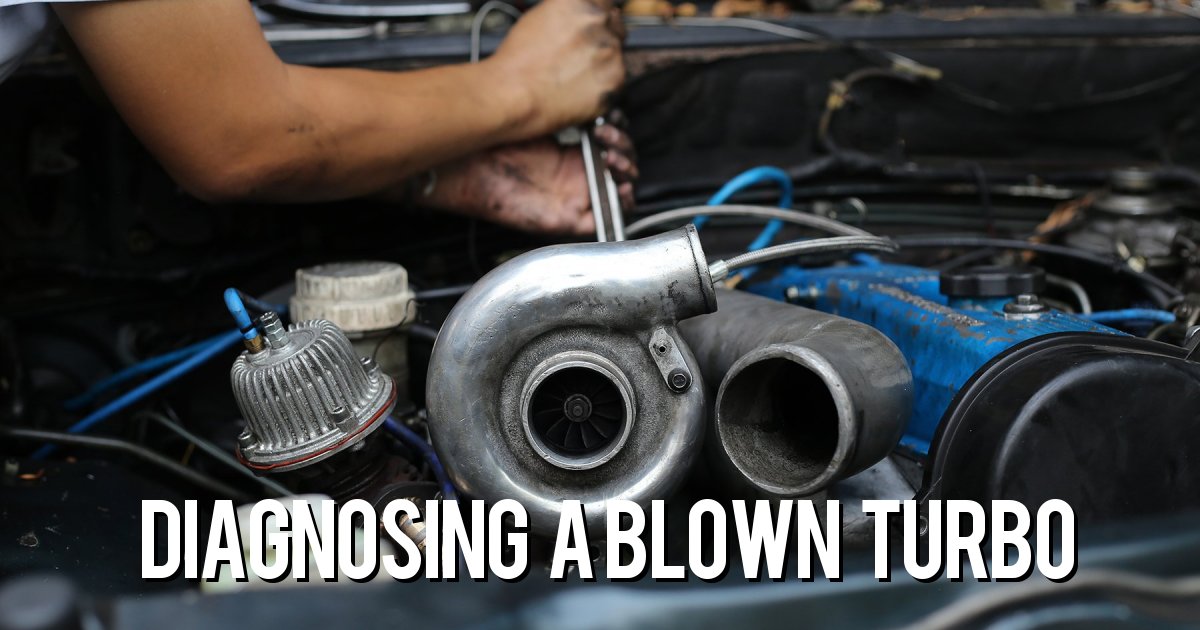
And then there’s the dreaded knocking. If you hear a distinct knocking sound that seems to be coming from the turbo area, that’s a really bad sign. It could mean internal damage, like a rotor touching the housing. This is the equivalent of your turbo having a full-blown meltdown.
Performance Pointers: It Just Doesn't Feel Right
Noises are one thing, but how your car feels is another. If your turbo is on its way out, your car’s performance is going to take a hit.
The most obvious sign is a noticeable loss of power. It’s like your car just ran a marathon and then someone asked it to do sprints. It’s panting, it’s struggling, and it’s just not as zippy as it used to be. You might feel like you have to press the accelerator harder to get the same response. That feeling of being shoved back in your seat when you floor it? If that’s significantly diminished, hello, suspect turbo.
This can manifest as sluggish acceleration. You know that instant boost you’re used to? It’s gone. It feels like there’s a delay, or a hesitation, before the power kicks in. It’s like your car is having an existential crisis and forgot it’s supposed to be fast.
Another tell-tale sign is poor fuel economy. If your car is drinking gas like a frat boy at a party, and you haven’t changed your driving habits, your turbo might be working overtime (or not working at all) to compensate. A healthy turbo helps your engine run more efficiently. A sick one? Not so much. It's like trying to run a marathon with a heavy backpack on – you're gonna use more energy and get less far.
Sometimes, you might experience sudden loss of power, especially at higher RPMs or when you’re trying to accelerate quickly. It’s like a switch just flipped off. You’re cruising along, you give it some gas, and… nothing. Zilch. Nada. That abrupt feeling can be a strong indicator of turbo trouble.
The Visual Clues: What to Look For
Sometimes, your car will actually show you what’s wrong. You just have to know where to look.
The most common visual cue is blue smoke coming from your exhaust pipe. Now, a little bit of dark smoke when you first start a cold engine is usually normal. But consistent, thick blue smoke? That’s your turbo’s oil seals giving up the ghost. The oil is leaking into your exhaust system and getting burned. It’s not a good look, and it’s definitely not good for your engine. Imagine eating a greasy burger and then breathing out smoke. Not the healthiest.
Then there’s the black smoke. While blue smoke is usually oil, black smoke can indicate your engine is running too rich, or not getting enough air. A struggling turbo can cause this. It’s like trying to breathe through a straw – your engine is starving for air.
Another thing to check is oil leaks around the turbocharger. If you can see oil dripping or caked around the turbo unit itself, that’s a bad sign. It’s a sign that the seals are failing, and oil is escaping where it shouldn’t be. Get under there with a flashlight (safely, of course!) and have a look.
Sometimes, you might notice oil in your intercooler pipes. The intercooler is there to cool down the air from the turbo before it goes into the engine. If you find oily residue in those pipes, it’s another indicator of turbo seal issues.
The Warning Lights: Your Dashboard Knows
Okay, so you’re not a car whisperer, and you can’t always rely on your ears or your butt dyno. What about the lights on your dashboard?
The most obvious one is your check engine light. Now, this light is like the universal symbol for "Something is wrong, please address it." It can mean a million things, but if you’re experiencing any of the other symptoms we’ve talked about, and your check engine light comes on, it’s a pretty strong correlation. Get that code read! Your mechanic (or you, if you’re brave enough) can plug in a scanner and tell you what specific error codes are being thrown. These codes can often point directly to turbo-related issues.
Sometimes, you might see a specific turbo warning light. Not all cars have this, but some do. If your car has one, and it illuminates, well, it’s probably telling you exactly what you need to know. Don't ignore it!
The Overheating Factor: Getting Hot Under the Collar
Turbos get hot. Really, really hot. They’re sitting in the path of exhaust gases, after all. But if your turbo is starting to fail, it can overheat.
This can lead to reduced performance as the car’s computer tries to protect the engine from damage. It might even go into a "limp mode," where it severely limits your power to prevent further harm. Think of it like your car going into "safe mode" when it's feeling overwhelmed.
You might also notice a strong smell of burning oil when the car is running. This is a classic sign of an overheating turbo, especially if it’s coupled with blue smoke. The oil inside the turbo is getting too hot and breaking down.
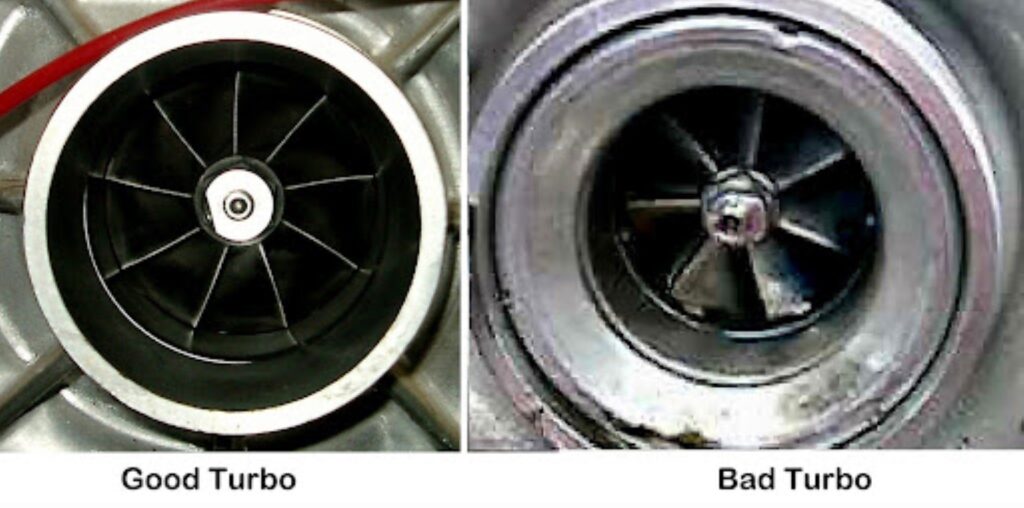
What to Do If You Suspect a Bad Turbo
So, you’ve checked off a few of these boxes. You’re hearing strange noises, your car feels sluggish, and maybe you’ve even seen a puff of blue smoke. What now?
Don’t ignore it! This is the most important piece of advice. A failing turbo can lead to more serious (and expensive) engine damage if you keep driving on it. It’s like ignoring a toothache; it’s just going to get worse.
Your best bet is to take it to a qualified mechanic. They have the tools and the expertise to properly diagnose the problem. They can put your car on a lift, inspect the turbo, run diagnostic tests, and tell you for sure if it’s the culprit.
Be prepared for the possibility of a turbo rebuild or replacement. This isn't usually a cheap fix, unfortunately. Turbos are complex pieces of engineering. But the peace of mind and the return of your car's pep? Totally worth it.
In the meantime, if you absolutely have to drive it a little, try to drive gently. Avoid hard acceleration and high RPMs. Let your turbo (and your wallet) live to see another day.
Ultimately, paying attention to your car’s sounds, smells, and how it feels is key. Your car is talking to you, and it’s up to you to listen. So, next time you’re out for a drive, really listen. Is that whistle sweet music, or a siren song of impending doom? You got this!

