How To Tell If My Cat Has Fleas
:strip_icc()/fleas-and-your-cat-552346-Final-742910b7cca544ed95622e97fd075d22.jpg)
Ever find yourself gazing at your feline friend, wondering about those tiny, invisible (to the untrained eye) critters that might be hitching a ride? It's a common thought for any cat parent, and frankly, it can be a little unsettling. But understanding how to tell if your cat has fleas isn't just about avoiding an itchy situation; it's about ensuring your beloved companion stays happy and healthy. Think of it as a fun little detective mission you can embark on together, all from the comfort of your couch.
The primary purpose of knowing how to spot fleas on your cat is, of course, prevention and treatment. Fleas aren't just a nuisance; they can cause significant discomfort and even lead to more serious health issues like anemia (especially in kittens), tapeworm infestations, and skin allergies. By learning the signs, you can catch an infestation early, saving your cat a lot of misery and yourself a potential headache. The benefit is clear: a itch-free, comfortable cat is a happy cat, and a happy cat makes for a happier home.
This knowledge is surprisingly relevant in many areas. In education, it’s a fantastic way to teach children about animal care and responsibility. Imagine a school project where kids learn to identify flea signs and create "flea prevention guides" for their stuffed animals! In daily life, it empowers you to be a proactive pet owner. You're not just passively observing; you're actively participating in your cat's well-being. Think about when you're visiting friends with pets, or if your cat spends any time outdoors – being flea-aware is part of being a responsible pet guardian.
Must Read
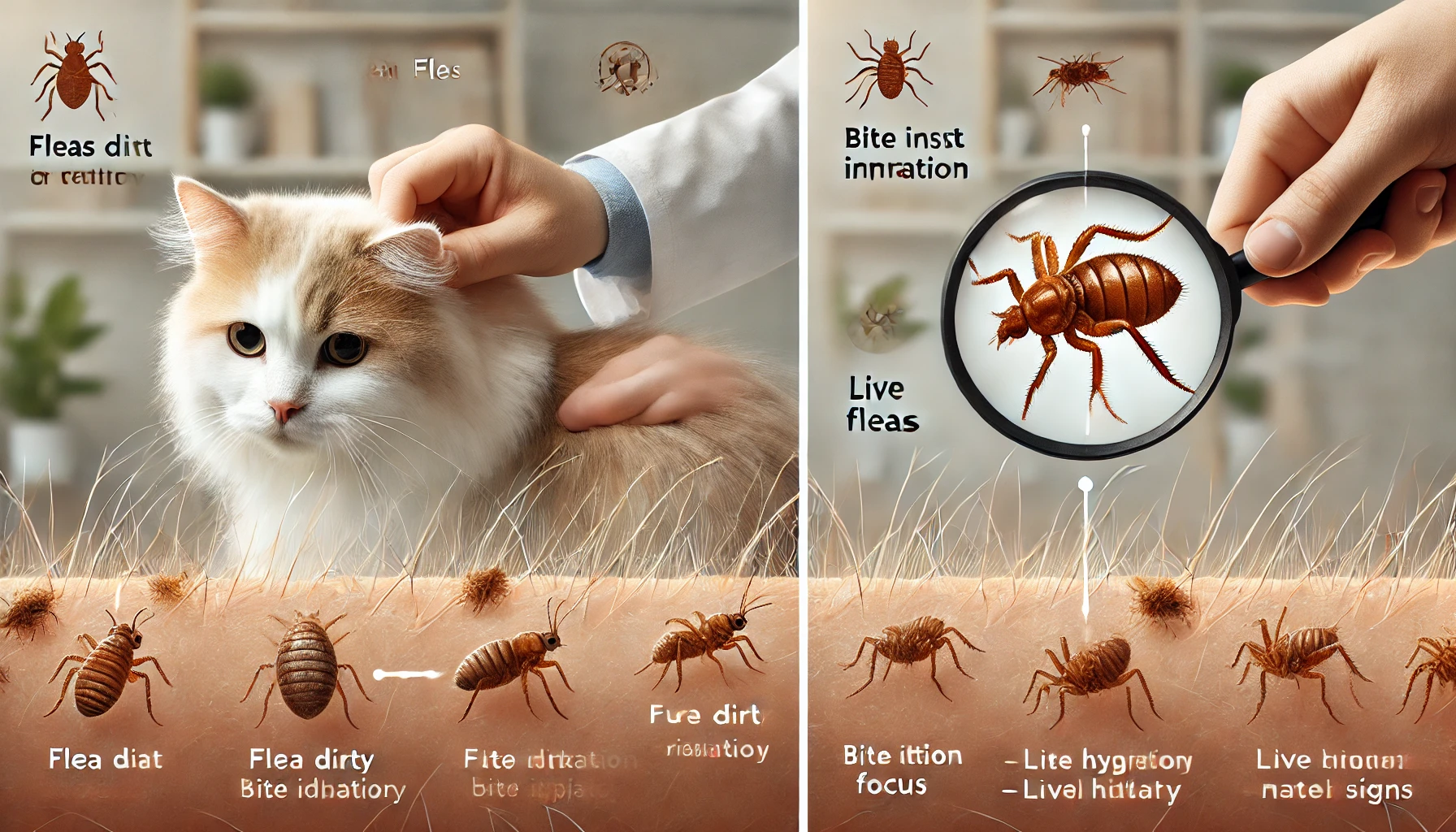
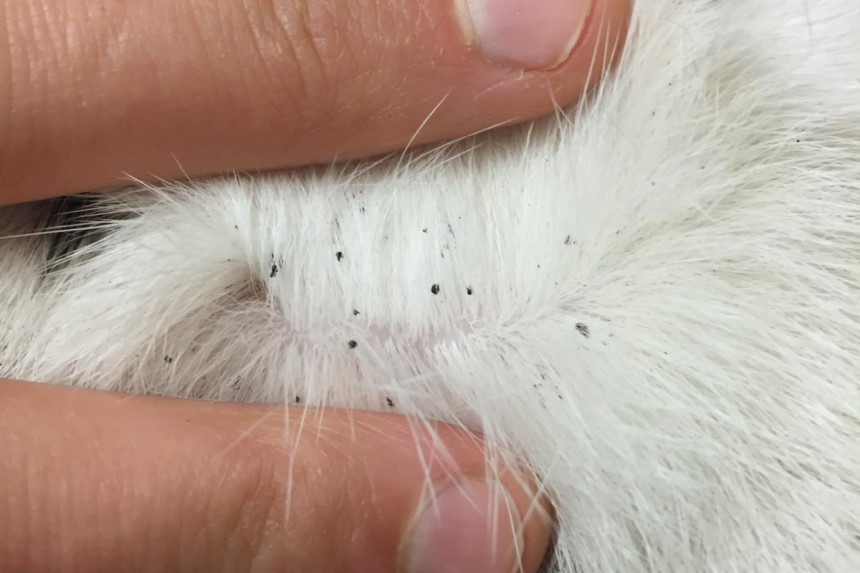
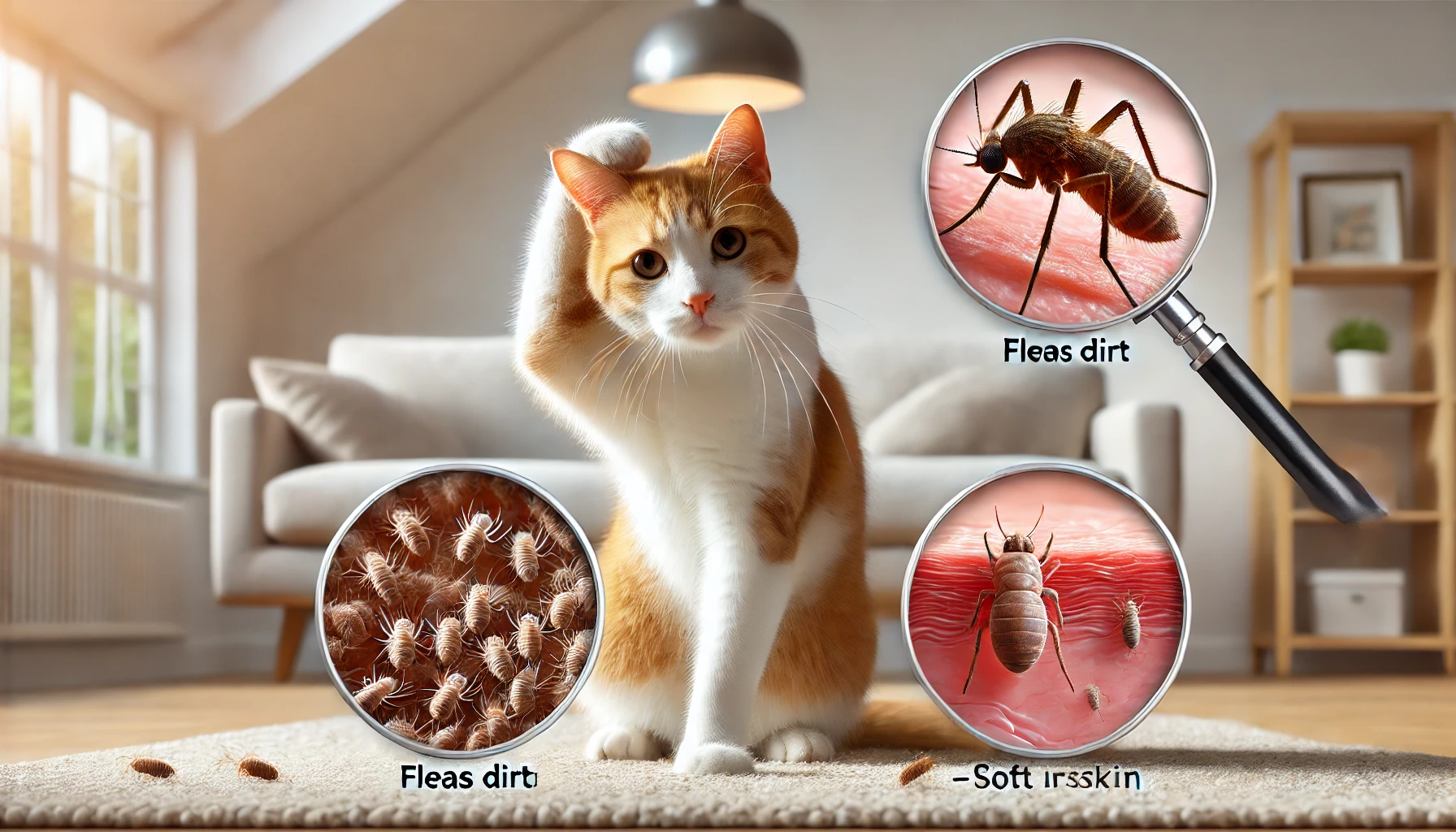
So, how do you become a super flea-detective? It's not as daunting as it sounds! One of the most common signs is excessive scratching, licking, or biting, particularly around the base of the tail, hindquarters, or groin. If your cat seems unusually agitated or is constantly grooming themselves in certain spots, it's a good clue. Another tell-tale sign is looking for "flea dirt." This isn't actual dirt, but rather flea feces. To find it, you can use a fine-toothed comb or a flea comb (they're readily available at pet stores) and comb through your cat's fur, especially on their back and near the tail. If you see small, dark specks, place them on a damp white paper towel. If they turn a reddish-brown, it’s flea dirt!

You might also notice red, irritated skin or even small, raised bumps. In some cats, a flea bite can trigger an allergic reaction, leading to more severe skin inflammation. And, of course, if you’re really lucky (or unlucky, depending on your perspective), you might actually see a flea. They're small, fast, and dark brown, often seen hopping along the skin. Don't panic if you find one or two; it doesn't necessarily mean a full-blown infestation, but it’s definitely a sign to be vigilant and start taking steps to prevent an outbreak.
Exploring this further is simple. Grab a flea comb and make it a part of your regular grooming routine. It’s a great way to bond with your cat while also keeping an eye out for trouble. Pay attention to your cat's behavior. Are they suddenly more restless? Are they avoiding certain areas of the house? These subtle changes can be indicators. And if you're ever in doubt, your veterinarian is your ultimate resource. They can confirm your suspicions and recommend the best course of action for both your cat and your home. Being curious and informed is the first step to a happy, flea-free feline life!