How To Tell If Cologne Is Fake
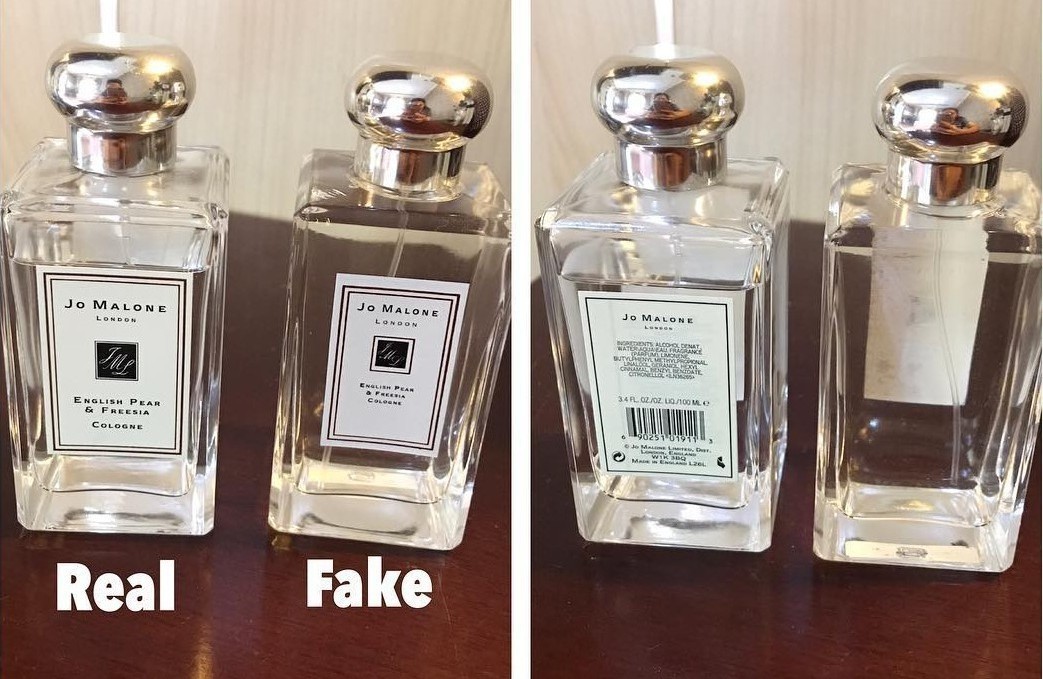
Ah, cologne! That little spritz that can instantly elevate your mood, make a great first impression, or simply make you feel a bit more put-together. But lurking in the world of fragrances are crafty counterfeiters, and discovering you've accidentally bought a fake can be a real bummer. That's where knowing a few simple tricks comes in handy! It’s like being a scent detective, and honestly, it can be quite a bit of fun.
Why is this important for you? Well, if you're a beginner just dipping your toes into the world of fragrances, you want to make sure you're getting the real deal so you can truly appreciate the scent the perfumer intended. For families, especially if you're buying gifts or looking for a special treat, avoiding fakes saves you money and the disappointment of a subpar product. And if you're a fragrance hobbyist, knowing how to spot a fake is crucial for building a genuine collection and understanding the nuances of quality. It’s all about getting the best bang for your buck and enjoying authentic aromas.
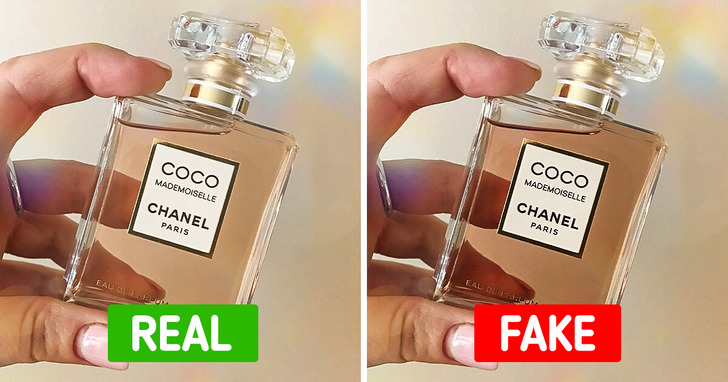
Let's talk about some variations and examples. Think of a classic scent like Chanel No. 5. A genuine bottle smells complex and develops over time, while a fake might be overwhelmingly alcohol-scented or have a harsh, one-dimensional fragrance that fades instantly. Or consider a popular men's cologne; the real version might have subtle woody or citrus notes, while a counterfeit could smell cheap and synthetic, perhaps even causing skin irritation.
Must Read
So, how do you become a scent sleuth? It's easier than you think! Here are some simple, practical tips to get you started:
- Examine the Packaging: This is your first line of defense. Real perfumes usually have high-quality boxes with crisp printing, perfectly aligned seams, and often cellophane wrapping that's neatly folded, not crinkled. Check for typos or grammatical errors – they're big red flags!
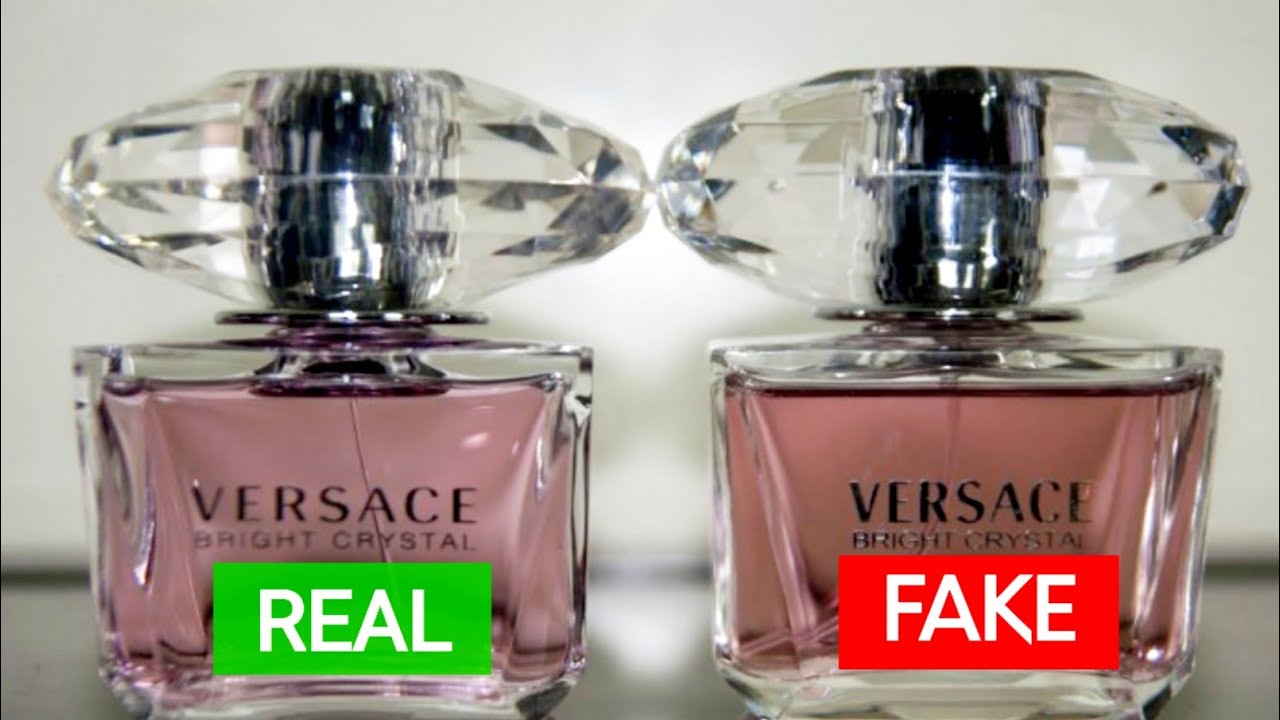
- Inspect the Bottle: Take a close look at the glass. Genuine bottles are typically smooth, heavy, and have a polished finish. The spray mechanism should feel sturdy and work smoothly. Sometimes, fakes have wobbly caps or uneven labels.
- The Scent Test: This is the most obvious, but often overlooked, test. Spray a bit on yourself (or a testing strip). Does it smell off? Does it smell too much like alcohol? Does the fragrance disappear within minutes? A genuine cologne will have layers of scent that unfold over time – the top, middle, and base notes. Fakes often lack this complexity.
- Check the Batch Code: Most authentic fragrances have a batch code printed on the bottom of the bottle and the box. These should match. You can even look up these codes online to verify authenticity.
- Price Too Good To Be True?: If a designer fragrance is being sold for an unbelievably low price, it's a strong indicator it might be fake. While sales happen, be wary of extreme discounts from unreliable sources.
Getting started is as simple as being a little more observant the next time you're shopping for your favorite scent. It's not about being paranoid, but rather being a smart consumer. The payoff is getting to experience the true artistry of perfumery, saving yourself money, and avoiding a disappointing scent experience. Enjoy the journey of discovering authentic fragrances!