How To Tell If An Opal Is Real
So, you've stumbled upon a gemstone that's basically a party in your pocket. It's got all the colors, like a tiny disco ball. You're thinking, "Is this the real deal, or is it just a fancy piece of glass playing dress-up?" Let's dive in, shall we? Forget those super-serious gemology textbooks. We're going for the fun, slightly-less-scientific approach. Because let's be honest, who has time for that when there's potential sparkle involved?
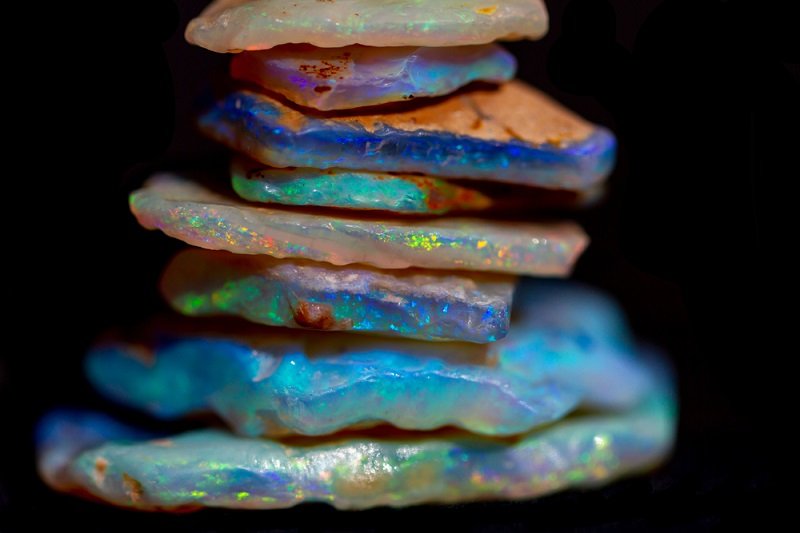
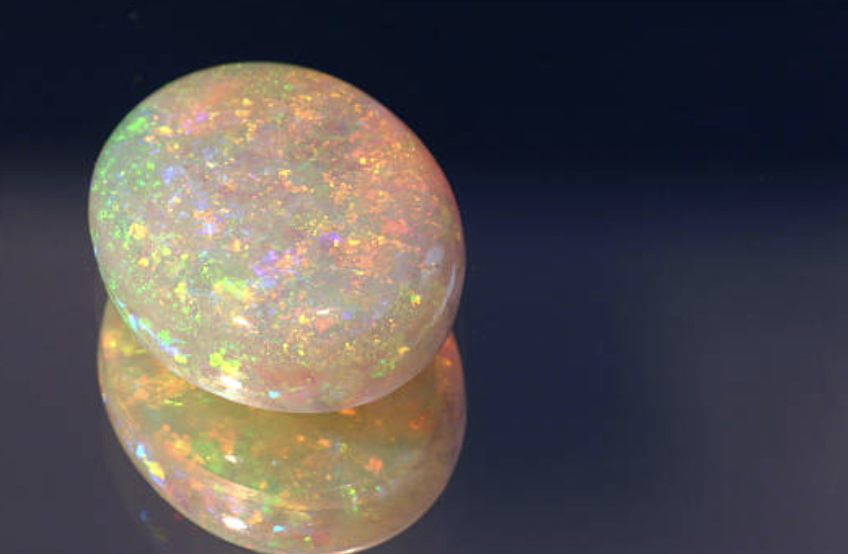
First off, let's talk about the flash. Real opals are like dramatic actors. They don't just have a color; they have a whole performance. You'll see flashes of color that seem to dance around as you move the stone. It's like they're saying, "Look at me! Look at me!" If it just sits there looking… well, like a plain colored rock, it might be a dud. Think of it this way: a real opal has personality. A fake one might be more of a wallflower.
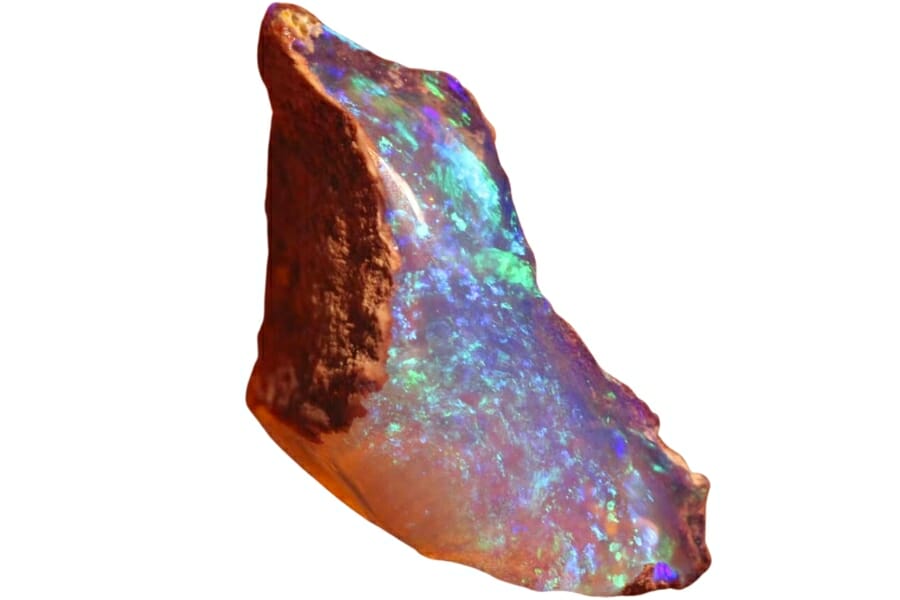
Now, the play-of-color. This is the magic ingredient. It's that mesmerizing swirl of hues. Red, green, blue, yellow – they all tango together. If you're seeing a consistent color, or colors that seem painted on, that’s a red flag. Opals are supposed to be a bit chaotic. Nature doesn't do perfectly uniform when it's this pretty. Imagine a spilled paint palette, but in the best possible way. That’s a good sign.
Must Read
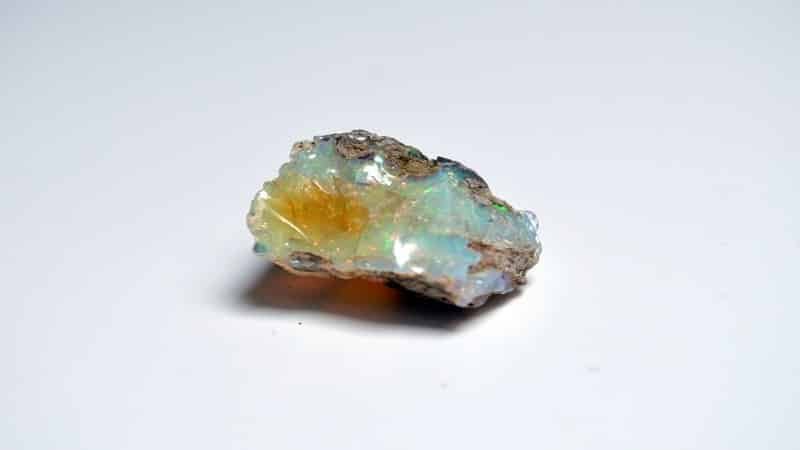
Next, consider the backing. Sometimes, opals are "backed" to make them stronger or to enhance their color. If you see a dark, plastic-looking backing, that's often a sign of a synthetic or assembled opal. Real opals, especially precious ones, often have a natural backing, like host rock, or they might be "doublets" or "triplets" where a thin slice of opal is glued to a backing. But if it looks like it came from a craft store bin, proceed with caution. We're aiming for geological wonder, not glued-on glitter.
Feel the weight. Real gemstones generally have a certain heft to them. If it feels super light, almost hollow, it could be a glass imitation. Think of it like this: a substantial rock feels like a substantial rock. It’s not rocket science, but it’s a good gut check. Imagine holding a smooth river stone versus a feather. You know the difference, right? Opals, even small ones, have a pleasant little weight.

Let's get a little nerdy, but not too nerdy. Look at the structure. Real opals are made of tiny silica spheres. Under magnification (a jeweler's loupe, if you’re feeling fancy, or even a really good smartphone camera zoom in a pinch!), you might be able to see a honeycomb-like pattern. This is the natural arrangement of those spheres. If you see large, irregular patches of color or a swirly, almost "oil slick" look that doesn't change with movement, it might be an imitation. Those are often made to mimic the play-of-color, but they lack that organic structure.
The price tag. If someone's trying to sell you a massive, dazzling opal for the price of a fast-food combo, run. Opals, especially those with vibrant colors and good clarity, can be quite valuable. So, while we love a good deal, a price that’s too good to be true usually is. It's like finding a unicorn in your backyard – rare and probably expensive.

"If it looks like it belongs in a fairy tale, it probably does. If it looks like it belongs in a toy store, maybe not so much."
Now, let's talk about a common trick: heating. Some imitations can be heated to create the illusion of play-of-color. But this color often looks a bit "muddy" or doesn't have that crisp, clear flash of a real opal. Real opals are formed over millions of years by nature's slow, patient hand. They’ve got that authentic glow. Think of it like aged cheese versus plastic cheese slices. One has depth, the other… well, it’s cheese-shaped.
And sometimes, it's just about the vibe. Does it feel special? Does it make you smile every time you catch its light? Real opals have an energy about them. They’re captivating. If you’re holding it and thinking, "Meh," it might not be singing the right song for you. Trust your instincts. If it’s whispering sweet, colorful nothings into your soul, it’s probably a real one.

One of the unpopular opinions I have? Don't get too caught up in perfection. Some of the most beautiful opals have little imperfections. A slight inclusion here, a natural fracture there – these are the birthmarks of a natural stone. They tell its story. If it looks too perfect, almost too good to be true, it often is. Nature is messy, beautiful, and rarely symmetrical. Embrace the quirks!
Finally, if you're still unsure, and you're about to drop some serious cash, there's no shame in asking for help. A reputable jeweler can tell you in a jiffy. They've got the tools and the experience. It's like taking your car to a mechanic when you hear a weird noise. Better safe than sorry, especially when it comes to shiny things!
So there you have it. A totally unscientific, slightly silly guide to figuring out if your dazzling gem is the real deal. Remember, the most important thing is that it brings you joy. Whether it's a priceless treasure or a fun imitation, if it makes you happy, then it's real good enough for you. And isn't that what really matters?