How To Tell If A Mango Is Ripe
Ah, the mango! That golden orb of sunshine, bursting with tropical sweetness and a fragrance that instantly transports you to a beach with your toes in the sand. But let's be honest, the journey from a rock-hard, slightly disappointing fruit to a perfectly juicy, melt-in-your-mouth delight can be a bit of a gamble. That’s where becoming a mango-ripening detective comes in, and trust us, it’s a much more rewarding mission than you might think. It’s a culinary superpower that ensures every bite is pure bliss, turning a simple snack into a moment of pure, unadulterated joy. Forget mushy disappointments or strings that fight back – we’re talking about unlocking the ultimate mango experience!
The Sweet Science of Mango Ripeness
So, why bother with the fuss? Because a ripe mango is a culinary revelation. It’s a symphony of flavors and textures, a natural dessert that requires no added sugar. The benefits are plentiful: you get maximum sweetness, a tender, yielding flesh, and that intoxicating aroma that’s almost as good as the taste itself. Beyond just deliciousness, understanding ripeness helps you make the most of your grocery haul, reducing waste and ensuring you’re not sadly staring at a fruit that’s stubbornly refusing to reach its full potential. It’s about savoring the good stuff, pure and simple.
The first and perhaps most iconic clue to a mango’s ripeness is its aroma. Put that mango up to your nose – yes, really! A ripe mango will have a sweet, fruity, and distinctly tropical scent, especially around the stem end. If it smells faintly of pine or has no scent at all, it's likely not ready yet. Think of it as the mango’s way of announcing, "I'm ready to party!" A faint, slightly alcoholic smell might mean it's overripe, so sniff with discernment!
Must Read
Next up, let’s talk about the feel. Gently squeeze the mango. It should yield slightly to gentle pressure, much like a ripe avocado or peach. If it feels hard as a rock, it needs more time on the counter. If it’s very soft or mushy, you might have missed the window. The skin should also feel smooth, not wrinkled or shriveled. Wrinkles can indicate dehydration and a loss of flavor.

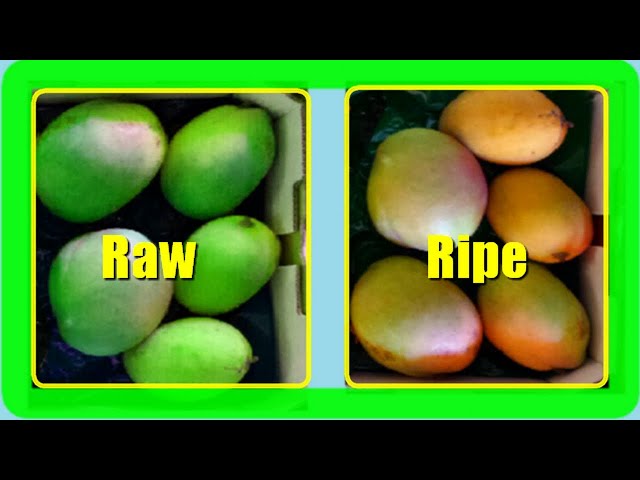
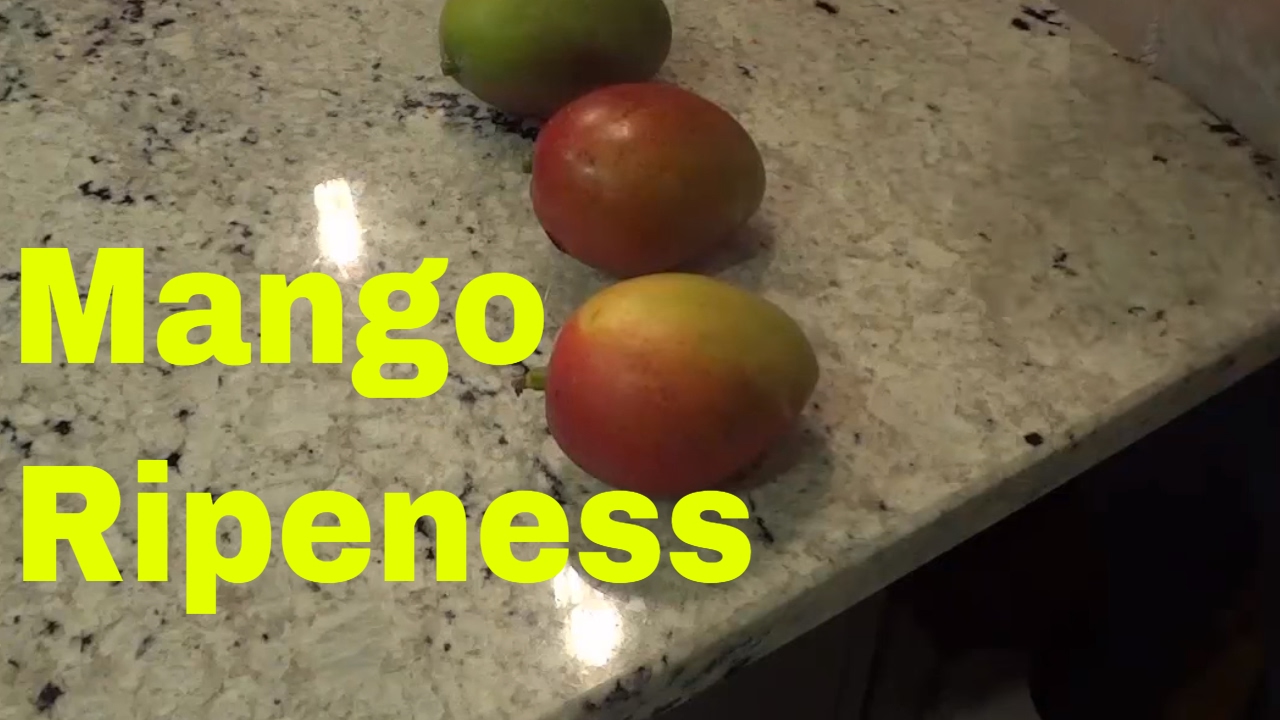
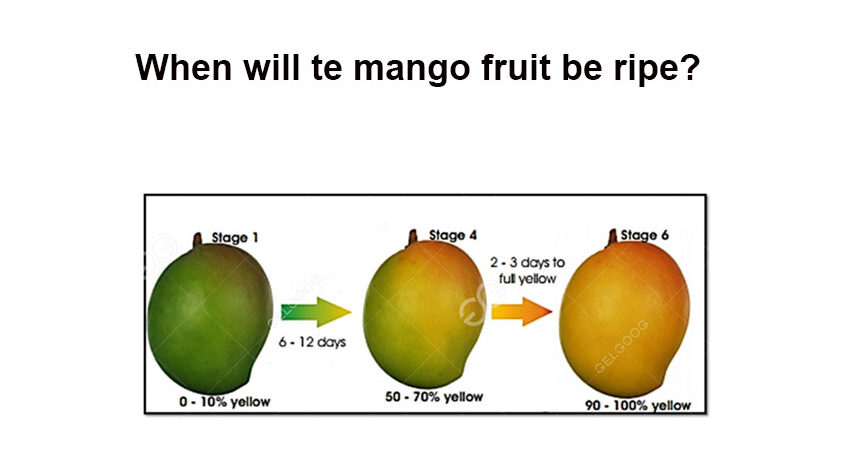
Now, for the visual cues. While color can be a bit tricky as it varies by variety, generally, a ripe mango will have a vibrant, rich color. For Ataulfo (or Honey) mangoes, this means a deep golden yellow. For other varieties like Tommy Atkins or Kent, you might see blushes of red or orange over a green or yellowish background. Don't rely solely on color; a green mango can sometimes be ripe, and a red-blushed one might still be hard. It's more about the overall impression of plumpness and the richness of the hue.
Here’s a fun little trick: check the stem. The area around the stem should be plump and free of any signs of drying out or sinking in. A sunken stem can indicate the fruit is past its prime. Conversely, a stem that looks completely dry and shriveled might mean the fruit has been sitting around for too long.

When you’re choosing your mango, especially at the grocery store, don't be shy! Give them a gentle sniff and a light squeeze. Most vendors are happy for you to check. Think of it as a mini treasure hunt where the prize is pure, unadulterated tropical bliss.
So, the next time you’re faced with a pile of mangoes, don’t just grab the first one you see. Engage your senses! Use your nose to detect that irresistible aroma, your fingertips to gauge its perfect softness, and your eyes to appreciate its vibrant, ripe hues. With these simple steps, you’ll be well on your way to unlocking the ultimate mango experience, transforming your dessert game and bringing a little slice of paradise into your everyday life. Happy mango hunting!