
How To Tell If A Coin Is Silver
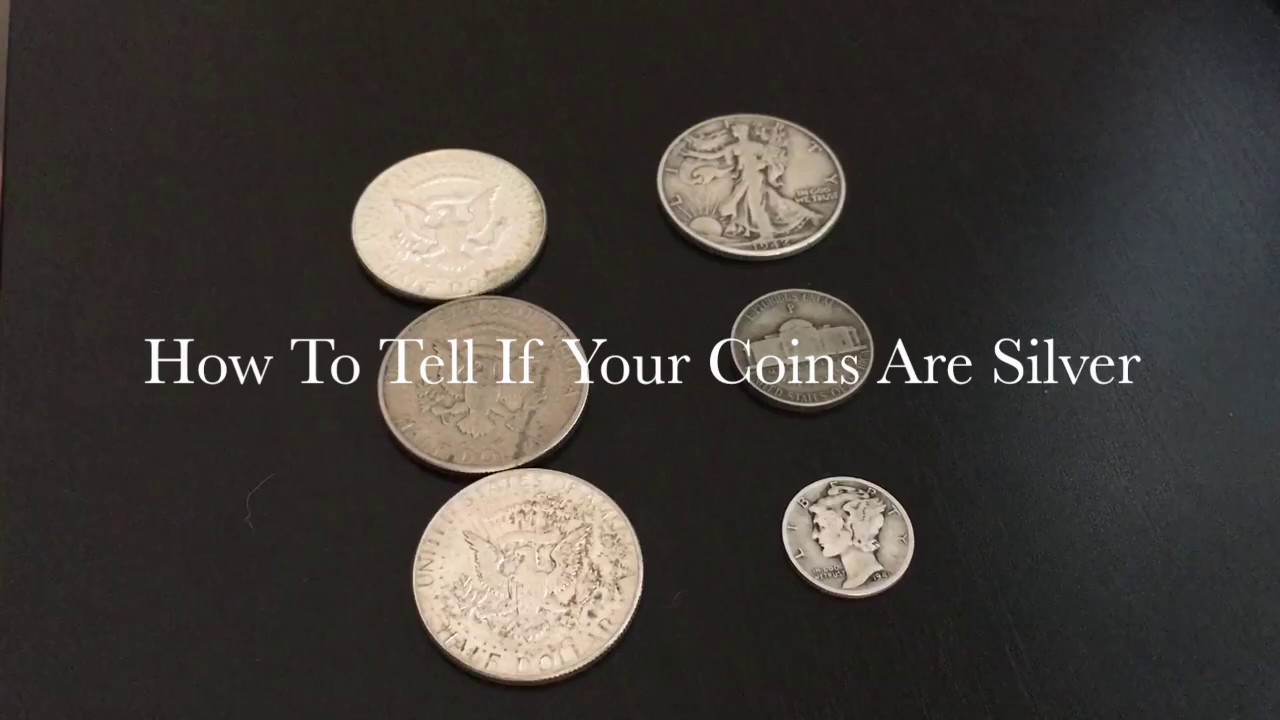
So, you've got a pocket full of change. Maybe you just unearthed a dusty jar from the attic. Perhaps you’re a budding coin collector, or maybe you just like the satisfying clink of metal. Whatever your coin-curiosity, there comes a moment. A moment where you hold a coin, and a little voice whispers, "Is this... silver?"
Let's be honest. The official coin-grading guides can sound like they were written in ancient Greek. All those terms like "patina," "luster," and "toning" can make your head spin faster than a carnival ride. But fear not, fellow treasure hunter! We’re going to bypass all that stuffy jargon. We're going to explore some… less conventional methods. Think of this as your unofficial, slightly goofy guide to spotting that precious metal shine.
First things first. Does the coin feel heavy? I mean, really heavy for its size? Silver has a certain heft to it. If you’re holding something that feels suspiciously light, like it’s secretly made of plastic and good intentions, it’s probably not your gleaming silver prize. Imagine holding a regular penny versus an old Morgan Dollar. There’s a difference, right? It’s like comparing a fluffy cloud to a tiny, dense planet. That’s the kind of weight we’re talking about.
Must Read
Now, let’s talk about sound. This is where things get really exciting. If you have two coins of similar size, give them a gentle tap. A pure silver coin, or one with a high silver content, will often ring. It makes a clear, beautiful, almost musical sound. Other metals? They tend to make a dull thud or a quick, uninspired clunk. It’s like the difference between a virtuoso violinist and someone who just learned how to play the kazoo. Try it. Tap a modern nickel against a Walking Liberty Half Dollar. Hear that subtle difference? It’s not always obvious, but with practice, you’ll start to tune your ear to the symphony of metals.
However, a word of caution here. This "ring test" is more of a guideline than a hard and fast rule. Lots of things can affect the sound. The surface you’re tapping it on, the condition of the coin, even the air pressure! So, while it's fun and can be a good indicator, don't throw out your non-ringing coins just yet. We’re building a case here, not making an arrest.

Let’s consider the color. This is where it gets a bit subjective, and where my unpopular opinion might just make itself known. Everyone talks about the "silvery" color. And yes, that’s true. But what about the undertones? Sometimes, especially on older silver coins, you’ll see a bit of a bluish or even slightly purplish hue. It's subtle. It's elegant. It's not the dull grey of cheap metal. Think of it like a sophisticated blush. If your coin looks a bit like a slightly faded photograph of a sunset, that could be a good sign.
And what about that tarnish? Many people think tarnish means a coin is fake. Gasp! My friends, I’m here to tell you that tarnish can be your friend. On silver, tarnish often appears as dark, sometimes uneven, patches. It’s not usually a uniform black coating. It might look like someone spilled a very fine, very dark powder on it. And if you’re brave enough to try a very gentle rub with your finger, you might notice some of that dark tarnish coming off, revealing a brighter silver underneath. Again, gentle is the operative word here. We're not trying to scrub the patina off a masterpiece. We’re just looking for signs of life.
Now, for the magnet test. This is the easiest and arguably the most definitive quick test. Get a decent magnet. Not one of those flimsy fridge magnets. We’re talking about something with a bit of pull. Hold the magnet up to your coin. If the coin sticks to the magnet like a desperate ex, then it’s almost certainly not silver. Most silver alloys are not magnetic. Copper, nickel, iron – those are the metals that love a good magnet. So, if your coin is a magnet magnet, it’s likely a magnet for disappointment. If it dangles there, completely indifferent to the magnet’s advances, that’s a good sign.
Let's talk about the "bite test." Now, this is where I truly tread into the land of the slightly unhinged coin detective. Please do not do this with valuable coins. Seriously. This is for fun, for your old pennies and dimes you’re just curious about. The legend goes that real silver is soft enough to leave a tiny mark if you were to bite it. Think of biting an apple. You get that little indentation. However, modern coins, even silver ones, are often made with alloys, making them harder. And biting coins can damage them, which is a big no-no for collectors. So, while the idea is that silver is soft, I’d strongly advise against actually trying to take a bite out of your potential fortune. Let’s stick to visual and auditory clues, and perhaps the ever-reliable magnet.

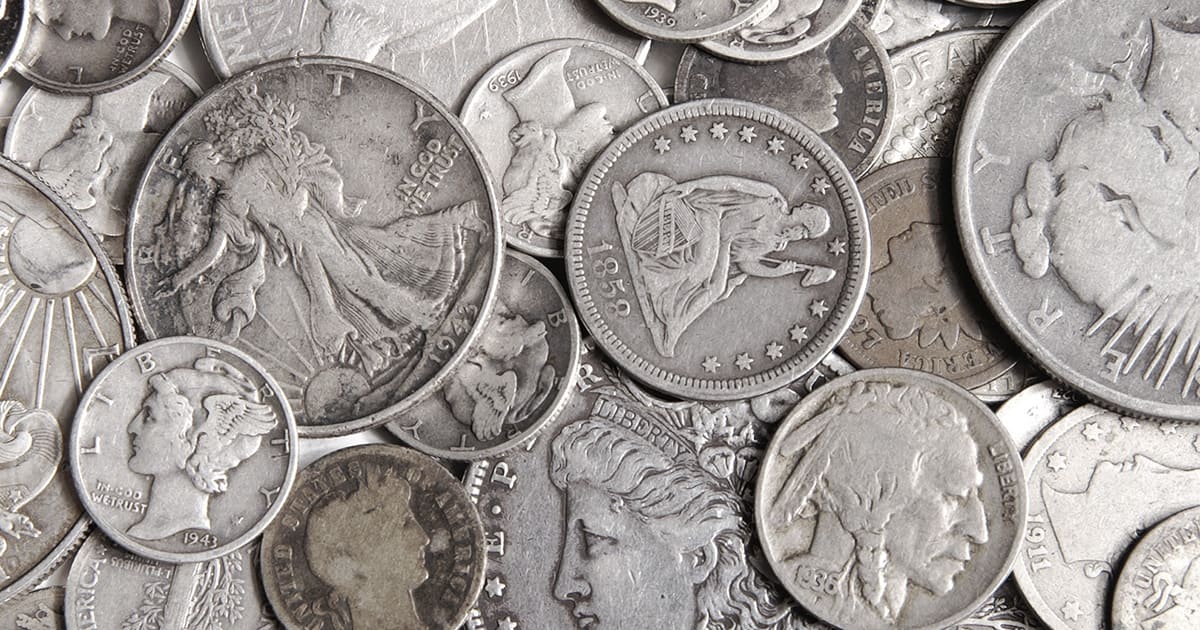
Finally, sometimes the answer is just… history. Certain dates and mint marks are famous for being silver. Think of the Mercury Dime, the Buffalo Nickel (which is actually copper-nickel, but often mistaken!), or those classic Peace Dollars. If you have a coin from a period known for silver coinage, and it passes some of the other informal tests, you’re probably onto something. It's like knowing that a dog with floppy ears and a wagging tail is probably a friendly dog. It’s just the way these things tend to work.
So there you have it. A few playful ways to begin to tell if your coin might be silver. Remember, these are not scientific methods. They’re more like a treasure map with a few Xs drawn in crayon. But they’re fun, they’re easy, and they might just lead you to discover a little bit of sparkle in your pocket.


