
How To Tell Gender From A Scan
So, you’re expecting a little bundle of joy! Congratulations! That’s a truly magnificent thing, isn't it? The anticipation, the fluttery feelings (both yours and your baby’s!), the endless questions swirling around your head. And then there’s that question, the one that seems to bubble up from the deepest parts of your excited brain: is it a boy or a girl?
Well, my friend, get ready for a little bit of magic! Because somewhere between those first blurry ultrasound images and the actual arrival, there’s a chance you’ll get a peek at your baby’s future gender. And let me tell you, it’s a pretty darn exciting milestone. It transforms that abstract, wonderful idea of a baby into a more tangible, specific little person you can start dreaming about. Think tiny outfits! Think names! Think superhero capes or princess tiaras!
Now, before we dive into the nitty-gritty of how this all happens, let’s set the scene. We’re talking about ultrasounds, those incredible sonic marvels that let us see the unseen. They use sound waves to create pictures, and one of the most delightful byproducts of this technology is its ability to reveal the sex of your baby. Pretty neat, right?
Must Read
The Magic of the Scan: When and How?
So, when does this magical gender reveal usually happen? Well, it’s not usually on your very first prenatal appointment. Your little one needs a bit of time to develop those distinguishing features. Generally, the sweet spot for trying to determine gender via ultrasound is between 18 and 22 weeks of pregnancy. This is often called the anatomy scan, because, you guessed it, the sonographer is checking out all the baby’s anatomy. It’s a really thorough check-up, ensuring everything is developing as it should be. And, as a wonderful bonus, they’ll be looking for those tell-tale signs.
How do they actually tell? It all comes down to a tiny, yet incredibly significant, anatomical detail: the presence or absence of specific genital structures. Essentially, the sonographer is looking for the external genitalia. For boys, they’re looking for the little… well, you know… the penis and scrotum. For girls, they’re looking for the labia. It’s a pretty straightforward visual assessment, though of course, there are a few caveats we’ll get to!
Boy Meets World: The Classic Clues
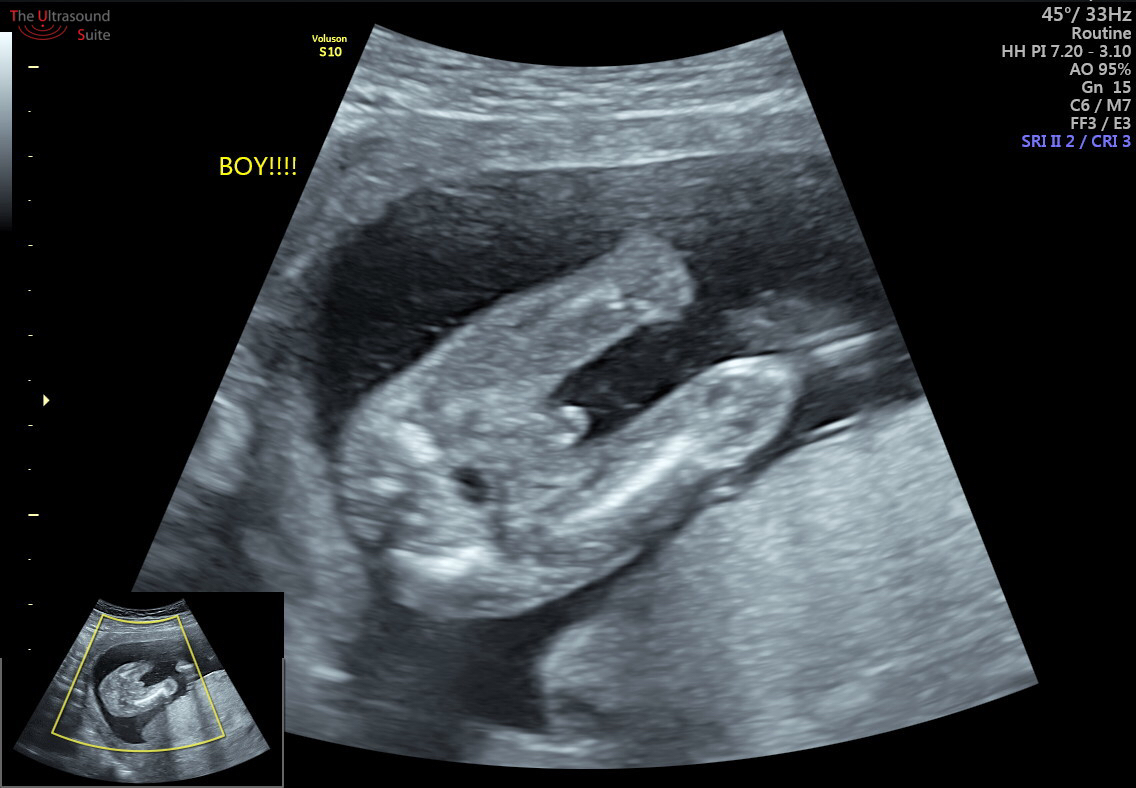
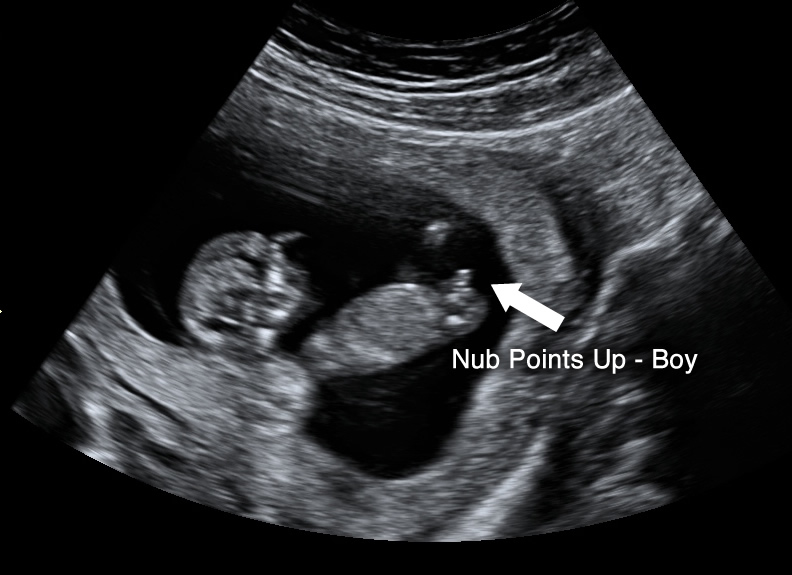
Let’s start with the fellas, shall we? When the sonographer is scanning your little one, and it’s a boy, they’ll be looking for a visible protrusion. Think of it as a little bump or a projection. It’s that unmistakable shape that signifies a future mini-you (or your partner!). Sometimes it’s incredibly clear, like a perfectly framed photograph. Other times, it might be a little shy, peeking out from behind an arm or leg.

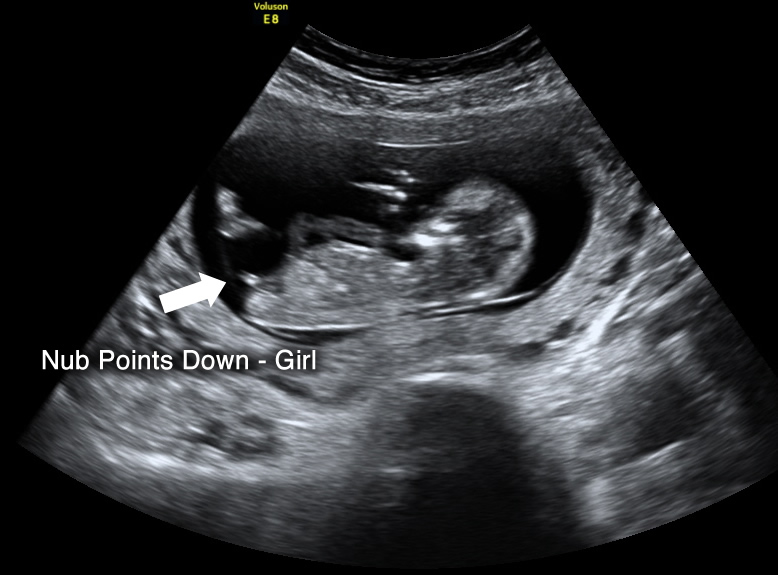
The clearer the view, the more confident the sonographer can be. They’re trained to spot these details, and with a good, clear image, it’s usually pretty obvious. So, if you hear whispers of “nub theory” or see little diagrams online showing a certain angle, that’s often related to earlier scans where the genitalia are still developing. But the anatomy scan is where things really become clear.
Girl Power: The Subtle Signals
Now, for our little ladies! The signs for a girl are a bit more subtle visually. Instead of a protrusion, the sonographer will be looking for the absence of those male characteristics and the presence of what’s often described as a “three-line sign” or a “hamburger bun” appearance. This refers to the labia, which create those distinct lines on the ultrasound image. It’s like a little visual confirmation of their delicate anatomy.
Again, clarity is key. If the baby is positioned perfectly, legs open and relaxed, it makes the sonographer’s job a whole lot easier. But sometimes, babies are a bit more modest, or they might be holding their legs in a way that obscures the view. Don’t fret if it’s not immediately obvious – sometimes, they need a bit of repositioning or a second look to be certain.
When Things Get Tricky: The Mystery Continues!
Now, before you get too caught up in the excitement, it’s important to remember that even the most skilled sonographers aren’t psychic! There are a few reasons why gender determination from an ultrasound might not be 100% accurate, or why you might not get a definitive answer.

Firstly, baby positioning is a huge factor. If your little one decides to do a somersault right when the sonographer needs to see, or if they’re tucked in a funny way, it can make it impossible to get a clear view. Imagine trying to identify something when someone’s constantly moving! It’s a bit like that.
Secondly, the clarity of the ultrasound image itself can play a role. Sometimes, due to the mother’s body weight or the baby’s position in the womb, the images might not be as crisp as we’d like. Think of it like trying to see a tiny detail through a slightly foggy window.
And then there’s the possibility of ambiguous genitalia. While rare, in a very small percentage of cases, the developing genitalia might not be clearly male or female. This is usually something that requires further medical investigation, but it’s good to be aware that it’s a possibility, however unlikely.
So, while the anatomy scan is the most common time to find out, sometimes the suspense might continue a little longer. And honestly? That can be part of the fun too! It keeps the anticipation alive and gives you another special moment to look forward to with your healthcare provider.
Beyond the Scan: Other Ways to Discover
While the anatomy scan is your go-to for a visual reveal, there are other ways to discover your baby’s gender, even earlier! Non-invasive prenatal testing (NIPT) is a blood test that can be done as early as 10 weeks. This test analyzes small fragments of fetal DNA circulating in your blood and can often accurately determine the sex of your baby.
Then there are elective ultrasound services, which are popular for those who want an earlier peek or a more focused gender reveal experience. However, these are not medically necessary and are typically done later in the pregnancy to ensure accuracy, usually around the same timeframe as the anatomy scan.
Making Life More Fun: The Joy of Discovery
Why does finding out the gender matter so much? Well, it’s not just about buying pink or blue clothes (though that’s definitely a part of it!). It’s about the tangible connection it fosters. Suddenly, your baby isn't just "the baby"; they are your son or your daughter. This little detail can spark a whole new level of imagination and planning. You can start picturing your child in specific scenarios, talking to them by name, and dreaming up their future adventures.
It’s also a fantastic conversation starter! Sharing the news with family and friends is a joyous occasion, and the reveal can become a fun event in itself, from elaborate parties to simple, heartfelt announcements. The excitement that builds around this little piece of information is truly special.
And let’s not forget the practicalities! Knowing the gender can help with nursery decorating, choosing a name that feels just right, and even selecting toys and books that align with your child's developing personality. It’s like unlocking a new chapter in your pregnancy journey, filled with personalized details and shared anticipation.
Embrace the Journey, Cherish the Moments
Ultimately, whether you find out the gender at 20 weeks, 10 weeks, or even on the day of delivery, the most important thing is the arrival of your healthy baby. The journey to meeting them is filled with so many wonderful moments, and the gender reveal is just one of them. It's a fun, exciting part of the process that adds to the magic of creating life.
So, embrace the scans, enjoy the suspense, and celebrate every step of the way. The anticipation of meeting your little one, in all their glory, is a beautiful thing. And as you learn more about the incredible science and artistry behind ultrasounds, you’ll undoubtedly feel inspired by the wonder of what the human body can do. Isn’t that a remarkable thought to carry with you?

