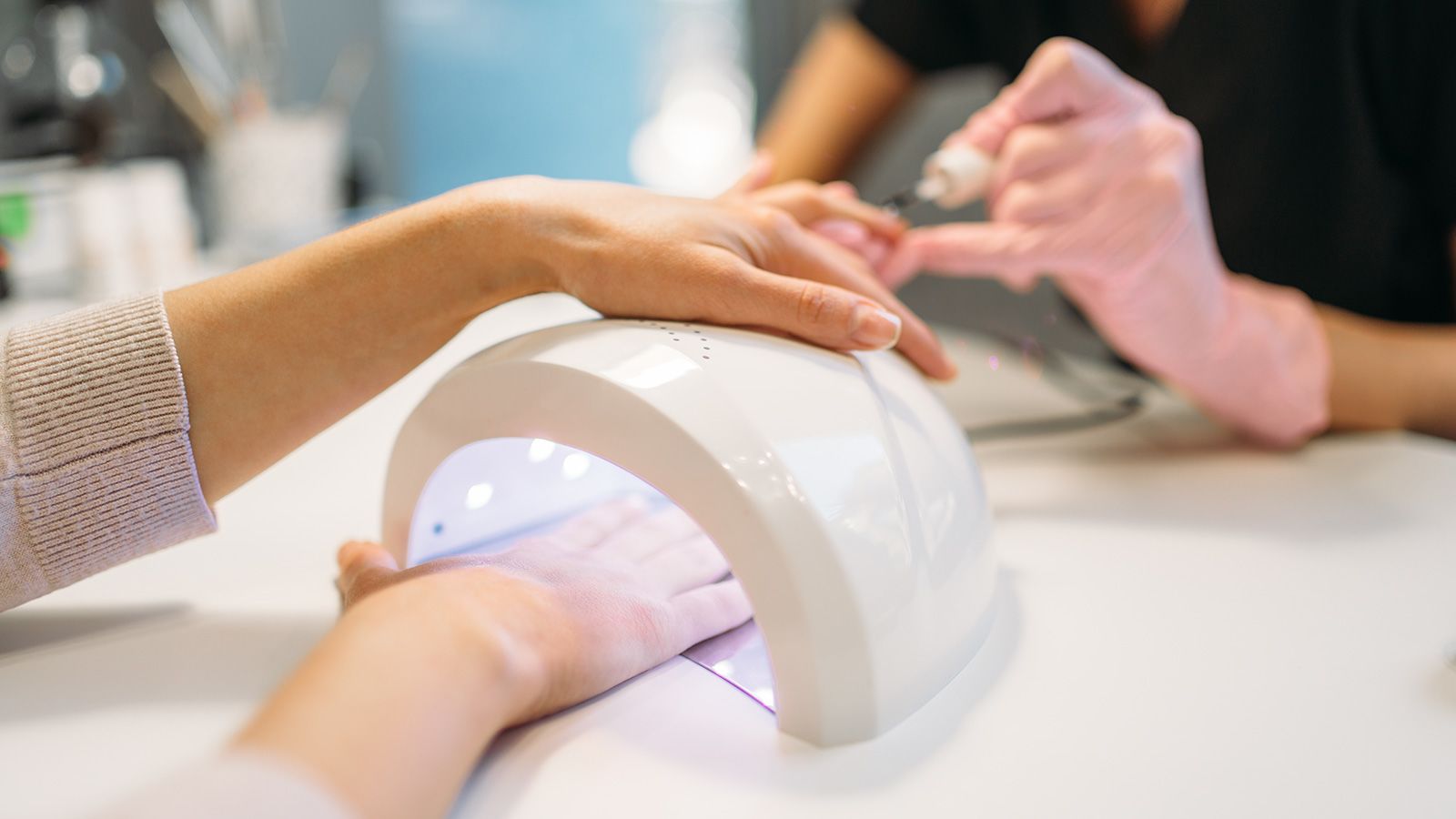
How To Take Off Uv Gel Nails

Okay, confession time. I once tried to peel off my UV gel nails like a stubborn sticker. You know, the kind that leaves little bits of itself behind, mocking you with its sheer tenacity? Yeah, that kind. It was a disaster. My natural nails looked like they'd survived a tiny, glitter-infused war. Peeling, brittle, and sporting a rather alarming shade of pink where the gel had been forcefully, and I might add, painfully, removed. My partner, bless his heart, just stared and asked, “Did you… did you fight a squirrel for those?” The indignity! So, trust me, when it comes to removing UV gel nails, subtlety and the right technique are your best friends. Forget the Hulk Smash method, we’re going for the graceful swan dive into nail salvation here.
This whole gel nail journey is a bit of a commitment, isn’t it? You spend time (and probably a decent chunk of change) getting them looking fabulous, feeling polished, and ready to conquer the world. And then, inevitably, the time comes to say goodbye. Whether they’ve grown out, chipped a little too aggressively, or you’re just itching for a fresh set (the eternal dilemma!), knowing how to remove them properly is key to keeping your natural nails happy and healthy underneath. Because let’s be honest, nobody wants a nail intervention after a DIY removal gone wrong. So, grab a cuppa, settle in, and let’s talk about how to bid adieu to your beloved gel nails without any unnecessary drama.
The Great Gel Escape: A Gentle Guide to Removal
So, you’ve decided it’s time. The gel has served its purpose, and now it’s time for it to… well, go. The most crucial thing to remember here is that patience is not just a virtue, it’s a requirement. Rushing this process is like trying to sprint through a minefield blindfolded. You might get lucky, but the odds are stacked against you, and the potential for damage is… significant.
Must Read
Step 1: The Buff and Roughen Up
First things first, we need to break the seal. Think of the top shiny layer of your gel polish as a protective forcefield. We need to create tiny breaches in that defense so our removal solution can do its magic. Grab a nail file – a coarser grit (around 100-150 grit) is your friend here, but don’t go at it like you’re trying to sand down a table. Gently file the surface of each nail. Your goal is to remove the shine, not to thin your nail down to paper-mâché. Just a few light passes should do it. You’ll see a dull finish, and that’s exactly what you’re aiming for. This step is super important because it allows the acetone to penetrate the gel.
Why are we doing this, you ask? Imagine trying to pour water into a sealed Tupperware container. It’s not going to go in, right? Same principle here! The top coat creates that impenetrable seal. By buffing it off, we’re essentially popping a few tiny holes in the lid so the good stuff (the acetone) can get to work. And a little pro tip from your friendly neighborhood nail enthusiast: try not to file over your cuticle area. That skin is delicate, and we want to keep it happy and healthy.
Step 2: The Acetone Soak – The Main Event
Now for the star of the show: acetone. Yes, that strong-smelling stuff that usually makes you want to open all the windows. You’ve got a couple of options here, and honestly, it’s mostly about personal preference and what you have lying around.
Option A: The Foil Wrap Method

This is probably the most common and effective method. You’ll need 100% acetone (not nail polish remover with added moisturizers – they’re weaker and will take forever!), cotton balls, and some aluminum foil cut into small squares (about 3x3 inches).
Here’s the drill: Soak a cotton ball in acetone until it’s saturated but not dripping everywhere. Place the soaked cotton ball directly onto your gel-coated nail, making sure it covers the entire surface. Then, wrap the foil around your finger, securing the cotton ball in place. The foil helps to trap the heat from your finger, which speeds up the acetone’s action. Repeat for all ten fingers. Now, this is where the patience comes in. You’ll want to leave these on for about 10-15 minutes. Set a timer! Don’t just guess. It’s easy to get distracted, and you want to give the acetone enough time to work its magic.
Option B: The Soak Bowl Method
If you have a small bowl (glass or plastic is fine, just not anything that acetone can damage) and you’re feeling a bit more… immersive, you can opt for the soak bowl. Pour enough 100% acetone into the bowl to cover your fingertips. Then, just dip your fingers in and relax. You can do this while watching your favorite show or listening to a podcast. Again, aim for about 10-15 minutes. The downside to this method is that it can be a bit drying for your skin. Some people like to apply a bit of cuticle oil around their nails before soaking to create a barrier. Worth a shot if you find the foil wraps a bit fiddly!

A quick note: if you’ve got nail enhancements like acrylics underneath your gel, the acetone soak might take a little longer. You might also need to gently push off softened acrylics. But for standard UV gel polish, 10-15 minutes is usually the sweet spot.
Step 3: The Gentle Push-Off
Once the time is up, it’s time to check in. Gently unwrap one of your foil-wrapped fingers (or pull your fingers out of the bowl). You should see the gel polish starting to look a bit… shriveled, or softened. It might even be bubbling a little. Perfect!
Now, grab an orangewood stick or a cuticle pusher. Gently try to push off the softened gel from your nail plate. Start at the cuticle and push towards the free edge. If the gel is still clinging on stubbornly, don't force it! That's your cue to re-wrap and soak for a few more minutes. We’re aiming for a gentle slide-off, not a wrestling match. If you’re finding it really difficult, it might mean the gel wasn’t fully saturated or the soak time wasn’t quite long enough. Go back for a little more soak time. Remember, gentle is the keyword here. You absolutely do not want to scrape or dig into your natural nail.
This is where you might get a little tempted to just… dig. I know, I’ve been there. That little stubborn bit of gel clinging to the corner? It’s calling to you. Resist! Think of it as a final boss that requires a more strategic approach, not brute force. If it’s not coming off easily with a gentle nudge, it needs more time to soften. It’s like trying to get a really stubborn price tag off a new item – sometimes you just need to let the heat or the solvent do its thing for a bit longer.

Step 4: Clean Up and Rehydrate
Once you’ve managed to gently push off all the softened gel, you might have a few bits of residue left. That’s okay! You can use a soft nail brush or a lint-free cloth dampened with acetone to gently wipe away any remaining bits. Again, be gentle. You don’t want to strip away any of your natural nail in the process.
Now, your nails and cuticles are probably feeling a bit… parched. Acetone is a powerful solvent, and it can be quite drying. It’s time for some serious TLC. Wash your hands thoroughly with soap and water to remove any residual acetone. Then, slather on a generous amount of cuticle oil and hand cream. Massage it in really well. This is crucial for restoring moisture and keeping your nails from becoming brittle. You can even pop on some cotton gloves after applying the oil and cream for an overnight moisture boost. Your nails will thank you for it, I promise!
What NOT to Do (Seriously, Don’t Do It!)
I feel like I need to reiterate this because the temptation is REAL. But seriously, avoid these at all costs:
- Peeling or Picking: As my disastrous squirrel-fight story illustrated, this is a fast track to nail damage. You’ll rip off layers of your natural nail along with the gel, leaving them thin, weak, and prone to breakage.
- Using Metal Tools Aggressively: While an orangewood stick or a plastic cuticle pusher is fine for gently nudging softened gel, don’t go digging or scraping with metal tools. You’ll end up gouging your nail plate.
- Relying on Weak Removers: If your nail polish remover doesn’t explicitly say 100% acetone, it’s probably not strong enough to effectively break down gel polish. You’ll end up frustrated and potentially damaging your nails by trying to force it.
- Skipping the Buffing Step: As we discussed, this is essential for the acetone to penetrate. Skipping it means your soak will be less effective, and you might be tempted to pick.
Think of your natural nail like a beautiful, delicate flower. You wouldn't just rip off its petals, would you? You’d gently prune it, care for it, and give it the nutrients it needs to grow. Your nails deserve that same respect!

The Aftermath: Nourishing Your Natural Nails
So, your gel nails are officially GONE. Congratulations! But the journey doesn’t end there. This is your chance to let your natural nails breathe, recover, and get stronger.
For the next few days (or even a week, if you can manage), try to give your nails a break from polish altogether. Let them soak up all that lovely cuticle oil and moisture. If you absolutely must wear polish, opt for a strengthening treatment or a good quality base coat. Hydration is your new best friend. Keep applying cuticle oil multiple times a day. It makes a world of difference.
You might notice your nails feel a little sensitive or weaker immediately after removal. This is normal. With consistent care – lots of oil, a good diet, and avoiding harsh chemicals – they’ll bounce back. It might take a full nail cycle (about 4-6 months) for damaged nails to completely grow out, so be patient and kind to them.
And remember, if you’re ever in doubt or your nails are feeling particularly damaged, don’t hesitate to visit a professional nail technician. They have the tools and expertise to remove gel safely and can offer specialized treatments to help your nails recover. Sometimes, a little professional intervention is the best way to go, and honestly, it's often less stressful than a DIY disaster!
So there you have it! The not-so-secret secrets to removing UV gel nails without turning them into a cautionary tale. It’s all about gentle steps, the right tools, and a healthy dose of patience. Happy nail-caring!