How To Strip Paint Off A Door
So, you've got a door. A door that's seen better days. A door that's rocking a paint job from, like, the 70s. Or maybe it's just chipped and sad. Whatever the case, you're thinking, "Hey! I wanna give this door a makeover!" And that, my friend, is where the glorious adventure of paint stripping begins.
Why is stripping paint fun? Easy! It’s like archaeology, but for your house. You're uncovering history, layer by glorious layer. Who knows what lurks beneath that avocado green? Maybe a deep, mysterious mahogany. Or perhaps a shockingly vibrant turquoise. It's a surprise party for your door!
And let's be honest, sometimes paint just makes things… weird. It fills in all the beautiful details. The craftsmanship? Gone. Hidden. Like a secret message waiting to be revealed. Stripping paint is basically your excavation tool for forgotten beauty.
Must Read
The Grand Plan: What You Need to Know
Alright, before we go all Indiana Jones on this door, a little prep is key. Think of it as packing for your epic quest. You don't want to be halfway through battling stubborn latex and realize you forgot your trusty chisel.
First off, what kind of paint are we dealing with? This is crucial. Is it old, flaky stuff that probably contains actual lead (eek!)? Or is it just a few layers of modern acrylic? Knowing this will dictate your approach. And your safety gear. Safety first, always!
We're talking about ventilation here. Open those windows. Get some airflow. Paint fumes are not your friend. They're the annoying party crashers of the renovation scene. Plus, a fresh breeze makes the whole process feel a lot less like a spelunking expedition and more like a breezy afternoon.
Choosing Your Weapon: Stripping Methods
Now for the fun part: picking your paint-removing champion. There are a few ways to go, and each has its own personality.
The Chemical Warfare Approach: Paint Strippers
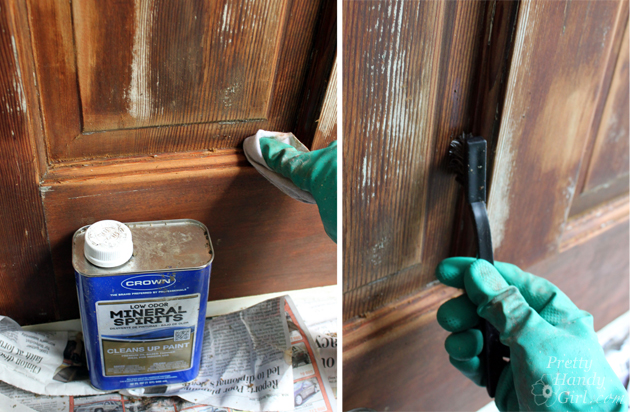
This is the heavy artillery. Think of these as super-powered solvents. They're like tiny paint-eating monsters. You slather them on, wait a bit, and poof – the paint gets all gummy and ready to be scraped off.
There are different types, too. Some are gentler, some are… let's just say, robust. Always read the instructions. Seriously. These things are potent. We're talking gloves, eye protection, maybe even a respirator if you're going all out. Don't be a hero without protection!
A fun fact: Some old-school strippers used to be made with really nasty chemicals. We've gotten way better and safer over the years. Still, treat 'em with respect.
The Heat Wave Technique: Heat Guns
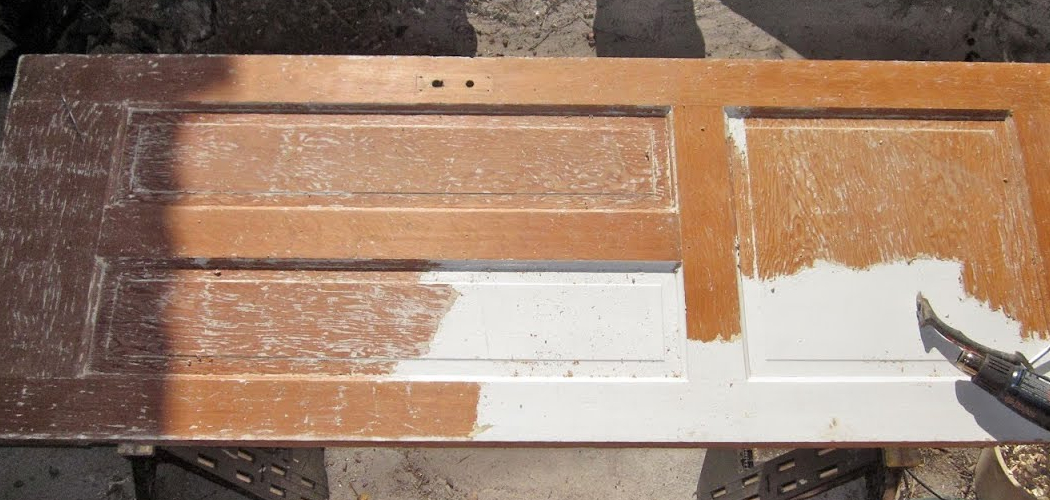
This method involves a heat gun. It's like a fancy hairdryer for paint. You blast the paint with hot air, and it softens and bubbles up, ready for scraping.
This can be super satisfying. You watch the paint just… surrender. It's a visual treat. But! Be careful. Too much heat can scorch the wood underneath. And if you're dealing with old paint, you run the risk of releasing lead fumes. So, ventilation and caution are your best pals here.
It’s like coaxing the paint to leave, rather than forcing it. A gentle, yet firm, persuasion.
The Mechanical Mayhem: Sanding and Scraping
This is the good old-fashioned elbow grease method. You can sand it off, or you can scrape it off. Or, let's be honest, you'll probably do a bit of both.

Sanders are great for larger areas. You can get a power sander for speed, or a good old orbital sander for a more controlled approach. But be prepared for dust. So much dust. It’s like a mini snowstorm in your house, but with less Christmas cheer and more wood particles.
Scrapers are your best friends for details and stubborn bits. Putty knives, paint scrapers, even old credit cards in a pinch (though I don't recommend that for serious jobs). It’s all about finding the right angle and applying steady pressure.
Sometimes, you'll find that the paint is so thick, you'll need to start with a scraper to get through the bulk of it before sanding can even begin. It's a multi-stage battle!
The Nitty-Gritty: Let's Get Strippin'!
Okay, gear up. Let's do this. Imagine you're a detective, and the paint is your prime suspect.
Step 1: Preparation is Key (Again!)
Cover anything you don't want to get paint gunk on. Drop cloths are your friends. Remove hardware – doorknobs, hinges, all that jazz. You want a clear canvas.
If you suspect lead paint (pre-1978 homes, generally), wear a mask and do your best to keep dust contained. Seriously, it's not worth the risk.
Step 2: Apply Your Chosen Weapon
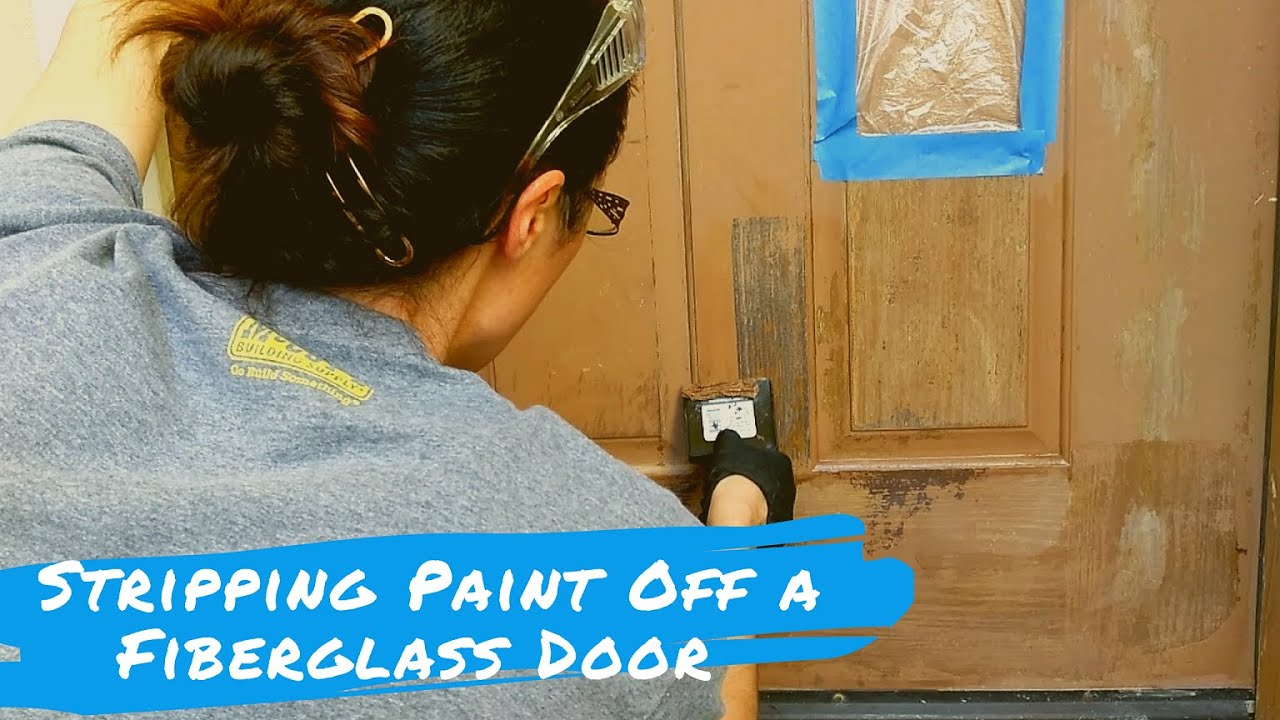
Chemical Stripper: Slather it on thick. Don't skimp. Follow the manufacturer's instructions for dwell time. You'll see the magic happen – the paint will wrinkle and soften.
Heat Gun: Hold it a few inches away from the surface. Keep it moving. Don't linger in one spot. As the paint bubbles, scrape it away immediately.
Sanding/Scraping: Start with a coarser grit sandpaper if you have thick layers, or just go straight to scraping. Attack those thick, stubborn patches.
Step 3: The Scrape-a-Palooza
This is where the fun (and the hard work) really begins. Use your scraper at a comfortable angle. Work with the grain of the wood. You want to lift the softened paint off in chunks.
It can be messy. Very messy. Embrace the mess. Think of it as a badge of honor. You're a paint-stripping warrior!
Sometimes, you’ll hit a stubborn spot. Don't panic. Apply a little more stripper, or a bit more heat, or just put your shoulder into it. Persistence pays off.
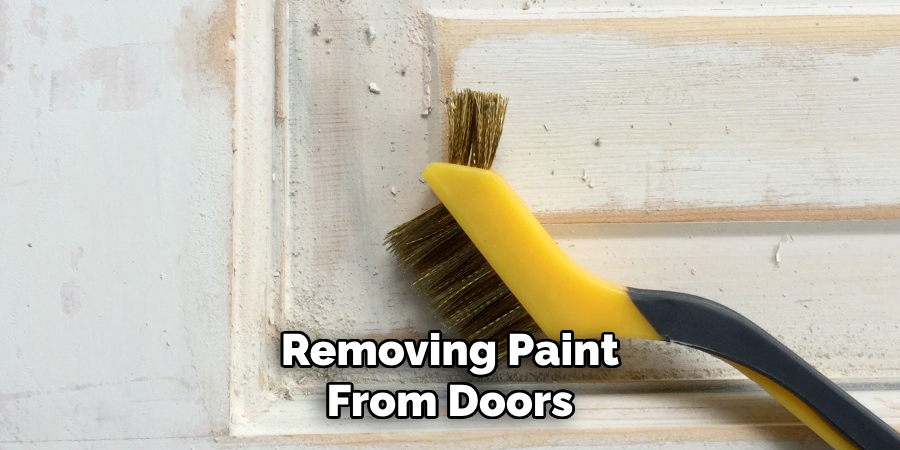
Step 4: The Clean-Up Crew
Once you’ve scraped off as much as you can, it’s time for a final clean. If you used chemical strippers, you might need to neutralize them with a specific product or a simple wash. Then, it’s time for sanding!
Start with a medium-grit sandpaper (like 120) to smooth out any rough spots and remove any lingering paint residue. Then, move to a finer grit (like 220) for a super smooth finish. This is where you truly reveal the beauty of the wood underneath.
Wipe down the door thoroughly to remove all dust. You want it clean and ready for its next chapter.
The Glorious Reveal!
And there you have it! A door, stripped bare. It's naked, in a good way. It's ready for a fresh coat of paint, stain, or even a clear varnish to show off its natural beauty.
This whole process might seem daunting, but it's incredibly rewarding. You've transformed something tired and drab into something fresh and exciting. You've uncovered a hidden gem. You've conquered the paint!
Plus, think of the stories you can tell. "Oh, this door? I personally liberated it from its polyurethane prison." It has a certain je ne sais quoi, doesn't it?
So, go forth and strip! Unleash your inner DIY superhero. Your door will thank you. And who knows? You might just discover you have a knack for this whole paint-stripping thing. It’s surprisingly… therapeutic. And hey, you get a really cool story out of it.