How To Stop A Slice In Golf

So, there I was, standing on the 17th tee at Pinehurst, feeling pretty good about my game. The sun was setting, casting that gorgeous golden light, and I had a decent score going. Then it happened. My driver, which had been cooperating beautifully all day, decided to have a little holiday of its own. Thwack! The ball, instead of heading towards the fairway, took a sharp, unforgiving detour to the right, disappearing into a thicket of sand and scrub. Another slice. My playing partners, bless their hearts, offered sympathetic nods and the occasional, "Tough break, mate." Yeah, a tough break that added about three strokes to my round and a significant dent to my ego.
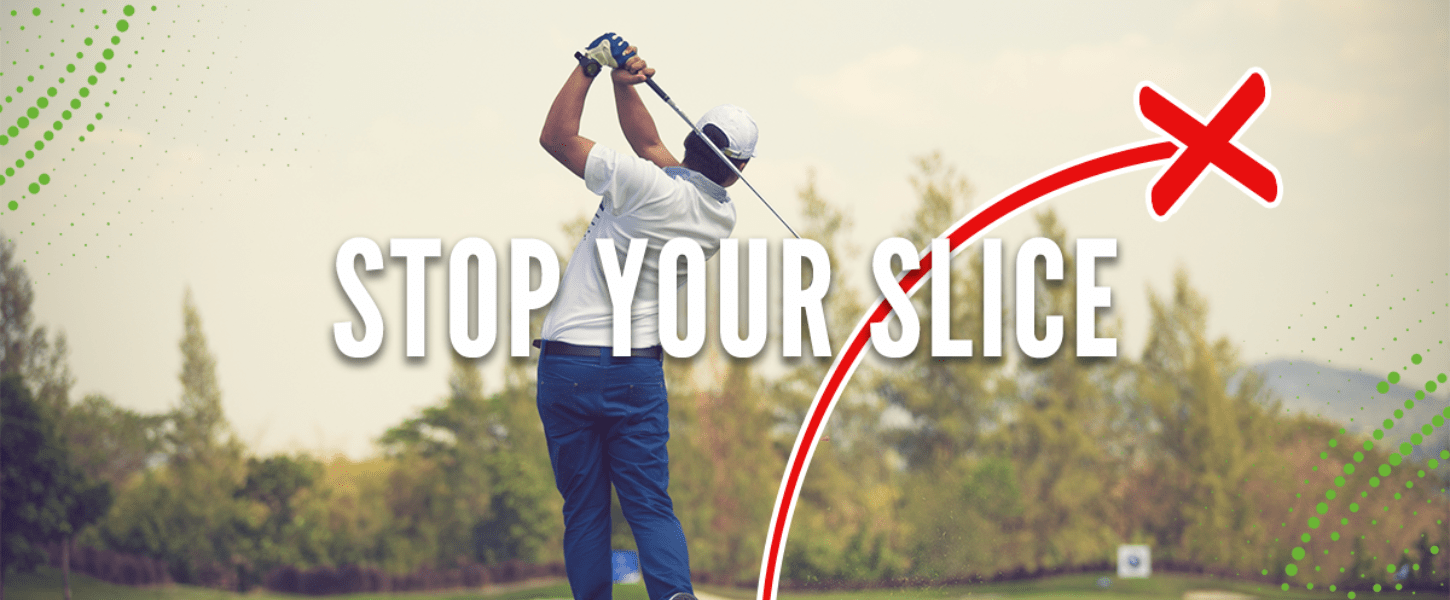
Sound familiar? If you're a golfer, and let's be honest, most of us are to some degree, you've probably had your own personal "Pinehurst 17th" moment. That dreaded slice, that unwelcome curveball that turns a promising shot into a mini-disaster. It’s the bane of many an amateur golfer’s existence, and let me tell you, even the pros aren't immune. So, if you're tired of watching your ball dance a jig to the right (for you right-handers, anyway), buckle up. We're going to dive into the murky, yet surprisingly manageable, world of how to stop a slice.
The Great Slice Debate: What Even IS It?
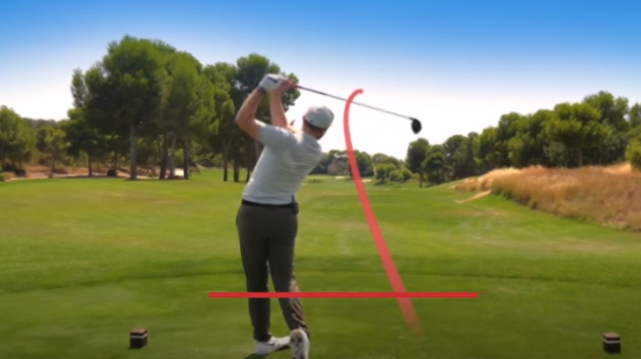
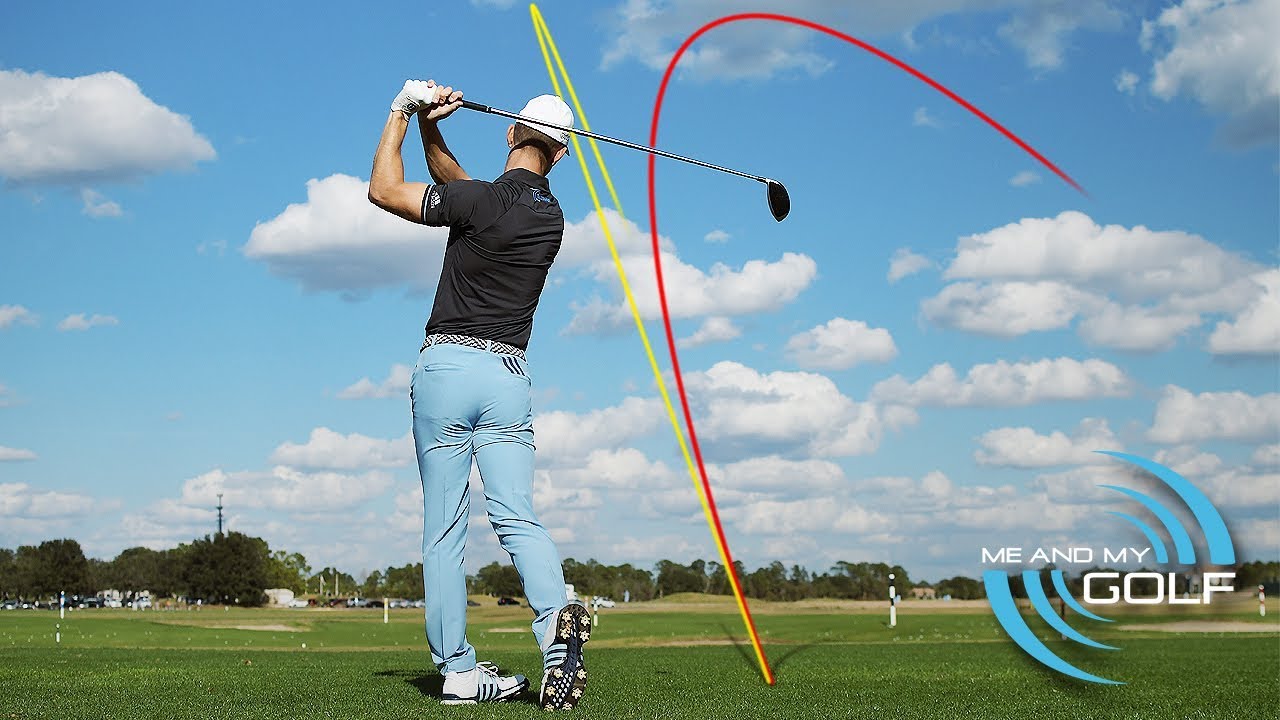
Before we start dissecting the problem, let's quickly define our nemesis. A slice, in golf terms, is a shot that curves significantly from left to right for a right-handed golfer (or right to left for a left-handed golfer). It's not a gentle fade; it's more like a desperate attempt by the ball to escape your clubface and seek refuge in the nearest hazard. And why does it do that? Well, it all boils down to a rather unfortunate combination of clubface angle and swing path at impact.
Must Read
Think of it this way: for the ball to go straight, your clubface needs to be square to your target line at impact, and your swing path needs to be coming from the inside of that target line (or, for simplicity’s sake, moving through the ball in a relatively straight line towards the target). When you slice, typically, your clubface is open (pointing to the right of your target) at impact, while your swing path is coming from the outside-in (pulling across the ball). This open face and out-to-in path create that dramatic rightward curve. It’s like trying to push a grocery cart with one wonky wheel and also pushing it at an angle. Chaos!
Now, the million-dollar question is: why does this happen? Ah, the eternal golf mystery! It can be a complex interplay of many factors, and often, it’s not just one single thing. But fear not, we can start to untangle this Gordian knot of a golf swing.
The Usual Suspects: Common Causes of the Slice
Let’s shine a spotlight on some of the most common culprits behind that dreaded slice. Recognizing your personal brand of slicing is the first step to fixing it.
1. The "Chicken Wing" Syndrome
This is a classic. As you swing through the ball, your lead arm (left arm for right-handers) collapses inwards, like a chicken’s wing. This usually happens because you're trying too hard to "hit at the ball" rather than "swinging through it." When your lead arm collapses, it forces the clubface to open up. You're essentially throwing the clubface open with your elbow. Ouch.
Try this: imagine you're trying to keep your lead arm relatively straight and extended through impact. Don't think about forcing it, just focus on maintaining that connection. It might feel a bit stiff at first, but it’s a crucial element for a square clubface.
2. The Outside-In Swing Path
This is the other half of the slice equation. You’re swinging the club across the ball from out to in, rather than swinging it along the target line from in to out. Imagine you're trying to hit a draw (a shot that curves gently to the left). A draw swing path is generally from the inside, swinging out towards the target. A slice swing path is the opposite – it’s like you’re chopping down on the ball from the outside.

This often happens because of a few things: trying to hit the ball too hard, a poor takeaway, or even just an unconscious attempt to "cut across" the ball to keep it straight, which, ironically, does the opposite.
Side comment: I remember working with a guy who was convinced he just had a "weak grip." We worked on his grip, and it improved slightly, but the slice persisted. Turns out, his real issue was a massive outside-in swing, and his "weak grip" was just a symptom of his body trying to compensate. Funny how things work, eh?
3. The Open Clubface
This is the direct result of many other issues, but it's worth mentioning on its own. The clubface is pointing left of the target at impact. Why? As we touched on, the chicken wing can do it. Trying to scoop at the ball can do it. Not rotating your body properly can do it. It’s a bit like a runaway train – once it’s open, it’s hard to get it back square.
Sometimes, golfers think they have an open clubface when the real culprit is the swing path. But more often than not, they’re intertwined. It’s a terrible tango of bad mechanics!
4. Grip Issues (But Be Careful!)
Your grip is the only way you connect with the club, so it’s naturally important. A very weak grip (where your hands are rotated too far to the left for a right-hander) can make it incredibly difficult to square the clubface. You’ll find yourself fighting to keep the face from opening.
Conversely, some people might have an overly strong grip (hands rotated too far to the right). This can actually cause a hook if not managed correctly, but sometimes, in an attempt to avoid hooking, golfers overcompensate and still end up slicing. It’s a tricky balance.
Key takeaway here: While grip can contribute, don’t assume it’s the only or even the primary reason for your slice. Often, it’s a symptom, not the disease itself.
5. Trying Too Hard!
This is the one that gets most of us. We see the slice, we get frustrated, and then we try to muscle the ball straight. We grip down, we swing harder, we tense up. Guess what? That usually just makes the slice worse! You tighten up, your muscles seize, and your swing path gets even more out of sync. It's a vicious cycle.
Golf is a game of finesse and timing, not brute force. If you're trying to hit the ball with the intensity of a lumberjack felling a redwood, you're probably doing it wrong.
The Antidote: How to Actually Cure the Slice
Alright, we’ve identified our foe. Now, let’s talk about victory. Here are some practical, actionable steps you can take to banish that slice to the golf archives.
1. Check Your Setup: The Foundation is Everything
Before you even swing, your setup is critical. A good setup can prevent a lot of problems before they even start.
- Alignment: Are you aligned correctly? Most slicers aim their body at the target, but their clubface is pointing way right. This leads to an unconscious attempt to swing "left of left" to compensate, which often exacerbates the slice. Try aligning your clubface to the target first, then your body parallel to that clubface line. This means your body will likely be aiming slightly left of the target, which is what you want if you have an open clubface. It feels weird, I know!
- Ball Position: For drivers, the ball should generally be off the lead heel. Too far back in your stance can encourage an outside-in swing.
- Stance Width: A slightly wider stance can provide more stability and allow for better rotation.
2. Grip it Good: The Nuance of Hand Placement
Let’s revisit the grip. If you suspect your grip is a major contributor, here’s what to look for:
- Neutral to Slightly Stronger: For a right-hander, try to see at least 2-3 knuckles on your lead hand (left hand) when you look down. The "V" formed by your thumb and forefinger on both hands should point roughly towards your trail shoulder.
- Don't Overdo It: A super strong grip can lead to hooks, so find that sweet spot. If you’re unsure, getting a lesson from a pro is invaluable here. They can see what you can’t.
3. The Takeaway: Starting Smoothly
How you start your swing is often how it ends. An aggressive, "wristy" takeaway can promote an out-to-in swing path.
- One-Piece Takeaway: Try to keep your triangle formed by your arms and shoulders intact as you start your backswing. Think of moving the club back using your bigger muscles, not just your wrists.
- Clubhead Outside the Hands: As the club goes back, the clubhead should stay slightly outside your hands for a brief moment. This encourages an inside path.
4. The Backswing and Transition: Building the Right Angle
This is where many slicers go wrong.
- Shallow the Club: When you get to the top of your swing, the shaft of the club should ideally be pointing somewhere between the ball and your target (or slightly inside it). If it’s pointing way outside the target line, you’re set up for an out-to-in swing. Think about "dropping the club" into a shallower position on the downswing.
- Avoid Casting: "Casting" is when you release your wrists too early in the downswing, which often leads to an open clubface and an outside-in path. Try to feel like you're holding the "lag" longer.
5. The Downswing: Path and Face Control
This is the moment of truth. The goal is to swing from the inside and deliver a square clubface.
- Inside-to-Out Path: Instead of thinking "swing left," try to feel like you're swinging towards the target and slightly outward past the ball. Imagine you’re trying to hit a draw. Even if you don’t draw it, this feeling will help straighten your path.
- Body Rotation: Allow your body to rotate through the shot. Don't let your arms do all the work. A proper body turn helps deliver the clubface squarely.
- Release the Club: Don't hold on to the club too long! Let your wrists naturally release through impact. This helps square the clubface. It's a feeling of "unhinging" your wrists, not a conscious effort to flip them.
6. The "Pump Drill" (A Personal Favorite)
This is a fantastic drill for feeling the inside-to-out swing path and shallowing the club. From the top of your backswing, make a move down as if you were going to hit the ball, but stop halfway. Then, repeat that "half swing." On the third swing, go ahead and hit the ball. The feeling of the club dropping into that shallower slot and swinging out should become more apparent.
Side comment: I’ve used this drill myself more times than I care to admit. It’s like a reset button for my swing when I start getting sloppy. Give it a go, you might be surprised!
7. The "Inside-Out" Feel Drill
Place a tee or marker about a clubhead length outside your ball, on the target line. Your goal in the downswing is to feel like you're swinging the club towards that marker. Again, this promotes that crucial inside-to-out path. You'll be aiming to hit the ball then the marker. It's all about the feeling!
8. Video Analysis: See It to Believe It
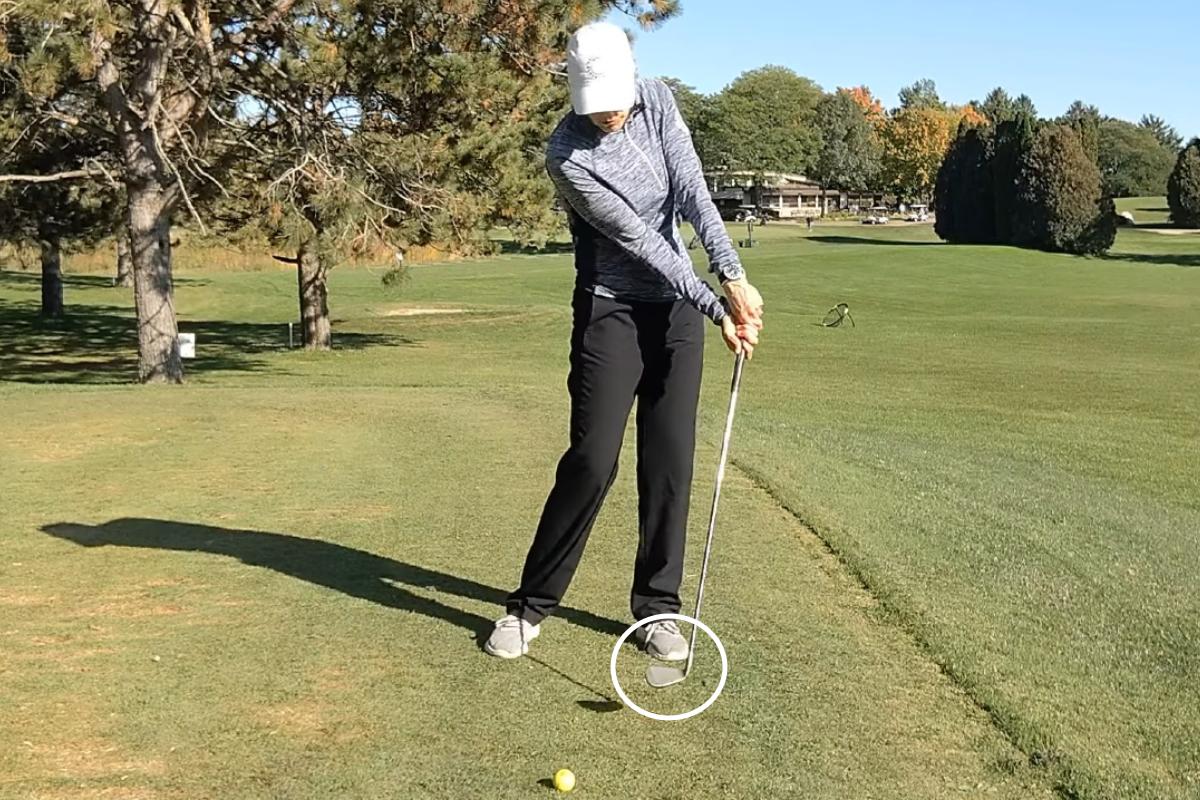
If you can, record yourself. Honestly, seeing your swing on video is often eye-opening, and sometimes, a little terrifying. You’ll be able to spot the chicken wing, the outside-in path, and other culprits you might not even realize you’re doing.
Word to the wise: Don't just watch and despair. Use it as a tool to identify what needs fixing. Compare it to good swing mechanics online or with your coach.
9. Patience and Persistence: The Golf Mantra
This is the hardest part, isn't it? Golf improvement isn't linear. You’ll have good days and bad days. You might fix one thing, and another issue might pop up. It's a journey. Don't expect overnight miracles. Focus on making small, consistent changes.
Celebrate the small wins. If you hit three shots straight in a row, take that as a massive victory! It’s all part of the process.
When to Call in the Pros
Look, I’m all for DIY golf fixes. But sometimes, you need a little expert guidance. If you’ve tried everything, you’re getting more frustrated, and the slice is still stubbornly clinging on, it’s time to book a lesson with a PGA professional. They have the trained eye to diagnose your specific issues quickly and provide personalized drills and feedback.
Think of it as an investment in your golf sanity. A good instructor can save you years of frustration and wasted time. Plus, they usually have some pretty cool gadgets to help you understand your swing better.
So, there you have it. The slice is a common ailment, but it’s far from incurable. By understanding the causes and diligently working on the solutions, you can start to turn those embarrassing rightward curves into confident, straight shots. Remember, golf is a journey. Embrace the process, stay patient, and most importantly, have fun! Now go out there and give those fairways a proper introduction to your game.