Ah, the humble window. It lets in the sunshine, the fresh air (sometimes!), and the occasional rogue leaf. But it also, quite often, lets in something far less welcome: a chilly, persistent draft. If you’ve ever found yourself inexplicably shivering in a room, even with the thermostat cranked up, there’s a good chance a sneaky window draft is the culprit. Tackling these little air bandits isn't just about comfort; it’s like unleashing your inner home detective, solving a minor mystery that directly impacts your coziness and your wallet. It’s surprisingly satisfying, and trust us, when you finally banish that icy breeze, you’ll feel like a DIY superhero.
The main purpose of stopping window drafts is pretty straightforward: to create a more comfortable living space. Think of it as giving your home a warm, cozy hug. When drafts are sealed, you’ll notice a significant improvement in temperature consistency. No more playing musical chairs to find the warmest spot in the room or wearing sweaters indoors in July (okay, maybe not that extreme, but you get the idea!).
But the benefits go beyond just feeling toasty. Sealing drafts is a fantastic way to save energy. When warm air escapes through gaps and cracks, your heating system has to work overtime to replace it. This translates directly into higher energy bills. By stopping these leaks, you're essentially telling your heater to take a well-deserved break, which is good for your budget and the environment. It’s a win-win situation!
Don't worry, you don't need a degree in engineering or a workshop full of power tools to tackle drafts. Most solutions are simple, inexpensive, and can be done in an afternoon. Let's dive into some of the most effective methods:
The Classic: Weatherstripping
This is your first line of defense. Weatherstripping is like a little rubber or foam gasket that you stick around the edges of your window where the sash meets the frame. It creates a seal that stops air from sneaking through. There are several types:
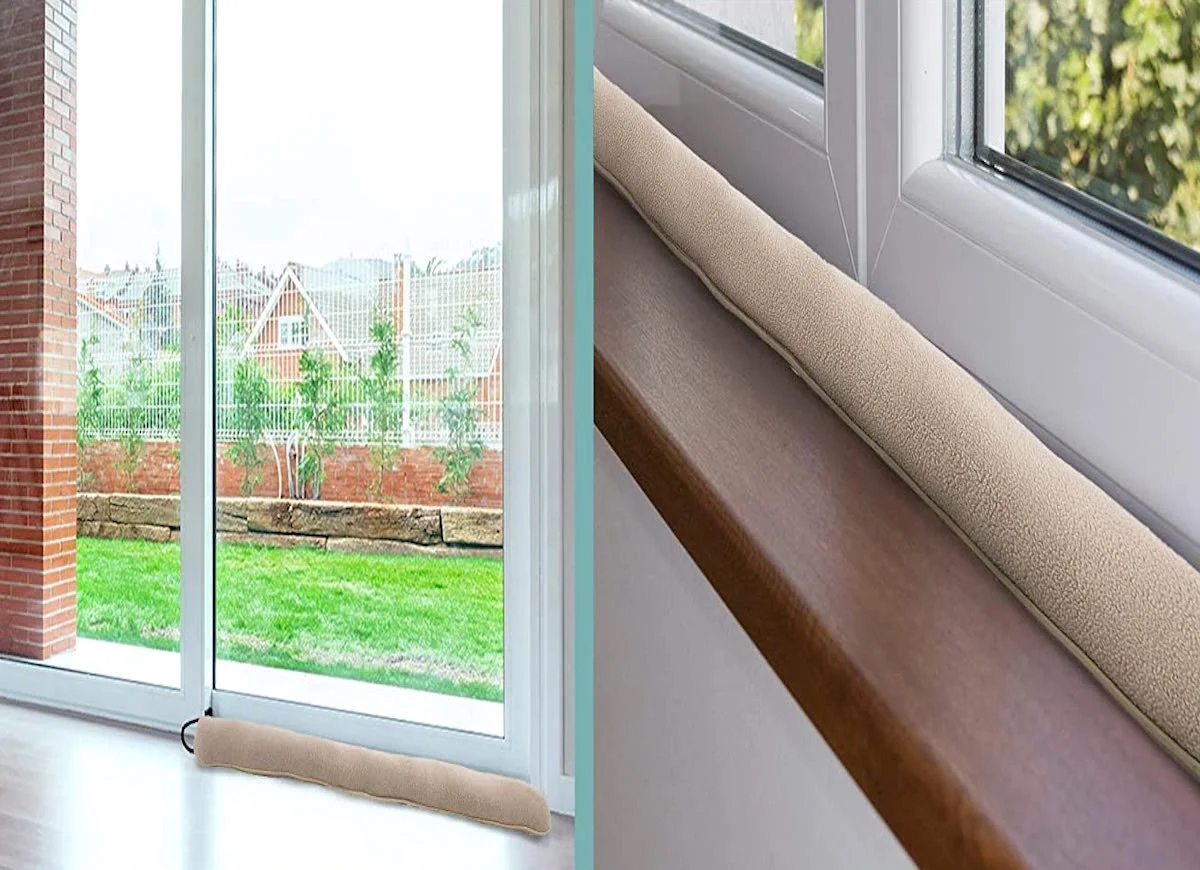
Extra-long Door Draft Stopper Draft Dodger Door Draft Stop Draft Buster
Adhesive-backed foam tape: Super easy to apply. Just peel and stick! It’s great for less-used windows or areas that don't get a lot of wear and tear.
V-strip or spring-seal weatherstripping: This is made of vinyl or metal and fits into a groove. It’s a bit more durable and effective for areas that open and close frequently.
Felt weatherstripping: A good option for older, wooden windows. It’s flexible and can conform to uneven surfaces.
When choosing weatherstripping, make sure it’s the right thickness to create a snug seal without making your window difficult to close. Measure the gaps carefully!
The Invisible Shield: Caulk
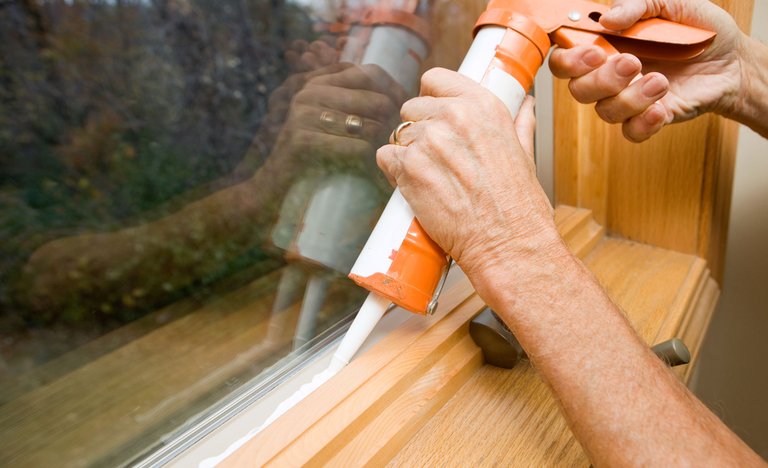
Think of caulk as the silent guardian of your home’s insulation. It’s perfect for filling larger gaps and cracks, especially around the exterior of the window frame where it meets the wall. You’ll want to use a good quality exterior caulk that’s paintable so you can blend it in seamlessly.
Application is pretty simple with a caulk gun. Just apply a steady bead of caulk into any visible cracks or gaps. Smooth it out with your finger (dipped in water for a smooth finish) or a damp cloth. Let it dry completely. It’s amazing how much difference these tiny gaps can make!
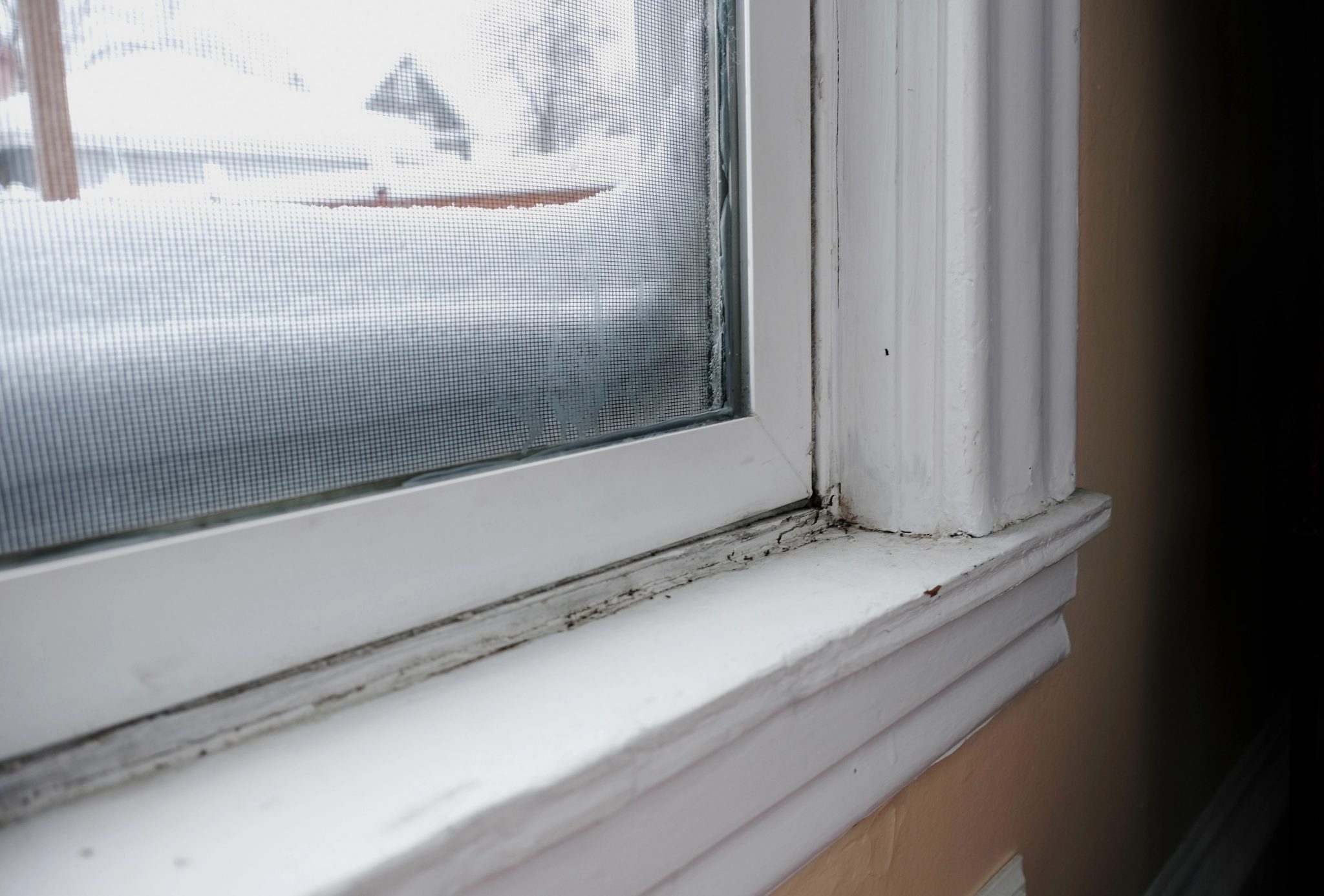
Window Drafts: How to Stop Them and Other Maintenance Tips
The Cozy Blanket: Window Insulator Kits
For those really old or drafty single-pane windows, a window insulator kit (often called shrink film) can be a game-changer. These kits come with a plastic film and double-sided tape. You tape the film to the inside of the window frame, creating an airtight pocket of air. Then, you use a hairdryer to shrink the film taut, making it almost invisible and creating a fantastic insulating barrier.
It’s a temporary solution, but incredibly effective during the colder months. Plus, it’s a budget-friendly way to boost your home’s energy efficiency. Just be sure to follow the kit’s instructions carefully for the best results.
The Quick Fix: Draft Stoppers
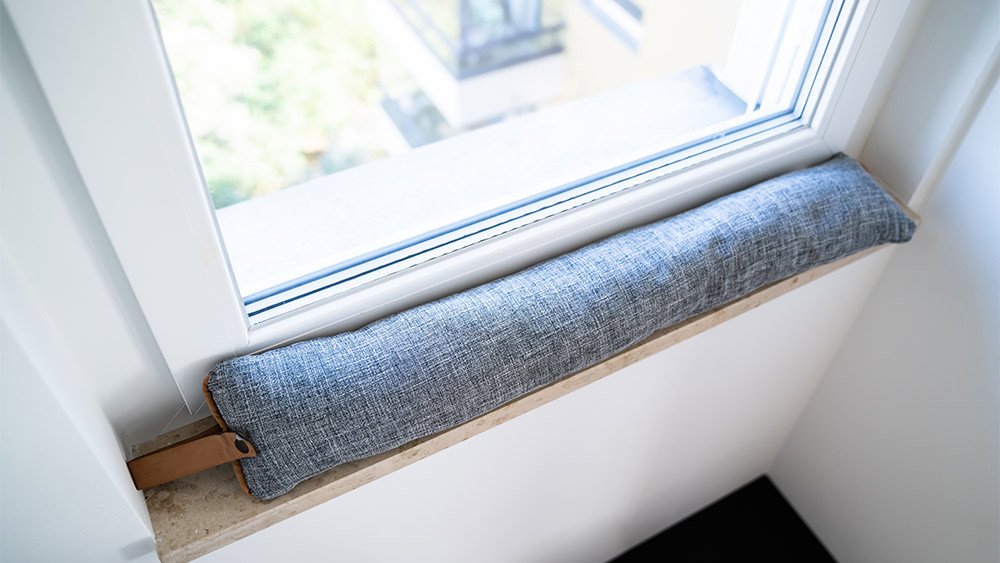
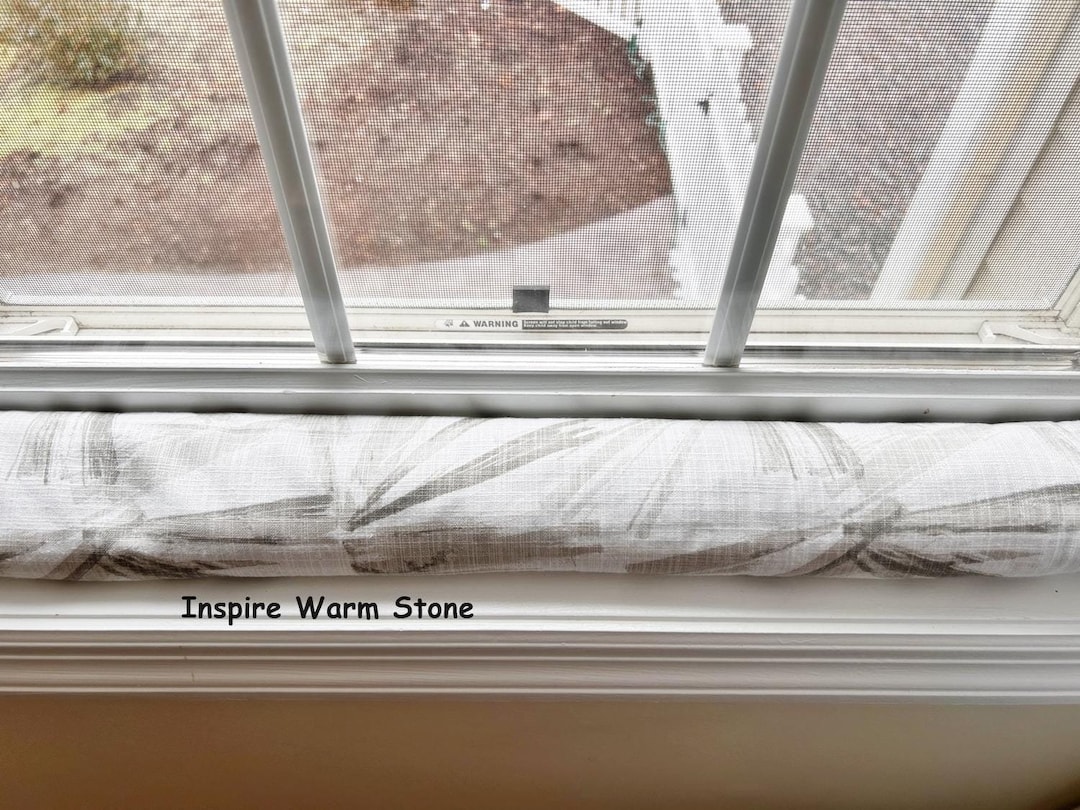
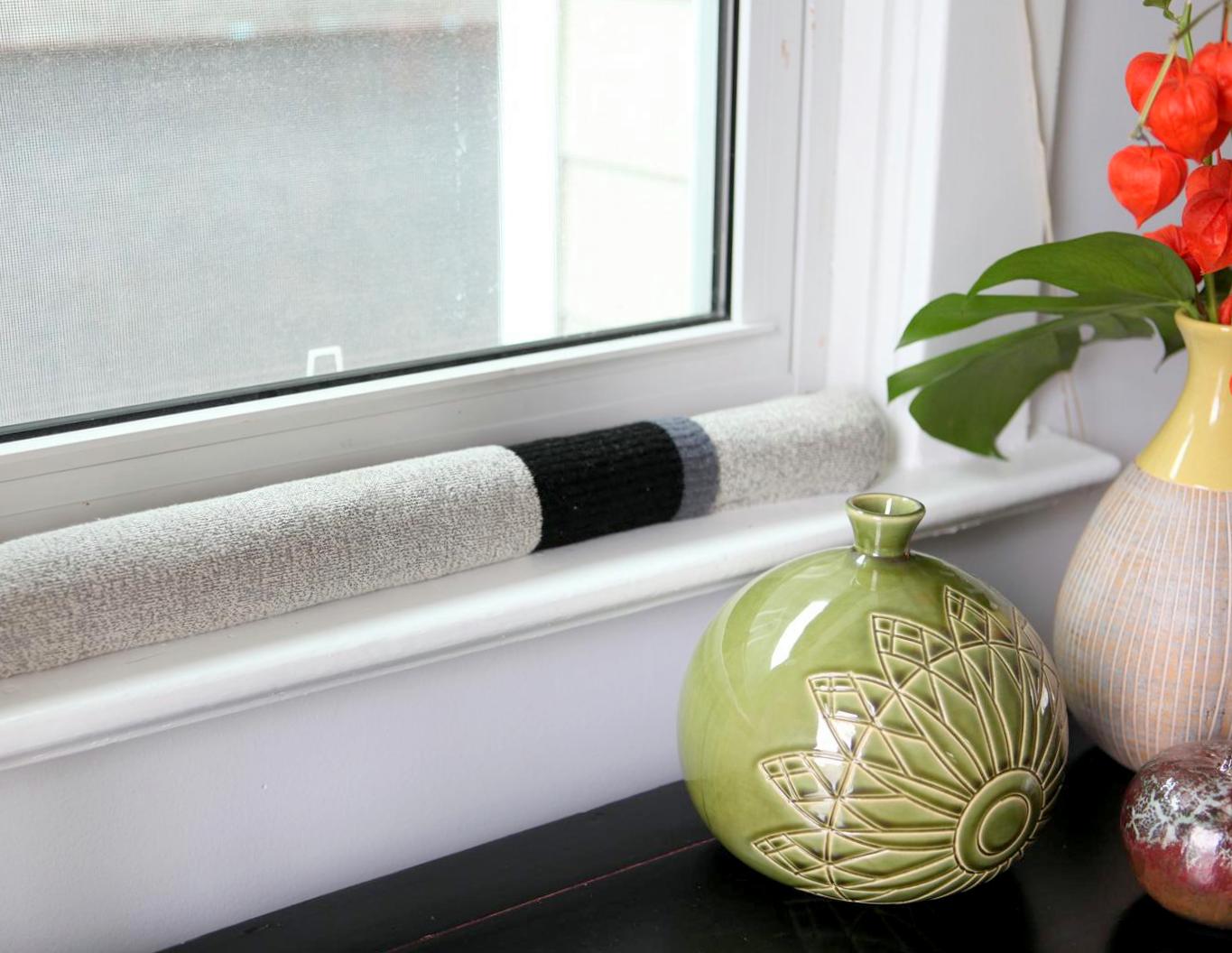
If you're looking for an instant, no-fuss solution, draft stoppers (also known as draft snakes) are your best friend. These are fabric tubes, often filled with rice, beans, or polyester fiberfill, that you simply place along the bottom of your window or door.
Drafty Windows? Try These 12 Solutions for Every Budget - Bob Vila
They’re super cute, come in tons of designs, and are incredibly effective at blocking drafts from the sill. You can even make your own with some old fabric and stuffing! It’s a fun and decorative way to keep the cold out.
The DIY Marvel: Rolled-Up Towels or Blankets
Sometimes, the simplest solutions are the best. If you’ve got a persistent draft that you’re not quite ready to tackle with permanent fixes, a good old-fashioned rolled-up towel or blanket placed strategically can do wonders. It’s a temporary but effective barrier that immediately stops that icy gust in its tracks.
This is particularly useful for temporary situations or when you’re waiting for a more permanent solution. It’s the ultimate quick-and-dirty fix that still delivers results!
Draft from Window: How to Stop Window Drafts | Foam University by
Putting It All Together
Start by doing a quick inspection of your windows. Feel for drafts with your hand or hold a lit incense stick or a thin piece of tissue paper near the edges. If the smoke or paper moves, you’ve found a leak! Identify where the drafts are coming from – the sides, the top, the bottom, or around the glass itself.
Once you know where the problem lies, choose the appropriate solution from our toolkit. For most windows, a combination of weatherstripping and caulk will do the trick. For older windows, consider adding a shrink film kit. And for those quick-fix needs, draft stoppers are perfect.
Taking the time to seal up your window drafts might seem like a small task, but the rewards are significant. You’ll enjoy a warmer, more comfortable home, lower energy bills, and the satisfaction of knowing you’ve made your living space a little bit better. So go forth, home detectives, and conquer those drafts!