
How To Set Up A Tropical Tank
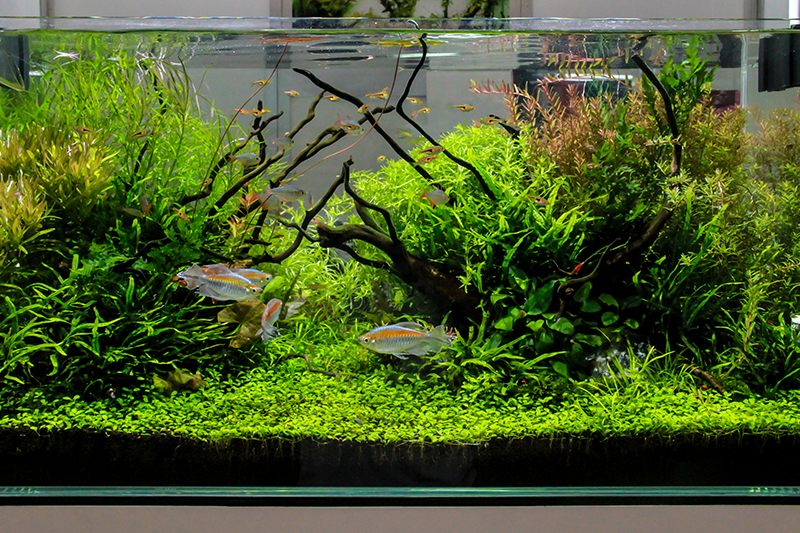
Dreaming of a little slice of paradise in your living room? You know, the kind with vibrant fish darting through lush greenery, the gentle hum of a filter, and maybe even a tiny waterfall? Setting up a tropical tank isn't just about creating a beautiful display; it's about bringing a little piece of the tropics home. Think of it as your personal underwater vacation, available 24/7. And guess what? It’s way more achievable than you might think, even if your DIY skills currently extend to assembling IKEA furniture (and sometimes not even that!).
Let’s ditch the intimidating jargon and dive headfirst into the wonderfully chill world of tropical aquariums. We're talking about a lifestyle upgrade, a conversation starter, and a surprisingly effective stress reliever. Forget the yoga mat for a moment; sometimes, all you need is to watch a neon tetra do its thing. So, grab a cup of something refreshing – perhaps a mojito, for ultimate tropical vibes – and let's get started on creating your own aquatic Eden.
The Foundation: Choosing Your Aquarium
First things first: the tank itself. This is your canvas, your miniature world. And like any good canvas, size matters. For beginners, a 10-gallon or 20-gallon tank is usually a sweet spot. It's manageable, easier to keep stable, and won't break the bank. Bigger tanks are fantastic, but they require more water, more equipment, and more commitment. Think of it as starting with a studio apartment before moving to a mansion. You want to learn the ropes without feeling overwhelmed.
Must Read
When choosing your tank, consider the material. Glass is classic and scratch-resistant, while acrylic is lighter and less prone to breaking. For that extra touch of luxury, some tanks come with built-in lighting and filtration systems. These are great for streamlining the setup process, kind of like getting a pre-decorated Airbnb – less stress, more relaxation. Just make sure the dimensions work for your space. Nobody wants a behemoth aquarium dominating their tiny apartment, unless that’s your jam, of course!
Location, Location, Location!
Where you place your tank is crucial. Think about it like choosing a spot for your most prized plant. It needs the right conditions to thrive. Avoid direct sunlight, as this can cause algae blooms and extreme temperature fluctuations. We’re aiming for a stable, serene environment, not a mini-greenhouse that boils your fish alive. Plus, a tank full of water is surprisingly heavy, so make sure your chosen spot is on a sturdy surface. A dedicated aquarium stand is ideal, designed to bear the weight and often equipped with handy storage for your fishy paraphernalia. No one wants a flooded living room, trust me.
Consider accessibility for maintenance too. You'll need to reach in to clean, feed, and generally fuss over your aquatic residents. A spot that’s easily accessible, but also out of the way of high traffic, is perfect. Think about power outlets for your equipment as well. It's the little practicalities that make a big difference in the long run. This isn’t just about aesthetics; it’s about creating a functional ecosystem.
The Heartbeat: Filtration and Heating
Now, let's talk about the engine of your aquatic world: the filter. This is your tank's life support system, working tirelessly to keep the water clean and healthy. There are several types, like hang-on-back (HOB) filters, internal filters, and canister filters. For smaller tanks, an HOB filter is often a great choice. They’re easy to install, maintain, and relatively quiet. Think of it as the gentle purr of your pet cat, a sign of contentedness.
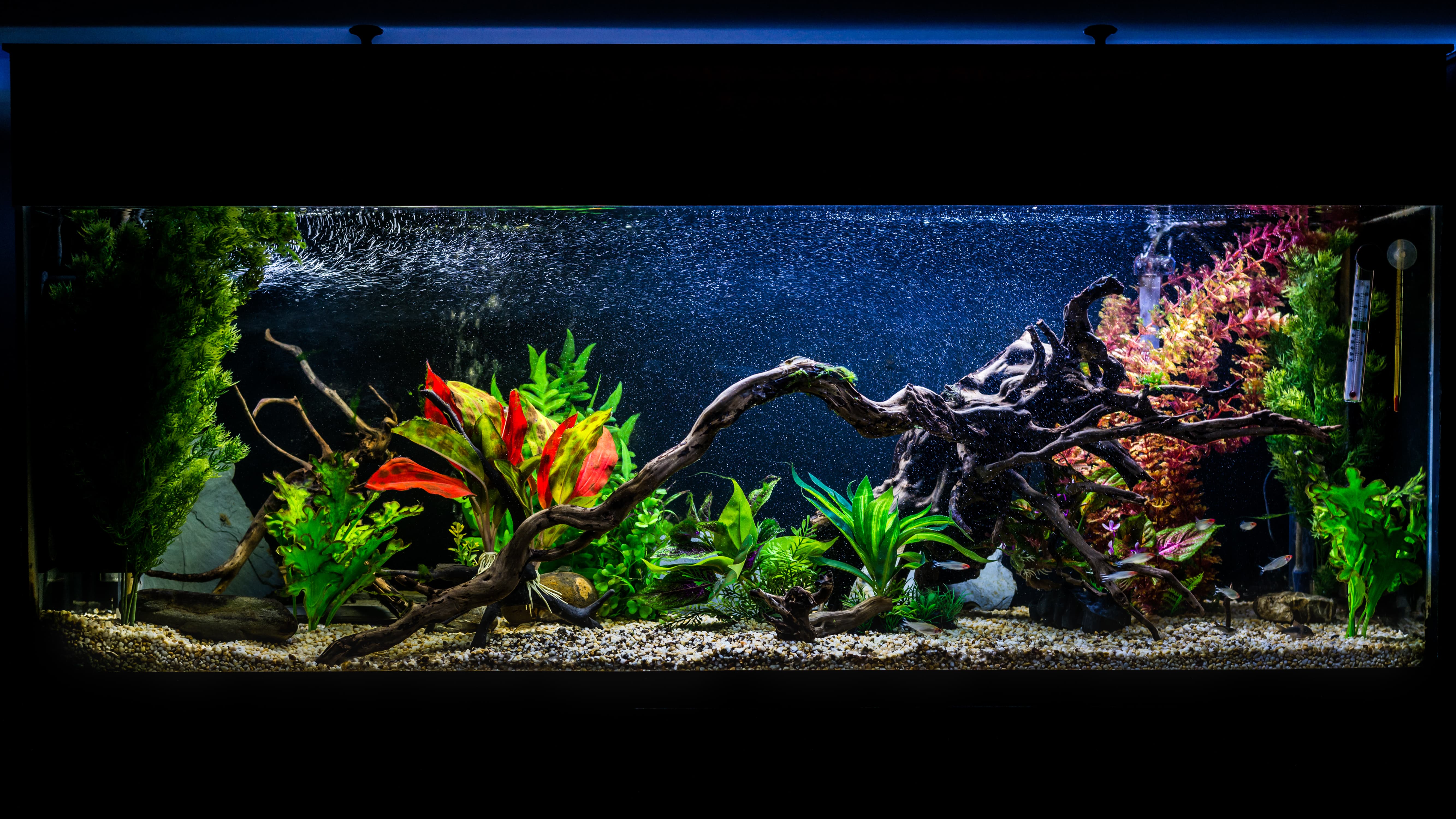
The filter’s job is to remove waste, provide surface agitation for oxygen exchange, and house beneficial bacteria. These tiny microscopic heroes are the unsung champions of your aquarium, breaking down toxic ammonia and nitrite. You want these guys to flourish, so never clean your filter media with tap water, which can kill them. Use old tank water instead – it’s like giving them a spa day in their natural habitat.
Next up: the heater. Tropical fish, as the name suggests, need warm water. The specific temperature depends on the species you choose, but generally, a range of 75-80°F (24-27°C) is common. An adjustable aquarium heater is a must. It comes with a thermostat to maintain a consistent temperature, preventing those stressful dips and spikes for your finned friends. Imagine a grumpy toddler when their nap is interrupted – that’s how sensitive some fish can be to temperature changes.
When setting up your heater, follow the manufacturer's instructions meticulously. Most submersible heaters need to be fully submerged in the water before being plugged in to avoid damage. It’s a small but important step, like making sure your phone is charged before a big trip. And a little pro-tip: when doing water changes, unplug the heater first. Cold air on a hot heater can cause it to crack. Safety first, always!
The Soul: Substrate and Decor
This is where you get to unleash your inner artist! The substrate is the material at the bottom of your tank. For tropical tanks, gravel or sand are the most common choices. Gravel is easier to clean with a gravel vacuum, while sand can look more natural and is preferred by some bottom-dwelling fish. If you're planning on live plants, you might want to opt for a nutrient-rich substrate or add plant tabs to provide them with the food they need to thrive. Think of it as giving your plants a healthy dose of vitamins.
Now for the fun part: decor! This is your chance to create an underwater landscape. Driftwood, rocks, artificial plants, and ornaments all add character and hiding places for your fish. Remember, fish need places to hide and feel secure. It’s like us needing our own space, a cozy nook to retreat to. Too much open space can be stressful for them. Think of a well-decorated room – it feels inviting and comfortable.
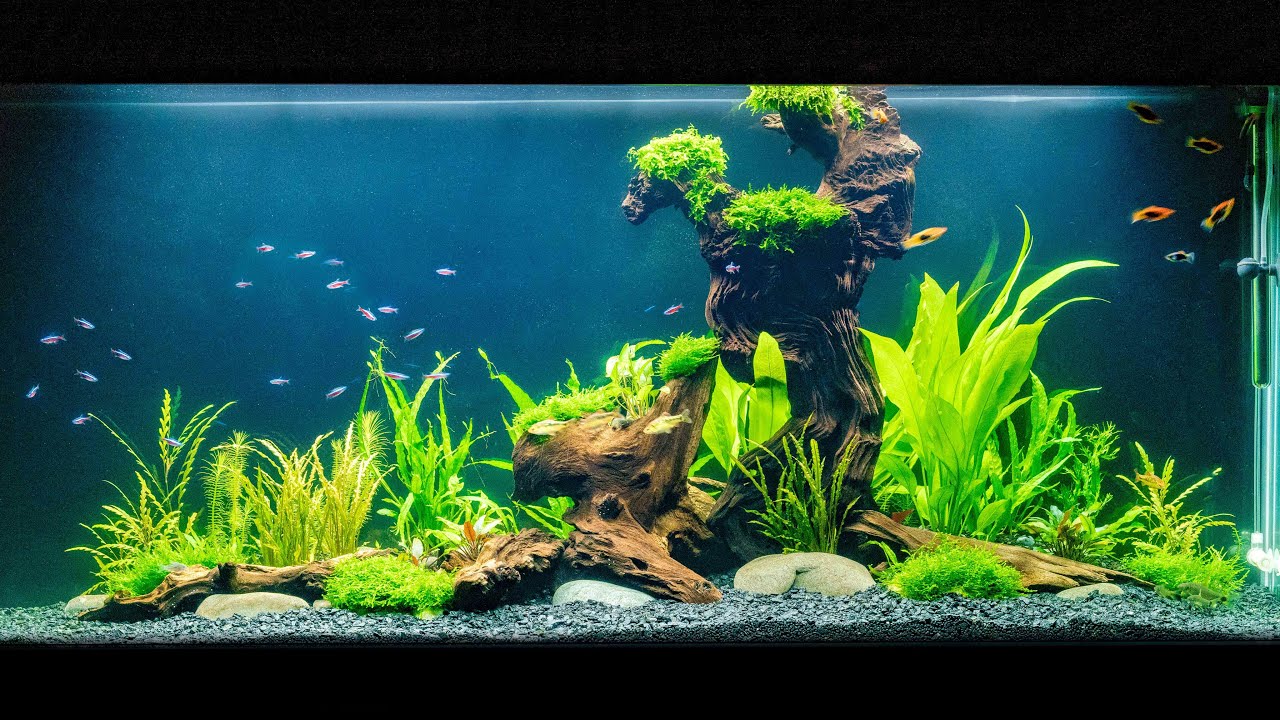
When choosing decorations, ensure they are aquarium-safe. Avoid anything with sharp edges that could injure your fish, or porous materials that could leach harmful substances into the water. Ceramic, glass, and certain plastics are generally safe bets. For a truly authentic feel, you can even incorporate elements like smooth river stones or pieces of natural driftwood (make sure to boil or soak driftwood first to remove tannins and prevent it from making your water murky).
And speaking of plants, live plants are fantastic for tropical tanks! They add beauty, help to oxygenate the water, and provide natural filtration. Popular beginner-friendly options include anubias, java fern, and various types of cryptocoryne. They’re like the living art in your home, adding a touch of natural elegance. Just remember, plants need light. Your aquarium lighting should be suitable for plant growth, with a timer to ensure a consistent photoperiod – usually around 8-10 hours a day. Think of it as the plants' daily sunbathing session.
The Citizens: Choosing Your Tropical Fish
Ah, the stars of the show! Choosing your fish is probably the most exciting part. But hold your horses! Before you rush to the nearest pet store and grab the prettiest fish you see, a little research is crucial. Not all tropical fish are compatible. Some are territorial, some are fin-nippers, and some are just plain too aggressive for a community tank. It’s like inviting guests to a party – you want to make sure everyone gets along.
Start with hardy, beginner-friendly species. Neon tetras, guppies, platies, mollies, and corydoras catfish are all excellent choices. They’re relatively peaceful, readily available, and forgiving of minor newbie mistakes. Imagine them as the friendly, approachable folks at your party. For example, a group of neon tetras with their vibrant blue and red stripes are like the energetic dancers, bringing life and color to the tank. Guppies, with their dazzling tails, are like the glamorous attendees, adding a touch of sparkle.
When considering fish, always research their adult size, temperament, and dietary needs. Overstocking is a common mistake that leads to stress, disease, and a generally unhappy tank. A good rule of thumb is the "inch per gallon" rule, but it’s more of a guideline than a strict law. It’s better to have fewer, healthier fish than a crowded tank. Think quality over quantity, just like with artisanal cheese.
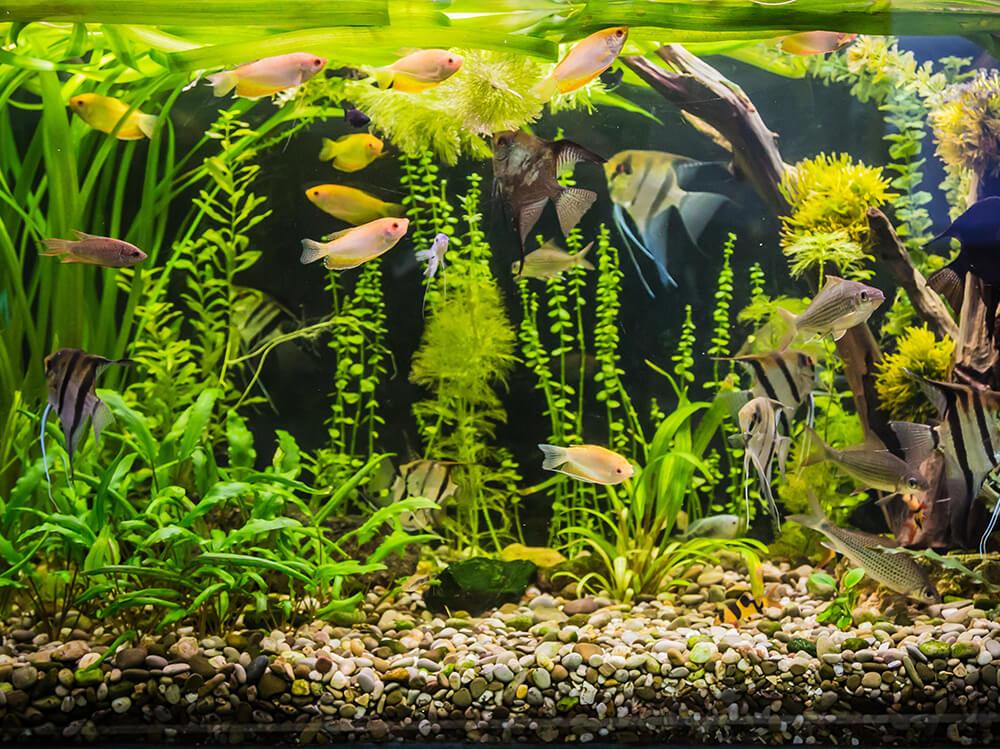
Introduce new fish gradually. Don't dump them all in at once. Acclimate them slowly to the tank water’s temperature and chemistry. This usually involves floating the bag in the tank for a while and then slowly adding small amounts of tank water to the bag. This process is called acclimation and it’s vital for minimizing stress on your new residents. It’s like easing a new roommate into your home, giving them time to adjust.
The Cycle of Life: Cycling Your Tank
This is the most important step, and it’s where many beginners falter. You cannot just add fish to a new tank and expect them to survive. You need to establish the beneficial bacteria colony that will process fish waste. This process is called cycling the tank, and it can take anywhere from 2 to 8 weeks. Impatience here is the enemy of happy fish.
There are two main ways to cycle a tank: the fishless cycle (highly recommended for beginners) and the fish-in cycle (use with extreme caution and dedication). For a fishless cycle, you'll add an ammonia source (like pure liquid ammonia or a small piece of fish food) to the tank and let it break down. You'll then test the water regularly for ammonia, nitrite, and nitrate levels. Ammonia and nitrite should eventually drop to zero, and you'll see nitrates appear. This indicates your tank is cycled and ready for fish. Think of it as preparing the soil before you plant your prize-winning tomatoes.
Testing your water regularly is key. Invest in a good water testing kit. It’s your diagnostic tool, your crystal ball into the health of your aquarium. Understanding the nitrogen cycle will make you a better, more informed aquarist. It’s a fundamental concept, like learning the alphabet before writing a novel.
The Rituals: Maintenance and Feeding
Once your tank is set up and your fish are happily settled, the real lifestyle begins. Regular maintenance is crucial, but it doesn't have to be a chore. Think of it as a weekly meditation session. A partial water change of about 20-25% weekly is usually sufficient. This removes nitrates and replenishes essential minerals. Use a gravel vacuum to suck up debris from the substrate while you're at it.
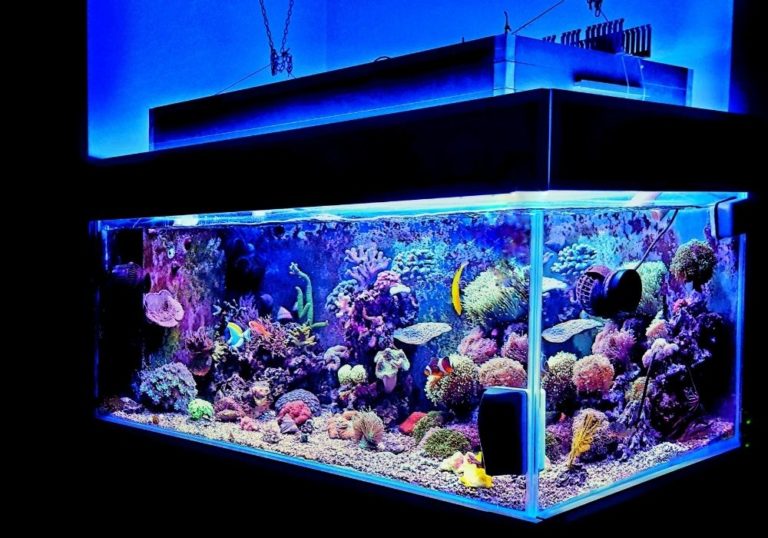
Remember to use dechlorinated water for your water changes. Tap water contains chlorine, which is toxic to fish and beneficial bacteria. You can buy a water conditioner from your local fish store that neutralizes chlorine and chloramines. It's a small step with massive implications. Like adding a touch of salt to your cooking – it just brings out the flavors.
Feeding your fish is another daily ritual. Most tropical fish do well with a high-quality flake or pellet food. Feed them only what they can consume in 2-3 minutes, once or twice a day. Overfeeding is a major cause of poor water quality. It’s like giving your kids too many sweets – they get hyper, then sluggish, and it's not good for them in the long run. Observe your fish; they'll tell you if they're hungry. A little bit of variety is also good; consider occasional treats like frozen bloodworms or brine shrimp for a nutritional boost. Think of it as your fish's own gourmet meal plan.
And beyond the weekly water changes, keep an eye on your equipment. Make sure your filter is running smoothly, your heater is maintaining the correct temperature, and your lights are functioning properly. A quick visual inspection can prevent bigger problems down the line. It’s the equivalent of checking your car's tire pressure – a simple act that ensures a smoother journey.
A Reflection: The Zen of the Aquarium
Setting up a tropical tank is more than just a hobby; it's an invitation to slow down and appreciate the subtle rhythms of nature. In our fast-paced, always-on world, there's something incredibly grounding about observing a miniature ecosystem. The gentle sway of aquatic plants, the silent ballet of fish navigating their watery realm – it’s a constant, quiet performance that demands nothing more than your presence. It’s a living, breathing piece of art that changes and evolves, offering a constant source of wonder.
Just like how nurturing a small plant on your desk can bring a touch of green to your workspace and a reminder to breathe, a tropical aquarium offers a similar, albeit more dynamic, connection. It teaches patience, observation, and the quiet satisfaction of creating a balanced environment. It's a gentle nudge to remember that even in the smallest spaces, life flourishes with care and attention. So, the next time you feel overwhelmed by the daily grind, take a moment, gaze into your little tropical world, and let the peaceful currents wash over you. It's a reminder that even the most complex systems can thrive on simple, consistent care, a lesson that extends far beyond the glass walls of your aquarium and into the ebb and flow of our own lives.

