How To Say Hi In Sri Lanka
So, you're planning a trip to Sri Lanka, huh? Awesome! This island nation, a gem in the Indian Ocean, is bursting with vibrant culture, breathtaking landscapes, and some seriously friendly folks. And what's the first step to unlocking all that goodness? You guessed it: a simple, warm "hello." But how do you actually say hi in Sri Lanka? Let's dive in, shall we?
Think of it like this: you wouldn't go to Italy and just grunt at the locals, right? A little effort goes a long way, and in Sri Lanka, it's super rewarding. It’s not just about politeness; it's about opening doors, forging connections, and showing you appreciate their culture. Pretty neat, don't you think?
The Main Event: "Ayubowan"
Alright, let's get to the star of the show. The most common and widely recognized way to say hello in Sri Lanka is… "Ayubowan". Rolls off the tongue, doesn't it? Or maybe it doesn't quite yet, but you'll get there!
Must Read
Now, what does this magical word even mean? It's not just a casual "hi." It's actually a beautiful blessing. It translates to something like "May you have a long life" or "May you live long." How cool is that? You're not just greeting someone; you're wishing them well, genuinely.
Imagine walking into a bustling market, the air thick with the scent of spices, and instead of fumbling for words, you offer a confident "Ayubowan" to the vendor. You’ll likely be met with a warm smile and maybe even a little extra something added to your purchase. It’s like having a secret handshake, but way more meaningful.
Making it Your Own: The Gesture
But wait, there's more! The spoken word is only half the story. To truly embrace the Sri Lankan greeting, you need to add the traditional gesture. This is where things get really interesting.

When you say "Ayubowan", you'll want to place your hands together in front of your chest, palms touching, like you're about to pray or clap very gently. This is called the "Anjali Mudra". It's a gesture of respect and humility.
So, picture this: you're meeting your tour guide for the first time. You flash a friendly smile, bring your hands together in that lovely Anjali Mudra, and say with a clear voice, "Ayubowan!". Boom. Instant connection. It’s far more impactful than a simple wave or a nod, and it shows you’ve done your homework.
It’s a bit like when you’re at a fancy restaurant and you know which fork to use. It just shows you’re in tune with the environment, and the locals will definitely appreciate that.
Why It's More Than Just a Word
You might be thinking, "Okay, 'Ayubowan' is nice and all, but can't I just say 'hello'?" Of course, you can! Most Sri Lankans, especially in tourist areas, will understand and appreciate English. But there’s a certain magic that happens when you use their language.

It breaks down barriers. It signals that you're not just a tourist passing through, but someone who is interested in their culture, their traditions, and them as people. It's a sign of respect, and in Sri Lanka, respect is a big deal.
Think about it. If someone visited your hometown and made an effort to say something in your local dialect, wouldn't you feel a little warmer towards them? Wouldn't it make you more inclined to help them out or share a story?
Using "Ayubowan" can transform your interactions from transactional to relational. It can turn a quick exchange with a shopkeeper into a brief, delightful chat. It can make a server in a restaurant feel more like a friend than just someone bringing your food.

Variations and Other Greetings
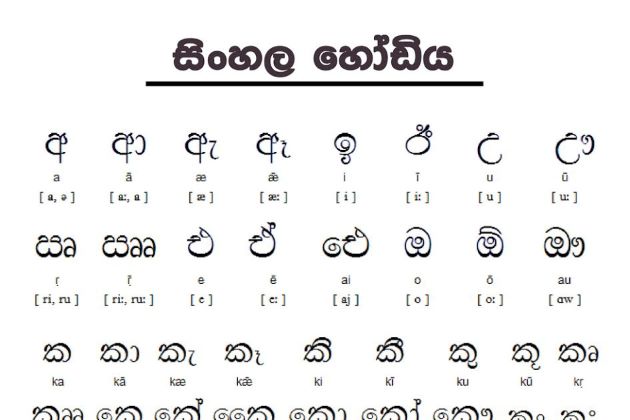
While "Ayubowan" is the king of Sri Lankan greetings, it’s good to know there are other ways people say hello, depending on the context and the language spoken. Sri Lanka has a rich tapestry of languages, with Sinhala and Tamil being the most prominent.
In Sinhala, besides "Ayubowan", you might hear a more casual "Kohomadha?" which means "How are you?" This is often used between friends and people who know each other.
In Tamil, a common greeting is "Vanakkam". This also carries a sense of respect, similar to "Ayubowan", and is accompanied by the same Anjali Mudra gesture. So, if you're in areas with a significant Tamil population, learning "Vanakkam" is also a fantastic idea!
It's like knowing how to order coffee in different styles. You can get a standard drip, or you can go for a perfectly crafted latte – both get you caffeine, but one shows a bit more appreciation for the craft!
Putting it into Practice: Don't Be Shy!
The best way to learn is by doing, right? So, when you land in Sri Lanka, take a deep breath, embrace your inner explorer, and try it out. Don't worry about getting it perfectly right. A little effort, a genuine smile, and the Anjali Mudra will go an incredibly long way.
Start with the hotel staff, the taxi driver, or the person selling you a refreshing king coconut on the side of the road. Watch how they respond. You'll see smiles, nods of appreciation, and maybe even a reciprocal "Ayubowan!". It's incredibly empowering and it makes you feel a part of things, not just an outsider looking in.
Remember, Sri Lankans are known for their hospitality. They are generally a very welcoming people. Your effort to speak even a single word of their language will be met with warmth and genuine delight. It’s a simple act that can create meaningful connections.
So, go forth and greet! With "Ayubowan" (and perhaps "Vanakkam"), you’re already on your way to a richer, more authentic Sri Lankan adventure. Happy travels!