How To Save A Bee From Dying
Alright, gather 'round, you lovely humans, and let me tell you a tale. A tale of tiny heroes, of fuzzy aviators, and of your potential to be a bonafide bee-saving superhero. Yes, you heard me. Forget the capes and the spandex; your superpower today is… a sugar-water solution and a gentle nudge. Mind-blowing, right?
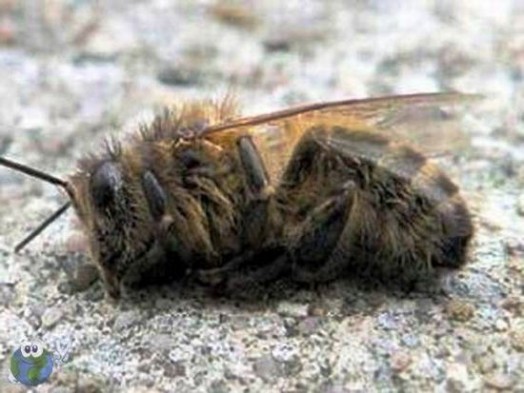
So, you’re out and about, maybe enjoying a delightful (and hopefully not bee-infested) picnic, or perhaps just strolling through your garden, contemplating the existential dread of your houseplant’s wilting. Suddenly, you spot it. A little bee, looking decidedly… un-bee-like. It’s sprawled on its back, doing what appears to be a dramatic interpretive dance with its six legs, or maybe it’s just wiggling weakly. Your first thought might be, “Oh no, is it staging a tiny, pollen-covered protest against the evils of the modern world?” The second thought, hopefully, is, “Can I save this fuzzy little dude?”
The answer, my friends, is a resounding YES! And it’s not nearly as complicated as performing open-heart surgery on a squirrel, I promise. Bees, bless their industrious little hearts, can get, well, tired. They’re working harder than a barista on a Monday morning. Flying, pollinating, building elaborate hexagonal condos, and generally keeping the entire planet’s food supply from imploding – it’s a tough gig. Sometimes, they just need a pit stop. A tiny, sugary pit stop.
Must Read
So, what’s the first step in your heroic bee rescue mission? It’s not about capturing it in a Tupperware container and taking it home to live in a tiny, glitter-encrusted mansion (though, I admit, the mental image is delightful). It’s about providing a much-needed energy boost. Think of it as a hummingbird’s energy drink, but for bees. And the secret ingredient? Sugar. Revolutionary, I know.
Here’s the lowdown. You’ll need a little bit of sugar and a little bit of water. That’s it. The magic ratio, according to the hive mind (and actual scientists, who are clearly just very organized beekeepers), is roughly two parts sugar to one part water. So, if you’re feeling fancy, whip up a teaspoon of sugar and half a teaspoon of water. If you’re feeling really fancy, and have a tiny measuring beaker from your miniature chemistry set, go for it. But honestly, a good old ‘eyeball it’ approach will work just fine. We’re not aiming for a Michelin-star energy drink here; we’re aiming for a bee’s survival.

Now, how do you present this nectar of the gods to your ailing bee? You don’t want to just plop the whole sugary concoction on top of it. That’s like trying to revive a drowning person by dumping a swimming pool on their head. No, no, no. We need a gentle delivery system. My personal favorite method, which I like to call the “Tiny Spoon of Destiny,” involves a spoon. Any spoon will do, but a teaspoon or even a dessert spoon is ideal for your miniature patient. Dip the spoon lightly into your sugar-water mixture. You want a little bead of liquid on the spoon, not a sugary Niagara Falls.
Then, with the grace of a ballet dancer (or, more realistically, someone trying not to spill on their own shirt), approach the bee. Gently place the spoon near the bee’s mouthparts. These are the little sticky-out bits near its face. Don’t poke it. Don’t prod it. Just let the spoon rest nearby. Imagine you’re offering a tiny, adorable Michelin-starred appetizer. If the bee is indeed just tired and dehydrated, it will likely perk up and start sipping. It’s like magic, but with more buzzing and less pixie dust.

What if the bee doesn't immediately dive in for a sugary selfie? Don’t despair! Sometimes, they just need a little encouragement, or maybe they’re just having a really bad day. You can try nudging the spoon a tiny bit closer, or if it’s really not getting the hint, you can try a very gentle touch on its back with a damp (not dripping!) fingertip. The idea is to encourage it to move towards the sugar, not to physically force-feed it. We're not trying to win any bee wrestling championships here.
Once the bee has had its fill and seems to have regained its… well, its bee-ness, it will likely fly off on its own accord. This is your cue to feel incredibly smug and accomplished. You have just saved a life, people! You are a modern-day hero, a champion of the tiny, and a friend to the pollinators. High fives all around (but maybe wash your hands first, because, you know, bees).

Now, a word of caution, because even superheroes have to be careful. Never, ever try to pick up a bee with your bare hands. Unless you have a death wish or a particularly robust immune system, this is a recipe for a sting. And let me tell you, bee stings are not the most comfortable form of human-bee interaction. We’re aiming for rescue, not a Darwin Award.
Also, if you encounter a bee that seems genuinely sick, or is acting aggressively, or is part of a massive swarm that’s currently reenacting a scene from Hitchcock’s "The Birds," it’s probably best to step away and call in the professionals. Think of them as the bee-equivalent of the Avengers. Let the experts handle the truly dire situations. Your mission, should you choose to accept it, is for those individual bees who have simply hit a bit of a wall.
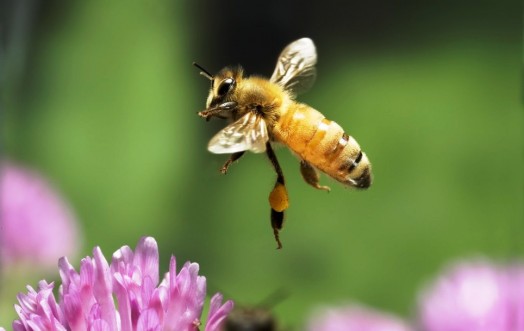
And why is this so important? Well, let’s talk about the little buzzing wonders. Bees are, to put it mildly, incredibly important. They’re the unsung heroes of our food system. Without them, your avocado toast, your apple pie, your morning coffee – all of it would be in serious jeopardy. It’s estimated that bees pollinate about one-third of the food we eat. That’s a staggering amount! So, saving a single bee might seem like a small act, but it’s like donating a brick to the construction of your entire breakfast buffet.
Think about it: a bee’s wings beat up to 200 times per second. That’s faster than your phone’s refresh rate! They have five eyes (yes, five!), and they can carry pollen loads that are up to 75% of their own body weight. These guys are basically tiny, furry superheroes with built-in luggage. They’re not just buzzing around aimlessly; they’re on a mission, and we’re all the beneficiaries.
So, the next time you see a bee looking a little worse for wear, don’t just walk by. Channel your inner eco-warrior, whip up a tiny sugar-water potion, and be the bee’s best friend. You’ll feel good, the bee will feel good, and the world will be a little bit better, one sugary sip at a time. Go forth and be awesome!