
How To Remove A Stain On Wood
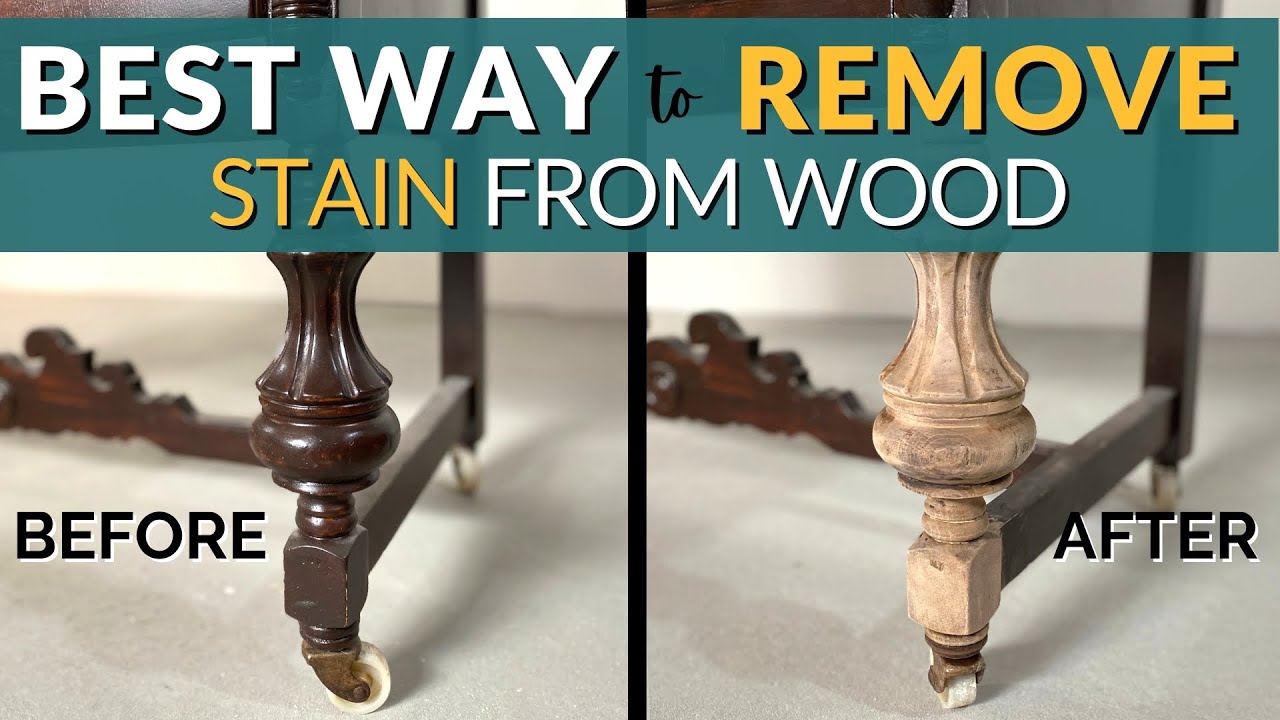
Hey there, fellow humans! Ever had one of those moments where you’re just kicking back, enjoying a lovely cup of tea or a delightful glass of wine, and BAM! Disaster strikes? A rogue drop of coffee leaps from your mug, a little splish-splash of red wine decides to explore your gorgeous wooden coffee table, or maybe your toddler’s artistic endeavors involve something… stickier… than crayons. We’ve all been there, right? That instant sinking feeling in your stomach, that little gasp of horror. But before you declare your beloved wooden surface a lost cause and start planning its dramatic retirement to the garage, let me tell you a secret: stains on wood aren't the end of the world! In fact, tackling them can be surprisingly… dare I say it?… fun!
Think about it. Life throws us curveballs, and sometimes those curveballs are made of spilled beverages or mysteriously sticky substances. Instead of getting grumpy about it, what if we saw it as a little adventure? A chance to become a domestic detective, a wood-whisperer, a stain-slaying superhero? The satisfaction of bringing something beautiful back to its former glory? Priceless!
So, let’s dive into the wonderful world of wood stain removal. Don't worry, you don't need a hazmat suit or a degree in chemistry. Most of the time, the solutions are right in your kitchen cupboard. It's all about knowing your enemy (the stain!) and your allies (the cleaning agents!).
Must Read
The First Line of Defense: Act Fast!
This is the golden rule, my friends. The moment you spot a spill, act like a ninja! Quick, silent, and decisive. The longer a stain has to soak into the wood, the more stubborn it becomes. Grab a clean, dry cloth or paper towel and gently blot the area. Don’t rub! Rubbing just pushes the stain deeper into the wood’s pores. Think of it as a gentle pat-down, not a vigorous scrub-down. This simple step can often save you a lot of trouble down the line.
And speaking of cloths, keep a few handy. Old t-shirts, dishtowels, whatever you’ve got. Just make sure they’re clean and lint-free. You don’t want to introduce new fuzzies to your battleground!
Understanding Your Foe: What Kind of Stain Are We Dealing With?
This is where our detective skills really come into play. Different stains require different approaches. Is it a water ring? A grease stain? Something colorful and possibly permanent (gulp!)?
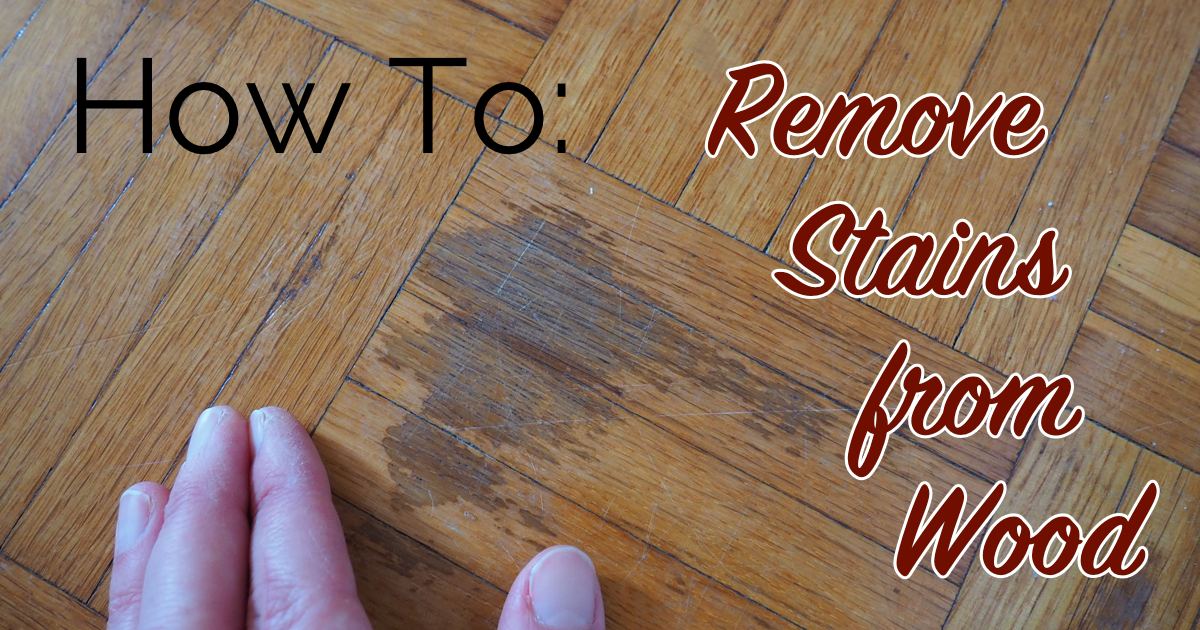
The Dreaded Water Ring
Ah, the classic water ring. Usually caused by a damp glass left sitting too long. They can be a pain, but thankfully, they’re often conquerable. For light water rings, you might be able to simply buff them out with a dry, soft cloth. If that doesn't work, try placing a dry, absorbent cloth or paper towel over the ring and then gently pressing a warm iron (on a low setting, no steam!) over the cloth for a few seconds. The idea is to draw the moisture out of the wood. Check frequently, and repeat if necessary. Be patient; you’re coaxing, not forcing!
Another trick for water rings is to use a little bit of mayonnaise. Yes, you read that right! The oil in the mayonnaise can help lift the water mark. Just dab a small amount on the ring, let it sit for a few hours (or overnight for tougher cases), and then wipe it clean with a soft cloth. It sounds bizarre, but it often works like a charm. Who knew your sandwich spread could be a furniture savior?
Grease and Oil Stains: The Slippery Slope
Grease and oil stains are notorious for their ability to spread and deepen. For fresh grease stains, your first instinct should be to absorb as much of it as possible. Sprinkle a generous amount of cornstarch or baking soda over the stain. Let it sit for at least an hour, or even overnight. The powder will act like a magnet, drawing the grease out of the wood. Then, gently brush or vacuum away the powder. You might need to repeat this process a couple of times for stubborn stains.
If the stain is a bit older or deeper, you might need a slightly more aggressive approach. A paste made from baking soda and a little water can work wonders. Apply the paste to the stain, let it dry, and then gently wipe it away. You can also try a dedicated wood cleaner specifically designed for grease stains. Always follow the product instructions carefully, and test it in an inconspicuous area first, just in case.
Ink and Dye Stains: The Colorful Culprits
Ink and dye stains can be some of the trickiest to remove, especially if they're from permanent markers. For ballpoint pen ink, rubbing alcohol (isopropyl alcohol) is often your best friend. Dampen a cotton ball or swab with rubbing alcohol and gently dab at the ink stain. Work from the outside in to avoid spreading the ink. Be patient, and use fresh cotton balls as they pick up the ink. You might be amazed at how much you can lift!
For tougher ink or dye stains, you might need to consider a mild abrasive. A paste of baking soda and water, applied gently, can sometimes help lift these stains. If all else fails, and you're dealing with a truly stubborn stain, you might need to consider a wood bleach. However, this is a more advanced technique, and you’ll want to research it thoroughly and wear appropriate protective gear. It's usually a last resort!

General Wood Stain Removal Wisdom
No matter the stain, a few universal truths apply. Always, always, always test any cleaning solution on an inconspicuous area of your wood first. This could be the underside of a table, the back of a chair, or a hidden corner. You want to make sure the cleaner doesn't damage the finish or change the color of the wood.
When in doubt, start with the gentlest method. It’s always better to try a few gentle approaches before resorting to something more harsh. Patience is key! Sometimes, a stain needs time to lift, and rushing the process can lead to more damage.
And after you’ve successfully vanquished the stain, what then? A little tender loving care goes a long way. Once the area is dry, you might want to apply a wood polish or wax to restore the shine and protect the wood. It’s like giving your furniture a spa treatment after a tough day!

Making Life More Fun, One Stain at a Time!
See? Removing a stain isn’t just about cleaning; it’s about reclaiming your beautiful belongings. It’s about the quiet satisfaction of problem-solving. It’s about proving that accidents don’t have to be permanent. It’s about the little victories that make our homes feel even more cherished.
So, the next time a spill happens, don't despair. Take a deep breath, channel your inner cleaning guru, and get ready for a little domestic adventure. You’ve got this! And the feeling of accomplishment when you see that wood looking pristine again? Pure magic!
Learning these simple tricks can empower you to keep your wood looking its best for years to come. It’s a skill that grows with practice, and each successful stain removal will fill you with a sense of confidence and pride. So go forth, my stain-fighting friends, and let your wood shine!

![How to Remove Oil Based Stain from Wood [Fast & Easy]](https://sp-ao.shortpixel.ai/client/to_webp,q_glossy,ret_img,w_700,h_445/https://startwoodworkingnow.com/wp-content/uploads/2022/01/How-to-Remove-Oil-Based-Stain-from-Wood.jpg)