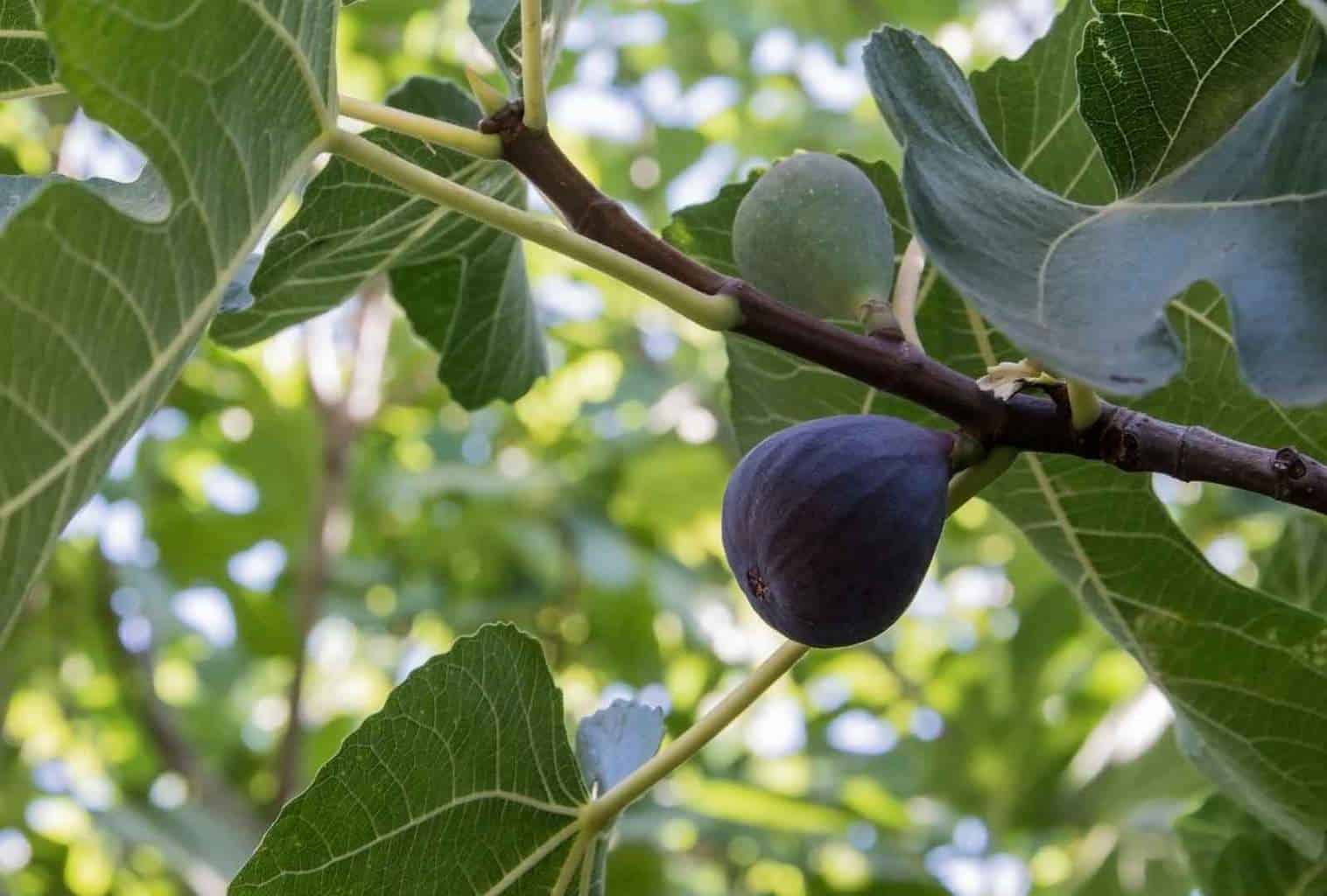
How To Prune A Fig Tree Uk

Right, so you’ve managed to wrestle a fig tree into submission in your UK garden. Congratulations! You’ve probably spent ages coaxing it to produce those glorious, plump, honey-sweet fruits that taste like sunshine and a well-deserved lie-in. But here’s the thing, your leafy friend, much like your Uncle Barry after a Sunday roast, can get a bit… much. It can become a tangled, unproductive mess, a bit like trying to untangle your headphones after a particularly energetic sprint. So, we’re going to talk about pruning your fig tree in the UK. Don’t panic. It’s not as scary as wrestling a badger, and infinitely more rewarding.
Think of pruning as giving your fig tree a stern but loving talking-to. You’re basically telling it, “Look, mate, we need to sort you out. You’re getting a bit… ambitious with your branches, and we need to focus on the important stuff: making delicious figs for your eager human overlords (that’s us).” It’s about encouraging fruiting wood and keeping the whole operation manageable. Plus, a well-pruned tree is less likely to stage a garden takeover, which is a real concern for some of the more… enthusiastic varieties.
Now, before you grab your secateurs and go all ninja on it, let’s get one thing straight: there are different times and reasons to prune. It’s not a free-for-all. Imagine trying to give a haircut to a sleeping cat. Disaster. We need to be a bit more strategic. The main event, the big chop, the winter prune, is usually done between late January and early March. This is when the tree is happily snoozing, dreaming of warm summer days and plump figs. It’s the perfect time to get stuck in with minimal fuss and maximum benefit.
Must Read
So, what are you actually aiming for? Well, you want to create a nice, open shape. Think of it like designing a minimalist sculpture. You’re not trying to create a dense, impenetrable jungle. You want air circulation, sunshine reaching all those developing figs, and importantly, you want to make it easy for yourself to harvest those sweet treats. Nobody wants to perform acrobatic feats to get a single fig, do they? That’s just asking for a twisted ankle and a fig-less hand.
Let’s break down the winter prune. First off, take a step back. Admire your tree. See the structure. Then, start removing the dead, diseased, or damaged wood. This is the low-hanging fruit of pruning, so to speak. If a branch looks like it’s had a bad day, or is sporting some suspicious black spots, or is just plain snapped, get rid of it. It’s not contributing to the fig party, and it could be a breeding ground for nasties. Think of it as clearing out the dodgy members of the fig tree club.

Next up, you’re looking for crossing branches. These are branches that are rubbing against each other. It’s like having a bickering couple in your tree – it just causes friction and damage. Usually, you’ll remove the weaker or more poorly positioned of the two. You want to create space and avoid unnecessary wear and tear. Imagine your tree having a nice, orderly conversation between branches, rather than a shouting match.
Now for the exciting bit: removing weak or inward-growing shoots. These are the ones that are heading back towards the centre of the tree, or are just a bit spindly and unlikely to produce anything worthwhile. They’re like the freeloaders at a party, taking up space and resources without contributing to the fun. Chop them off. Ruthlessly. Be brave. Your tree will thank you for it. You're aiming for a goblet or vase shape, with a nice open centre.
![How to Prune a Fig Tree [7 Steps to Train Your Fig] | Pepper's Home](https://peppershomeandgarden.com/wp-content/uploads/2023/03/how-to-fertilize-a-fig-tree-758x426.jpg)
A surprising fact for you: fig trees actually produce fruit on new wood. That means the figs you’ll be enjoying next summer will be growing on the shoots that develop this coming spring and summer. So, when you're pruning in winter, you're actually encouraging the growth of those future fig-bearers. It’s like planning a surprise party for your future self, except the party is made of delicious figs.
There’s also something called the summer prune, which is a bit more of a light-touch operation. This usually happens around July. The aim here is to restrict overly vigorous growth and direct the tree’s energy into ripening the existing fruit. You might be tempted to go in with your big shears, but hold your horses. This is more about pinching out the tips of new shoots that have already got a couple of leaves on them. It’s like a gentle nudge, saying, “Okay, concentrate on what you’ve got, sunshine.” You’re not trying to reshape the tree, just tidy it up a bit and make sure those figs get a fighting chance to mature.
Why is this summer prune so important? Well, a fig tree can be incredibly productive, and if it’s putting all its energy into just growing more and more leaves and branches, those precious figs might not get enough warmth and sunshine to ripen properly. We’ve all been there, haven’t we? Staring at green nubs in October, wondering if they’ll ever turn into those glorious, soft delights. The summer prune helps prevent that horticultural heartbreak.

Now, a word of caution: fig trees can weep. When you cut them, they ooze a milky sap. This sap can be a bit of an irritant to some people, so wearing gloves is a wise move. It’s like your tree is having a little cry because you’re being so tough on it, but it’s all for its own good. Don't be fooled by the tears; you’re doing a great job.
And for those of you with particularly enthusiastic fig trees that have decided they'd rather be a full-blown tree than a manageable shrub, you might need to think about training. This can involve tying branches to supports to guide their growth, or even creating a fan shape against a wall. A fan-trained fig tree looks incredibly elegant and is a fantastic way to maximize fruit production in a smaller space. Imagine your fig tree as a sophisticated dancer, elegantly fanning out its branches. Very chic.

When you’re pruning, always use sharp, clean secateurs or loppers. A clean cut heals faster, and you don’t want to be introducing diseases into your tree. Think of it as giving your tree a precise surgical cut, not a jagged rip. And if you’re tackling anything thicker than your thumb, you might need a pruning saw. Don't be shy, just make sure the cut is clean.
A common mistake is over-pruning. You’re not trying to turn your fig tree into a minimalist twig. It still needs plenty of branches to produce fruit. It’s a balancing act. Aim to remove about a third of the previous year’s growth during the winter prune. This might sound like a lot, but remember, you're encouraging strong, new growth. It’s like a spring clean for your tree, but instead of dust bunnies, you’re getting rid of the unproductive bits.
So, there you have it. Pruning your fig tree in the UK is not an insurmountable challenge. It’s about understanding your tree, giving it a bit of structure, and encouraging it to do what it does best: produce those utterly divine figs. Grab your tools, embrace the slightly sticky sap, and go forth and prune. Your future taste buds will thank you. Now, if you’ll excuse me, I think I hear a fig calling my name. Cheers!